Basket: Weaving the Threads of Tradition
Basket making is one of humanity's oldest crafts, a universal art form that has served practical and ceremonial purposes for thousands of years. From gathering crops to storing treasures, baskets have been indispensable across cultures, shaped by the natural materials available, reeds, grasses, vines, and bark. More than just containers, they represent the ingenuity of early artisans who transformed humble fibers into durable, beautiful objects. Today, basket weaving connects us to this heritage while offering a meditative, hands-on creative practice.
A Craft as Old as Civilization
The oldest known baskets date back over 10,000 years, predating pottery and woven textiles. Indigenous cultures worldwide, from Native American tribes to African and Asian communities, developed distinct styles, each reflecting their environment and needs. In ancient Egypt, baskets held offerings for the afterlife; in Japan, kagome weaving symbolized protection. This global legacy reminds us that basket making is not just a skill but a shared human language of resourcefulness and creativity.
The Rhythm of Weaving
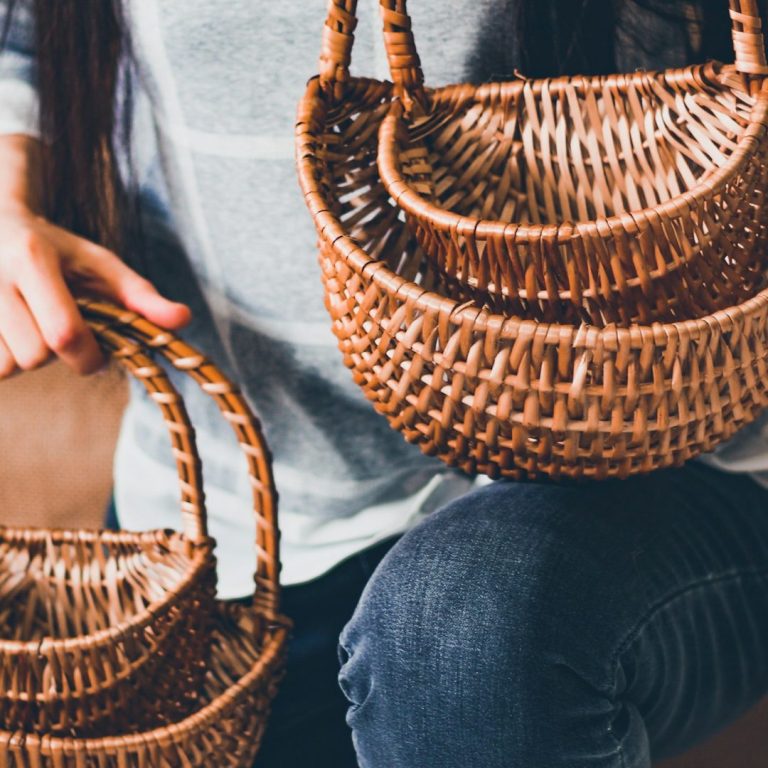
The process of basket making is a dance between hands and materials, requiring patience, precision, and an intuitive feel for tension and pattern. As strands are twisted, coiled, or woven together, the maker enters a rhythmic flow, much like knitting or pottery. Each technique, whether plaiting, twining, or coiling, has its own history and purpose, passed down through generations. For many weavers, the act itself is grounding, a tactile reminder of the slow, deliberate beauty of handmade craftsmanship.
From Necessity to Artistry
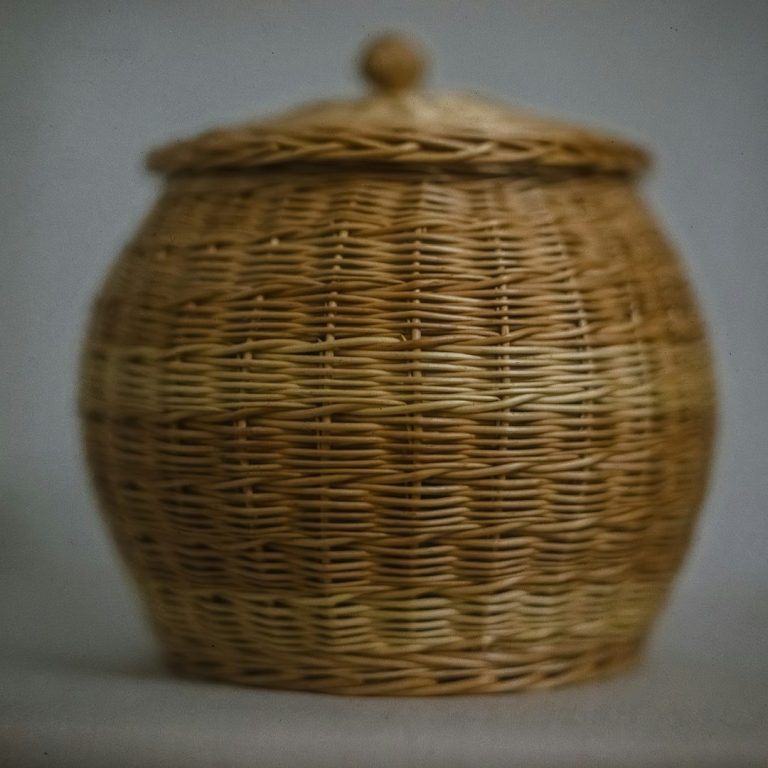
While baskets were once essential for survival, they have evolved into works of art, celebrated for their intricate designs and cultural significance. Contemporary weavers experiment with dyes, unconventional materials, and sculptural forms, pushing the boundaries of tradition. Yet even the most modern creations honor the craft’s roots, proving that utility and artistry can coexist. In an age of mass production, handwoven baskets stand as testaments to sustainability, resilience, and the enduring human connection to nature.
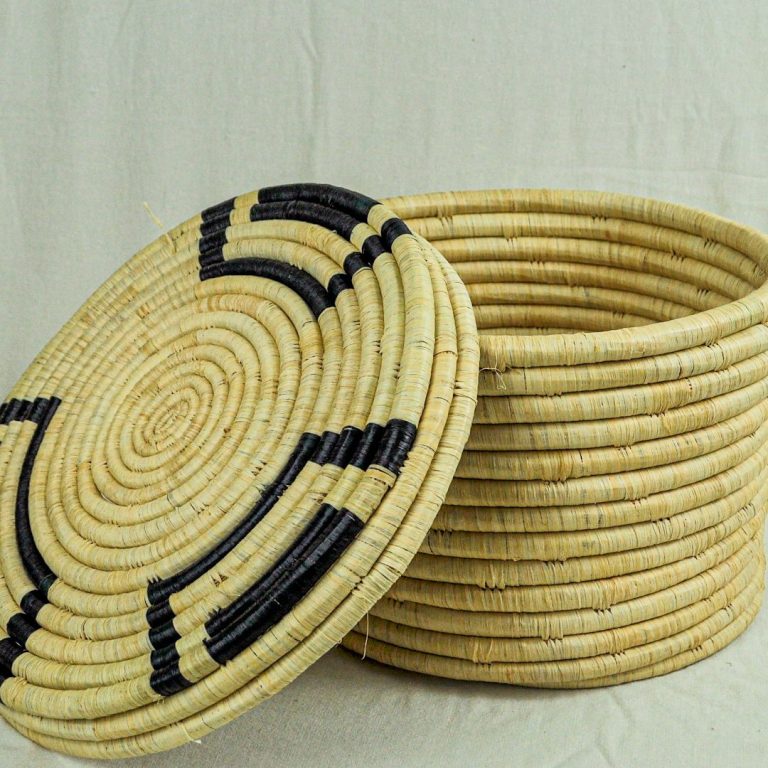
Weaving the Future, Honoring the Past
Basket making is more than a craft; it’s a living thread connecting us to our ancestors and the natural world. In a time of disposability, it teaches us to value patience, sustainability, and the beauty of imperfection. To weave a basket is to participate in an ancient ritual, shaping raw materials into something both useful and meaningful, one strand at a time.
Fascinating Facts About Basket Weaving
Baskets in Space NASA has studied traditional weaving techniques to inspire lightweight, flexible materials for spacecraft and spacesuits, proving ancient methods still inform modern innovation.
The Basket That Saved a Life In 1887, a Native American basket made by the Tohono O'odham people was so tightly woven it could hold water, a feat that amazed settlers and showcased the weavers' extraordinary skill.
Basket Weaving: Interlacing Tradition, Utility, and Artistry
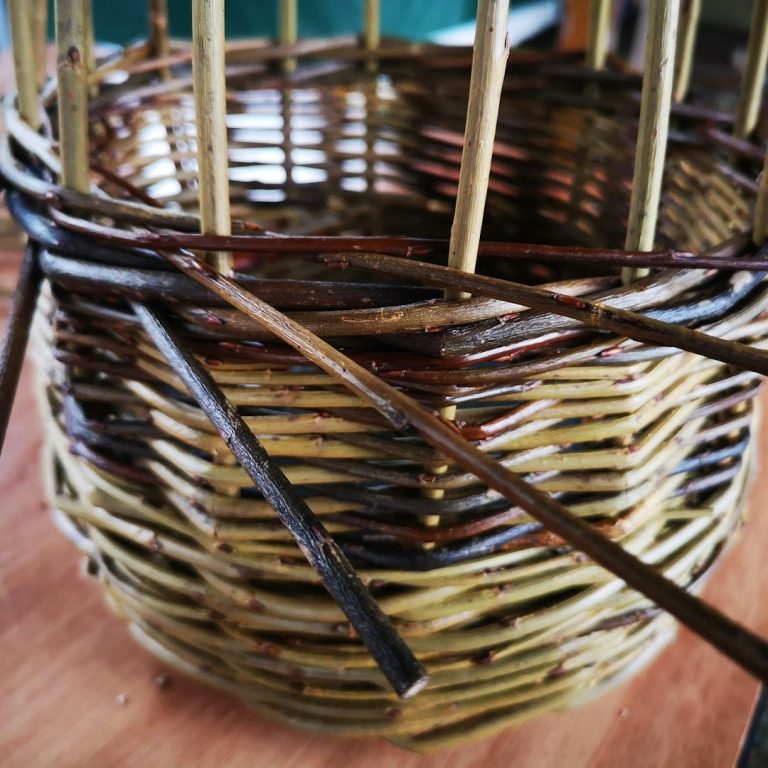
Reeds, willow branches, rattan, or even recycled fabrics are chosen for their flexibility and strength, then soaked to enhance pliability. The foundation is often a sturdy base or framework, around which strands are woven in intricate patterns, such as over-under, twining, or coiling. Each technique demands patience and precision, as the weaver's hands guide the fibers into alignment, creating tension and symmetry with every pass.
What makes basket weaving so captivating is its duality as both a practical skill and an expressive art form. The rhythm of weaving, methodical yet meditative, connects the maker to generations of artisans who crafted containers for gathering, storing, and carrying. Embellishments like dyed fibers, beads, or carvings can elevate a simple basket into a storytelling piece, reflecting cultural motifs or personal creativity. Like dream catcher making or upcycling, basket weaving bridges the past and present, transforming humble materials into objects of purpose and meaning. Whether used for harvests, home décor, or ceremonial purposes, a handwoven basket carries the imprint of its maker’s care, a testament to the timeless dialogue between human hands and the natural world.