
Cultured Dairy: Yogurt, Kefir, and Beyond
The ancient practice of fermenting milk represents one of humanity's most profound collaborations with microscopic life. By harnessing beneficial bacteria and yeasts, we transform perishable milk into nourishing, long-lasting foods like yogurt, kefir, and cultured creams. This alchemical process, where lactose becomes lactic acid and simple milk gains complexity, has sustained populations for millennia. More than just food preservation, dairy fermentation creates living foods teeming with probiotics that nurture our gut microbiome, a testament to the wisdom of traditional foodways in an age of processed nutrition.
A History Written in Curds
Archaeological evidence suggests milk fermentation began as early as 10,000 BCE among Neolithic herders. Nomadic cultures likely discovered that animal-skin containers and ambient microbes could preserve milk longer. The Turkic peoples developed kefir using "grains" considered family heirlooms, while Balkan shepherds perfected yogurt in sheepskin bags. This global heritage of dairy fermentation represents one of humanity's earliest applications of biotechnology, long before we understood the science behind it.
The Rhythm of Culturing
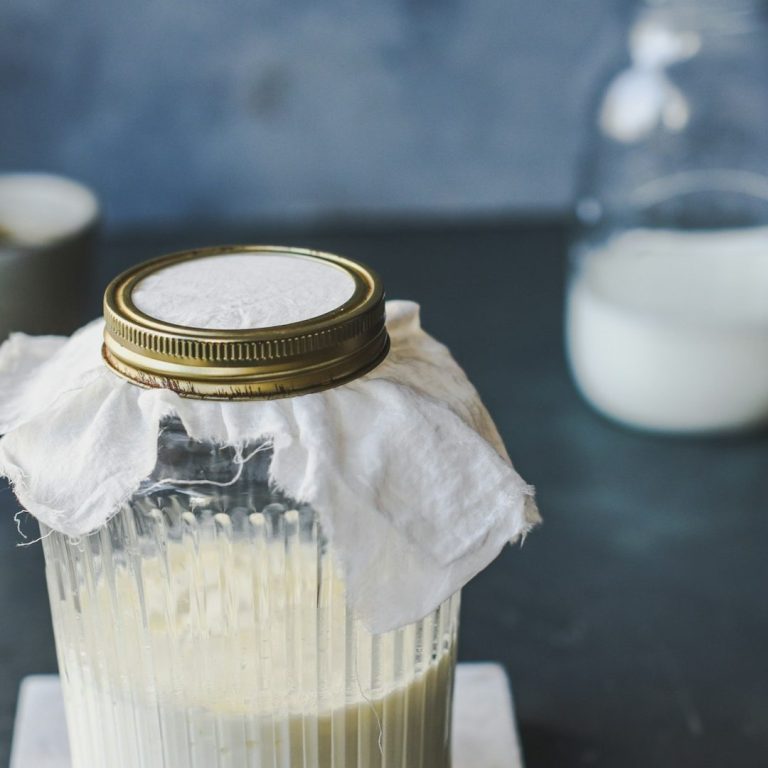
Successful fermentation requires attunement to microbial time. The dairy culturist learns to read subtle signs, the gradual thickening of yogurt, the effervescent bubbles of active kefir, the fragrant tang of properly soured cream. Temperature control becomes a meditation, whether maintaining the gentle warmth for yogurt incubation or observing room-temperature kefir grains at work. This process teaches patience and observation, as hours turn milk into something greater than its origins, a transformation that can't be rushed but rewards the attentive maker.
From Survival to Superfood
Originally developed to preserve milk before refrigeration, cultured dairy has evolved into a cornerstone of holistic nutrition. Artisanal producers and home fermenters alike now celebrate the diversity of traditional preparations, from Icelandic skyr to Middle Eastern labneh, Russian ryazhenka to Indian dahi. In our modern understanding of gut health, these ancestral foods have gained new relevance, bridging ancient wisdom with contemporary wellness practices.
A Living Tradition
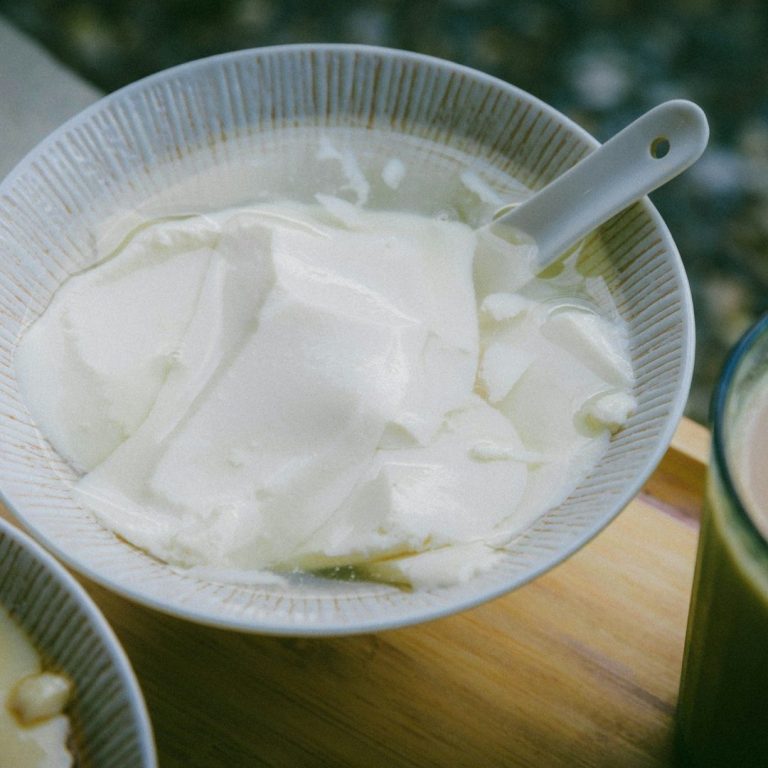
Cultured dairy fermentation connects us to our ancestral roots while offering vital nutrition for modern life. Each batch represents a collaboration with invisible microbial partners that have accompanied human civilization since its dawn. In an era of sterile, packaged foods, making yogurt or kefir at home reconnects us to the living essence of nourishment, food that changes daily, responds to its environment, and nurtures both body and ecosystem. To ferment dairy is to participate in an eternal cycle of transformation, where simple milk becomes a medium for microbial artistry and a bridge between generations of food wisdom. These bubbling, tangy creations remind us that some of life's most profound nourishment comes not from domination of nature, but from harmonious cooperation with its smallest inhabitants.
Fascinating Culture Facts
The Immortal Grains Kefir grains, a symbiotic culture of bacteria and yeasts, can theoretically live forever when properly cared for, with some family lineages spanning generations.
Space Probiotics NASA has studied kefir fermentation in microgravity, recognizing its potential for maintaining astronaut gut health during long space missions.
The Science and Soul of Sourdough
These living foods begin with a simple miracle: bacterial cultures converting lactose into lactic acid, thickening milk into spoonable yogurt or effervescent kefir. The process is deceptively simple: heat milk to sterilize, cool to a precise temperature, then inoculate with either a spoonful of previous batch (for yogurt) or gelatinous kefir grains (a symbiotic colony of yeast and bacteria). But this quiet fermentation belies profound complexity. Yogurt cultures (typically Lactobacillus bulgaricus and Streptococcus thermophilus) work steadily, creating a mild tang and custardy texture, while kefir's diverse microbes produce a drink both tart and faintly fizzy, with probiotic strains rarely found elsewhere.
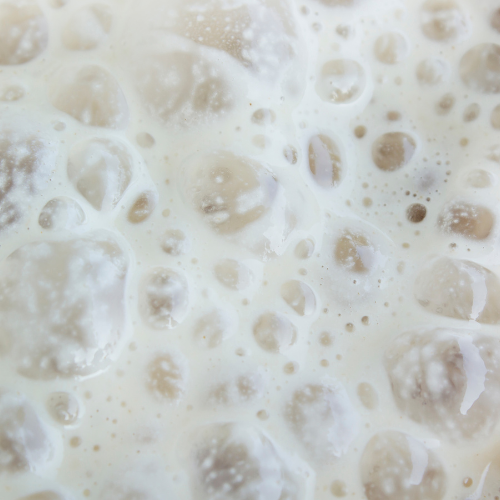
To culture yogurt or kefir is to collaborate with invisible life, embracing slow food in its purest form. Unlike pasteurized dairy, these creations evolve daily, growing sharper, thicker, or more effervescent until restrained by refrigeration. They bridge the pragmatic and the poetic: a mason jar of homemade yogurt on the breakfast table speaks of thrift and care, while kefir's lively tang recalls the fermented mare's milk of Genghis Khan's horsemen. In an age of sterile supermarket tubs, crafting these living foods reconnects us to the microbial wilderness we've long harnessed, and to the quiet satisfaction of turning milk into something transcendent, one careful fermentation at a time.
Beginning Your Fermentation Journey
Start with simple yogurt using store-bought cultures or a quality starter. Invest in a reliable thermometer and clean glass jars. For kefir, seek authentic grains from reputable sources. Remember that successful fermentation depends more on consistent technique than fancy equipment.
The Four Pillars of Dairy Fermentation
Inoculation: Introducing the right microbial cultures
Incubation: Maintaining ideal temperature conditions
Observation: Monitoring texture, aroma, and taste
Termination: Proper cooling to stop fermentation at peak flavor