Beekeeping: Guardians of the Hive
Beekeeping is one of humanity's oldest agricultural partnerships, a sacred collaboration between people and pollinators that dates back over 9,000 years. More than just honey production, this practice represents a profound understanding of ecological balance, where keepers become stewards of complex superorganisms. Each hive functions as a single entity, 40,000 bees working in perfect synchrony, teaching us lessons about community, productivity, and environmental harmony. Modern beekeepers continue this tradition, part farmers, part scientists, and part conservationists in an increasingly pollinator-dependent world.
A History Written in Honey
Archaeological evidence traces beekeeping to ancient Egypt, where honey was currency and hives were floated on barges along the Nile for pollination. The Greeks considered bees messengers between worlds; medieval monasteries perfected mead-making; and native cultures from Mayans to Maori developed their own hive traditions. This global legacy reveals how deeply human civilization is entwined with honeybees - our first domesticated insect, predating silkworms by millennia.
The Rhythm of the Hive
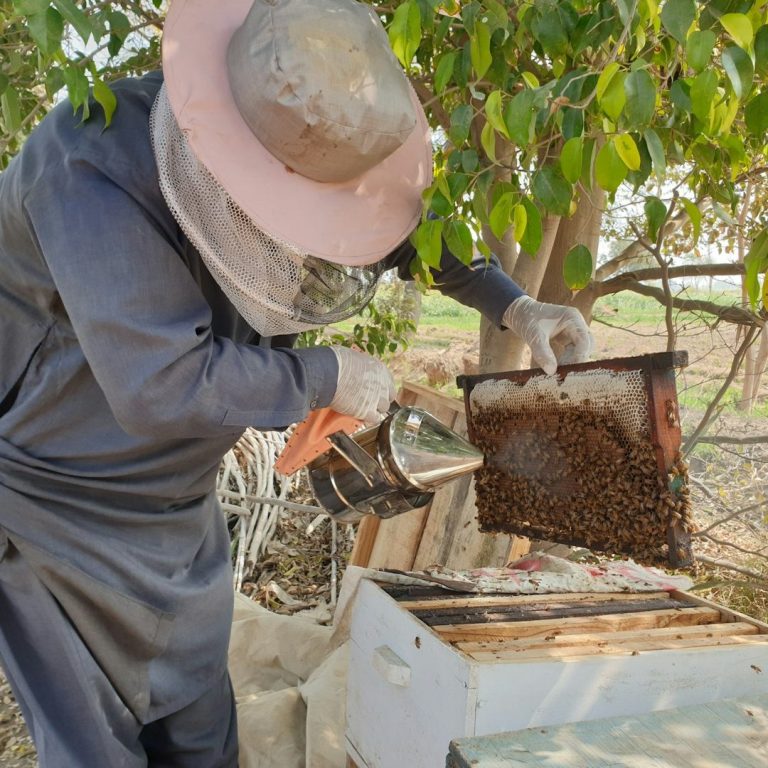
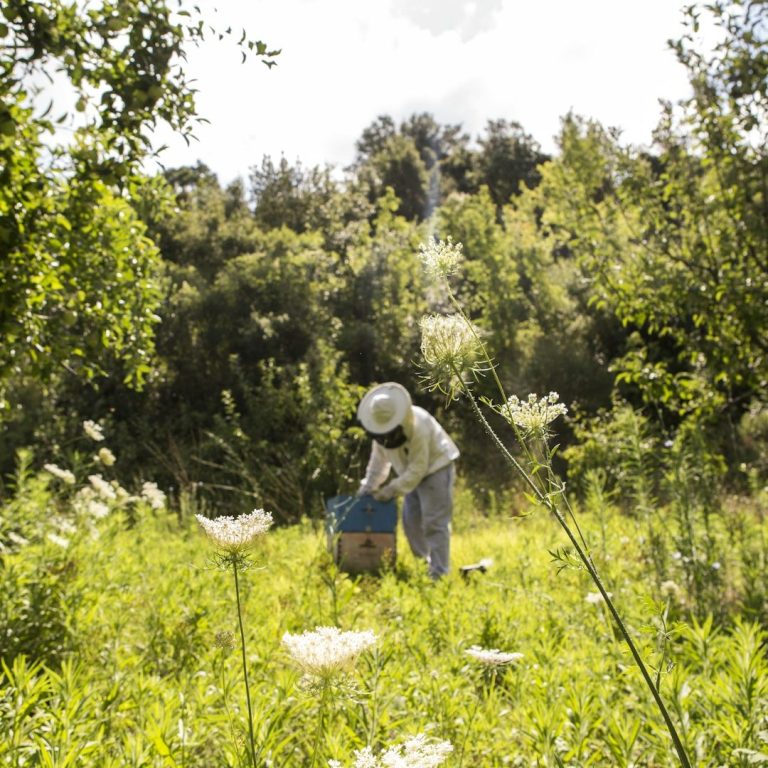
A beekeeper's year follows nature's cadence: spring buildup, summer's honey flow, autumn harvest, and winter preparation. Working the hives requires all senses: listening to the colony's hum, watching flight patterns, smelling for disease, and feeling the hive's temperature. The ritual of smoking the hive, carefully inspecting frames, and reading the bees' behavior becomes a meditation in attentiveness. For many keepers, time in the apiary provides respite from modern life's frenzy, reconnecting them to seasonal cycles that industrial agriculture often ignores.
From Ancient Tradition to Modern Necessity
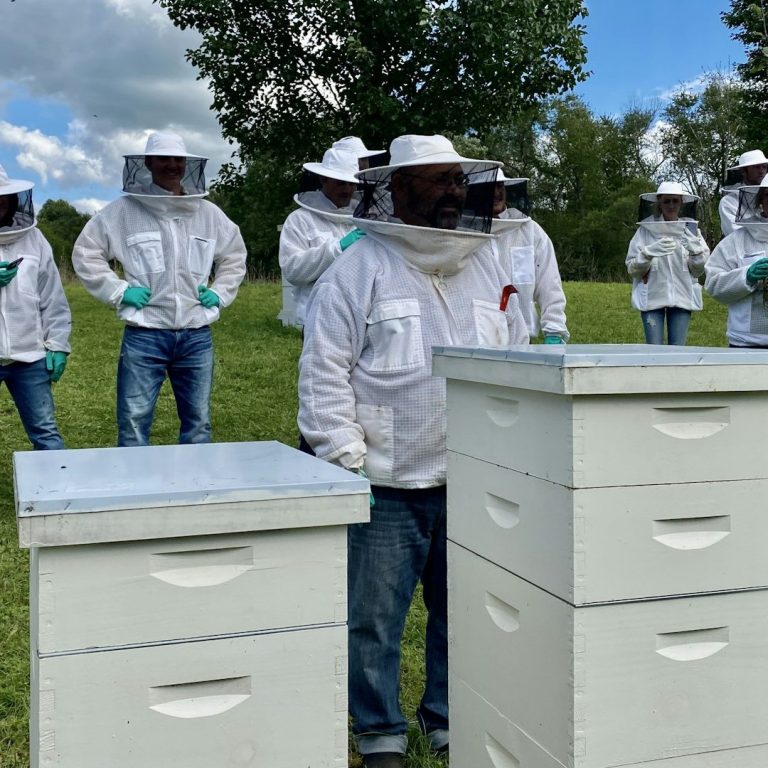
What began as honey hunting in prehistoric times evolved into skep beekeeping, then movable-frame hives after Langstroth's 1851 revolution. Today, as pollinators face unprecedented threats from pesticides, habitat loss, and climate change, beekeeping has transformed from agricultural practice to ecological imperative. Urban rooftops, suburban backyards, and organic farms alike now host hives, creating networks of sanctuaries for these essential insects. The honey may be sweet, but the real reward lies in sustaining life systems that feed the world.
Stewards of the Future
Beekeeping is more than a hobby or income source - it's an act of hope. Each new hive strengthens our food web, each jar of honey holds the flavor of local flora, and each keeper becomes part of a 9,000-year-old lineage. In teaching us patience, observation, and humility before nature's wisdom, bees remind us that true abundance comes not from domination, but from partnership. As environmental challenges mount, the ancient art of beekeeping may hold keys to our collective future: one flower, one bee, one hive at a time.
Fascinating Facts About Beekeeping
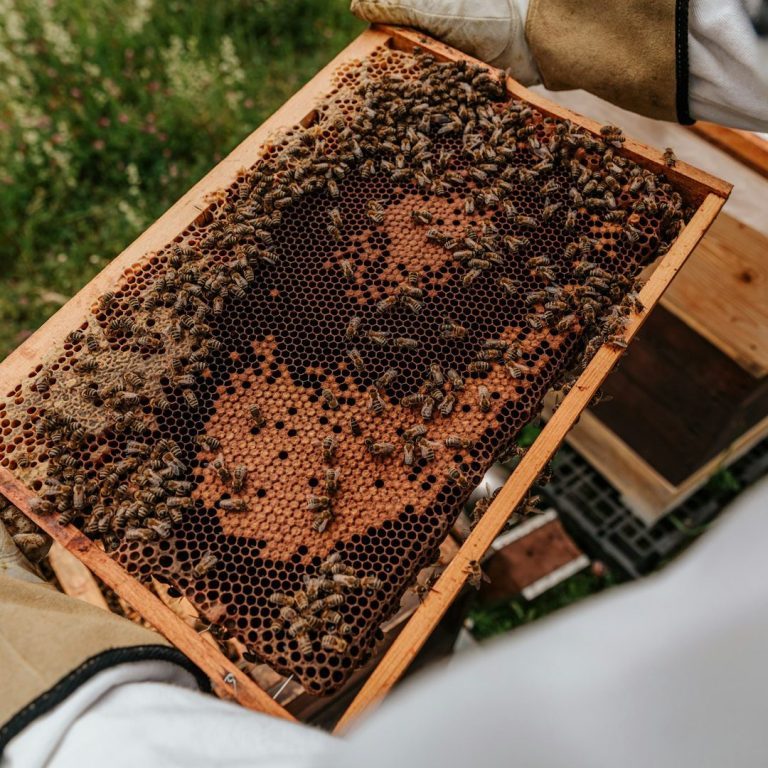
The Mathematics of Efficiency Honeybees build their wax combs in perfect hexagons - the most storage-efficient shape that uses the least wax. It took mathematicians until 1999 to prove what bees knew instinctively.
Mad honey, also known as "deli bal," is a rare type of honey produced from the nectar of rhododendron flowers, containing grayanotoxins that can cause dizziness, hallucinations, and even poisoning if consumed in large amounts. Despite its risks, it has been used traditionally in small doses for its medicinal and psychoactive effects.
Beekeeping: Stewardship, Sweetness, and Sustainability
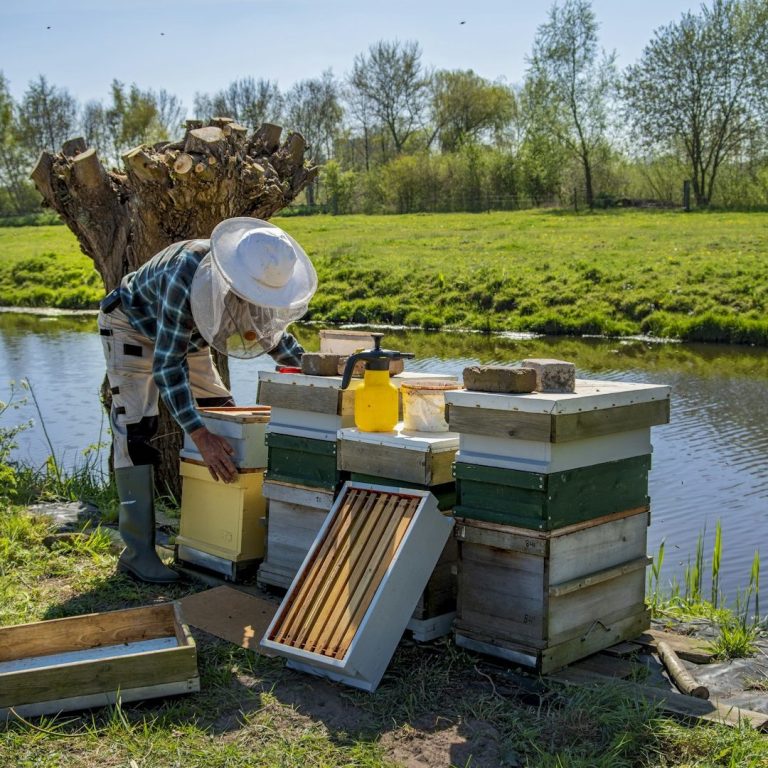
The journey begins with assembling a hive, typically a wooden Langstroth box or a traditional skep, designed to mimic the bees’ natural habitat. Protective gear, a veil, gloves, and smoker, equips the beekeeper to work calmly alongside thousands of industrious insects. Introducing a nucleus colony or capturing a wild swarm marks the start of a symbiotic relationship, where the keeper provides shelter and care while the bees offer pollination and liquid gold: honey.
The Keeper's Calendar
Spring: Monitor brood patterns and prevent swarming
Summer: Add honey supers and watch for pests
Fall: Harvest excess honey (never all!) and prepare for winter
Winter: Provide insulation and emergency feeding if needed
The magic of beekeeping lies in its blend of science and intuition. Hive inspections reveal a mesmerizing world of wax comb, brood patterns, and stored nectar, each frame a testament to the colony’s health and hierarchy. The beekeeper learns to read subtle cues, the queen’s egg-laying rhythm, the workers’ foraging dances, or the guards’ defensive postures, balancing intervention with respect for the bees’ autonomy. Harvesting honey, the season’s climax, requires precision: uncapping comb, spinning frames in an extractor, and filtering the amber flow without disrupting the hive’s winter reserves. Like distilling essential oils or tending a bonsai, beekeeping is a meditation in patience, where rewards are measured in seasons, not days. Beyond honey, it gifts propolis, beeswax, and the quiet satisfaction of safeguarding a keystone species.