
Brewing: Where Science Meets Art in Every Pint
Beer brewing is one of humanity's oldest and most revered crafts, a harmonious blend of biochemistry and creativity that transforms simple ingredients into liquid artistry. For over 7,000 years, brewers have coaxed magic from malted grains, balancing the bitter kiss of hops against the sweet embrace of fermentation. More than just alcohol production, brewing represents a sacred dialogue between brewer and microbe, where humble yeast performs the final alchemy. Each batch carries the fingerprint of its maker: a unique combination of recipe, technique, and passion poured into every glass.
Liquid Bread of Civilization
The earliest chemical evidence of beer dates to 3500 BCE in modern-day Iran, where it was likely safer to drink than water. Babylonian clay tablets detail beer recipes, while medieval monks perfected brewing as a divine craft. The 1516 German Beer Purity Law (Reinheitsgebot) established quality standards still revered today. This rich history reveals beer's role as both daily sustenance and cultural touchstone across millennia: a beverage that shaped agriculture, inspired religions, and fueled human connection.
The Brewer's Rhythm
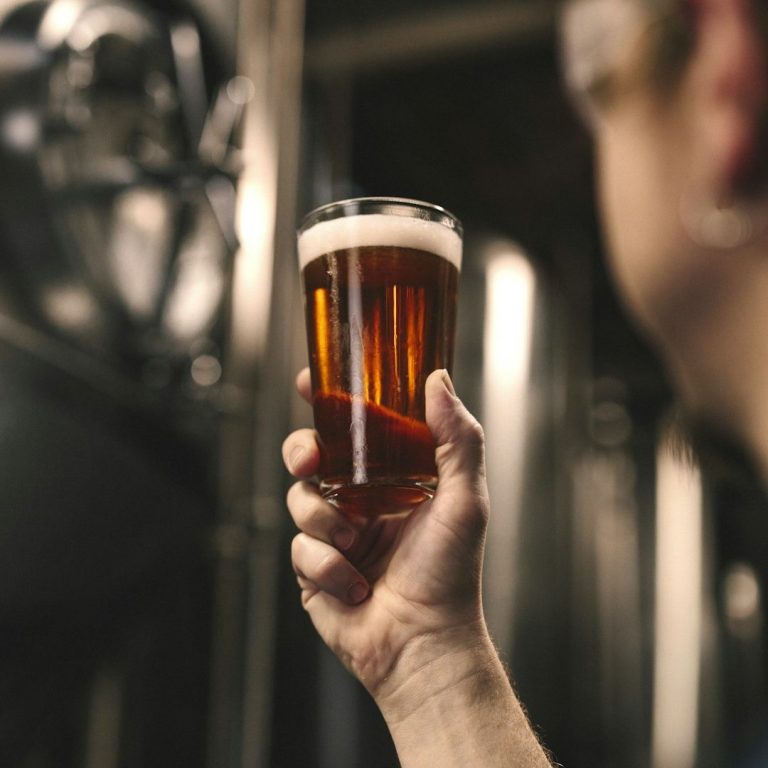
The brewing process follows an ancient cadence that modern technology has refined but never replaced. Mashing converts starches to sugars in a steamy, grain-filled ritual. The boil dances with hop additions timed to the minute. Fermentation bubbles with living energy as yeast transforms wort into beer. For the brewer, this is meditation in motion: part scientist monitoring pH and gravity, part artist adjusting flavors, and part mystic trusting the unseen work of microorganisms. The brewery becomes a temple where patience is the highest virtue and attention to detail the truest doctrine.
From Neolithic Pots to Nano Breweries
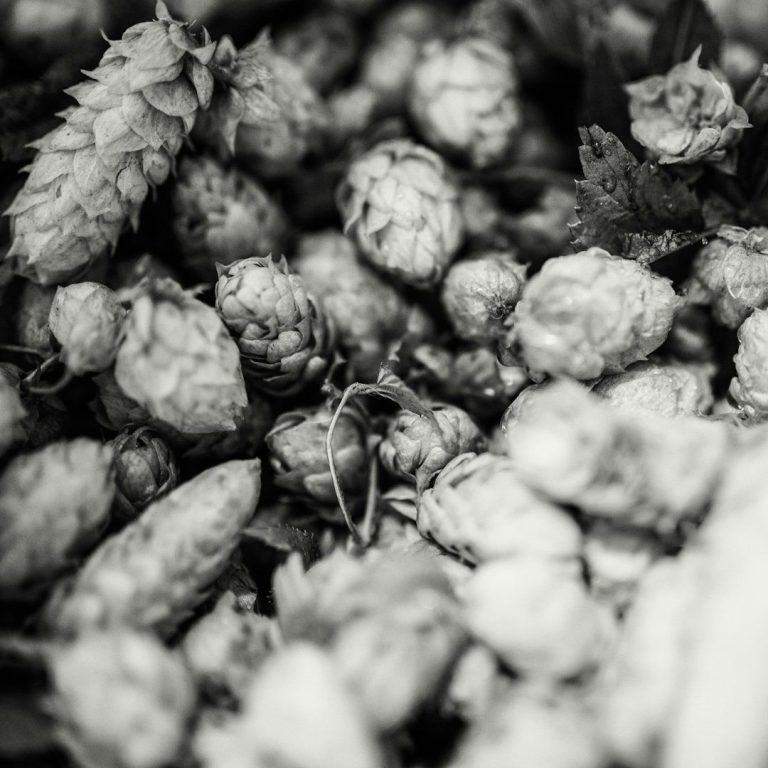
What began as accidental fermentation in ancient Mesopotamian vessels has evolved into a global renaissance of craft brewing. While industrial breweries dominate the market, a new generation of artisans has returned to small-batch traditions, experimenting with forgotten grains, wild yeasts, and bold flavors. Today's breweries serve as community hubs where technology meets tradition, and every IPA, stout, or sour tells a story of innovation rooted in ancient practice.
The Eternal Pint
Brewing beer connects us to our ancestors while fueling modern creativity. In each carefully crafted batch, science and art merge in a tradition that has outlasted empires. As craft brewing continues its global renaissance, it reminds us that some of life's greatest pleasures come from patience, precision, and respect for microbial partners we cannot see but without whom beer would not exist. To brew is to participate in an ancient ritual of transformation: where water becomes wine of the fields, and shared pints become the glue of human connection. In a world of fleeting trends, beer's enduring appeal proves some traditions only grow richer with time.
Fascinating Brewing Facts
The Miracle of Fermentation Louis Pasteur's study of beer yeast in the 1850s led to pasteurization and our understanding of microbiology, proving brewing's contribution to science rivals its culinary impact.
Space-Age Brewing The first beer brewed for space travel (Vostok 4-Pines Stout) was created in 2014 to study carbonation in zero gravity, opening possibilities for extraterrestrial breweries.
Brewing Beer: Tradition, Creativity, and Mastery
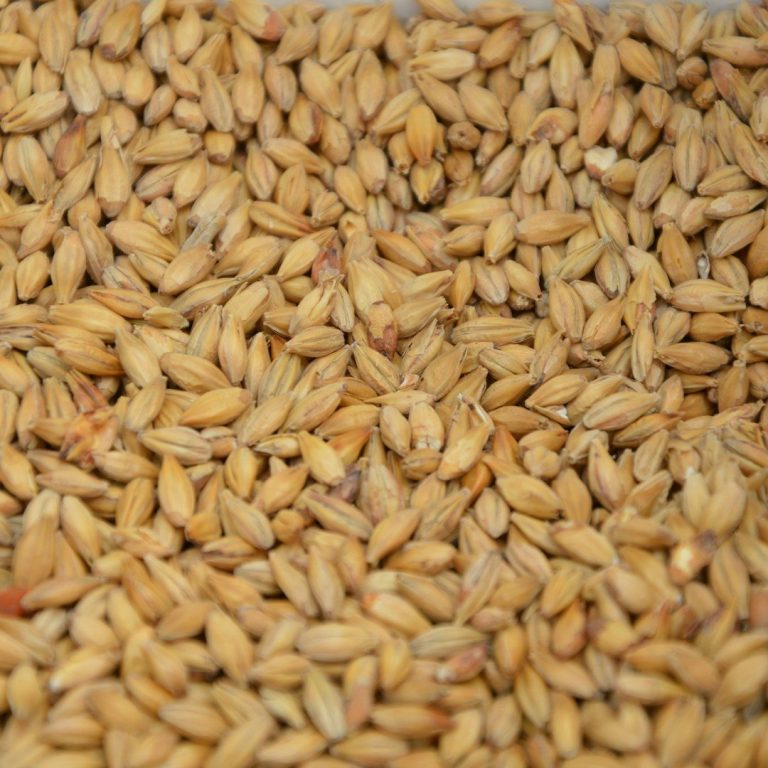
Dating back thousands of years, from Mesopotamian clay tablets to medieval monastic breweries, this craft blends scientific precision with artistic intuition. The process begins with selecting quality ingredients: malted barley (or wheat, rye, or oats) provides fermentable sugars, hops contribute bitterness and aroma, and yeast, the microscopic workhorse, converts sugars into alcohol and carbon dioxide. Water, often overlooked, plays a crucial role, its mineral composition shaping the beer’s character. The brewer’s journey unfolds in stages: mashing, boiling, fermenting, and conditioning. Each step requiring careful control of temperature, timing, and technique.
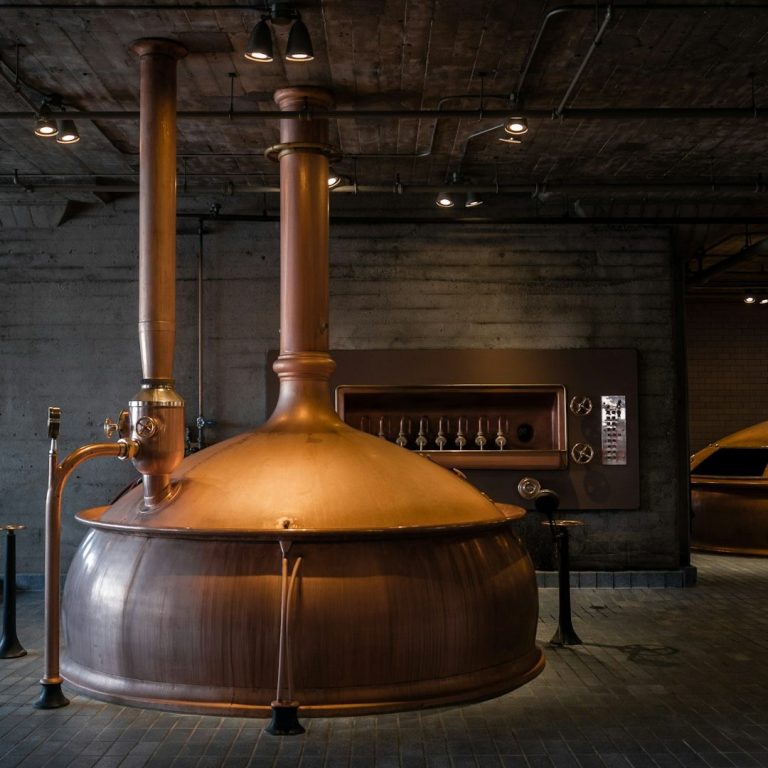
What makes brewing so captivating is its balance of tradition and innovation. Classic styles, like crisp lagers, robust stouts, or hop-forward IPAs, follow time-tested methods, while experimental brewers push boundaries with barrel-aging, wild yeast strains, or unconventional adjuncts like fruit or spices. Like beekeeping or distilling, brewing demands patience and attention to detail; a single misstep in sanitation or fermentation can alter the final product. Yet, it also rewards creativity, allowing the brewer to imprint their vision into every batch. Beyond the chemistry, brewing fosters connection—whether shared in a bustling pub or a quiet home kitchen, beer has long been a catalyst for storytelling and camaraderie.
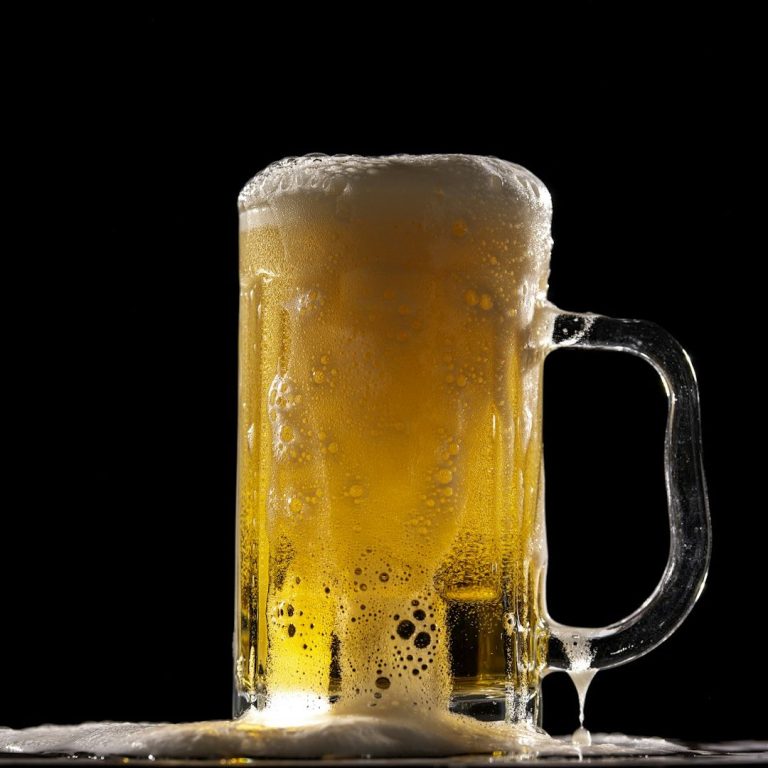
Begin with simple equipment: a large pot, fermenter, thermometer, and hydrometer. Start with an extract kit before advancing to all-grain brewing. Sanitation is sacred: more batches are ruined by contamination than poor recipes. Choose a classic style (pale ale, porter) to master fundamentals before experimenting.
The Four Sacred Stages
Mashing: Activate enzymes to convert grain starches to sugars
Boiling: Sterilize wort and extract hop flavors/aromas
Fermenting: Yeast transforms sugars to alcohol and CO2
Conditioning: Flavors mature and harmonize