The Ancient Art of Bonsai
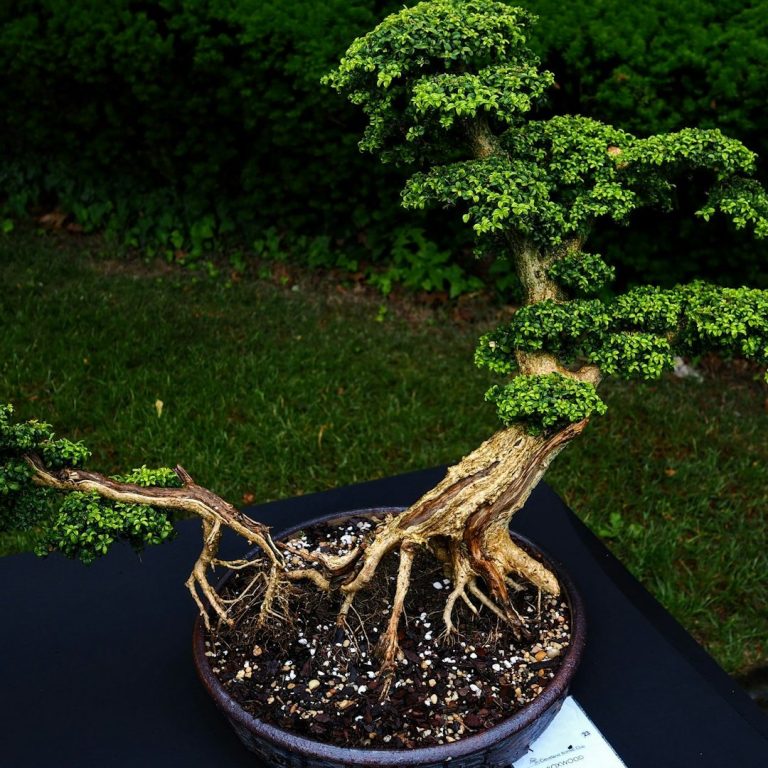
Bonsai, the centuries-old Japanese art of cultivating miniature trees in containers, represents a profound harmony between nature and human creativity. Derived from the Chinese penjing tradition, bonsai (meaning "tray planting") transforms ordinary trees into breathtaking living sculptures through careful pruning, wiring, and nurturing. These tiny trees, ranging from towering pines to delicate maples, capture the essence of their full-sized counterparts while fitting in the palm of your hand. More than just plants, bonsai embody patience, balance, and respect for nature's rhythms.
The Roots of Bonsai
Bonsai's origins trace back over a thousand years to China's Tang Dynasty, where scholars created penjing to symbolize the sacred landscapes of Daoist mythology. By the 12th century, Zen Buddhist monks brought the practice to Japan, refining it into the bonsai tradition we know today. Initially reserved for aristocracy, these "trees in pots" became widespread in the Edo period, evolving into both an art form and a spiritual discipline.
A Meditation in Growth and Form
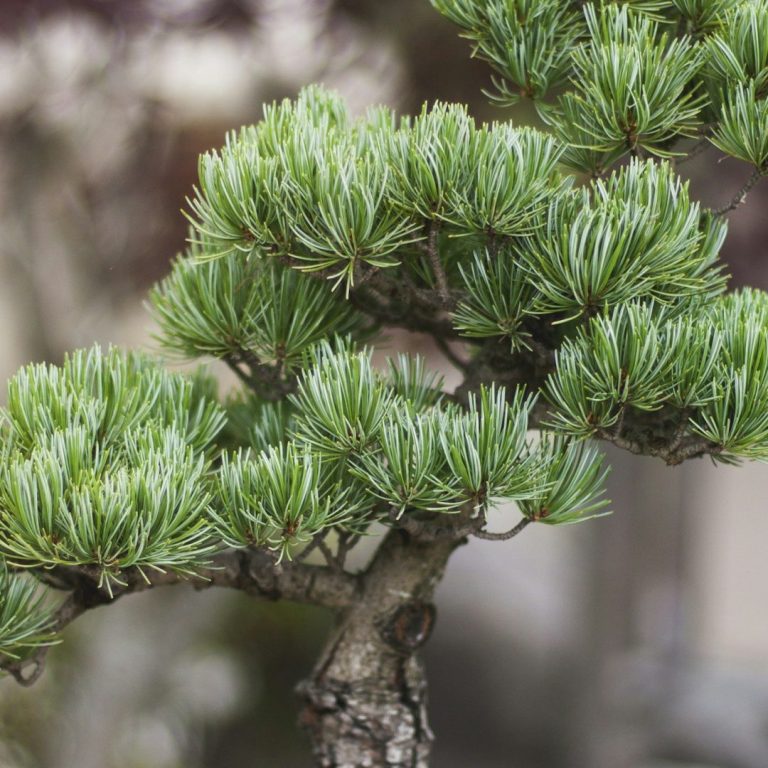
The practice of bonsai is as much about the gardener's personal journey as it is about horticulture. Each snip of the shears and bend of a branch requires mindfulness, as artists shape not just the tree but their own perspective. Traditional styles like moyogi (informal upright) or kengai (cascade) mimic nature's wild forms, telling stories of wind-swept cliffs or ancient forests. The slow progression, some bonsai live for hundreds of years, teaches the value of gradual beauty and intentional living.
A Legacy in a Pot
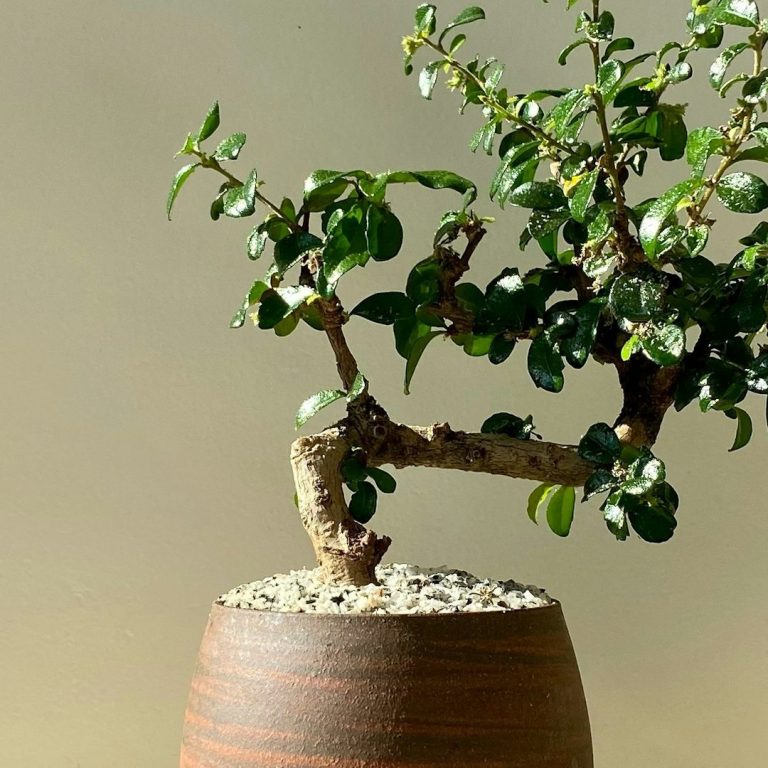
Bonsai care is a delicate dance of science and art. These miniature ecosystems demand precise watering, seasonal repotting, and expert pruning to maintain their scaled-down majesty. Yet, their longevity is remarkable: Japan's Ficus retusa bonsai, for example, has thrived since 1625, witnessing generations of caretakers. Today, bonsai bridges cultures, inspiring urban gardeners and artists worldwide to cultivate patience and find serenity in small, green spaces.
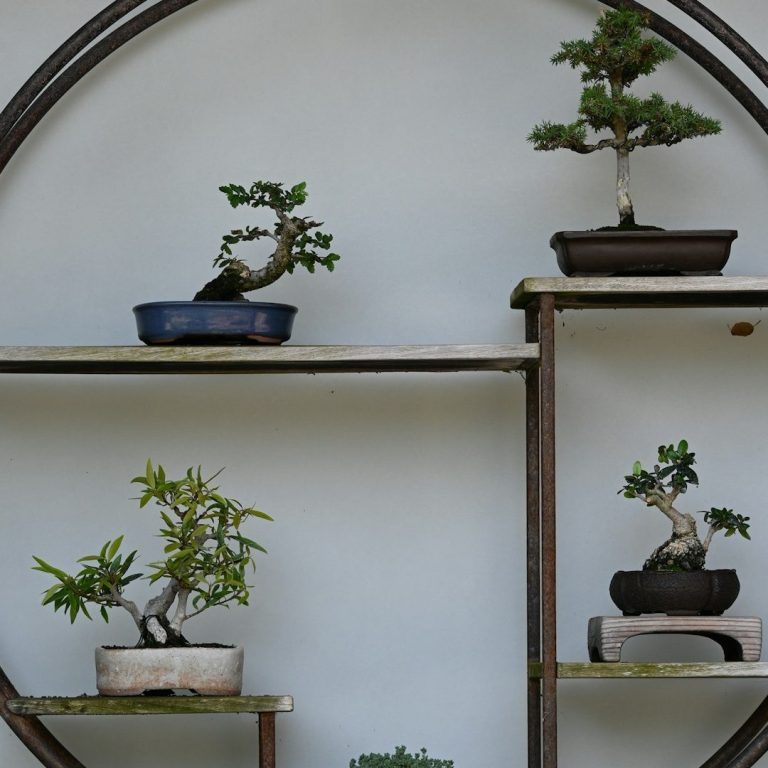
The Endless Lesson of Bonsai
Bonsai teaches that greatness comes in small packages. Each gnarled trunk and asymmetrical branch whispers of resilience, artistry, and the quiet passage of time. In our fast-paced world, tending a bonsai becomes an act of rebellion, a choice to slow down, observe deeply, and nurture something that outlives us. Whether a hobby or a philosophy, bonsai reminds us that the most profound beauty grows from patience and care.
Fascinating Facts About Bonsai
A Living Time Capsule The oldest known bonsai, a Juniperus chinensis, is estimated to be over 1,000 years old and resides in Tokyo's Shunkaen Bonsai Museum.
Space-Traveling Trees In 2021, a bonsai-grown Metasequoia (dawn redwood) seedling orbited Earth aboard the International Space Station, studying plant growth in microgravity.
Crafting Your Own Bonsai
Start by selecting a suitable tree species, such as juniper, maple, or pine, which are commonly used for bonsai due to their adaptability and small leaves. Young nursery plants or pre-bonsai specimens are ideal for beginners.
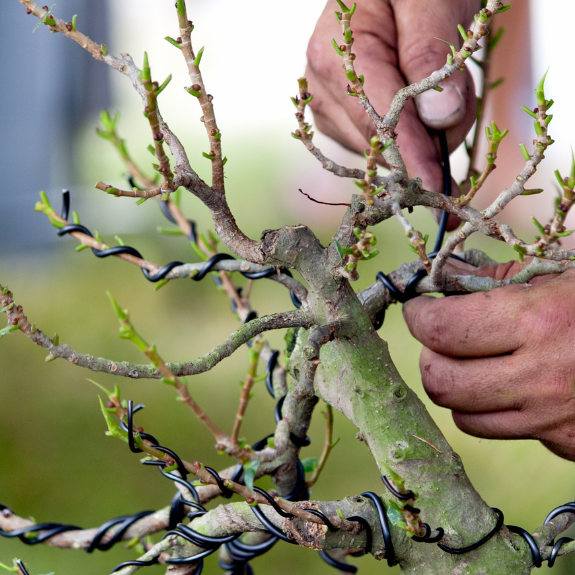
Carefully prune the roots and branches to shape the tree, then repot it in a shallow container with well-draining soil. Shape branches using aluminum wire. Regular watering, proper sunlight, and occasional fertilization are essential for maintaining the tree’s health while keeping it miniature.
The artistry of bonsai lies in training the tree to grow in a desired shape using wiring and selective pruning. Wrap aluminum or copper wire around the branches to gently guide their direction, but avoid leaving wires on for too long to prevent scarring. Over time, your bonsai will develop a unique character, reflecting both nature’s beauty and your personal touch.
The goal isn't to force the tree into submission, but to guide its natural growth, a single bend can take years to perfect.