
Bread Making: From Flour to Loaf
Bread making represents one of humanity's most transformative culinary arts, turning simple ingredients (flour, water, salt, and yeast) into nourishing sustenance. For over 14,000 years, this fundamental craft has sustained civilizations, with each culture developing its own unique expressions through sourdough, flatbreads, and leavened loaves. The baker's process is part science and part intuition, controlling fermentation, developing gluten, and mastering heat to create that perfect crust and crumb. More than just food production, bread making connects us to microbial life, as wild yeasts and bacteria become our invisible kitchen partners.
Civilizations Built on Bread
Evidence from Jordan suggests Natufians were making bread-like products 14,400 years ago, predating agriculture. Ancient Egyptians mastered yeast fermentation, while Roman bakeries supplied entire cities. The Middle Ages saw guilds regulate bread quality, and the Industrial Revolution introduced mechanical milling. This rich history shows how bread making shaped, and was shaped by, human progress, from the development of ovens to the understanding of microbiology.
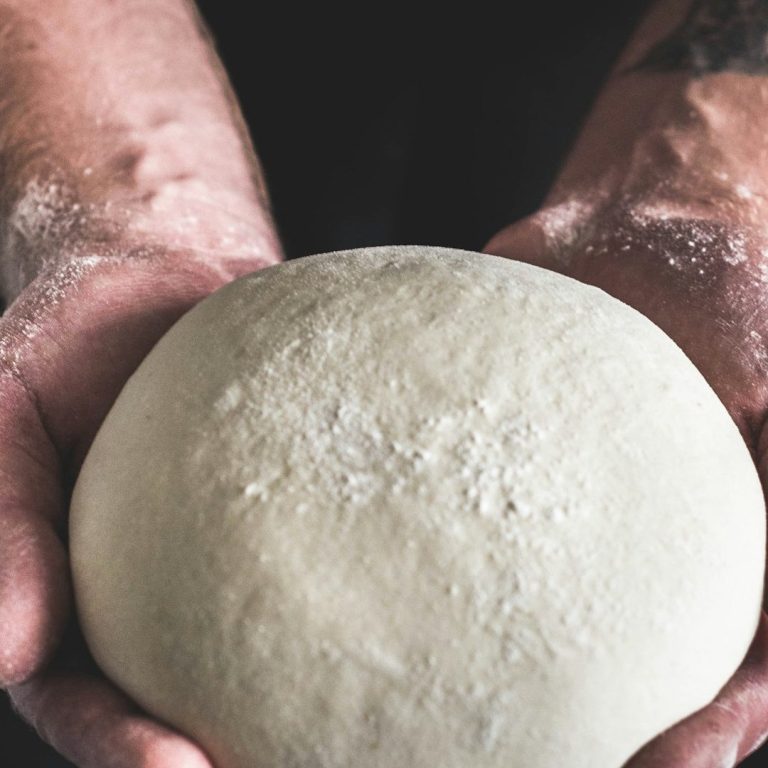
The Rhythm of the Dough
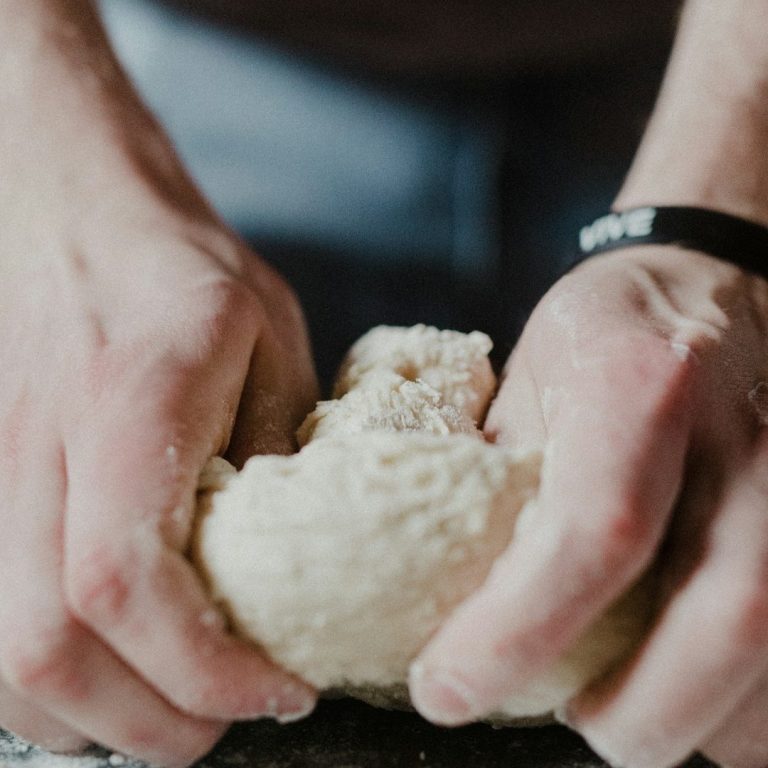
Bread making follows a natural rhythm that teaches patience and presence. The baker learns to read the dough's language, when it needs more kneading, when it's properly proofed, when the oven's heat has worked its magic. This tactile process grounds us in the present moment, from the first sticky mixture to the final aromatic bake. The slow fermentation of traditional methods not only develops flavor but reminds us that some transformations can't be rushed, a counterpoint to our instant-gratification world.
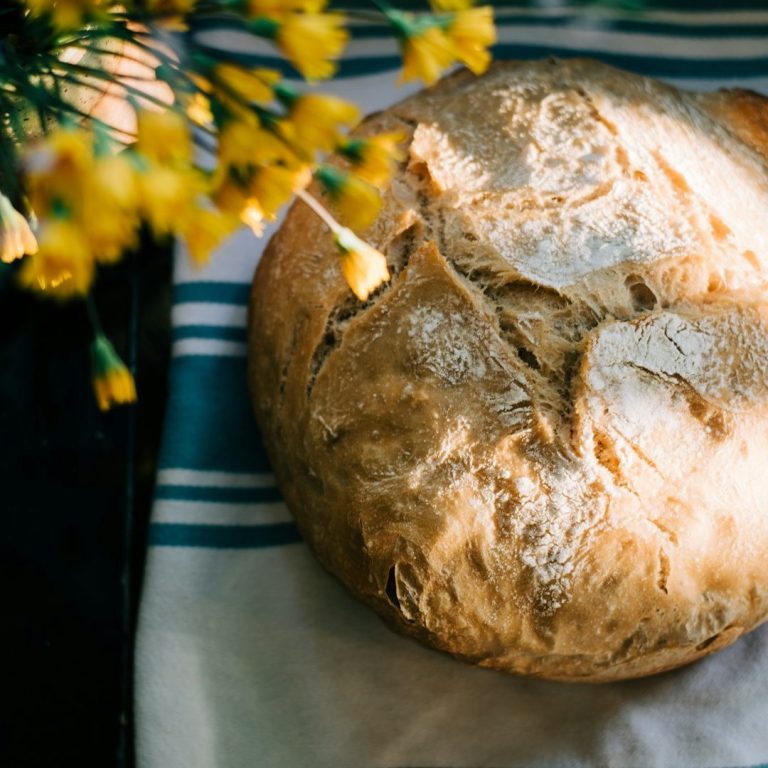
From Hearth to Heart
What began as simple flatbreads baked on stones has evolved into an art form spanning baguettes, bagels, and brioche. While industrial bakeries dominate supermarket shelves, a renaissance of artisanal baking has returned to traditional techniques. Home bakers now seek the satisfaction of crafting loaves by hand, discovering that bread making nourishes both body and soul. In our era of processed foods, homemade bread stands as a testament to authenticity and craftsmanship.
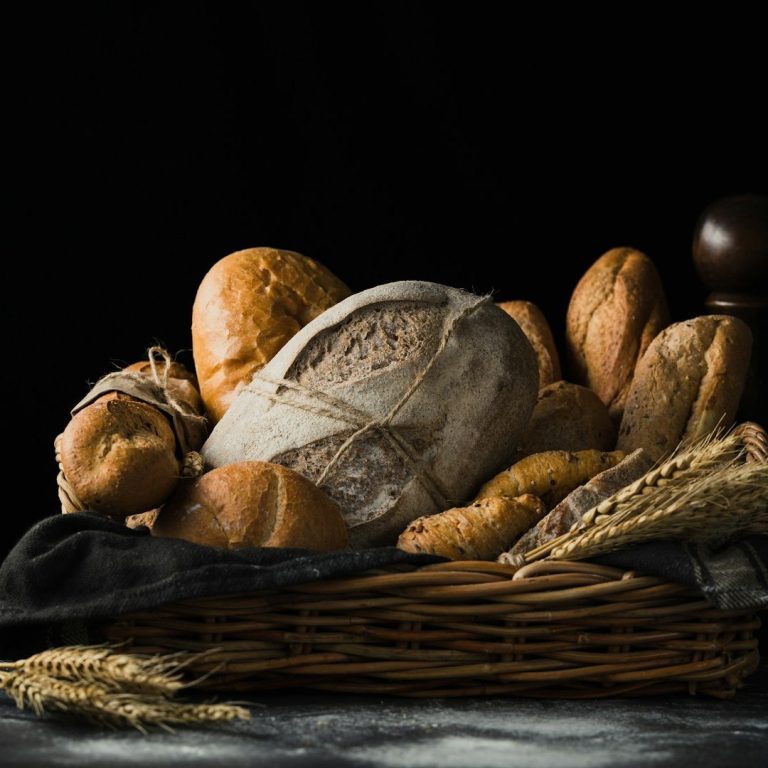
Breaking Bread Together
Bread making connects us to our most fundamental human traditions while offering endless creative possibilities. Each loaf carries the imprint of its maker, the care in folding, the patience in waiting, the joy in sharing. In our fragmented modern world, the simple act of breaking bread retains its ancient power to nourish both body and community. To bake bread is to participate in a timeless ritual, one that transforms humble ingredients into something greater than the sum of its parts, a daily miracle we can all create with our own hands.
Fascinating Bread Facts
The Miracle of Sourdough A 4,500-year-old Egyptian sourdough starter was recently revived, proving these microbial communities can outlast civilizations when properly maintained.
Space Bread Astronauts on the International Space Station baked the first bread in microgravity in 2019, using a specially designed oven to study cooking in space.
The Science and Soul of Sourdough
Sourdough breadmaking is a dance between wild yeast, bacteria, and baker, a living process that blends microbiology with artistry. Unlike commercial yeast, a sourdough starter is a fermented ecosystem, a mix of flour and water that captures local microbes, each contributing to the bread’s unique tang and texture. Maintaining a starter is a commitment: it must be fed, watched, and nurtured like a pet, its bubbles and aroma signaling health. When mixed into dough, the starter begins its slow work, breaking down starches into sugars, producing gases that lift the loaf, and acids that develop flavor over hours, sometimes days, of fermentation.
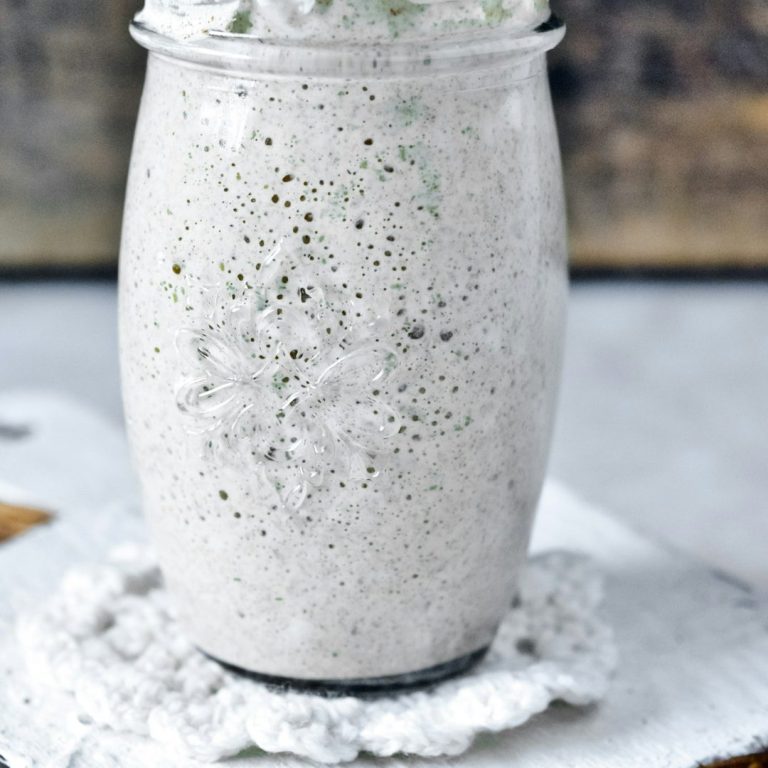
What makes sourdough special is its depth. The longer fermentation not only enhances taste but also improves digestibility, as enzymes predigest gluten and phytic acid. Shaping requires a gentle touch to preserve the delicate air pockets, while scoring the loaf’s surface with a razor (a baker’s signature) controls expansion in the oven. The bake itself is transformative: a steamy environment creates a blistered, caramelized crust, while the crumb sets into an irregular, honeycombed structure.
Beginning Your Bread Making
Start with a simple no-knead recipe or classic French boule. Invest in a kitchen scale, bench scraper, and Dutch oven. Learn to trust your senses more than strict timetables, dough responds to temperature, humidity, and touch.
8. The Four Essential Transformations
Mixing: Hydrating flour and developing gluten
Fermentation: Yeast and bacteria creating flavor
Shaping: Developing structure and tension
Baking: The final magical transformation