Candles: Crafting Light from Wax and Wicks
Candle making is an ancient craft that transforms simple materials into sources of warmth, light, and ambiance. From early civilizations using animal fats to modern artisans working with soy wax and essential oils, candles have evolved from practical necessities to decorative and therapeutic objects. The process of melting, pouring, and scenting wax is both scientific and artistic, allowing makers to experiment with colors, textures, and fragrances. More than just illumination, handmade candles symbolize comfort, celebration, and the human desire to create light in darkness.
The History of Candle Making
Candles date back to 500 BCE, when ancient Egyptians used rushlights dipped in animal fat. The Romans improved wicks for longer burns, while medieval Europeans relied on beeswax candles for church ceremonies, often too costly for common households. The 19th century brought paraffin wax and mechanization, democratizing candle use. Today, the revival of handcrafted candles merges historical techniques with modern creativity, proving this ancient craft still burns bright.
A Dance of Wax and Flame
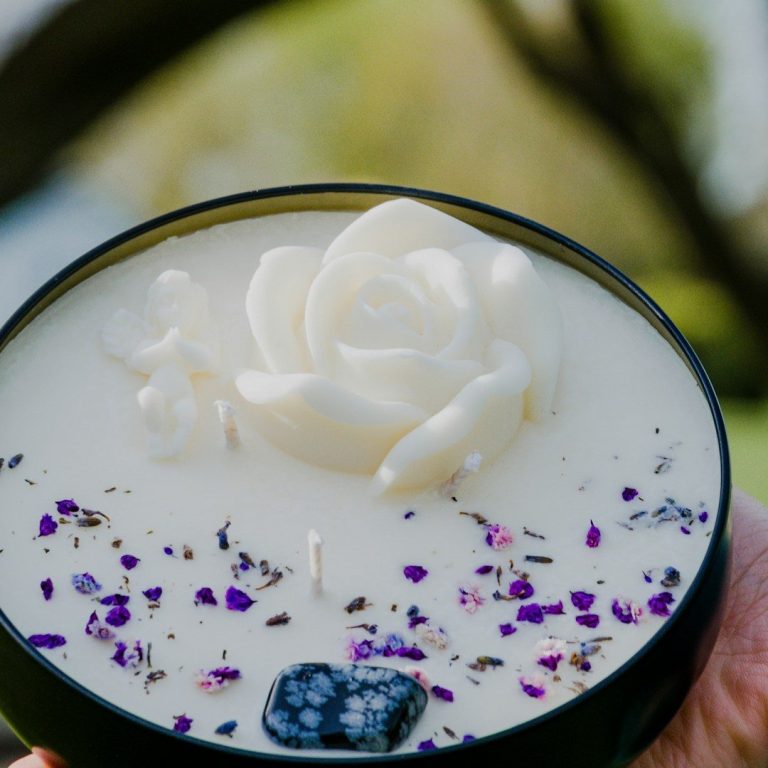
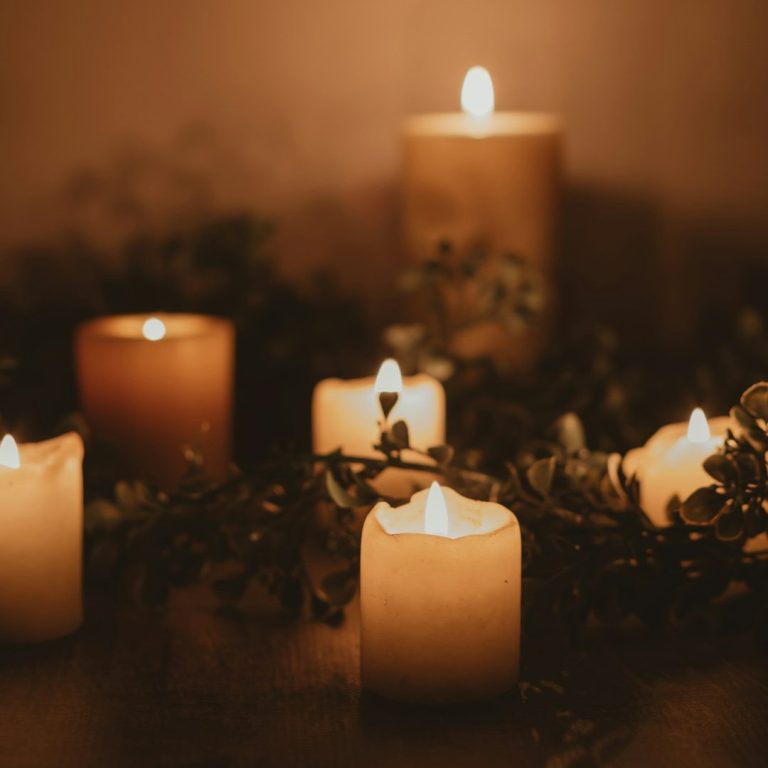
The magic of candle making lies in its balance of precision and creativity. Choosing the right wax, beeswax, paraffin, soy, or coconut, affects burn time and scent throw, while wick selection determines flame size and stability. Adding dyes, dried flowers, or layered designs turns each candle into a unique work of art. The rhythmic process of heating, stirring, and pouring becomes almost meditative, rewarding patience with a tangible, glowing result. Whether crafting votives for relaxation or bold statement pillars for decor, candle making blends functionality with personal expression.
Light with Purpose
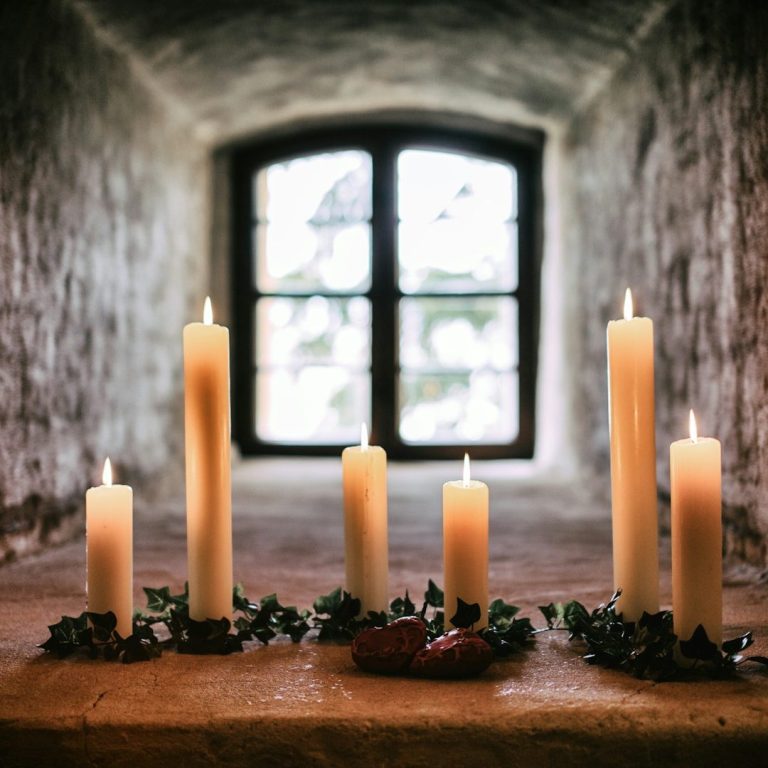
Beyond aesthetics, candles serve roles in rituals, aromatherapy, and sustainable living. Beeswax candles purify the air, soy wax is renewable, and essential oil blends can uplift or calm the mind. Hand-poured candles also reduce waste compared to mass-produced alternatives, appealing to eco-conscious consumers. In a world of electric lights, handmade candles reconnect us to tradition, turning everyday moments, like a bath or dinner, into sensory experiences.
Lighting the Way Forward
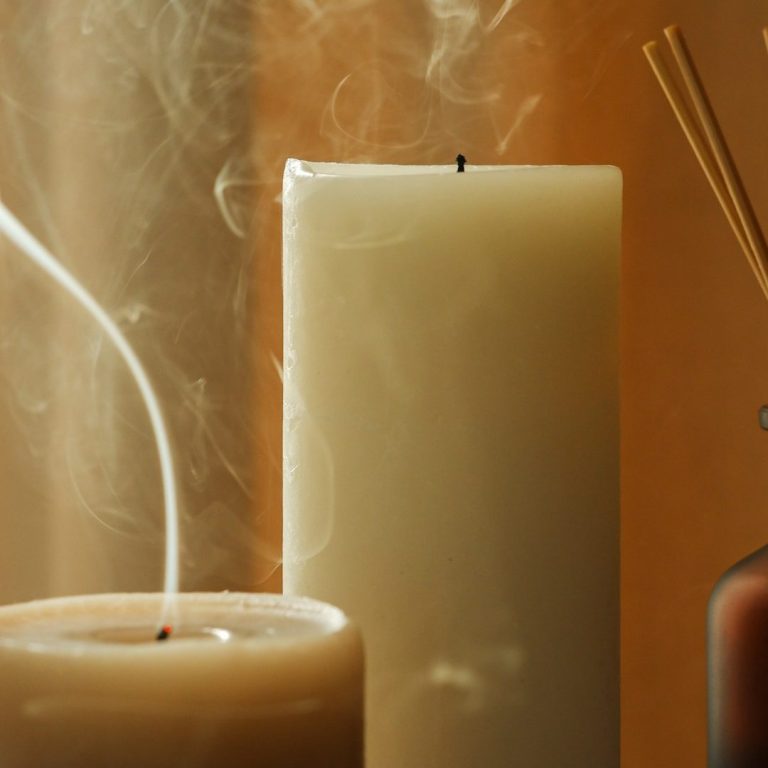
Candle making is more than a hobby, it’s a bridge between past and present, science and art. Each hand-poured candle carries the maker’s intention, whether for relaxation, celebration, or simple beauty. In our fast-paced, digital age, the act of crafting light from raw materials grounds us, offering a flickering reminder of creativity’s enduring power. To make a candle is to hold a tiny sun in your hands, proving that even the oldest crafts can still spark joy.
Fascinating Facts About Candles
A Royal Demand King Louis XIV of France adored beeswax candles so much that his palace required 20,000 per year, each hand-rolled and perfumed with floral essences.
Space-Age Candles NASA studied candle flames in microgravity, revealing they burn as tiny blue spheres—a far cry from Earth’s teardrop shapes.
Crafting Your Own Candles
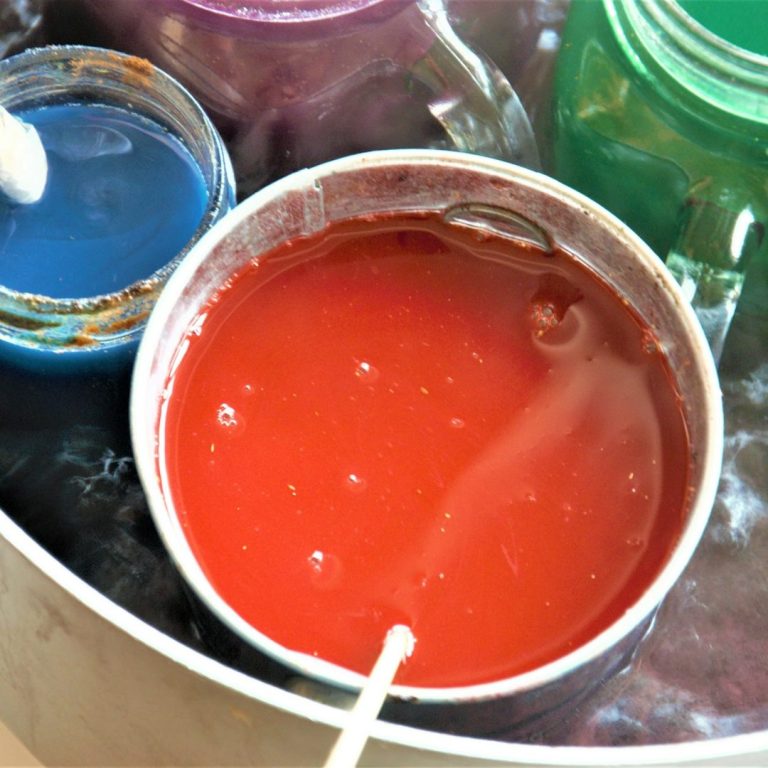
Creating your own candles is a fulfilling endeavor that merges scientific precision with artistic expression. The process begins with selecting the right wax, such as soy, beeswax, or paraffin, each offering distinct burn qualities and aesthetic appeal. Wicks, chosen based on thickness and material, must complement the wax type to ensure an even, smoke-free burn. Fragrance oils or essential oils and dyes can be added for scent and color, though their ratios must be carefully measured to avoid affecting the candle’s performance. Melting the wax requires controlled, indirect heat, typically using a double boiler, to prevent overheating or fire hazards. Once melted, additives are blended in, and the liquid wax is carefully poured into prepped containers or molds, with the wick centered and secured..
The true artistry of candle making lies in the finishing touches and curing process. As the wax cools, it may develop imperfections like sinkholes or frosting, which can be remedied with a second pour or heat gun. Proper curing, usually over several days, enhances the candle’s scent throw and burn quality. Beyond functionality, handmade candles offer endless creative possibilities, layered colors, embedded objects, or custom shapes, making each piece unique. Much like soap making or bonsai cultivation, candle making rewards patience and attention to detail, transforming simple materials into a product that is both practical and deeply personal. Whether for relaxation, decoration, or gifting, a handcrafted candle carries the warmth of its maker’s care.