
Cheese: Transforming Milk into Timeless Delight
Cheese making is one of humanity's oldest and most magical food transformations, a process that turns simple milk into countless varieties of delicious, preserved dairy. For over 7,000 years, cheese makers have harnessed the power of bacteria, enzymes, and time to create everything from fresh farmer's cheese to aged Parmigiano-Reggiano. More than just food production, cheese making represents a perfect collaboration between human ingenuity and microbial activity, where milk's potential is unlocked through careful observation and controlled spoilage. Each wheel, block, or round carries the taste of its terroir: the grass the animals ate, the minerals in the water, and the unique microorganisms in the air.
Civilizations Built on Cheese
Evidence of early cheese making dates to 5500 BCE in what is now Poland. Ancient Egyptians buried cheese with pharaohs, Roman legions carried it as provisions, and medieval monasteries perfected aging techniques. The 1857 discovery of pasteurization by Louis Pasteur (while studying wine and beer) revolutionized cheese safety. This rich history shows how cheese traveled with human civilization: nourishing explorers, inspiring trade routes, and becoming embedded in cultural identities worldwide.
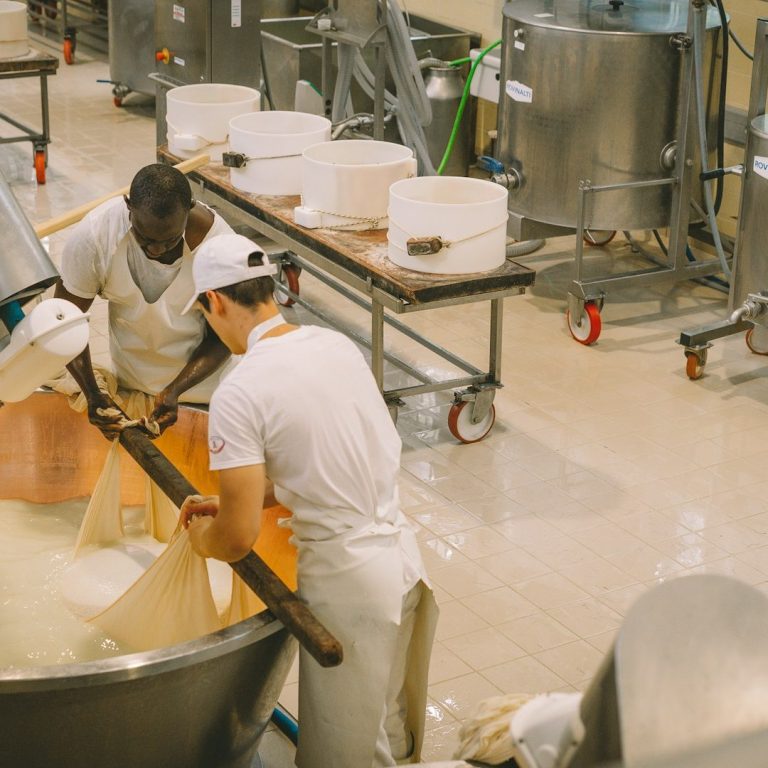
The Cheese Maker's Rhythm
The cheese making process follows a natural rhythm that balances science with intuition. Milk is gently warmed, cultures are added like a baker's starter, and rennet works its magic to separate curds from whey. The cheese maker's hands shape the future texture: whether stirring curds for a cheddar, stretching for mozzarella, or pressing for a firm gouda. Aging then becomes a patient art, as cheeses develop character in caves or climate-controlled rooms. For the artisan, this is part chemistry experiment, part sensory journey, and part meditation on slow food in a fast world.
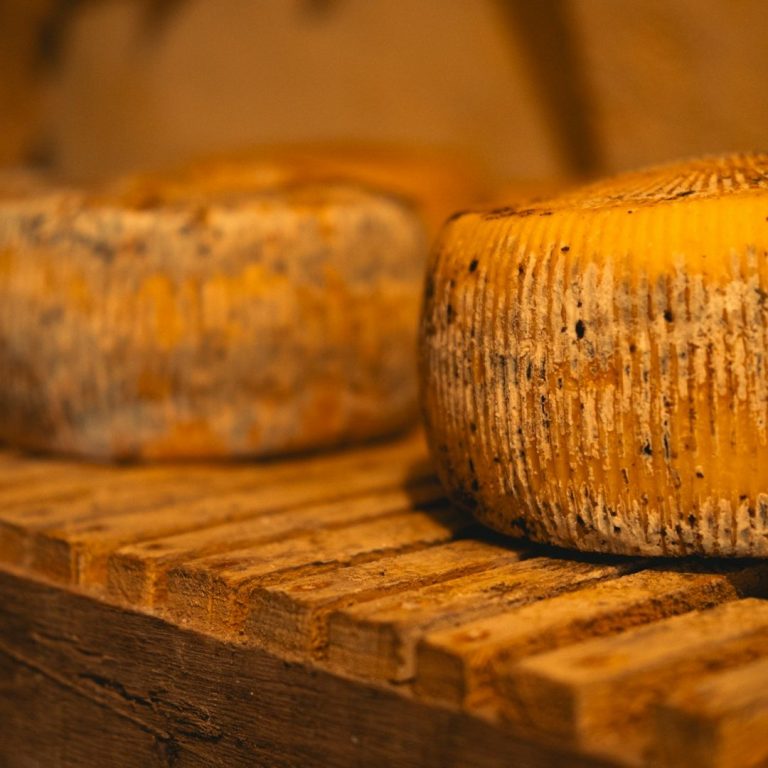
From Accident to Art Form
Legend says cheese was discovered when milk stored in an animal stomach (containing natural rennet) accidentally curdled. Today, what began as a method of milk preservation has blossomed into a global artisanal renaissance. While industrial producers dominate supermarket shelves, small batch cheese makers are reviving ancient techniques and creating innovative new varieties. Each cheese tells a story: of pasture and herd, of maker's tradition and creativity, and of microbial communities as unique as fingerprints.
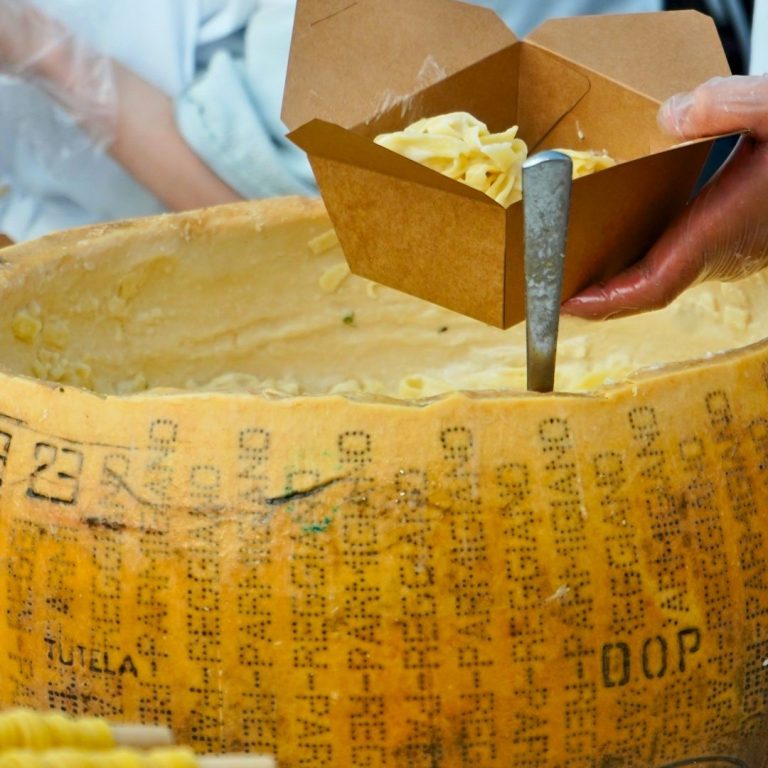
Culture in Every Sense
Cheese making connects us to our nomadic ancestors while inspiring modern culinary innovation. In each carefully crafted batch, science and tradition merge to create something greater than its parts. As artisanal cheese making flourishes worldwide, it reminds us that some of life's greatest pleasures come from patience and partnership with invisible microbial allies. To make cheese is to participate in an ancient ritual of transformation: where milk becomes a medium for cultural expression, and simple ingredients become objects of desire. In our era of instant gratification, cheese stands as a testament to the beauty of slow transformation and the delicious rewards of waiting.
Fascinating Cheese Facts
The Microbial Masterpiece The blue veins in Roquefort come from Penicillium roqueforti mold originally found in French caves. Today, cheese rinds contain more diverse microbial ecosystems than a rainforest floor.
Space-Age Fromage In 2021, astronauts made the first cheese in space (a semi-hard variety) aboard the International Space Station, studying how microgravity affects fermentation processes.
Cheese Making: Crafting Flavor, Tradition, and Terroir
Cheese making is an ancient craft that transforms simple milk into a symphony of textures and flavors, blending microbiology, patience, and artistry. The process begins with quality milk, whether from cows, goats, sheep, or buffalo, its composition and diet influencing the cheese’s final character. Heat and cultures are introduced to sour the milk, followed by rennet, an enzyme that coagulates it into curds. The curds are then cut, stirred, and pressed, expelling whey and beginning the transformation into cheese. Salt, applied by brining or rubbing, enhances flavor and acts as a preservative, while aging, from days to years, allows enzymes and microbes to work their magic, developing complexity in taste and texture.
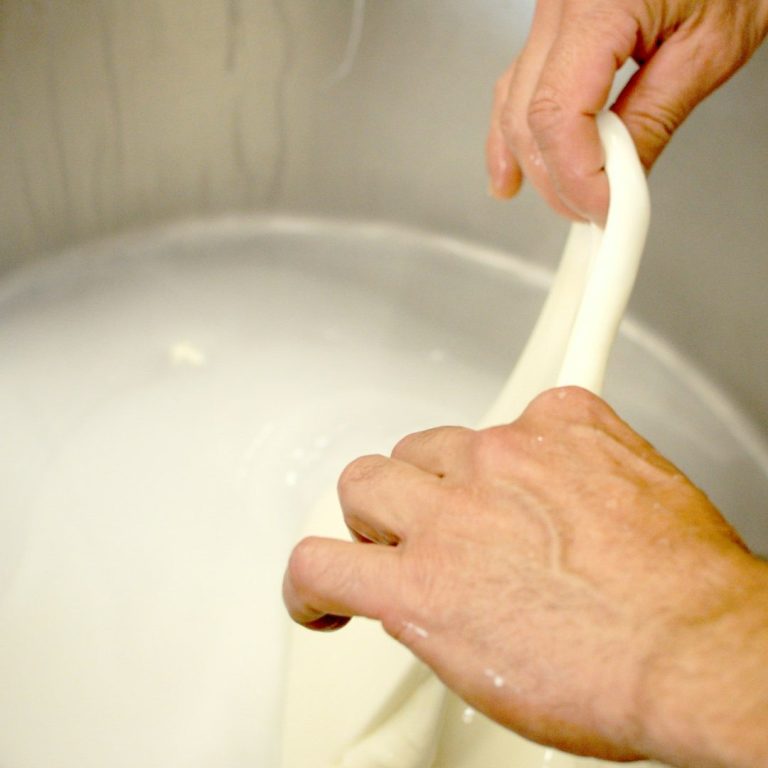
What makes cheese making so mesmerizing is its interplay of control and spontaneity. Each step, from curd handling to aging conditions, requires precision, yet the process also embraces the unpredictable beauty of natural fermentation. Artisans craft fresh cheeses like ricotta with gentle care, while aged varieties such as Parmigiano-Reggiano or Roquefort demand years of attentive aging in carefully controlled environments. Like brewing or beekeeping, cheese making is a dialogue with nature; the terroir, the soil, climate, and microbial flora, imprints itself into every batch, creating flavors as distinct as their origins. Beyond science, it’s a craft of intuition, where the maker’s touch turns milk into something transcendent.
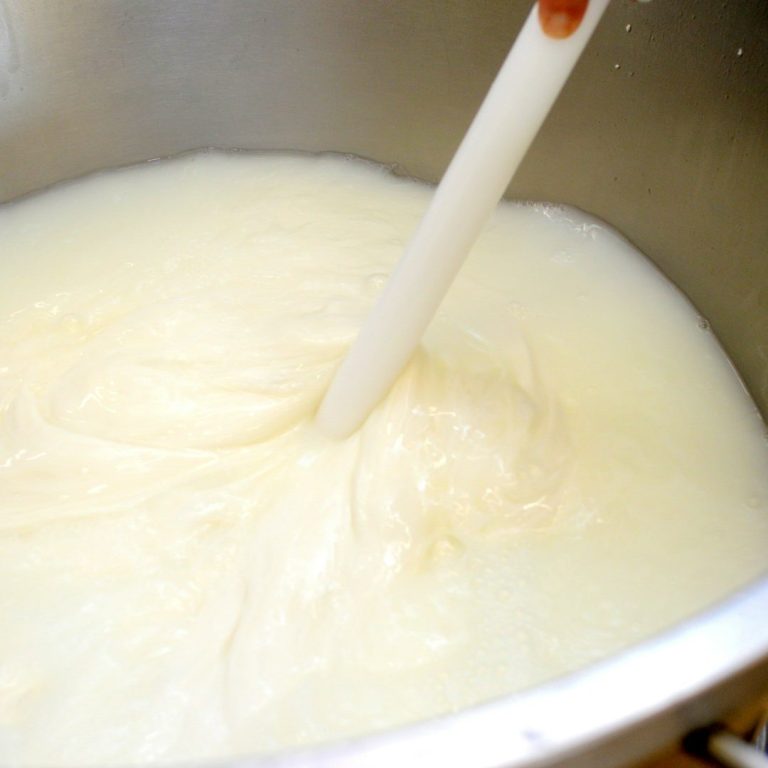
Starting Simple
Begin with fresh cheeses like ricotta or paneer that require no special cultures or aging. Invest in a good thermometer, cheese cloth, and quality milk (preferably non-homogenized). Sanitation is crucial: clean as meticulously as a surgeon. Try a basic mozzarella before attempting aged varieties.
The Four Essential Transformations
Acidification: Cultures convert lactose to lactic acid
Coagulation: Rennet or acids solidify milk proteins
Draining: Whey is separated from curds
Aging: Time and environment develop flavor and texture