Decoupage: The Craft of Paper and Imagination
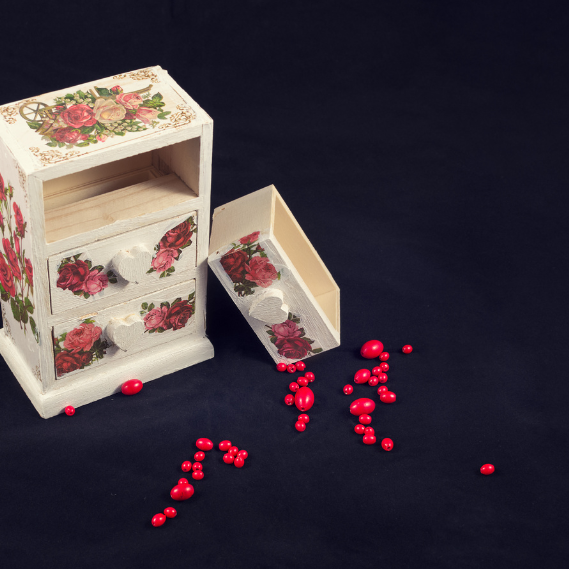
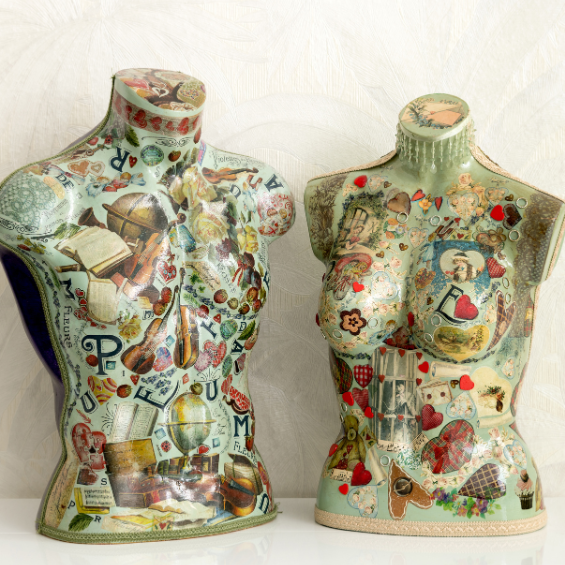
Decoupage is the enchanting art of transforming ordinary objects into extraordinary works of art by layering paper cutouts and sealing them with adhesive. Originating from the French word découper, meaning "to cut out," this versatile craft allows anyone to upcycle everyday items, from furniture to glass jars, into personalized masterpieces. With just paper, glue, and creativity, decoupage bridges the gap between simplicity and sophistication, proving that beauty can be crafted from the most humble materials.
An Art Born in Royal Courts
Decoupage’s roots trace back to 12th-century China, where artisans layered paper onto windows and lanterns. By the 17th century, it flourished in Europe as a cheaper alternative to hand-painted furniture. Venetian craftsmen perfected lacca povera ("poor man’s lacquer"), using intricate cutouts to mimic expensive Asian lacquerware. Even Marie Antoinette practiced decoupage, adorning her belongings with floral motifs. Today, the craft remains beloved worldwide, a blend of historical elegance and contemporary DIY spirit.
A Meditative Dance of Scissors and Glue
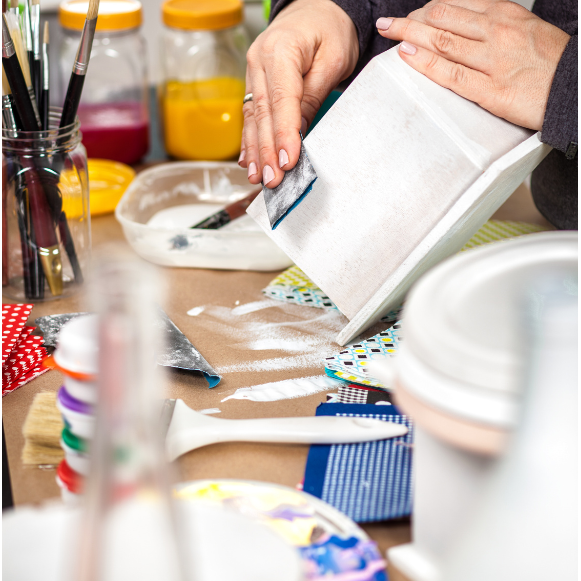
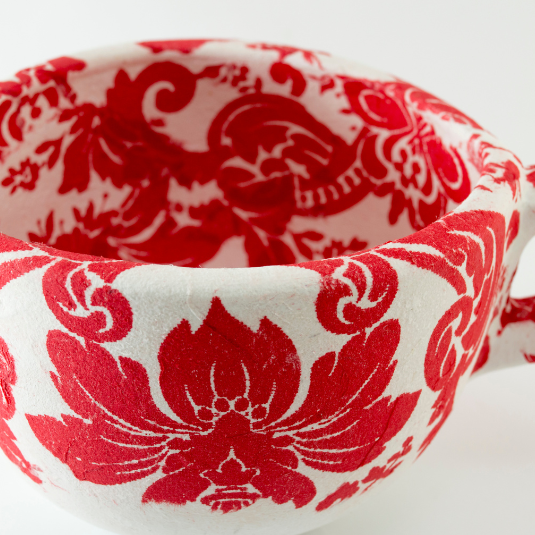
The process of decoupage is as soothing as it is rewarding. Selecting images, carefully cutting them out, and arranging them on a surface requires focus and patience, turning the craft into a mindful escape. Whether using vintage book pages, floral napkins, or handmade designs, each layer tells a story. The final step, sealing with varnish or Mod Podge, creates a smooth, durable finish that mimics hand-painted artistry. For many, decoupage becomes more than a hobby; it’s a way to breathe new life into forgotten objects and preserve memories in a tactile, visual form.
From Trash to Treasure
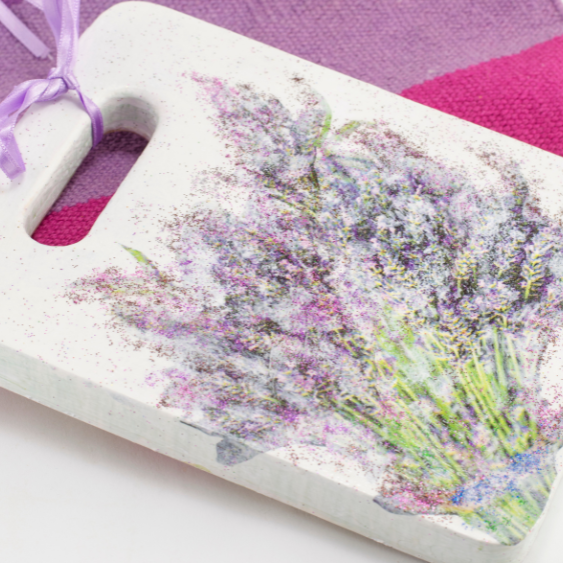
Decoupage champions sustainability by repurposing discarded items into functional art. A chipped tray becomes a vintage-inspired heirloom; a plain notebook transforms into a travel journal filled with maps and postcards. The craft also adapts to modern trends, such as digital prints or 3D decoupage, where layered elements create depth. In a world of mass-produced decor, handmade decoupage stands out, a testament to individuality and the joy of creating something uniquely yours.
More Than Paper and Glue
Decoupage is a celebration of creativity’s endless possibilities. It teaches us to see potential in the mundane and to craft beauty with our own hands. In a digital age, this tactile art offers a nostalgic return to slowing down, experimenting, and leaving a personal mark on the world, one glued piece at a time. To decoupage is to weave stories into objects, ensuring they’re not just seen, but cherished.
Fascinating Facts About Decoupage
A Star-Studded History Pablo Picasso and Henri Matisse experimented with decoupage, using cut paper to plan paintings and create standalone artworks like Matisse’s iconic Blue Nudes.
Space-Age Decoupage Astronauts aboard the International Space Station have used decoupage techniques to personalize their living quarters, adhering photos and mementos in zero gravity.
Crafting Your Own Candles
Decoupage is a timeless craft that combines creativity with meticulous technique, allowing everyday objects to be transformed into personalized works of art. The process involves adhering carefully cut paper or fabric designs to a surface, such as wood, glass, or ceramic, using layers of adhesive and sealant. Beginners can start with simple materials like decorative napkins, magazine clippings, or specialty decoupage paper, along with a quality glue medium such as Mod Podge. Proper surface preparation is essential; sanding and priming ensure smooth adhesion, while a base coat of paint can enhance the final appearance. Once the design is arranged and glued, gentle smoothing eliminates air bubbles, and multiple layers of sealant protect the artwork from wear while adding a polished finish.
The beauty of decoupage lies in its versatility and room for artistic experimentation. Different techniques, such as layering, aging with stains, or incorporating three-dimensional elements, can create varied effects, from vintage charm to modern elegance. Whether reviving a tired piece of furniture, embellishing a jewelry box, or crafting handmade gifts, decoupage allows for endless customization. Like candle making or bonsai cultivation, it rewards patience and precision, as each layer must dry thoroughly before the next is applied. The result is a unique, handcrafted piece that blends functionality with artistry, proving that even the simplest objects can become extraordinary with vision and care.