Dream Catcher: Weaving Protection and Tradition
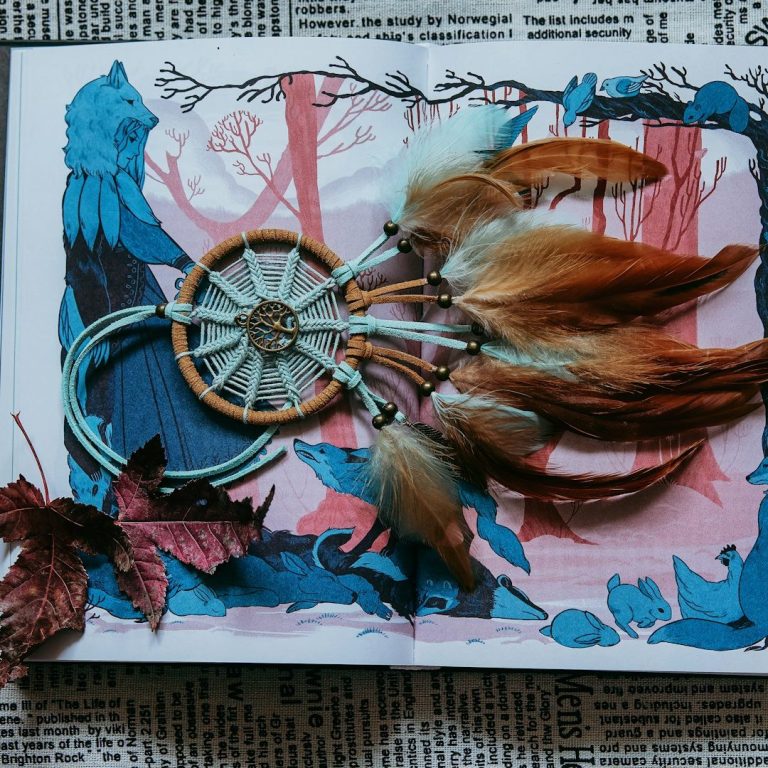
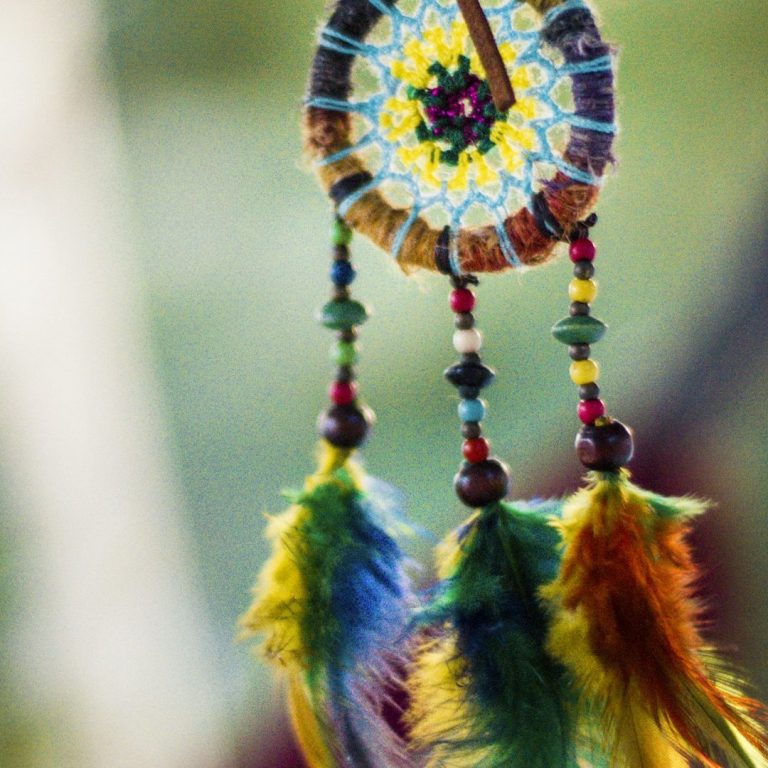
Dream catchers are more than decorative ornaments, they are sacred objects rooted in Indigenous tradition, believed to filter dreams and protect the spirit. Originating from the Ojibwe people, these handwoven hoops adorned with feathers and beads carry deep cultural significance. Crafting a dream catcher is not just an artistic process but a spiritual practice, intertwining intention, symbolism, and reverence for nature. Each knot, each bead, and each feather is chosen with care, transforming simple materials into a guardian of the night.
The Origins of the Dream Catcher
According to Ojibwe legend, the dream catcher originated with Asibikaashi (Spider Woman), a protective spirit who wove webs to catch bad dreams and let only good visions pass through to children. Grandmothers and mothers later recreated these webs with willow hoops and sinew, passing down the craft through generations. As the tradition spread among other Indigenous nations, variations emerged, but the core belief in their protective power remained.
The Meditation of the Weave
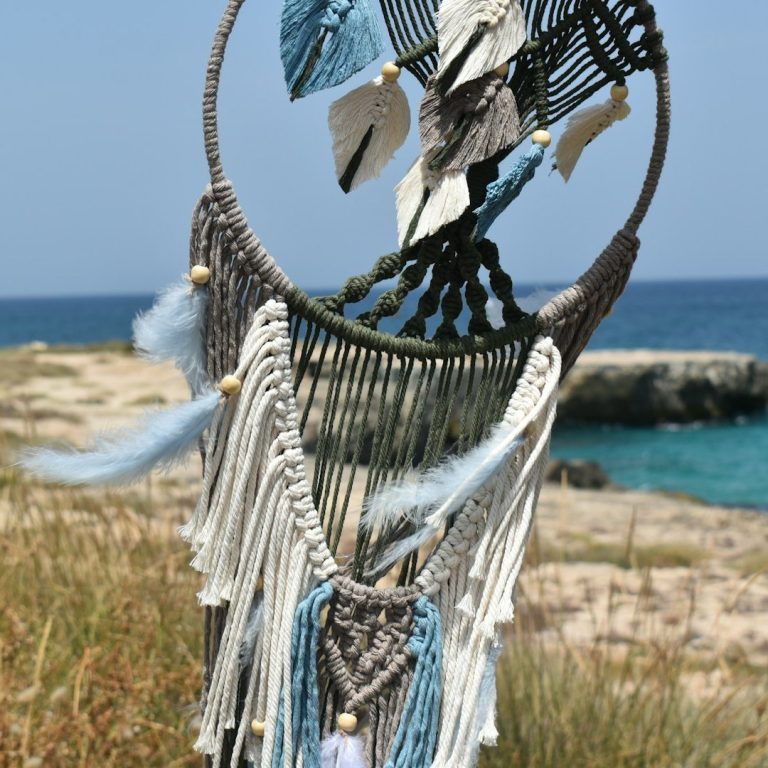
The process of making a dream catcher is rhythmic and meditative, much like knitting or weaving. As the thread winds around the hoop in an intricate web, the maker focuses on their purpose, whether for protection, healing, or connection to ancestors. The repetitive motion of looping and tying creates a sense of calm, grounding the crafter in the present moment. For many, the act of making a dream catcher is as meaningful as its final form, a tangible reminder of patience and mindfulness.
From Tradition to Modern Artistry
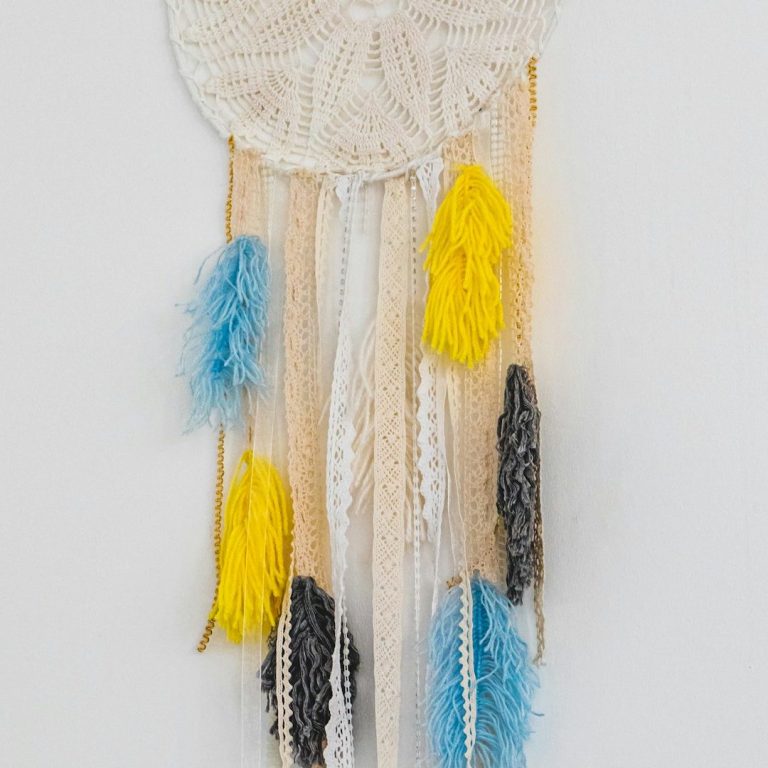
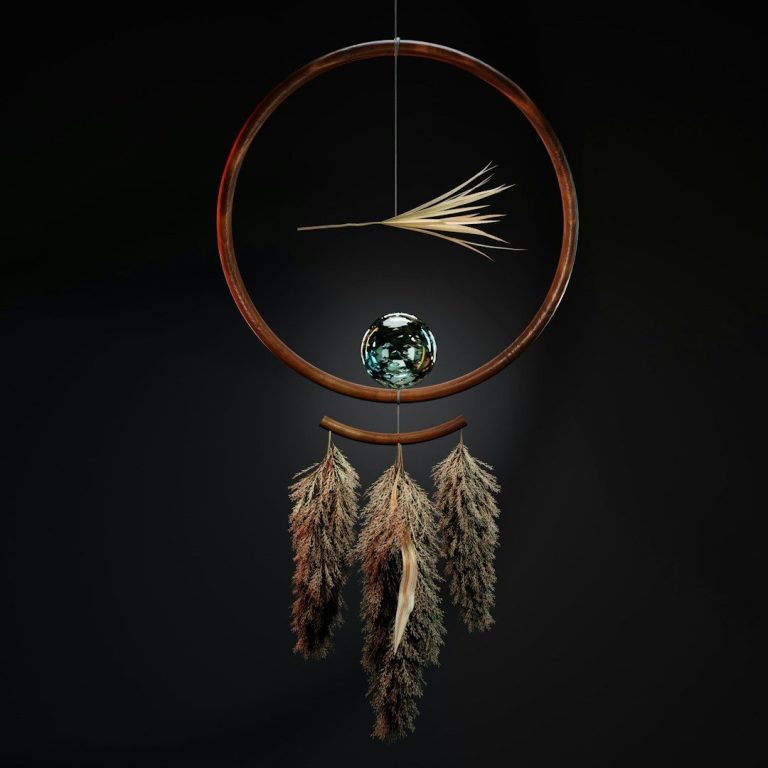
While dream catchers hold deep cultural roots, they have also evolved into a popular craft embraced worldwide. Contemporary artisans experiment with colors, materials, and designs, blending tradition with personal creativity. Yet, even in modern interpretations, the essence remains: a dream catcher is more than decor, it is a symbol of hope, a filter for negative energy, and a bridge between the physical and spiritual worlds.
A Circle of Protection and Connection
Dream catcher making is more than a craft, it is a practice of intention, a tribute to heritage, and a reminder of the unseen forces that shape our nights and days. Whether made for ceremony, gift-giving, or personal reflection, each dream catcher carries the energy of its maker. In a world that often feels chaotic, this ancient art offers a way to weave protection, hope, and beauty into our lives, one loop at a time.
Fascinating Facts About Dream Catcher
More Than Just a Web Traditional dream catchers were often made with natural materials—willow for the hoop, sinew for the web, and feathers from sacred birds like eagles or owls. Each element held spiritual meaning, with feathers representing breath and the connection to air.
A Symbol of Resilience During the Native American rights movements of the 1960s and 70s, dream catchers became a powerful emblem of cultural pride and resistance, reclaiming Indigenous traditions in the face of assimilation.
Dream Catcher Making: Weaving Symbolism and Serenity
Dream catcher making is a meditative craft rooted in Indigenous traditions, blending spiritual symbolism with artistic expression. The process begins with selecting a circular base, traditionally made from willow branches, though modern crafters often use metal or wooden rings. This frame symbolizes the cycle of life and the interconnectedness of all things. Next, a web is woven inside the hoop using sinew, yarn, or thread, with each knot and loop carrying intention. The design often starts from the center and spirals outward, mimicking a spider’s web.
The beauty of dream catcher making lies in its balance of structure and personalization. After the web is complete, feathers, beads, and other natural elements are added, each with its own meaning, feathers represent air and spiritual ascension, while beads symbolize captured dreams or prayers. The craft invites mindfulness, as the repetitive motions of wrapping and tying create a rhythm akin to meditation. Like knitting or upcycling, dream catcher making merges functionality with artistry, producing an object that is both decorative and deeply symbolic. Whether crafted as a gift, a protective talisman, or a creative outlet, each dream catcher carries the maker’s energy, weaving together tradition and individuality in a tangible form of solace and beauty.