
Drying Foods: Preserving Bounty Through Time
Drying stands as humanity's oldest and most universal food preservation technique, a simple yet brilliant process that removes moisture to inhibit spoilage. For thousands of years, civilizations have harnessed sun, wind, and fire to transform perishable foods into shelf-stable staples. From fish jerky to dried fruits, these lightweight, nutrient-dense foods enabled exploration, sustained armies, and carried cultures through lean seasons. More than just practical necessity, food drying represents our ancestors' profound understanding of nature's rhythms and their determination to make summer's abundance last through winter's scarcity.
Sun-Dried Civilizations
Evidence of food drying dates to 12,000 BCE, with early humans preserving meat in arid climates. Ancient Egyptians dried fish along the Nile, while Native Americans made pemmican from dried bison and berries. The Incas perfected freeze-drying potatoes (chuño) in Andean mountain air, and Asian cultures developed intricate techniques for drying teas, herbs, and seafood. This global heritage reveals how drying methods adapted to local environments, becoming as diverse as the cultures that created them.
The Alchemy of Dehydration
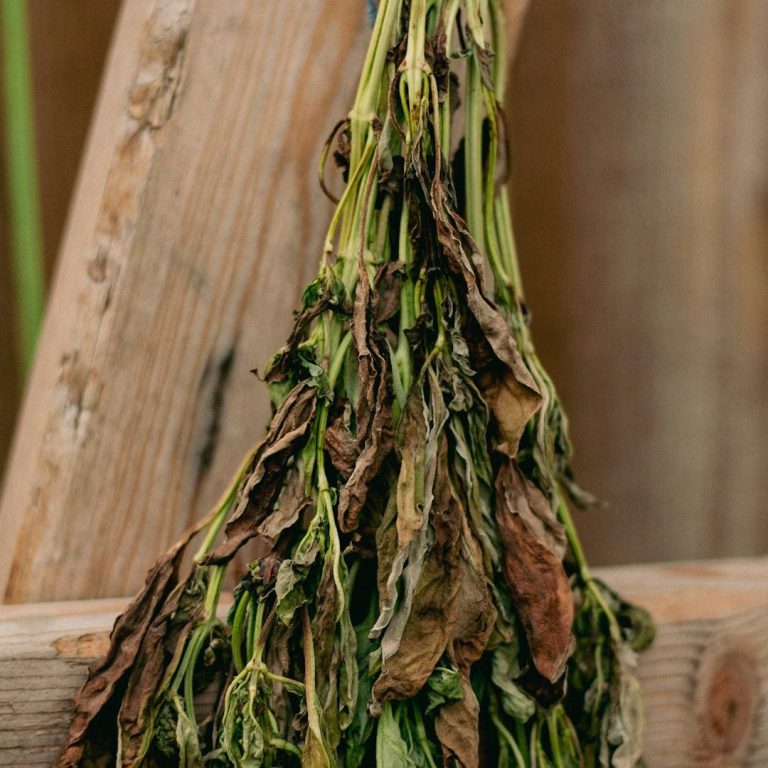
The drying process works its magic by creating an environment where bacteria, yeast, and mold cannot thrive. As moisture evaporates, flavors concentrate, textures transform, and nutrients become preserved in their most compact form. The food dryer's art lies in balancing temperature and airflow: too much heat destroys enzymes and nutrients, while insufficient drying invites spoilage. Whether using modern dehydrators or traditional techniques like solar drying racks, the practitioner becomes part of an unbroken chain of food preservation wisdom stretching back to prehistoric times.
From Survival Skill to Culinary Art
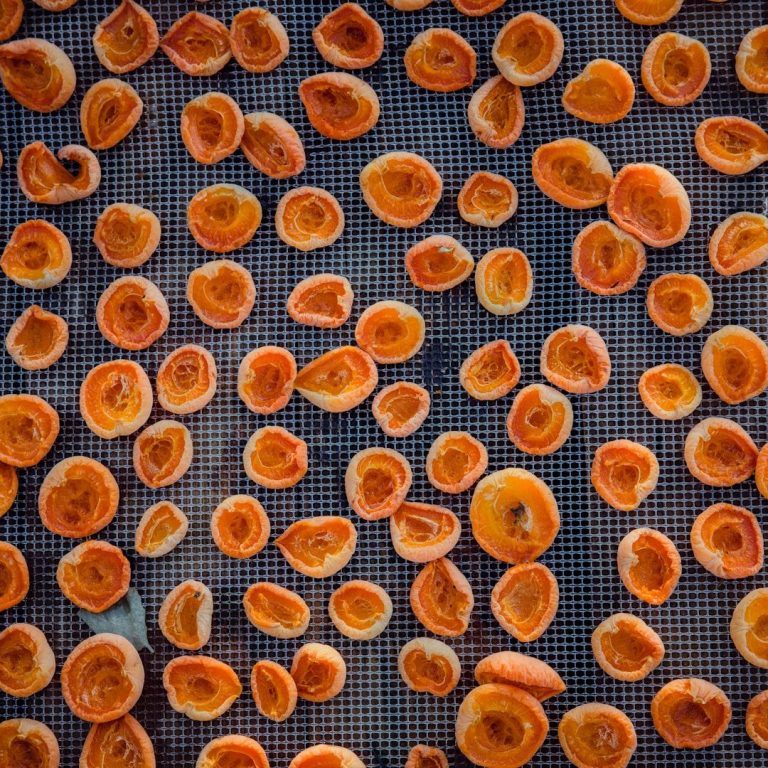
What began as basic sustenance preservation has evolved into a sophisticated culinary craft. Modern chefs use dehydration to create innovative textures - from mushroom powders to fruit leathers: while backpackers and preppers value dried foods for their lightweight nutrition. In our era of refrigeration and frozen foods, drying remains relevant as the most energy-efficient, space-saving preservation method, connecting us to timeless traditions while meeting contemporary needs for sustainable food systems.
Sustenance Through the Ages
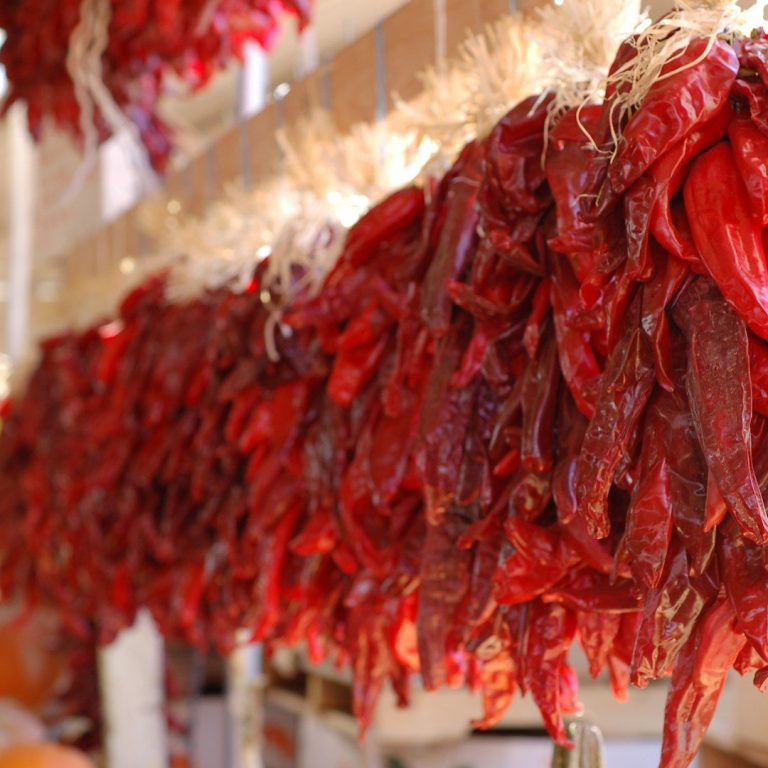
Food drying represents one of humanity's most enduring relationships with nature's cycles. In each dried berry or strip of jerky, we taste the ingenuity of countless generations who refused to let seasons limit their nourishment. As modern food systems grapple with energy demands and waste, these ancient techniques offer sustainable solutions. To dry food is to participate in a primal ritual of provision: transforming perishable gifts into lasting sustenance, connecting us to our ancestors' wisdom while preparing for an uncertain future. In our fast-paced world, dried foods remind us that the best preservation methods are often the simplest, and that true nourishment transcends time.
Fascinating Drying Facts
Space-Age Nutrition NASA incorporates advanced dehydration techniques in astronaut food, with some space meals containing foods dried at the peak of freshness then rehydrated for consumption in orbit.
The Original Fast Food Pemmican - a mixture of dried meat, fat, and berries used by Native Americans - was so nutritionally complete and shelf-stable that it became the ultimate survival food for Arctic explorers and frontier travelers.
Drying Foods: Preserving Flavor and Nourishment
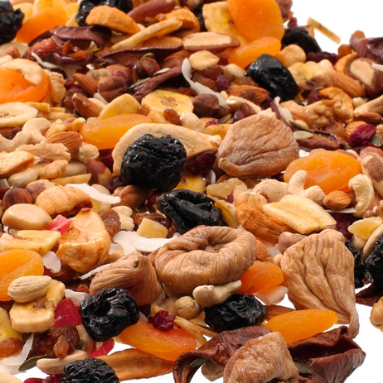
The process is elegantly simple: moisture, the lifeblood of spoilage, is gently removed through air, heat, or smoke, leaving behind lightweight, shelf-stable ingredients that retain their essence. Fruits, vegetables, herbs, meats, and even dairy can be transformed, grapes shrink into raisins, tomatoes intensify into sun-blushed jewels, and fresh herbs become fragrant reserves for winter stews. Whether using the slow warmth of the sun, the steady heat of a dehydrator, or the aromatic embrace of smoke, the goal is the same: to halt decay while celebrating the food’s innate character.
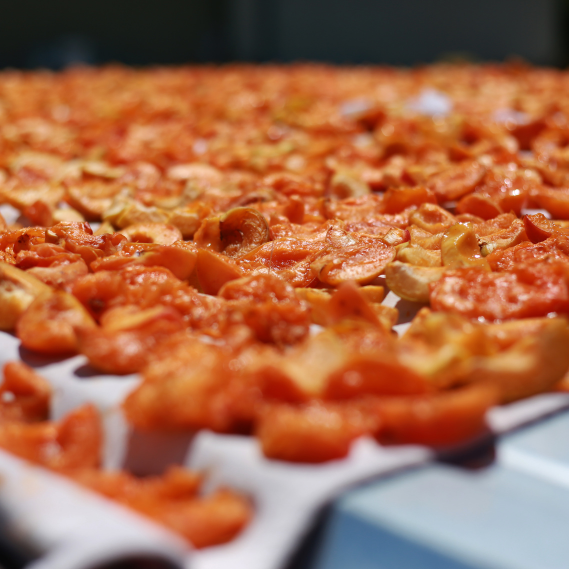
What makes drying so captivating is its blend of simplicity and subtle mastery. Too much heat scorches; too little invites mold. The maker must balance time, temperature, and airflow, coaxing out moisture without sacrificing vibrancy. Like cheese aging or beer brewing, drying is a collaboration with nature, sun-dried apricots bear the imprint of their orchard’s microclimate, just as jerky carries the whisper of its marinade and smoke. Yet it’s also a canvas for creativity: mangoes become candy-chewy, kale turns into crisp green wafers, and mushrooms concentrate into umami-rich shards. In a world of refrigeration and instant meals, drying food reconnects us to ancestral rhythms, turning abundance into longevity.
Beginning Your Drying Journey
Start with forgiving foods like herbs, apple slices, or tomato halves. Invest in basic equipment (a simple dehydrator or drying racks) and learn proper preparation techniques like blanching vegetables or pretreating fruits. Proper storage in airtight containers with oxygen absorbers ensures long shelf life.
8. Four Fundamental Methods
Sun Drying: Traditional technique best for arid climates
Air Drying: Ideal for herbs and some fruits
Oven Drying: Low-temperature method for occasional use
Electric Dehydrating: Most reliable for consistent results