Essential Oils: Nature's Essence Through Distillation
Distilling essential oils is an ancient practice that transforms aromatic plants into concentrated liquid essences, preserving their healing properties, fragrances, and vitality. For thousands of years, civilizations have harnessed steam, water, and pressure to extract these precious oils, turning flowers, leaves, bark, and roots into powerful elixirs. More than just a scientific process, distillation is an art, one that requires patience, precision, and a deep respect for the plants being used. Each drop of essential oil carries the life force of its source, offering everything from therapeutic relief to perfumery magic.
The Origins of Distillation
The earliest evidence of essential oil use dates back to ancient Egypt, where resins like frankincense and myrrh were distilled for embalming and spiritual ceremonies. Persian physician Avicenna perfected the coiled cooling pipe in the 10th century, revolutionizing distillation. By the Renaissance, European "alchemists" were distilling lavender and rosemary for medicine. Today, small-batch artisans and large-scale producers alike continue this tradition, bridging ancient wisdom with contemporary science.
The Dance of Heat and Condensation
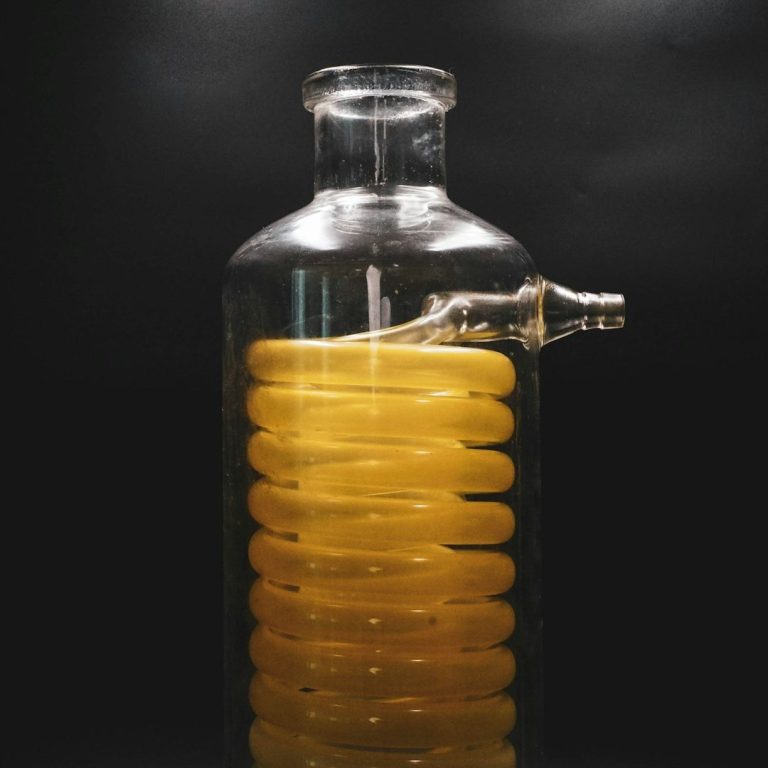
The distillation process is a delicate balance of chemistry and intuition. Steam passes through plant material, breaking down cell walls to release volatile aromatic compounds, which then travel through a condenser and separate into essential oil and hydrosol. The distiller must carefully control temperature and timing, too much heat can degrade fragile compounds, while too little may leave precious oils trapped in the plant. Like a winemaker crafting a fine vintage, the distiller learns to read the plants, the still, and the subtle changes in aroma that signal a perfect extraction.
From Ancient Remedy to Modern Luxury
Essential oils have evolved from sacred temple offerings and folk medicine to key ingredients in modern aromatherapy, cosmetics, and natural wellness. Yet despite technological advancements, traditional methods remain the gold standard for quality. In an era of synthetic fragrances, hand-distilled oils represent purity and connection to nature, a reminder that the most potent remedies often come from the earth itself.
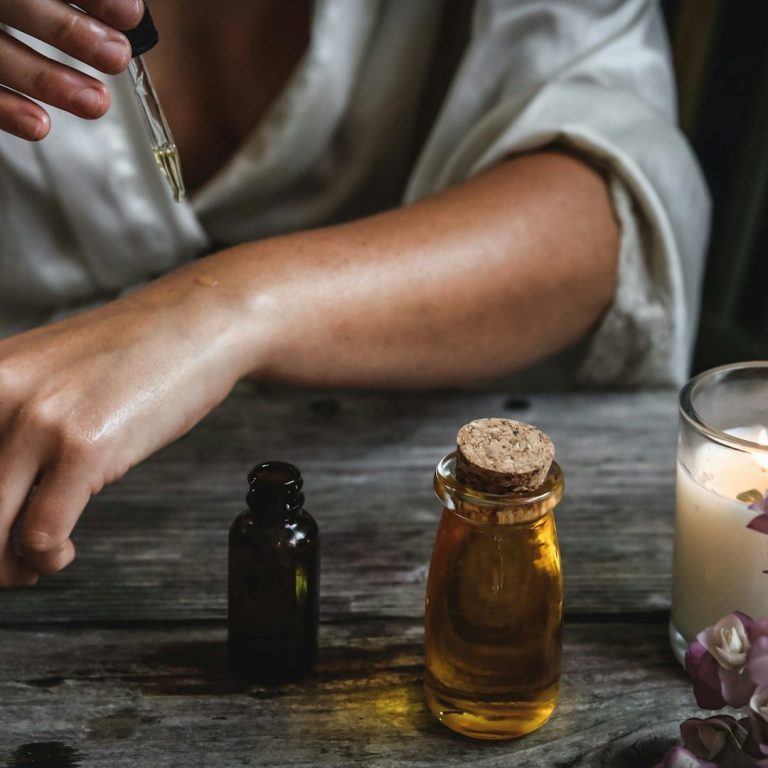
Bottled Sunshine
Distilling essential oils is more than chemistry, it’s a conversation with nature. Each batch captures a moment in a plant’s life cycle, a season’s weather, and a distiller’s care. In our fast-paced world, these oils reconnect us to slower, more intentional ways of healing. Whether used in a diffuser, a massage blend, or a natural perfume, they carry forward an ancient legacy, one drop of fragrant wisdom at a time.
Fascinating Facts About Essential Oil Distillation
Roses for a King It takes approximately 60,000 rose petals (about 200 pounds) to produce just 1 ounce of rose otto essential oil, one of the most precious and labor-intensive extracts in perfumery.
A Twist of Fate The modern essential oil industry owes much to a French perfumer’s burn accident in the 1910s, when René-Maurice Gattefossé plunged his hand into lavender oil and discovered its healing properties, birthing modern aromatherapy.
Distilling Essential Oils: Capturing Nature's Essence
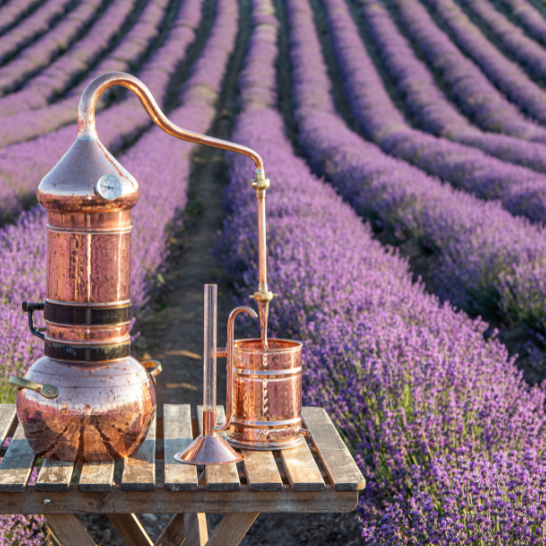
Distilling essential oils is an ancient alchemy that bridges science and artistry: the process harnesses steam, patience, and precision to extract volatile compounds from petals, leaves, bark, or roots. It begins with selecting the finest botanicals, lavender for calm, eucalyptus for clarity, or rose for romance, each chosen for its therapeutic and olfactory profile. The still, often made of copper or stainless steel, becomes a vessel of transformation: water heats into steam, which passes through plant material, carrying its essence into a condenser where vapor cools back into liquid. The result is a separation of floral water and the prized essential oil, a process as delicate as it is methodical.
What makes distillation captivating is its balance of intuition and exactitude. Variables like temperature, pressure, and timing must be carefully controlled to preserve the oil’s integrity, while the distiller’s expertise determines the quality of the yield. Like painting or basket weaving, it is both a craft and a meditation, an act of reverence for the plant’s spirit. The final product, often just milliliters from pounds of material, holds the heartbeat of the earth, ready to heal, perfume, or inspire. Whether used in aromatherapy, perfumery, or holistic remedies, distilled essential oils are bottled poetry, a testament to humanity’s enduring desire to capture nature’s fleeting beauty.