
Jam Making: Capturing Summer in a Jar
Jam making transforms nature's fleeting bounty into preserved delight through a magical combination of fruit, sugar, and heat. This ancient craft represents one of humanity's most delicious preservation methods, turning fragile berries and stone fruits into jewel-toned spreads that brighten winter mornings. More than just a cooking process, jam making is a sensory experience: the bubbling rhythm of the pot, the changing fragrance as sugars caramelize, and the satisfying "pop" of a properly sealed jar. Each batch captures a moment in time, preserving summer's peak flavors at their absolute best.
Sweet Preservation Through the Ages
The origins of jam trace back to Middle Eastern quince preserves in the 1st century AD. Crusaders brought sugar preservation techniques to Europe, where monasteries perfected fruit conserves. The 19th century saw home canning revolutionize food storage, with jam becoming a pantry staple. This sweet history reflects humanity's enduring desire to capture seasonal abundance, with each culture developing distinctive versions: from British marmalades to Eastern European lekvar.
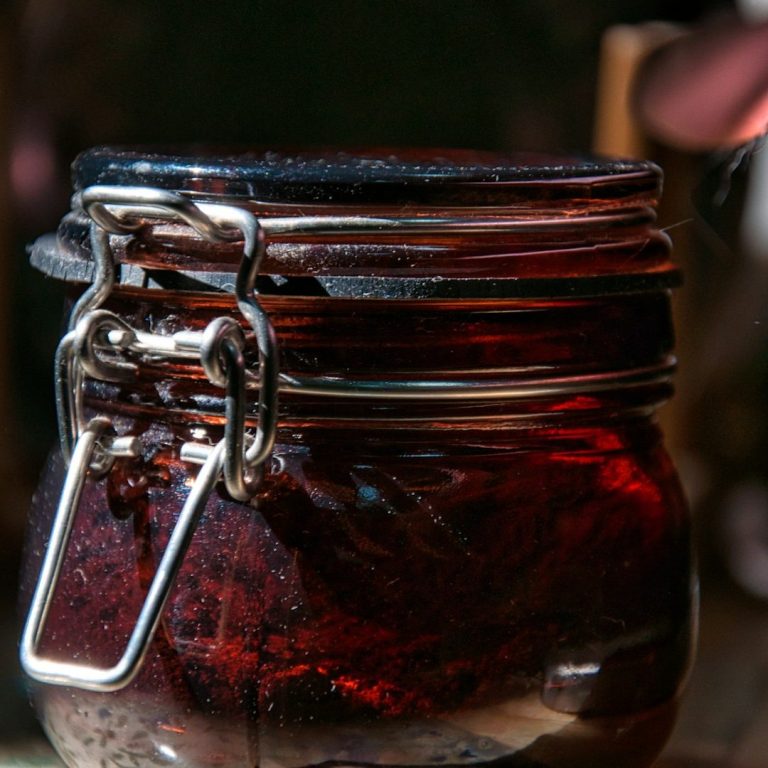
The Jam Maker's Dance
Creating perfect jam requires balancing science and intuition. Pectin, acid, and sugar must harmonize to achieve the ideal set, while cooking times vary by fruit and altitude. The skilled jam maker reads the boil's behavior: watching for the sheet off a spoon or tracking temperature changes with a candy thermometer. This process connects us to generations of home preservers who, without modern appliances, relied on experience and careful observation to judge when their conserve reached the perfect consistency.
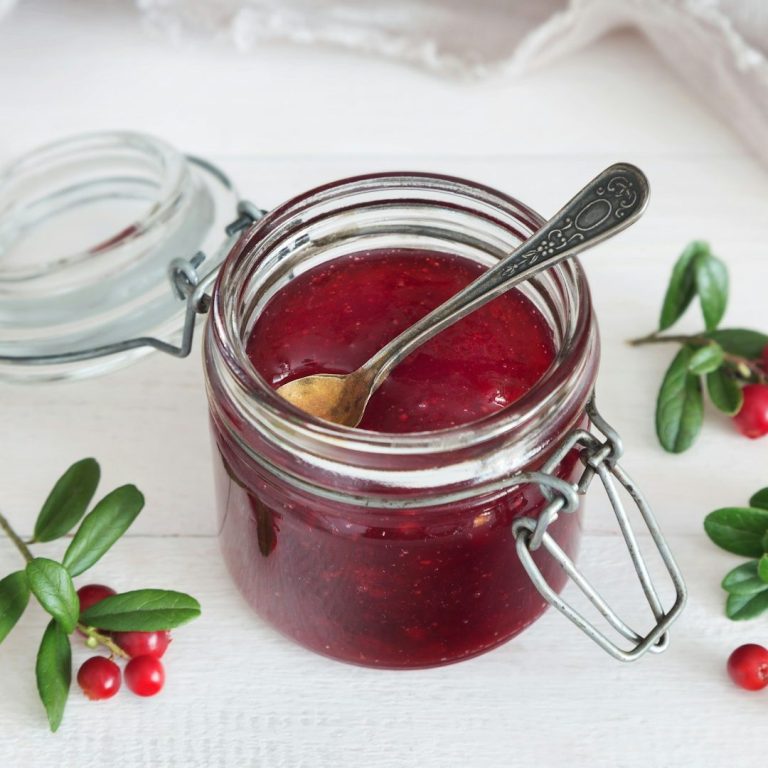
From Necessity to Culinary Art
Originally developed to prevent spoilage, jam making has evolved into a celebrated culinary craft. Today's artisans experiment with unexpected flavor combinations: chili-infused peach, lavender blackberry, or bourbon-spiked cherry; while honoring traditional methods. Farmers' markets brim with small-batch creations that showcase heirloom varieties and local terroir, proving this ancient technique remains vibrantly relevant in modern gastronomy.
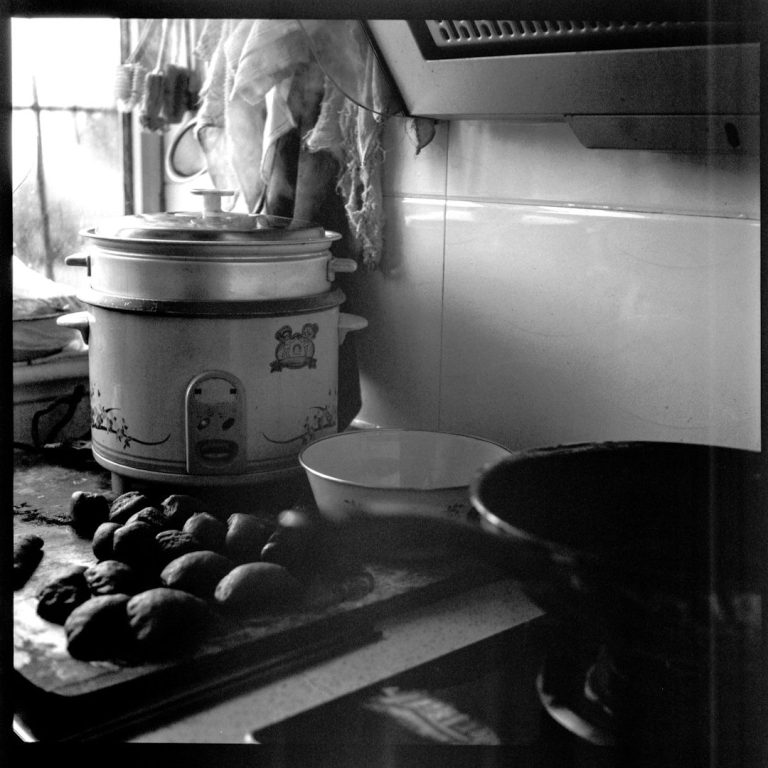
Sustenance Through the Ages
Food drying represents one of humanity's most enduring relationships with nature's cycles. In each dried berry or strip of jerky, we taste the ingenuity of countless generations who refused to let seasons limit their nourishment. As modern food systems grapple with energy demands and waste, these ancient techniques offer sustainable solutions. To dry food is to participate in a primal ritual of provision: transforming perishable gifts into lasting sustenance, connecting us to our ancestors' wisdom while preparing for an uncertain future. In our fast-paced world, dried foods remind us that the best preservation methods are often the simplest, and that true nourishment transcends time.
Fascinating Jam Facts
The Science of Set The perfect jam consistency relies on pectin molecules forming a 3D network at 104°C (219°F), a process first explained by food scientists in the 1920s but perfected through centuries of trial and error.
Space Jam NASA developed special jam tubes for astronauts, with Skylab missions featuring strawberry spread as a morale-boosting treat in zero gravity.
Drying Foods: Preserving Flavor and Nourishment
The alchemy is simple yet precise: fruit, sugar, and acid (often lemon) simmer until the mixture sheets off a spoon, signaling pectin’s perfect gel. But the true craft lies in the details, the choice of barely-tart berries for brightness, a vanilla pod split lengthwise for depth, or a splash of rosemary-infused syrup for surprise. Sterilized jars await the bubbling pour; their metallic ping as they seal is the sound of summer preserved.
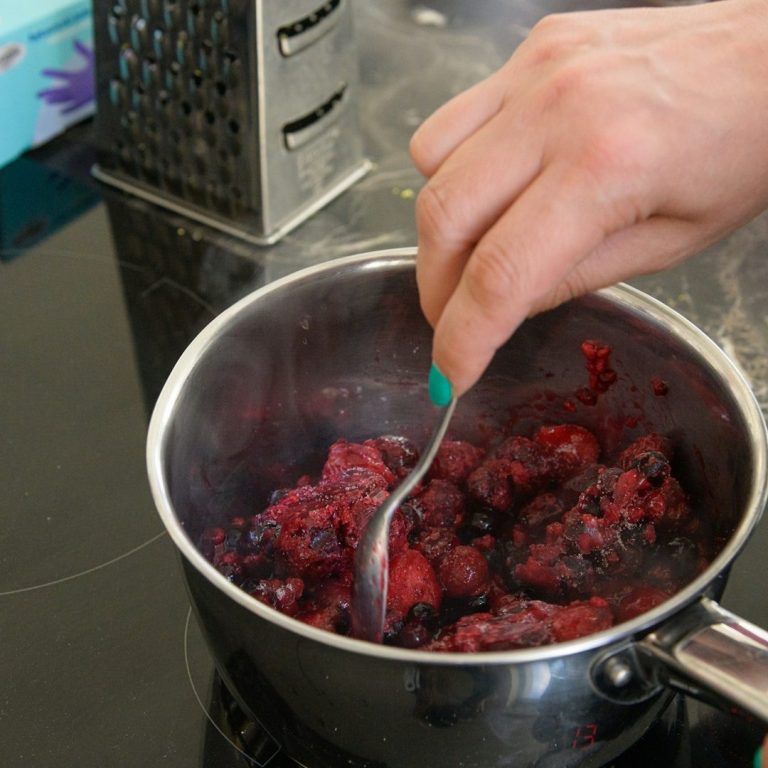
Beyond practicality, jam is nostalgia incarnate. A dollop on toast recalls orchards heavy with fruit, childhood kitchens sticky with steam, or a grandmother’s handwritten labels. Modern twists, chili-spiked peach, lavender-blueberry, or bourbon-spiked cherry, speak to creativity, but the heart remains unchanged: fruit, transformed but never diminished.
Starting Your Preservation Journey
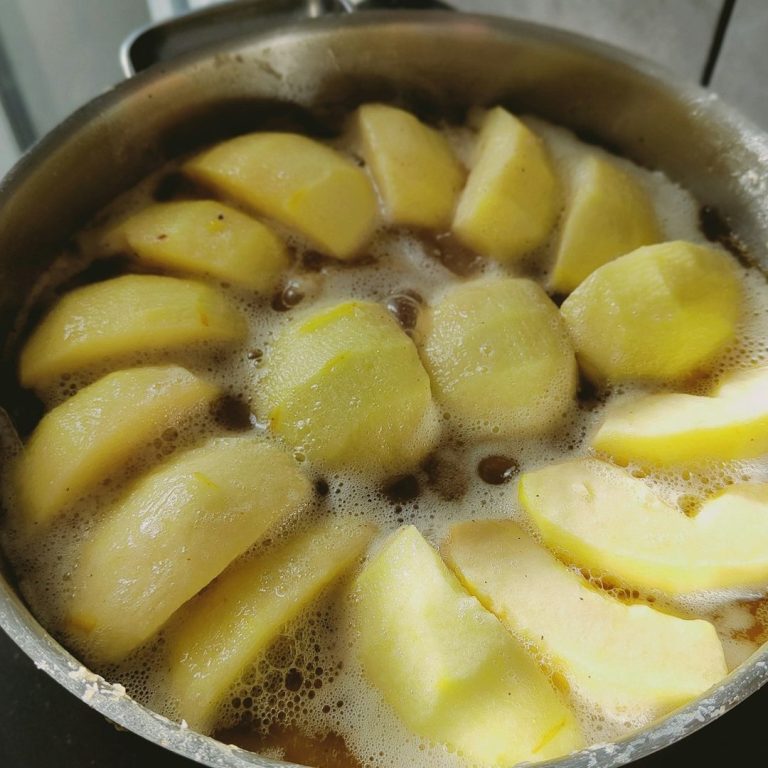
Begin with high-pectin fruits like apples, blackberries, or citrus. Invest in quality canning equipment and learn proper sterilization techniques. Test your first batches with small quantities before scaling up recipes.
The Five Key Steps
Preparation: Wash and prepare fruit
Cooking: Combine with sugar and acid
Testing: Check set with chilled plate or thermometer
Processing: Sterilize jars in water bath
Storage: Label and date for future enjoyment