Knitting: Weaving Threads of Tradition and Creativity
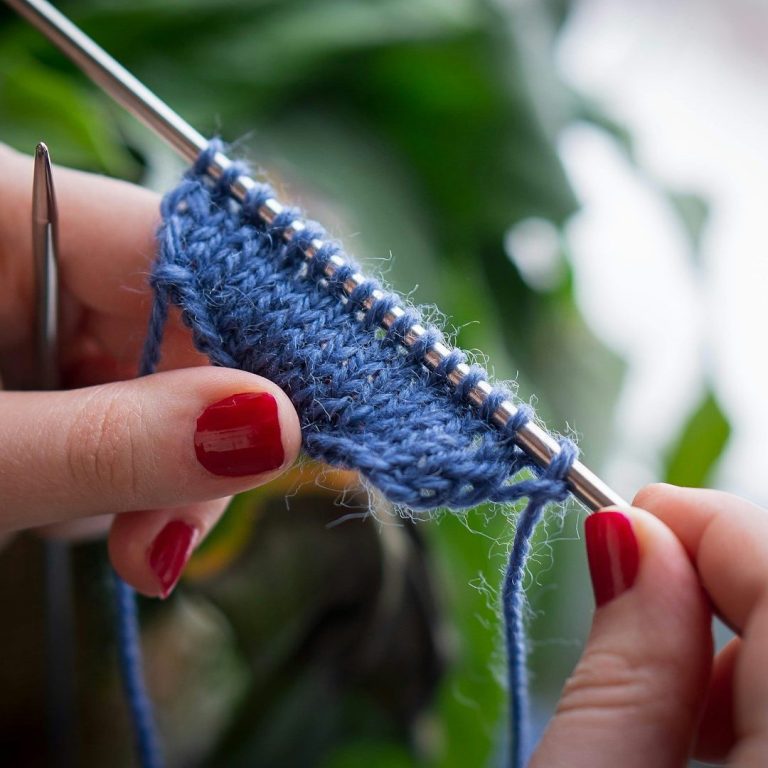
Knitting transforms simple strands of yarn into warm, textured fabrics through the rhythmic dance of needles. This centuries-old craft combines mathematical precision with artistic expression, turning basic stitches into everything from cozy sweaters to intricate lace shawls. Unlike machine-made textiles, each hand-knit piece carries the unique imprint of its maker, the slight variations in tension that whisper of quiet evenings spent crafting. More than just a practical skill, knitting connects us to generations of artisans while offering a creative outlet that's both portable and profoundly satisfying.
Ancient Origins, Modern Revival
The earliest known knitted artifacts date back to 11th century Egypt, though the craft likely developed earlier. By the Renaissance, knitting had become an important industry, with complex guilds controlling quality. The Industrial Revolution brought machine knitting, but handknitting persisted as both necessity and art. Today, knitting enjoys a renaissance among all ages, with online communities sharing patterns and techniques globally while preserving regional traditions like Fair Isle or Aran knitting.
A Meditation in Stitches
The repetitive motion of knitting creates a natural rhythm that soothes the mind and grounds the body. As hands work the yarn and needles click together, knitters often enter a state of flow, that perfect balance of focus and relaxation where time seems to dissolve. This meditative quality makes knitting a powerful antidote to modern stress, with studies showing it can lower blood pressure and ease anxiety. Whether creating simple dishcloths or complex colorwork mittens, the act of knitting becomes as valuable as the finished object itself.
From Survival to Self-Expression
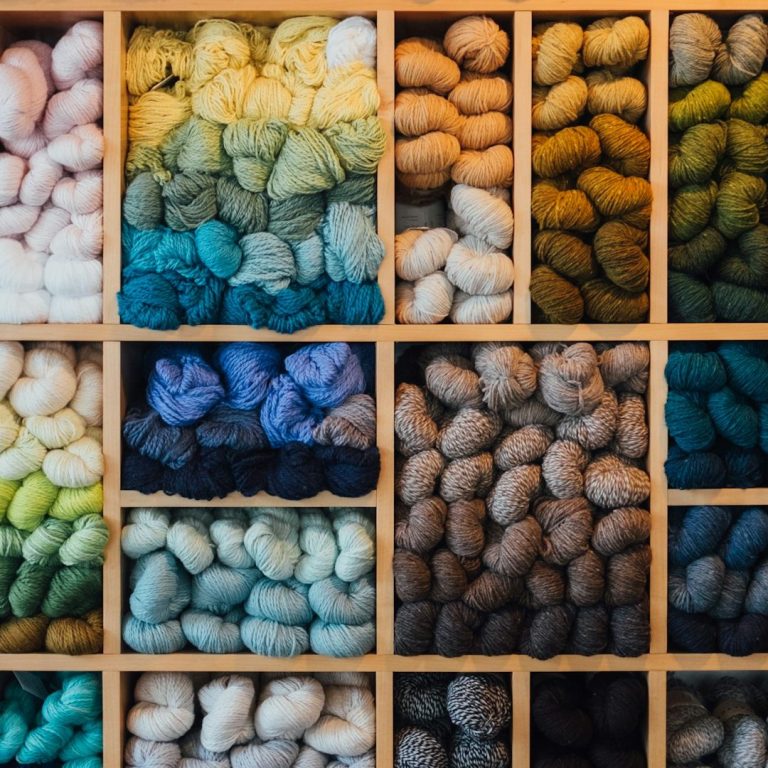
Originally developed for practical warmth, knitting has evolved into a vibrant art form. Contemporary knitters push boundaries with experimental techniques like freeform knitting or yarn bombing public spaces. Yet even the most avant-garde creations remain rooted in traditional skills passed down through generations. In our fast-fashion era, handknit garments represent slow fashion at its best, sustainable, meaningful, and made to last. Each stitch represents a choice: of fiber, color, pattern, and ultimately, of investing time in creating something truly one-of-a-kind.
The Thread That Connects Us
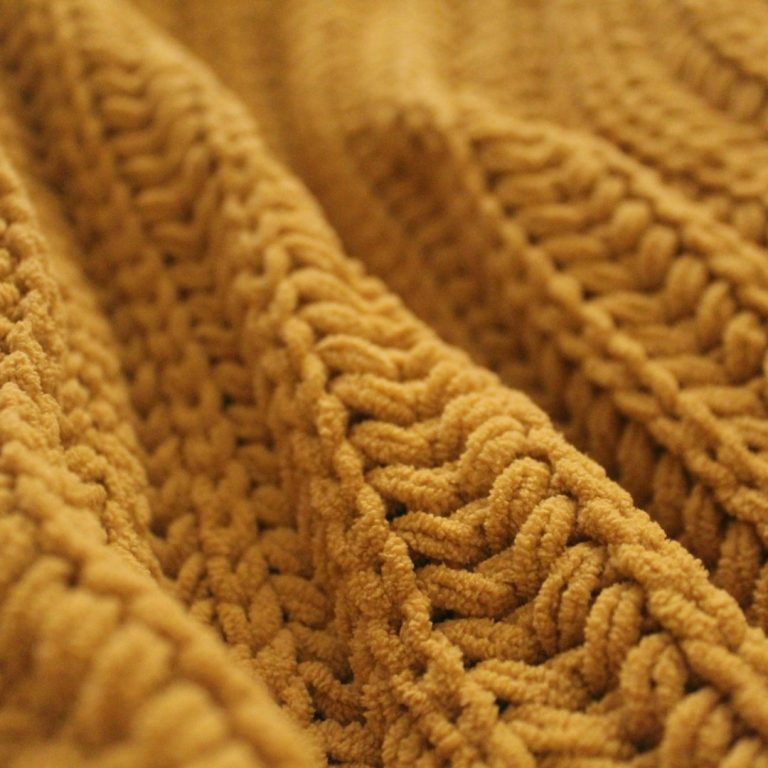
Knitting creates more than fabric, it weaves connections between generations, cultures, and even strangers who bond over shared patterns. In our digital age, this tactile craft offers a precious opportunity to unplug and create something tangible. Each knitted piece tells a story: of the hands that made it, the time invested, and the love stitched into every row. To knit is to participate in an ancient yet ever-evolving tradition, proving that some of life's warmest comforts still come from two needles and a simple strand of yarn.
Fascinating Facts About Knitting
Wartime Codebreaking During World War II, British knitters created secret messages in their work, using stitch patterns to convey information to resistance fighters.
Space Knitting Astronaut Karen Nyberg knitted the first handmade item in space in 2013, creating a small plush dinosaur aboard the International Space Station to demonstrate how craft could provide psychological comfort during long missions.
Redefining Waste Through Creativity
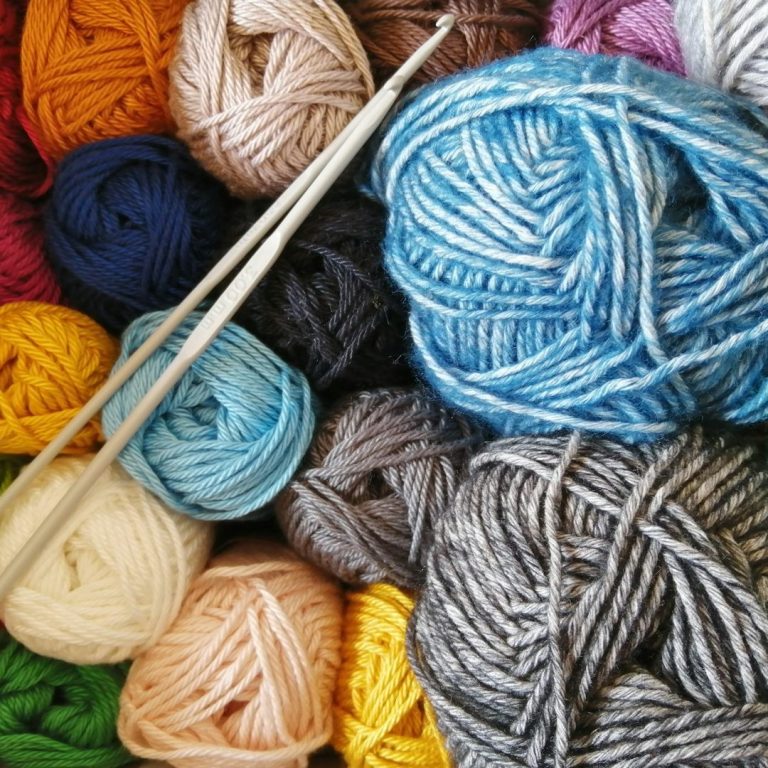
The process begins with selecting the right materials, wool, cotton, or synthetic yarns in varying weights and textures, paired with appropriately sized needles. Start with simple tools: a pair of medium-sized needles and smooth, light-colored yarn. Learn the basic knit and purl stitches, these two simple movements form the foundation for all knitting patterns, mastering tension and rhythm before progressing to more complex patterns. Each project, whether a scarf, sweater, or blanket, unfolds row by row, with the maker’s hands guiding loops of yarn into a cohesive fabric. Mistakes, like dropped stitches or uneven tension, are part of the learning curve, teaching patience and precision along the way.
What makes knitting so captivating is its versatility and meditative quality. Stitch patterns, from cables and lace to colorwork and fair isle, offer endless possibilities for customization, allowing knitters to imbue their work with personal flair. Beyond its creative rewards, knitting fosters mindfulness, its repetitive motions offering a soothing escape from the pace of modern life. Like upcycling or collage, it bridges utility and artistry, producing functional items that carry the maker’s care in every loop. Whether as a hobby, a sustainable practice, or a means of crafting heartfelt gifts, knitting connects generations, cultures, and communities through the shared language of yarn and needle. It’s more than a craft; it’s a testament to the beauty of creating something enduring, one stitch at a time.