The Art of Kokedama: A Floating Garden
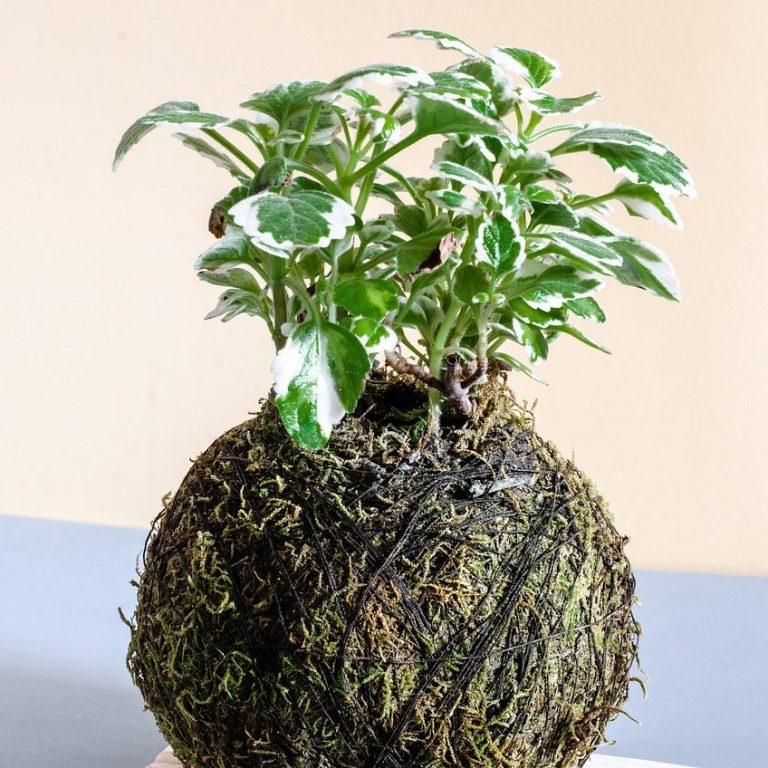
Kokedama, which translates to "moss ball" in Japanese, is a unique form of bonsai that combines simplicity and natural beauty. Unlike traditional potted plants, kokedama involves wrapping a plant’s roots in a ball of soil and moss, then suspending it with string or placing it on a decorative surface. This minimalist gardening style originated in Japan and has gained global popularity for its elegant, organic aesthetic. Kokedama can feature a variety of plants, from ferns and ivy to flowering species, making it a versatile and creative way to bring greenery indoors or outdoors.
The Discovery of Kokedama
Kokedama evolved from the ancient Japanese art of nearai, a precursor to bonsai where plants were grown in shallow pots before being removed and displayed with exposed roots. Over time, gardeners began wrapping these root systems in moss to retain moisture, eventually leading to the modern kokedama style. While no single inventor is credited, the technique became popular in Japan during the 1990s as part of the wabi-sabi movement, which celebrates imperfection and transience in nature. Today, kokedama is embraced worldwide as a blend of horticulture and living art.
The Meditative Appeal of Moss Balls
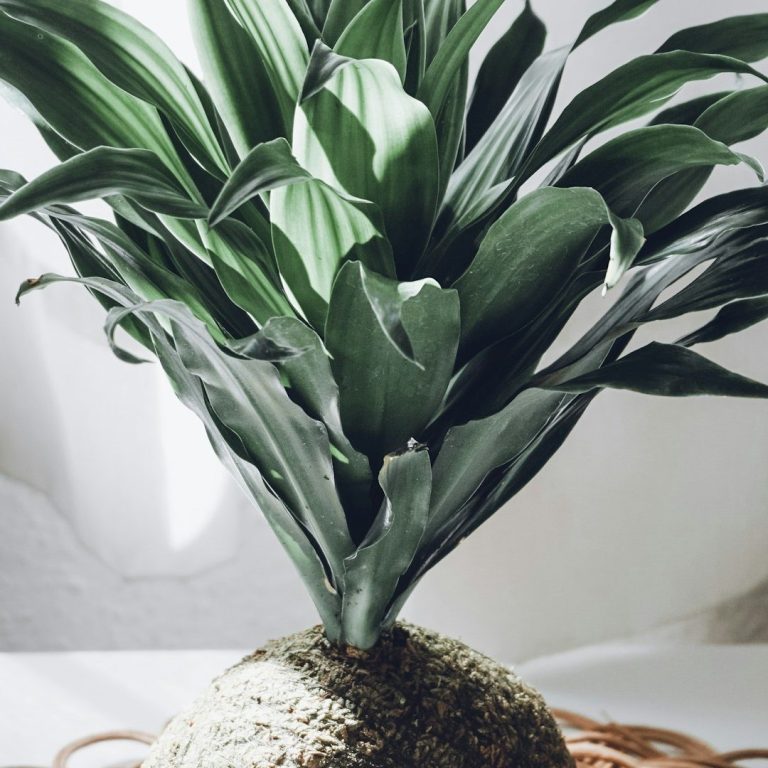
One of the most appealing aspects of kokedama is its meditative, hands-on creation process. The act of shaping the soil, wrapping the moss, and securing the plant fosters a connection with nature. Because kokedama does not require a pot, it offers a sense of weightlessness, as if the plant is floating in midair. These living sculptures can be hung in groups for a striking display or placed on a dish for a more grounded look. Their simplicity highlights the beauty of each individual plant, making them perfect for modern and rustic décor alike.
Sustainable and Low-Maintenance Greenery
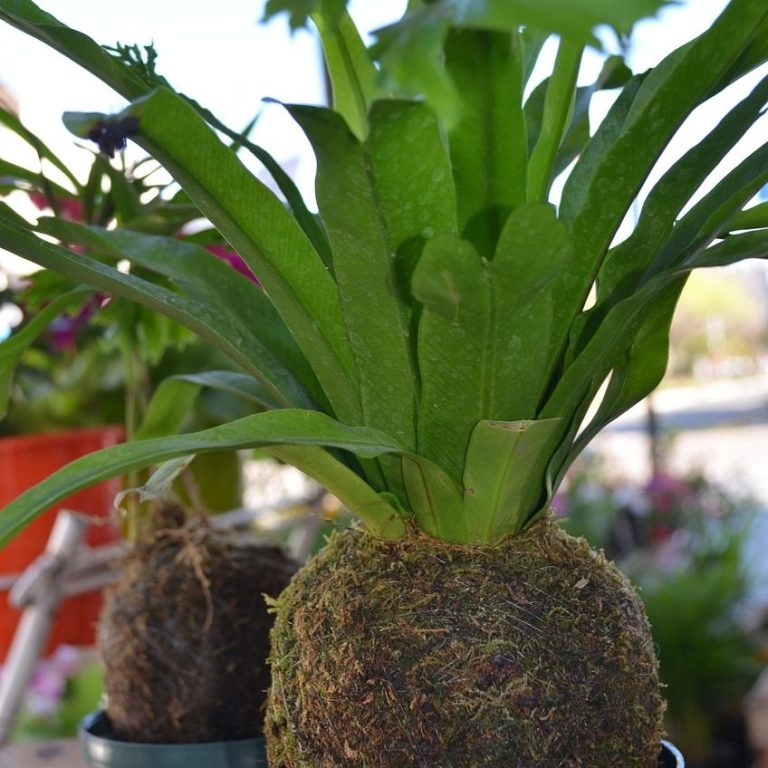
Kokedama is also surprisingly low-maintenance, though it requires a bit more attention than traditional houseplants. The moss ball must be regularly misted or soaked to maintain moisture, and the plant’s growth should be monitored to prevent overcrowding. Despite these needs, kokedama remains a sustainable and eco-friendly gardening option, as it avoids plastic pots and relies on natural materials. Whether used as a calming hobby or a striking decorative piece, kokedama brings a touch of Zen harmony into any space.
The Enduring Charm of Kokedama
Kokedama is more than just a gardening trend—it is a living art form that blends nature, creativity, and mindfulness. From its roots in Japanese tradition to its modern adaptations, these moss ball gardens offer a unique way to bring tranquility and greenery into any space. Whether you’re a seasoned gardener or a beginner, crafting a kokedama invites you to slow down, connect with nature, and appreciate the quiet beauty of a self-contained, floating garden. Simple yet profound, kokedama proves that sometimes, the most stunning displays of life thrive in the humblest forms.
Facts about Kokedama
Some Kokedama Can Live for Decades – With proper care, certain hardy plants like juniper or pine can thrive in kokedama form for years, slowly growing and shaping themselves into miniature natural sculptures.
They Were Once Used to Transport Plants – Before plastic pots, Japanese gardeners used moss balls to safely move delicate plants over long distances, as the moss retained moisture and protected the roots.
How to Make a Kokedama
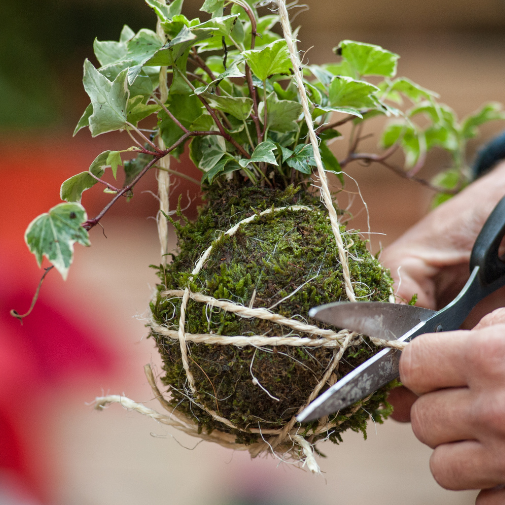
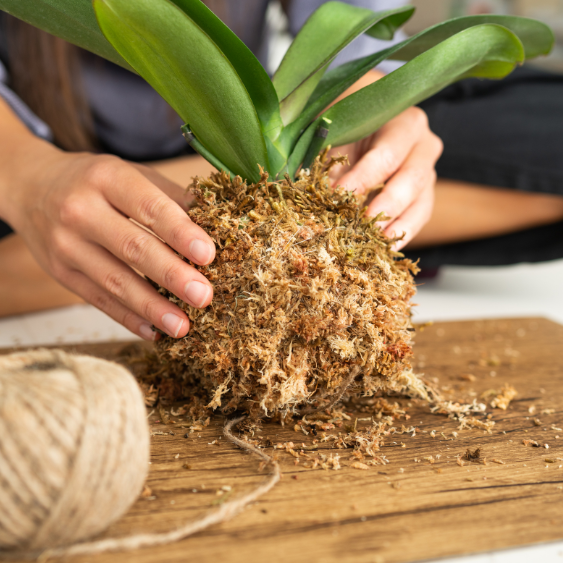
To create your own kokedama, start by mixing equal parts peat moss, bonsai soil, and clay to form a sticky, moldable substrate. Gently remove a small plant (such as a fern or succulent) from its pot, shake off excess soil, and carefully wrap the roots in the prepared mixture, shaping it into a firm ball. Next, cover the ball with sheet moss, pressing it firmly into the substrate. Secure the moss with biodegradable twine, wrapping it in a crisscross pattern until the ball is fully enclosed.
Once assembled, soak the kokedama in water for 10–15 minutes, then let it drain before displaying it. Hang it with decorative string, place it on a dish, or arrange multiple kokedama at different heights for a dynamic effect. Watering can be done by misting regularly or submerging the ball in water when the moss feels dry. With proper light and moisture, your kokedama will grow into a lush, living ornament—a testament to the beauty of simplicity in nature.