Painting: A Journey of Color and Expression
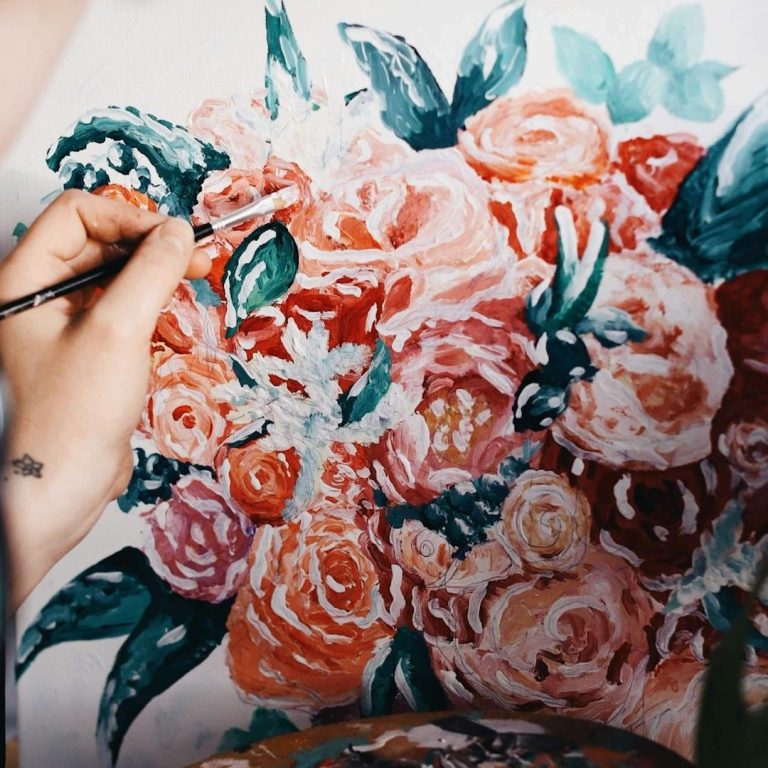
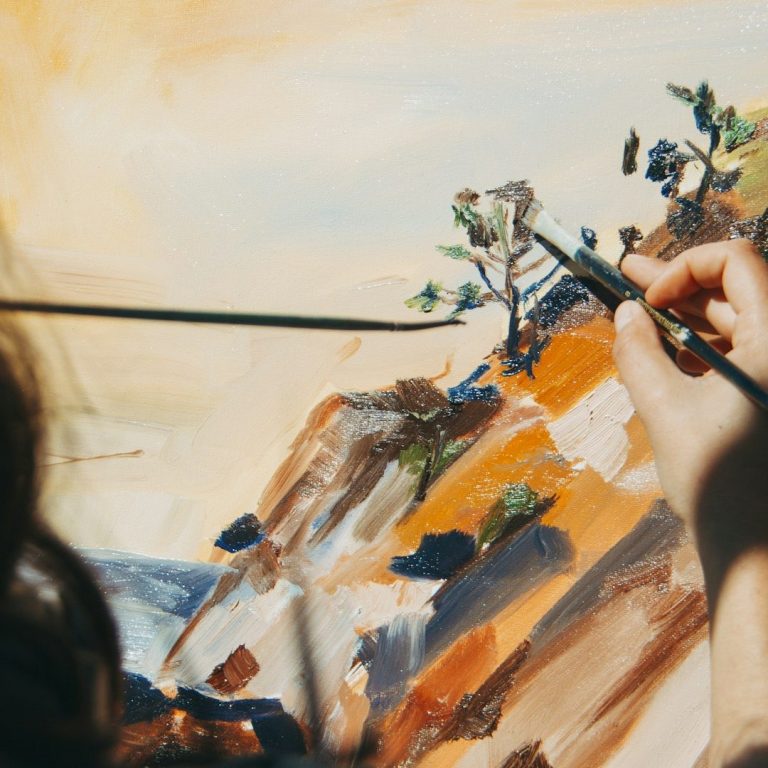
Painting stands as one of humanity's most enduring and universal forms of artistic expression, transcending time, culture, and geography. From the ancient cave walls of Lascaux to contemporary digital canvases, the act of applying color to surface has served as a fundamental means of communication, storytelling, and personal exploration. This versatile medium transforms simple materials, like pigments, binders, and tools, into windows of imagination, capable of capturing reality or creating entirely new worlds. More than mere decoration, painting represents the profound human need to create, to leave marks that say, "I was here, I saw this, I felt this."
Pigments of the Past
The story of painting begins with early humans mixing earth, charcoal, and animal fat to create the first pigments. Ancient Egyptians developed sophisticated fresco techniques, while Chinese scholars elevated ink painting to spiritual practice. The Renaissance brought linear perspective and oil painting techniques that revolutionized Western art. Each era's materials and methods reflect its values and worldview, from the precious ultramarine of medieval manuscripts to the industrial paints of modern street art. This rich history reminds us that every painting, whether on cave wall or canvas, is part of an unbroken chain of human creativity.
The Alchemy of Creation
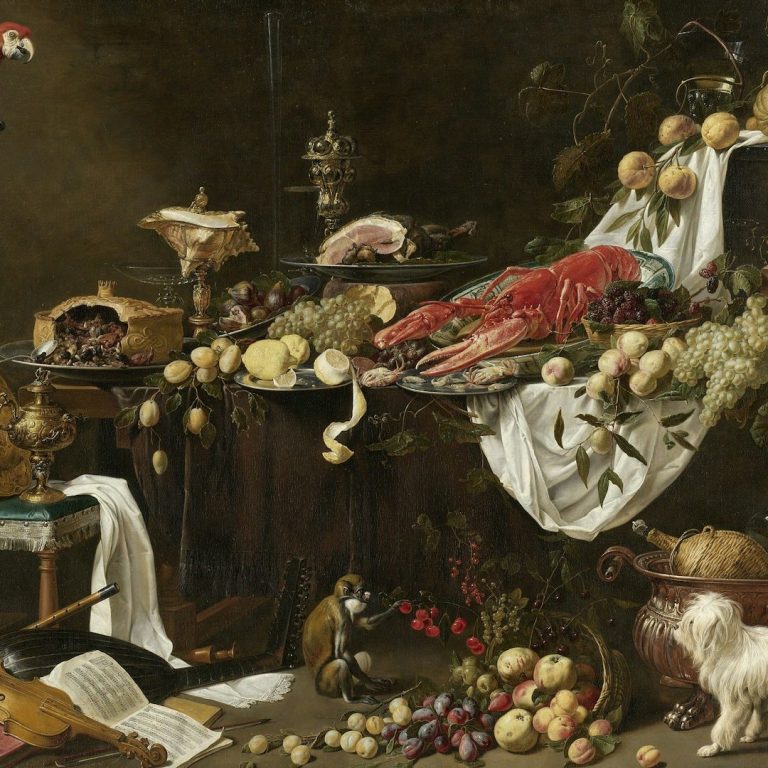
The process of painting is a magical transformation where vision becomes substance. Each brushstroke represents a decision, an emotion, a moment in time preserved in pigment. Artists across centuries have discovered that painting is as much about seeing as it is about doing: training the eye to observe light, shadow, and form with heightened sensitivity. Whether working with the slow-drying layers of oil, the immediacy of watercolor, or the boldness of acrylic, painters engage in a dialogue between intention and accident, control and surrender. The studio becomes a laboratory where failures lead to discoveries and happy accidents often yield the most surprising results.
From Ritual to Revolution
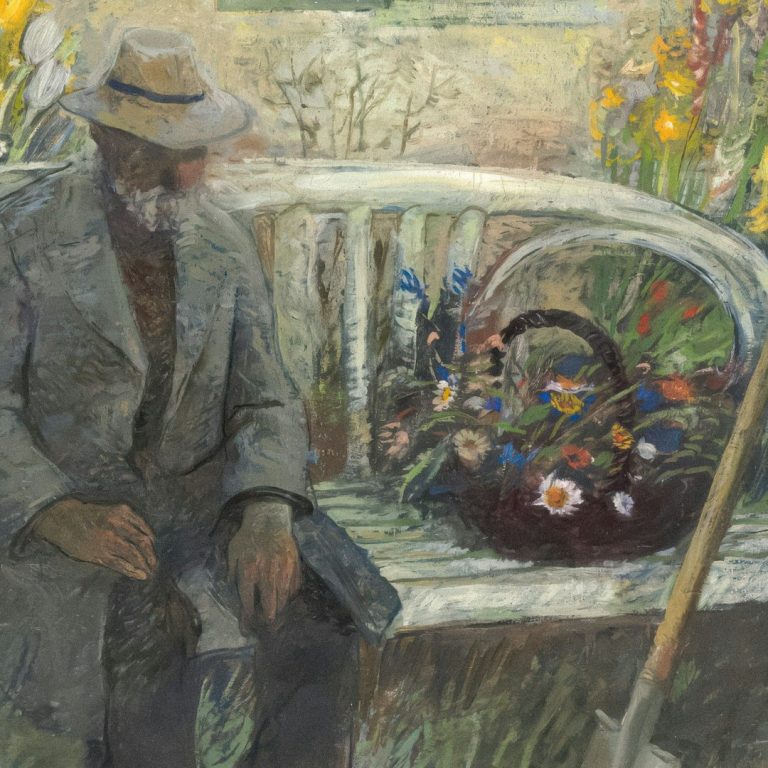
Painting has served diverse purposes throughout history: from sacred Paleolithic rituals to political propaganda, from royal portraiture to avant-garde rebellion. The Renaissance elevated painting to new heights of technical mastery, while modern movements like Impressionism and Abstract Expressionism shattered conventions, redefining what painting could be. Today, painting remains vibrantly relevant, adapting to new technologies while maintaining its primal power. In our digital age, the tactile pleasure of pushing pigment across a surface offers an antidote to virtual experiences, grounding both maker and viewer in physical reality.
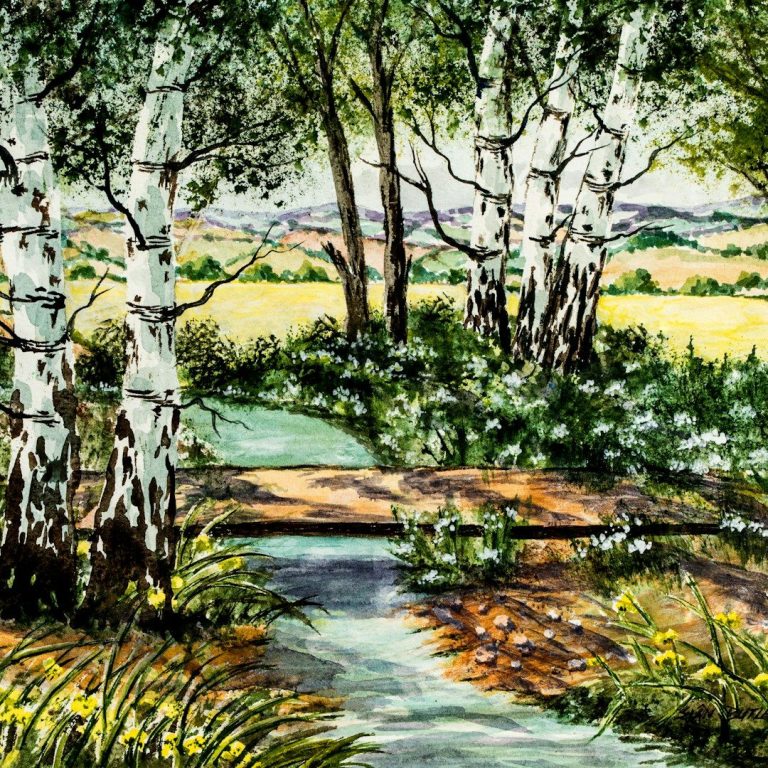
Weaving the Future, Honoring the Past
Painting remains one of our most direct connections to the creative spirit that defines our species. In a world of mass-produced images, the handmade painting asserts the value of individual perspective and personal expression. To paint is to engage in an ancient ritual of mark-making that links us to our earliest ancestors while allowing for infinite innovation. Whether as professional practice or personal exploration, painting offers endless possibilities for discovery, a language without words that speaks directly to the heart. The blank canvas will always beckon, asking only for courage to make that first mark.
Fascinating Facts About Painting
The Painting That Launched a Movement Monet's "Impression, Sunrise" (1872) not only gave Impressionism its name but was painted in a single two-hour session, capturing the fleeting effects of light that would define the movement.
Space Age Artistry Astronaut Alan Bean, the fourth man to walk on the moon, mixed his acrylic paints with moondust to create textured space paintings, literally incorporating lunar material into his artwork.
Painting: Channeling Emotion, Vision, and Technique
Start with simple materials: a basic set of acrylics or watercolors, a few brushes, and inexpensive paper or canvas. Begin by observing and painting simple objects, focusing on shapes and values rather than details.
Artists choose their tools deliberately: vibrant oils, fluid watercolors, or versatile acrylics, each offering distinct textures and possibilities. The surface, whether canvas, wood, or paper, becomes a ground for experimentation, where brushstrokes, palette knives, or even fingers blend colors and shapes into cohesive visions. Preparation is key, from sketching initial compositions to layering primers, as every step influences the final piece’s depth and resonance.
The power of painting lies in its boundless freedom and technical discipline. Styles range from hyperrealism to abstract expressionism, allowing artists to convey reality or reinterpret it entirely. Techniques like glazing, impasto, or wet-on-wet create tactile and visual effects, while color theory and composition guide the eye and evoke emotion. Like basket weaving or dream catcher crafting, painting is both meditative and intentional, a dance between control and spontaneity. Each stroke carries the artist’s perspective, turning pigments into poetry.
As confidence grows, study color theory and composition principles while developing your unique style. Try different techniques - glazing, impasto, wet-on-wet - to discover what resonates. Keep a sketchbook to record ideas and observations. Most importantly, learn to see painting not as product but as process, where the act of creation is as valuable as the finished work.