
Vegetable Preservation: From Pickles to Ferments
Vegetable preservation represents one of humanity's most ingenious food innovations, transforming perishable produce into long-lasting, flavor-packed staples. Through techniques like pickling, fermenting, and canning, we've learned to extend nature's bounty beyond its seasonal limits. The crisp bite of a dill pickle, the tangy punch of sauerkraut, or the spicy kick of kimchi all testify to our ancestors' wisdom in harnessing natural processes like lacto-fermentation. These methods not only prevent spoilage but often enhance nutritional value, creating probiotic-rich foods that support gut health while delighting the palate.
A Pickled History Through Time
Archaeological evidence suggests Mesopotamians were pickling cucumbers as early as 2030 BCE. The Romans prized fermented fish sauce (garum), while Asian cultures perfected vegetable fermentation techniques. The 19th century brought scientific understanding of microbial activity, revolutionizing safety standards. Today's preservation renaissance blends this deep history with modern food science, creating innovative products while honoring traditional methods.
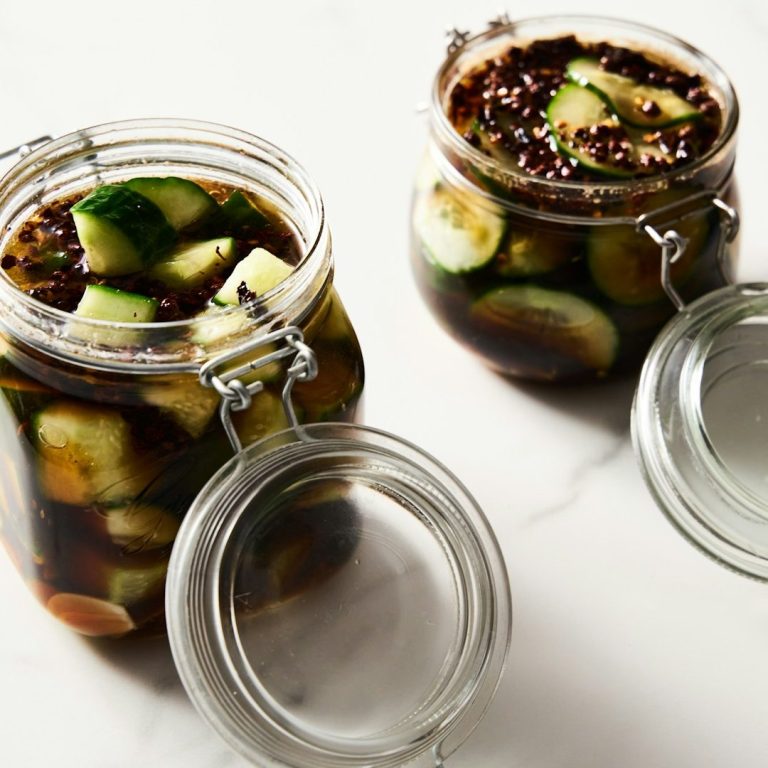
The Alchemy of Preservation
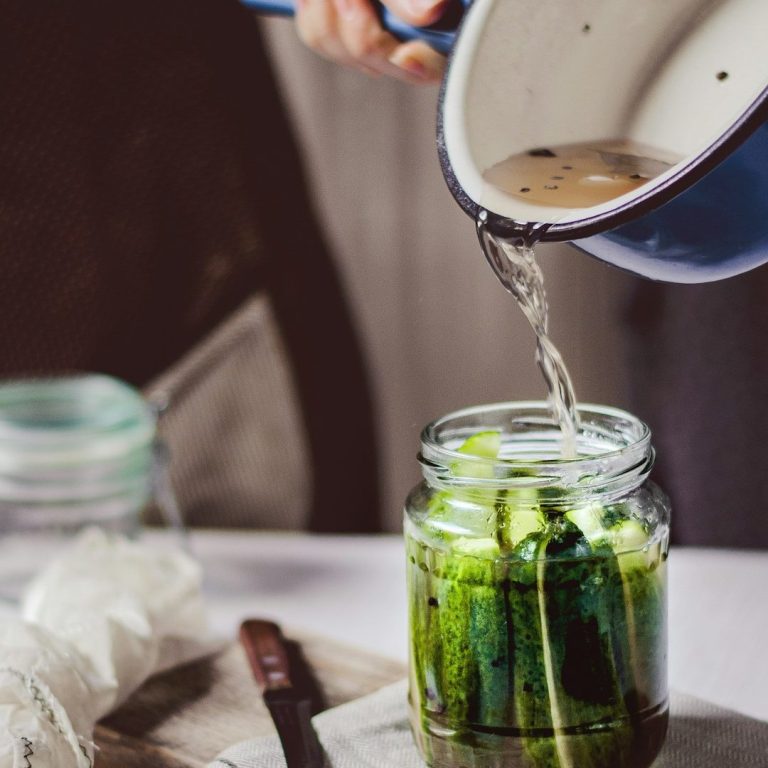
Each preservation method works its magic differently. Vinegar pickling creates an acidic environment hostile to harmful bacteria, while fermentation encourages beneficial microbes to flourish. Salt acts as both preservative and flavor enhancer, drawing out moisture and creating the perfect conditions for transformation. The preserver's art lies in balancing these elements: knowing exactly how much brine to use, when to add spices, and how long to let nature work its magic. This process connects us to generations of cooks who, without refrigeration, developed sophisticated ways to keep vegetables edible through harsh winters.
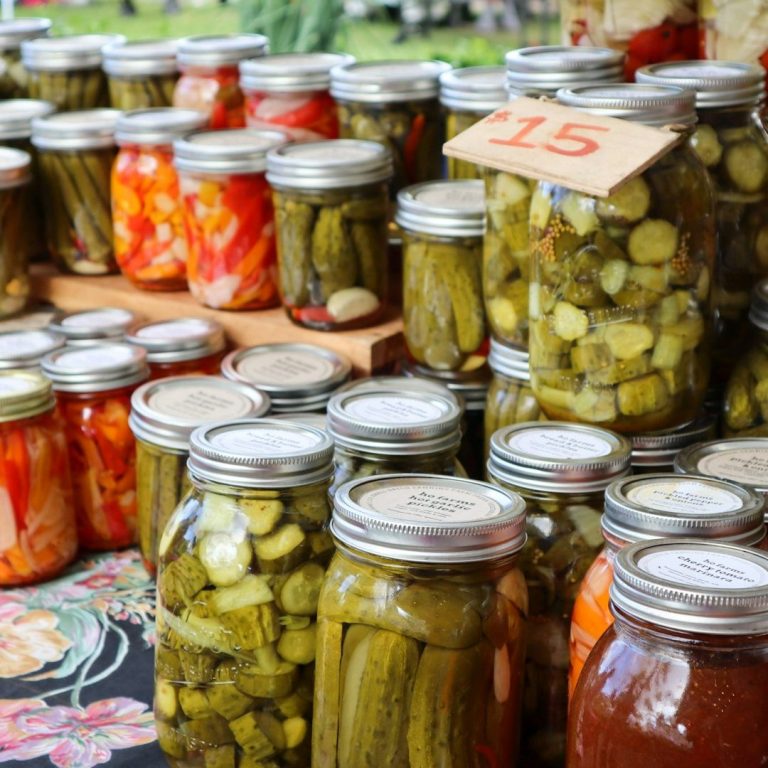
From Survival Skill to Culinary Star
What began as necessity has blossomed into global culinary artistry. Korean kimchi, German sauerkraut, Indian achar, and Middle Eastern pickled turnips all showcase how cultures developed distinctive preservation styles using local ingredients. Today, chefs elevate preserved vegetables from humble condiments to centerpiece dishes, while home cooks rediscover the satisfaction of "putting up" their own produce. In our age of food waste concerns, these ancient techniques offer sustainable solutions with exceptional flavor rewards.
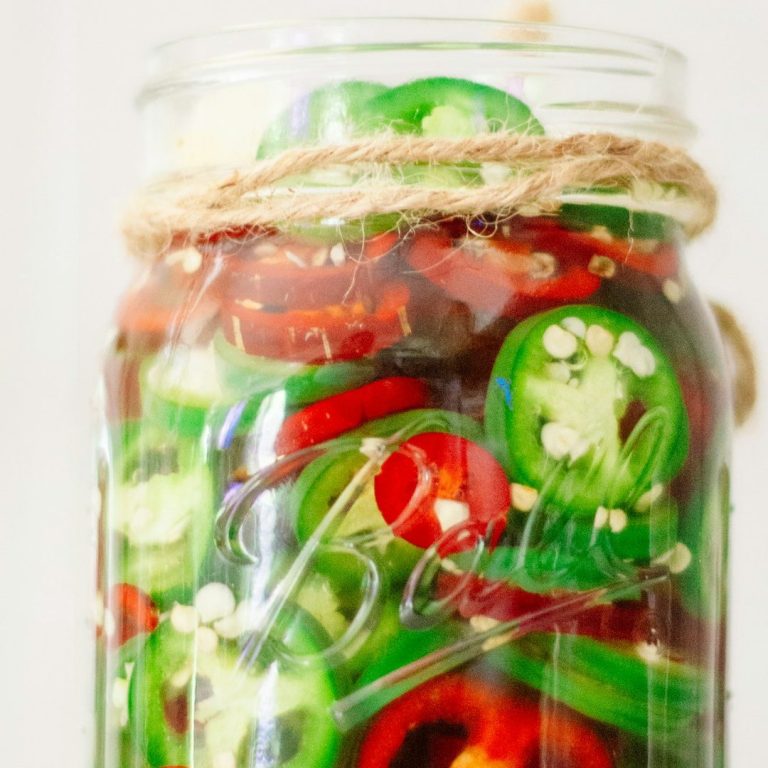
A Jar Full of History
Preserved vegetables connect us to our agricultural roots while addressing modern needs for sustainable, healthy foods. Each crunchy bite carries generations of wisdom - a testament to human ingenuity in working with nature's processes rather than against them. In rediscovering these preservation arts, we reclaim control over our food supply, reduce waste, and create flavors no supermarket jar can match. From grandmother's pickle recipes to experimental ferments, these traditions remind us that some of the most profound culinary transformations come from the simplest ingredients: vegetables, salt, and time.
Fascinating Preservation Facts
Space-Age Pickles NASA includes pickles in astronaut meals because their acidic nature makes them shelf-stable and resistant to spoilage in space conditions.
The Sauerkraut Superfood Captain James Cook prevented scurvy on his voyages by stocking barrels of sauerkraut - the vitamin C survived fermentation better than in fresh produce.
Pickles & Preserved Vegetables: The Tangy Taste of Time
Preserving vegetables is an act of rebellion against decay, a way to harness salt, vinegar, and spice to turn fragile produce into pantry staples with punch. Cucumbers become crisp dill pickles; onions morph into tangy-sweet garnishes; cabbage ferments into kraut buzzing with probiotics. The methods vary, quick-pickling in vinegar brines, fermenting with salt’s slow alchemy, or oil-preserving for silken textures, but all share a goal: to amplify flavor and extend shelf life without losing vitality.
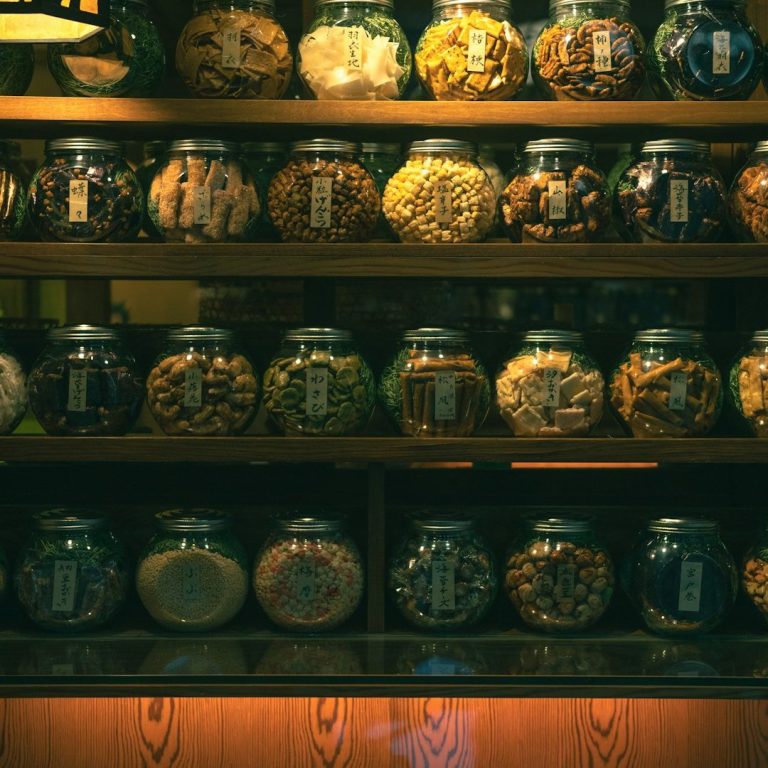
Pickling is equal parts science and art. A brine’s acidity must balance sharpness and sweetness; spices (mustard seed, turmeric, bay) add complexity. Fermentation, though ancient, feels modern in its microbial magic: salt draws out water, creating a bath where lactic acid bacteria thrive, transforming cabbage into kimchi’s fiery funk or green tomatoes into savory-sour gems. Unlike jam’s sweetness, pickles celebrate boldness, the crunch of a cornichon, the umami of miso-pickled radishes. They’re the quiet heroes of meals, lifting sandwiches, cheeses, and stews with their bright acidity. In a world of instant meals, preserved vegetables are a testament to patience, where time itself becomes an ingredient.
Starting Your Preservation Journey
Begin with simple refrigerator pickles or small-batch ferments. Invest in quality jars, weights, and non-iodized salt. Always follow trusted recipes for safety, especially when canning low-acid vegetables.
Three Fundamental Methods
Quick Pickling: Vinegar-based, for immediate use
Lacto-Fermentation: Salt and time create probiotic foods
Canning: Heat processing for shelf-stable preservation