
Salami Making: A Journey Through Time and Taste
Salami making represents one of humanity's most ingenious food preservation methods, transforming simple cuts of meat into complex, flavorful charcuterie through salt, spices, and controlled fermentation. This ancient craft combines butcher's skill with microbiological science, as beneficial molds and bacteria work their magic during the slow drying process. More than just preserved meat, quality salami embodies terroir: its flavor profile shaped by local climate, native microflora, and generations of artisan knowledge passed down through families and regions.
A History Cured in Time
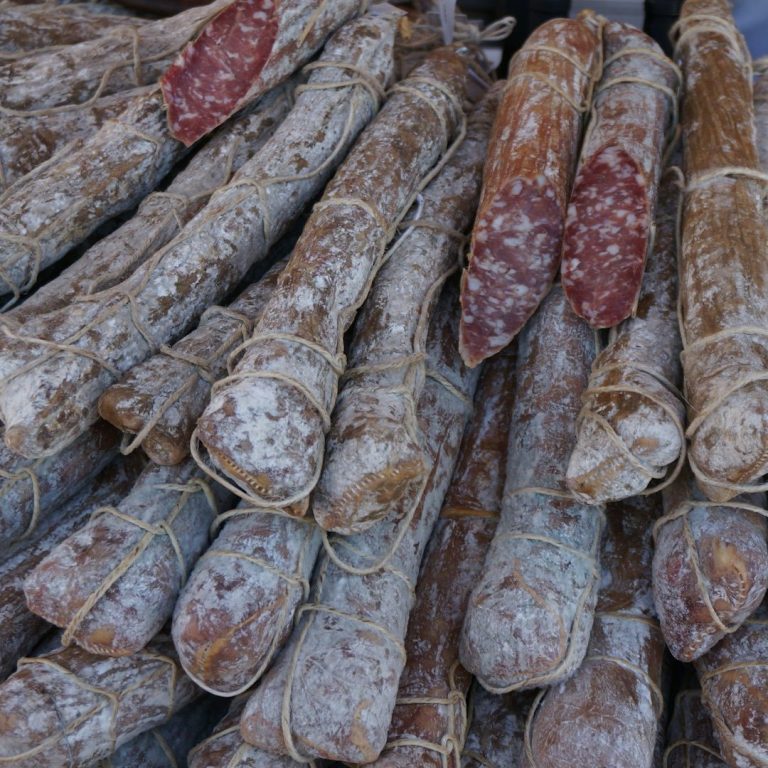
Evidence suggests ancient civilizations like the Babylonians and Romans made primitive cured sausages. Medieval European peasants perfected techniques using pork: the only meat they were permitted to keep after noble hunts. The word "salami" derives from the Latin "salumen," referring to salted meats. This global heritage reveals how different cultures independently developed similar preservation methods to solve universal food storage challenges.
The Charcutier's Patient Craft
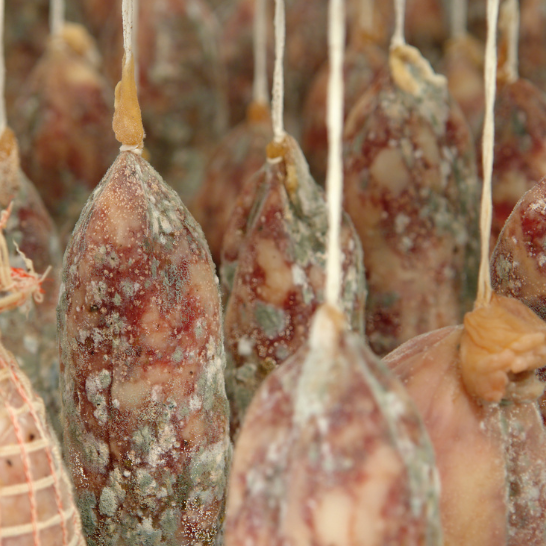
The salami maker's art lies in balancing precise measurements with intuitive adjustments. Exact ratios of salt to meat prevent spoilage while allowing desirable microbes to flourish. The addition of wine, garlic, or peppercorns becomes a signature touch. During the critical fermentation and drying phases, the maker must read subtle signs: the development of beneficial white mold, the gradual firming of texture, the emergence of complex aromas. This slow process, often taking months, teaches the modern virtue of patience in our instant-gratification world.
From Survival Food to Culinary Artistry
Originally developed to preserve precious protein through lean seasons, salami has evolved into a celebrated gastronomic treasure. From Hungarian szalámi to Italian soppressata, French saucisson to German landjäger, each region developed distinctive styles using local ingredients and techniques. Today, while industrial producers dominate supermarket shelves, a renaissance of traditional dry-cured sausages celebrates heritage breeds, small-scale production, and artisanal methods.
A Link to Our Culinary Past
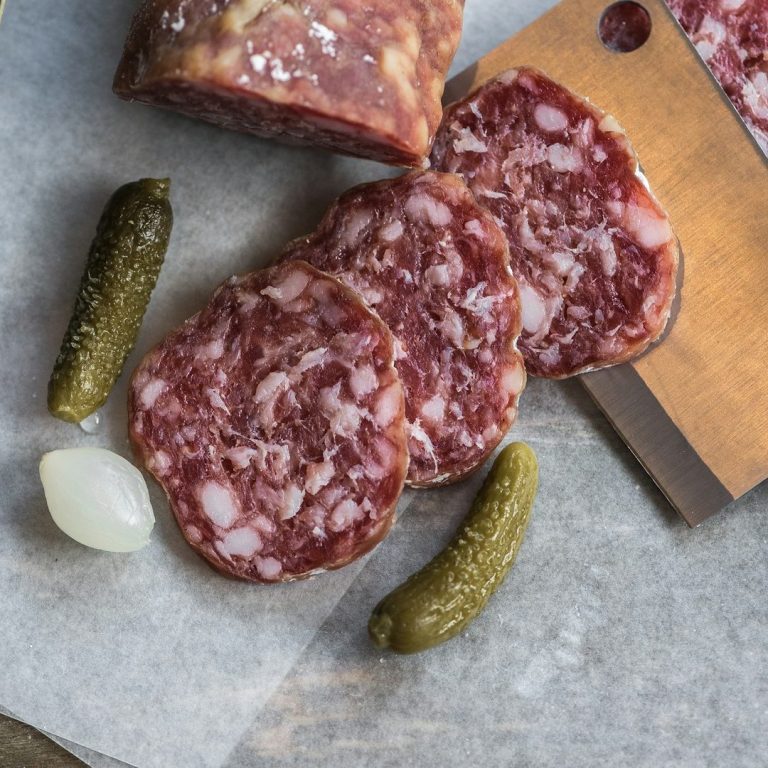
Salami making connects us to our ancestors' ingenuity while offering endless creative possibilities for modern palates. Each slice carries the imprint of its maker's choices: the blend of spices, the duration of aging, the particular microclimate of the curing room. In our era of industrial food production, crafting traditional cured meats represents a reclaiming of food sovereignty and a celebration of slow food values. To make salami is to participate in an ancient ritual of transformation, where simple ingredients become something greater through time and tradition. These flavorful links remind us that some of life's richest experiences come not from instant consumption, but from patient anticipation and respect for microbial alchemy.
Fascinating Salami Facts
The Mold That's Worth Its Weight in Gold The prized white mold (Penicillium nalgiovense) on traditional salami was originally cultivated from the walls of aging cellars and is now carefully maintained by artisan producers.
Space-Age Salami NASA includes shelf-stable dry salami in astronaut meals, making it one of the few traditional cured meats approved for space travel due to its safety and nutritional density.
The Science and Soul of Sourdough
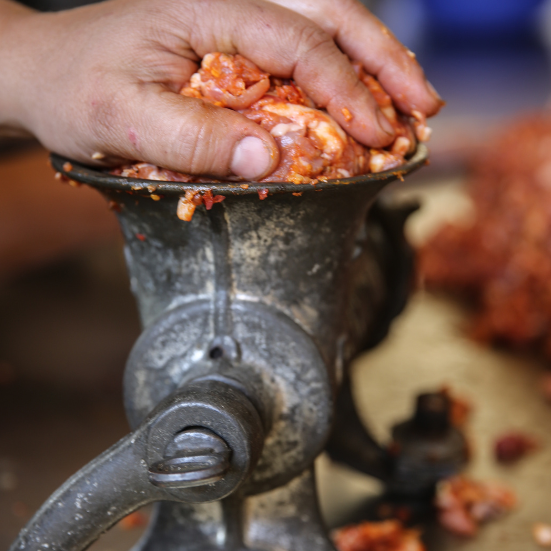
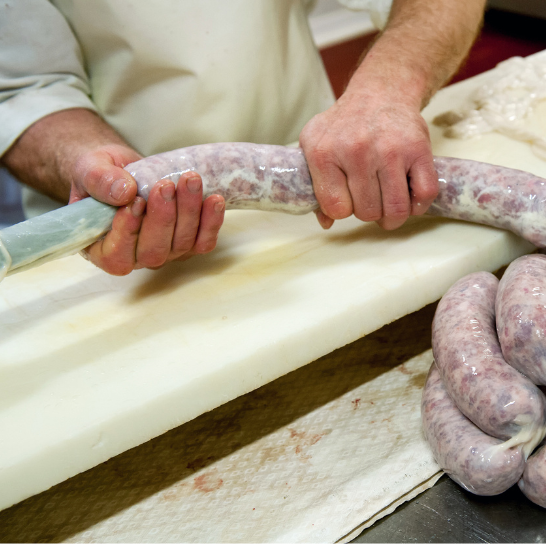
The journey begins with quality meat (pork, beef, or game) finely ground and mixed with salt, the essential preservative that inhibits harmful bacteria while drawing out moisture. Spices like garlic, black pepper, fennel, or wine are kneaded in, each blend a signature of regional heritage. Then comes the magic of fermentation: beneficial bacteria (like Lactobacillus) acidify the meat, while carefully controlled humidity and temperature coax the mixture into a stable, flavorful state. Stuffed into natural casings, the salami hangs in aging chambers, where weeks or months of patient drying concentrate its flavors into a rich, marbled slice of umami.
What makes salami extraordinary is its living evolution. Mold cultures (often Penicillium) bloom on the casing, creating a protective white coat that enhances flavor and prevents spoilage. The salami’s interior undergoes enzymatic breakdown, developing deep, complex notes of nuttiness, pepper, or wine. Like cheesemaking or sourdough baking, this craft relies on microbial allies, transforming raw ingredients through time and controlled decay. The salumiere’s expertise lies in balancing variables: humidity to prevent case hardening, airflow to encourage even drying, and temperature to guide fermentation.
Beginning Your Curing Adventure
Start with fresh, high-quality pork shoulder and back fat. Invest in proper equipment: meat grinder, curing salts, natural casings, and a controlled drying environment. Strict sanitation and precise measurements are crucial for safety. Consider beginning with faster-curing styles like 'nduja before attempting long-aged products.
The Four Sacred Stages
Grinding: Creating the perfect meat-fat ratio
Mixing: Incorporating spices and curing agents
Stuffing: Filling casings with the meat mixture
Aging: The slow fermentation and drying process