Soap Making: Alchemy of Cleanliness
Soap making is an ancient craft that blends chemistry and creativity, transforming simple ingredients into nourishing cleansing bars. For thousands of years, humans have combined fats and alkalis to create soap, a product that sanitizes, pampers, and even serves as a canvas for artistic expression. Modern soap making preserves this tradition while allowing endless customization through colors, scents, and textures. More than just a utilitarian object, handmade soap represents self-sufficiency, sustainability, and the satisfaction of crafting something truly personal.
Ancient Suds and Modern Innovations
The earliest evidence of soap dates back to 2800 BCE in Babylon, where a mixture of ashes and animal fat was used for cleaning. The Romans later improved soap recipes, using it for both bathing and laundering. By the Middle Ages, soap making became a respected trade in Europe, with cities like Marseille and Castile becoming famous for their olive oil-based soaps. The 19th century brought industrial production, but recent decades have seen a revival of small-batch, handcrafted soaps, returning to the artistry of this ancient craft.
A Ritual of Transformation
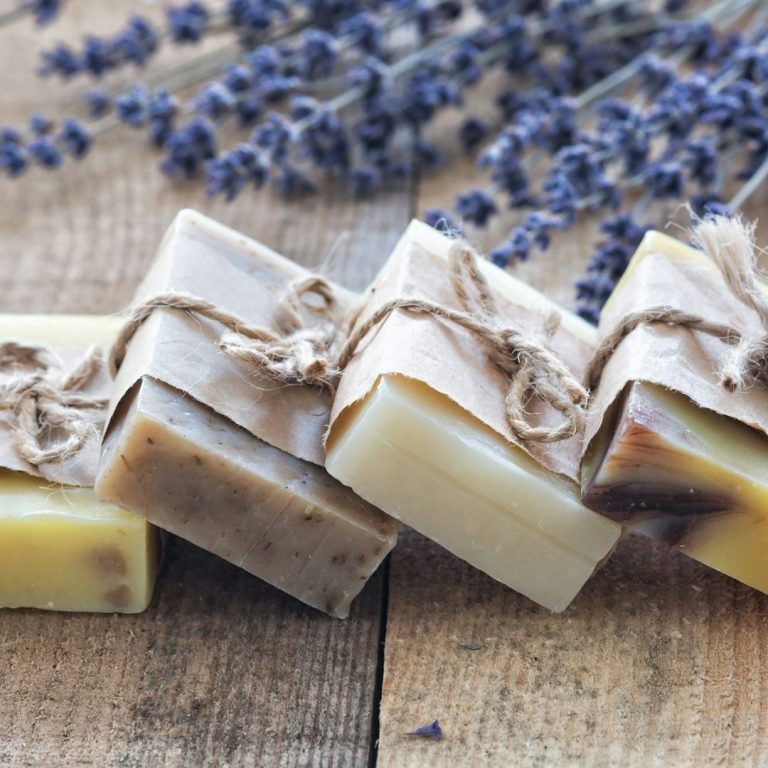
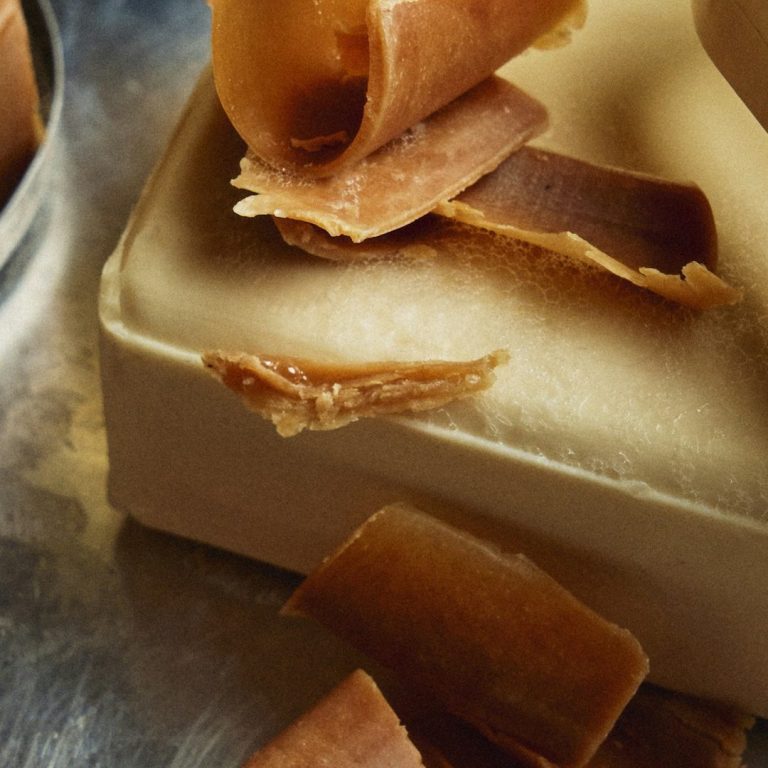
The process of soap making feels almost magical: oils and lye undergo saponification, a chemical reaction that produces soap and glycerin. Cold process, hot process, and melt-and-pour methods each offer different creative possibilities, from swirling vibrant hues to embedding dried flowers. The rhythmic stirring of the soap batter becomes meditative, while the anticipation of unmolding and curing teaches patience. Like baking or brewing, soap making rewards precision but also invites experimentation, a balance of structure and artistry.
From Function to Luxury
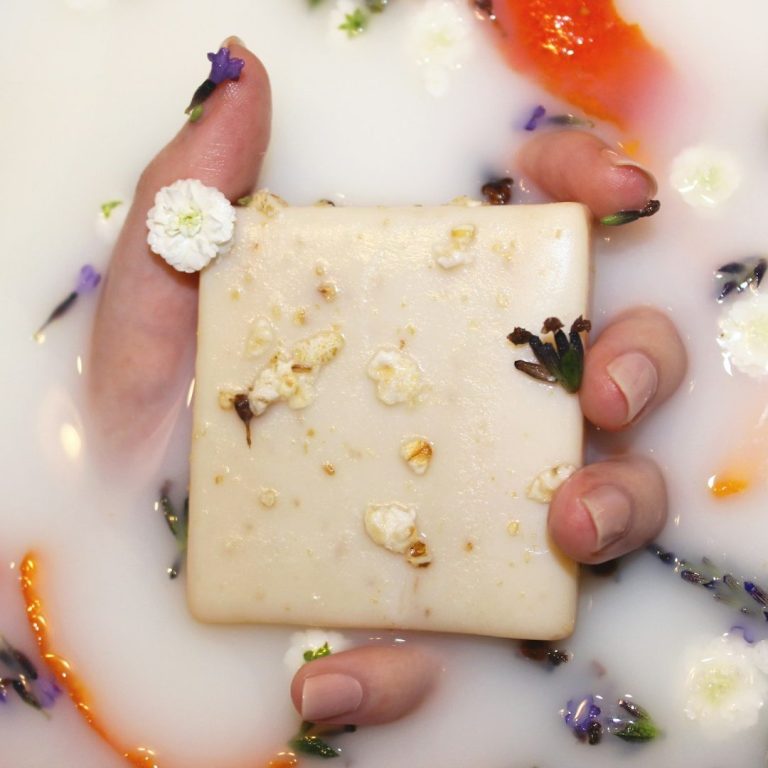
Historically, soap was a basic necessity, but today’s artisan soaps elevate bathing into a sensory experience. Ingredients like shea butter, oatmeal, and essential oils turn each bar into a skincare ritual. Handmade soaps avoid harsh detergents and plastic waste, appealing to eco-conscious consumers. Whether crafted in small batches at home or sold as a boutique product, soap making bridges practicality and indulgence, proving that even everyday objects can be extraordinary.
More Than Just Clean
Soap making connects us to generations of craftsmen while offering a creative outlet in our modern world. Each bar carries the maker’s care, whether through a signature scent, an intricate design, or simply the knowledge of pure ingredients. In a time of mass-produced goods, handmade soap stands as a testament to slowing down, honoring tradition, and finding beauty in the everyday. To make soap is to participate in an ancient, ongoing alchemy, one that turns simple elements into something both useful and wondrous.
Fascinating Facts About Soap
A Royal Obsession King Louis XIV of France employed a personal soap maker, and Versailles courtiers prized beautifully molded soaps scented with lavender and rose.
Soap in Space NASA developed special "no-rinse" soap for astronauts, as water behaves differently in microgravity and can’t be easily rinsed away.
Creating Your Own Handmade Soap
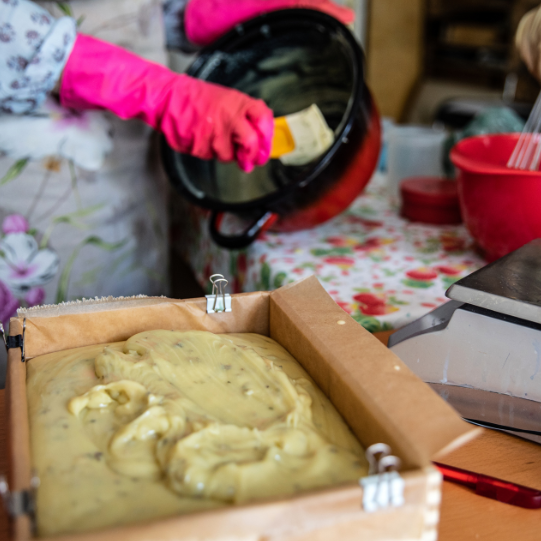
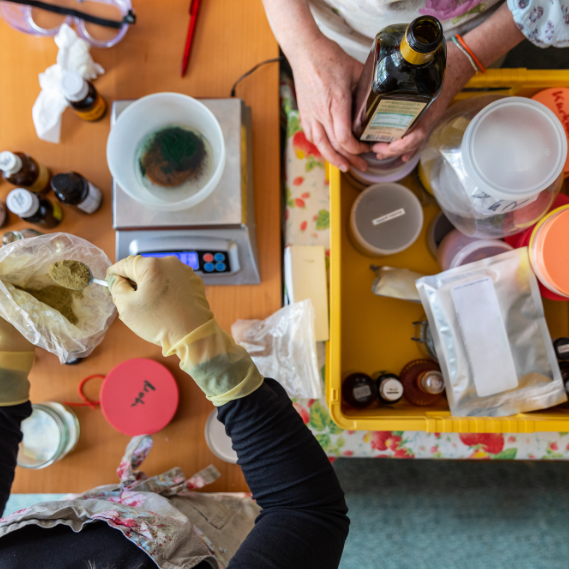
Crafting your own soap is a blend of chemistry and creativity, offering both practical benefits and artistic satisfaction. The process typically begins with selecting high-quality ingredients, such as plant-based oils (coconut, olive, or shea butter), lye (sodium hydroxide), and distilled water. Precise measurements are critical, as the chemical reaction between lye and oils, known as saponification, transforms these raw materials into soap. Safety precautions, including gloves and goggles, are essential when handling lye, as it is highly caustic before saponification. Once the lye solution is prepared and cooled, it is slowly mixed with melted oils until the mixture reaches "trace," a thickened consistency indicating the reaction has begun. At this stage, fragrances, essential oils, or natural additives like oatmeal or herbs can be incorporated for scent and texture.
The final steps involve pouring the soap into molds and allowing it to cure for four to six weeks, ensuring a mild, long-lasting bar. Cold-process soap making, the most traditional method, retains the glycerin produced during saponification, resulting in a moisturizing and gentle product. Alternatively, melt-and-pour techniques offer a simpler approach for beginners, using pre-made soap bases that only require melting and customization. Whether for personal use or as handmade gifts, soap making allows for endless experimentation with colors, scents, and designs. Like bonsai, it is a practice that rewards patience and precision, yielding a functional yet artistic creation that reflects both skill and personal expression.