The Fascinating World of Terrariums
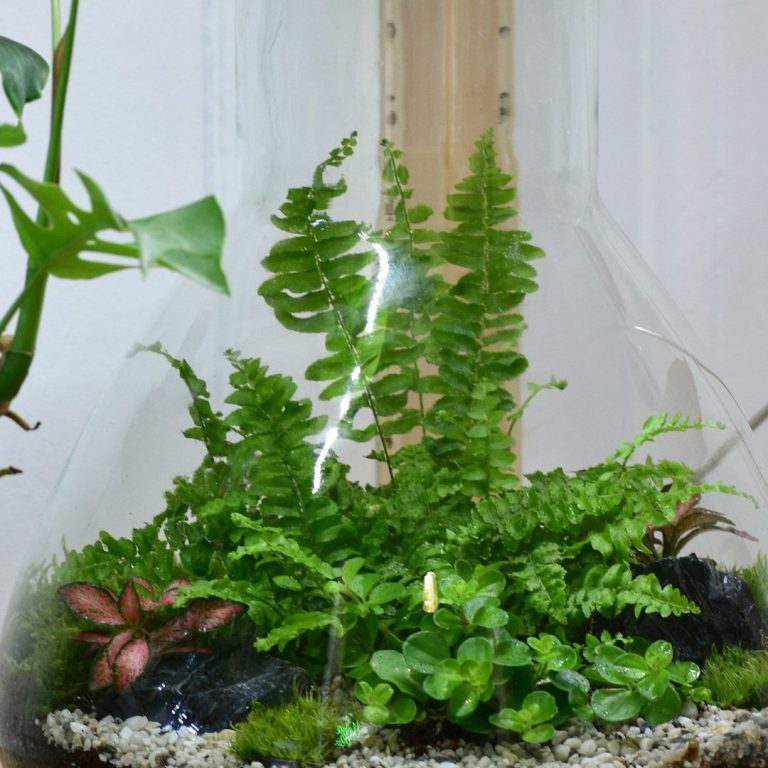
Terrariums are miniature, self-sustaining ecosystems enclosed in glass containers, offering a captivating way to bring nature indoors. These tiny gardens can range from simple setups with a single plant to elaborate landscapes featuring moss, ferns, and even small decorative elements like rocks or figurines. Terrariums are not only aesthetically pleasing but also educational, demonstrating how plants interact with their environment.
The Accidental Discovery of the Terrarium
The terrarium was discovered accidentally in 1842 by English botanist Nathaniel Bagshaw Ward. While studying insect behavior in sealed glass containers, he noticed that fern spores and grass seeds began to grow inside one of his jars, thriving in the self-sustaining humid environment. This observation led him to develop the Wardian case, an early form of the terrarium, which revolutionized plant transportation during the Victorian era by protecting delicate specimens on long sea voyages. Ward’s discovery not only advanced botanical science but also inspired the modern terrarium, making it a popular way to cultivate miniature indoor gardens.
Two kinds of the same World
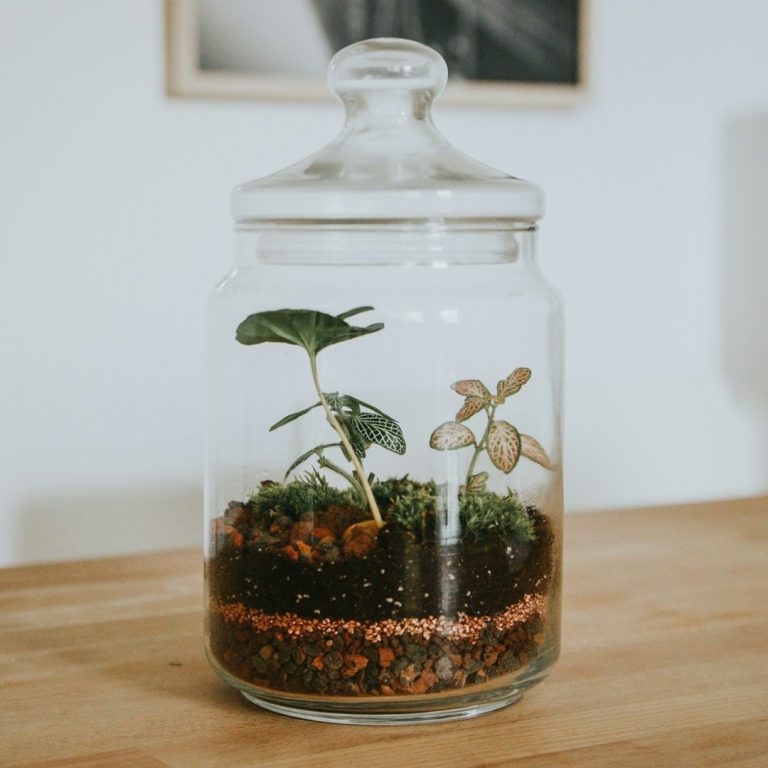
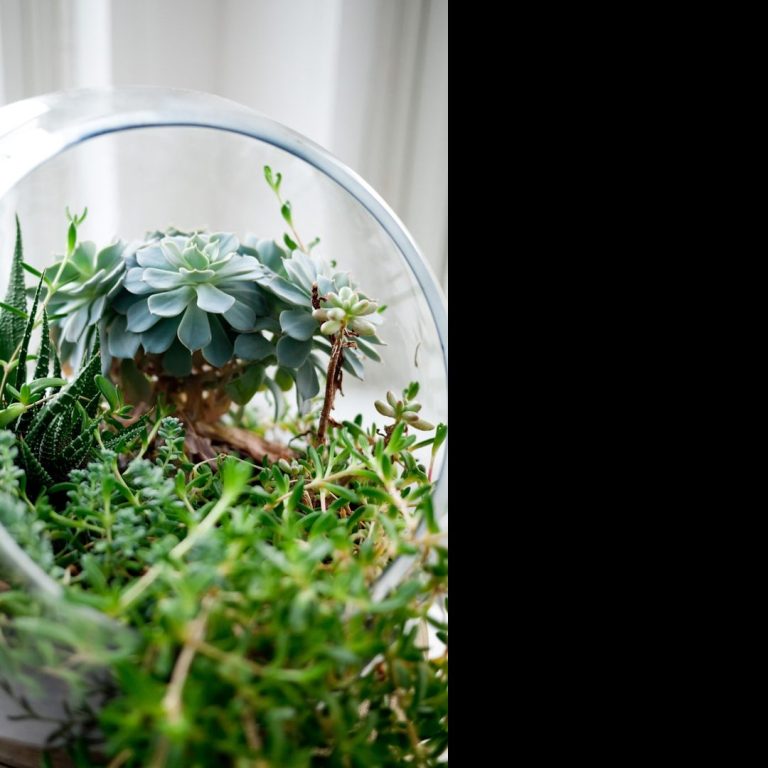
There are two main types of terrariums: open and closed. Open terrariums, typically used for drought-resistant plants like succulents and cacti, allow air circulation and require occasional watering. Closed terrariums, on the other hand, create a humid environment ideal for moisture-loving plants such as ferns and mosses. These sealed containers recycle water through condensation, mimicking a natural water cycle.
A World in a Jar
One of the most intriguing aspects of terrariums is their low-maintenance nature. Once properly set up with the right balance of soil, plants, and moisture, they require minimal care, making them perfect for busy individuals or those new to gardening. Additionally, terrariums serve as a creative outlet, allowing people to design unique, personalized landscapes in small spaces.
Many Ways of Create an
Ecosystem
In conclusion, terrariums are a beautiful blend of art and science, offering a glimpse into the delicate balance of ecosystems. Whether used as home décor, educational tools, or therapeutic hobbies, these miniature gardens bring a touch of nature’s wonder into everyday life.
Facts about Terrariums
Some Terrariums Have Survived for Over 50 Years Without Watering – One of the most famous examples is a sealed terrarium created by David Latimer in 1960, which has thrived with almost no intervention.
Terrariums Helped Save Rare Plants from Extinction – During the 19th century, Nathaniel Ward’s terrarium design (the Wardian case) allowed botanists to transport delicate plants, like ferns and orchids, across oceans without them drying out or dying.
How to Make a Terrarium in a Demijohn
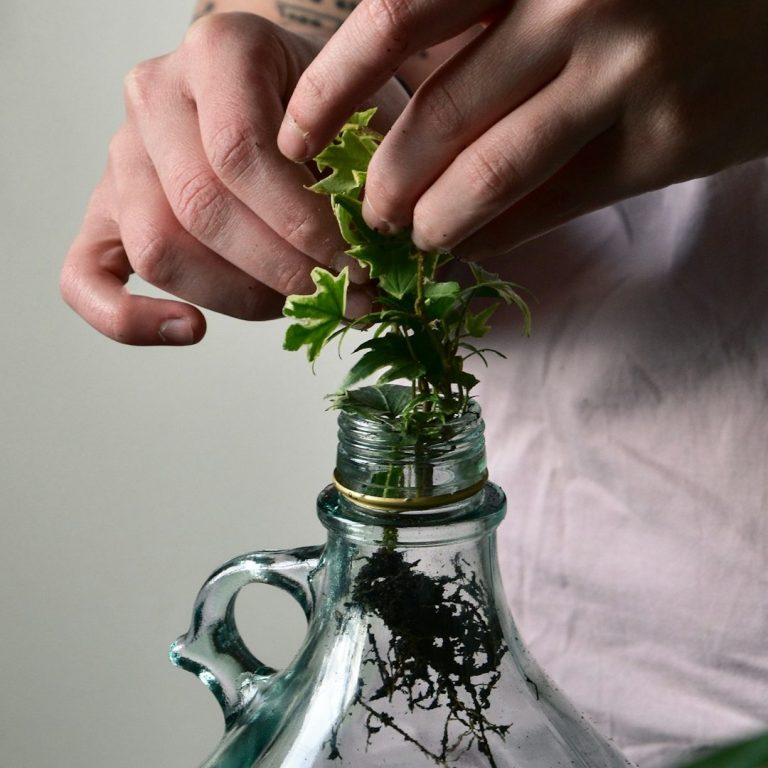
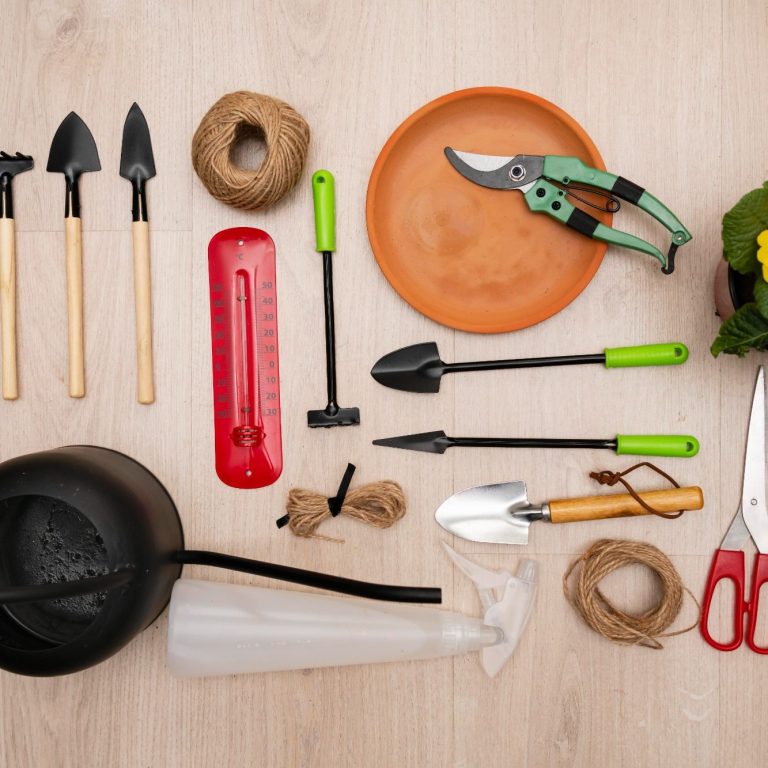
Creating a terrarium in a demijohn is a fun and rewarding project that results in a stunning, self-contained ecosystem. Start by gathering materials: a clean demijohn (a large glass vessel with a narrow neck), small pebbles or gravel for drainage, activated charcoal to prevent mold, potting soil, and small plants like ferns, moss, or succulents. Begin by layering the pebbles at the bottom, followed by a thin sprinkle of charcoal and a generous layer of soil. Since the demijohn’s opening is narrow, use long tweezers, a funnel, or a rolled-up paper to carefully place each component inside.
Next, select slow-growing plants that fit the demijohn’s size and light conditions. Trim the roots if needed, then gently tuck them into the soil using tools like chopsticks or a spoon (you can glue your tools to a stick if yor jar is too depe). Add decorative elements like small stones or driftwood for visual interest. After planting, lightly mist the terrarium with water, closed demijohns will retain moisture, while open ones need occasional watering. Place it in indirect sunlight and monitor condensation; if excess moisture builds up, briefly remove the lid (if applicable). With minimal care, your demijohn terrarium will thrive as a beautiful, low-maintenance miniature garden.