Upcycling: Creativity Meets Sustainability
Upcycling is the transformative process of giving discarded materials new life as functional or decorative objects. Unlike recycling, which breaks items down into raw materials, upcycling creatively repurposes waste in its existing form, breathing fresh purpose into old furniture, textiles, glass, and more. This eco-conscious craft merges environmental responsibility with artistic ingenuity, proving that one person’s trash can truly become another’s masterpiece.
From Necessity to Movement
Upcycling has roots in traditions of frugality, from Depression-era families repurposing flour sacks into clothing to wartime "make do and mend" campaigns. The term itself gained traction in the 1990s, popularized by eco-designers like William McDonough. Today, it’s a global phenomenon, embraced by DIYers and high-end designers alike, proving sustainability can be both accessible and stylish.

The Thrill of Reinvention
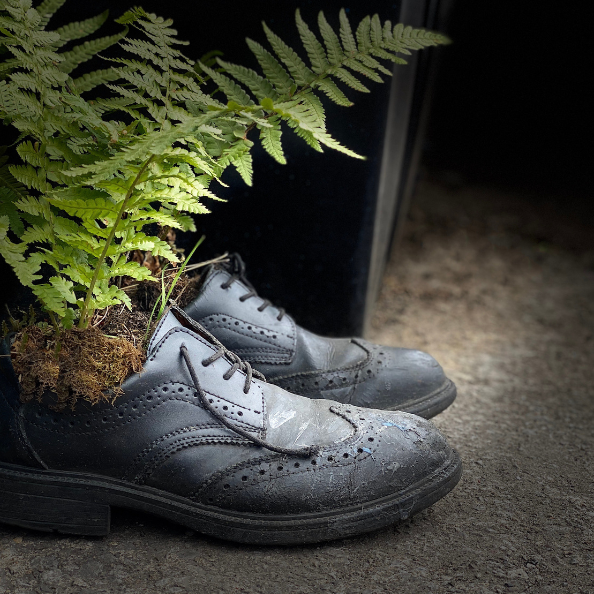
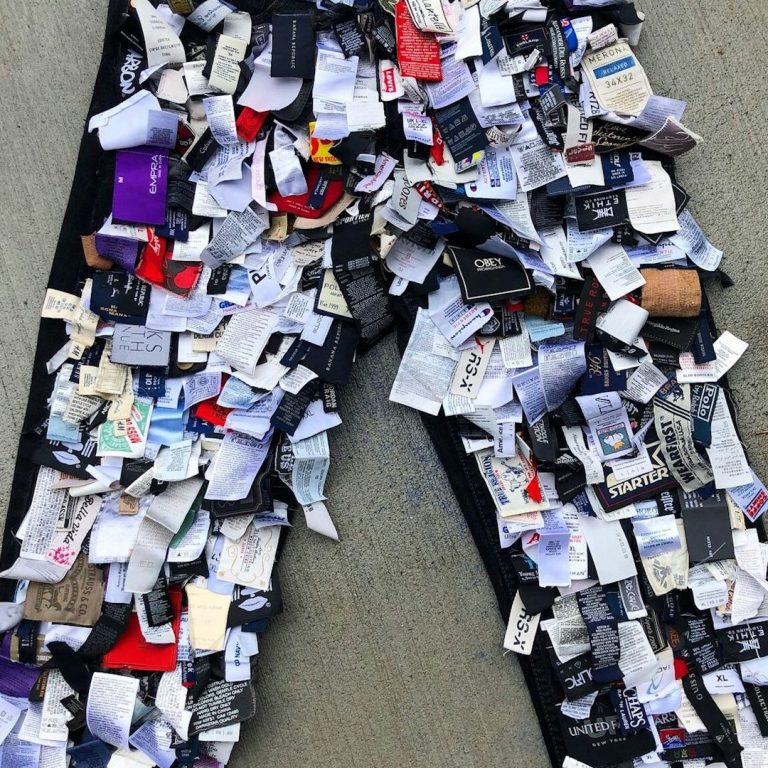
At its core, upcycling is an exercise in resourcefulness. A chipped teacup becomes a candle holder; worn-out jeans morph into a tote bag; wooden pallets evolve into chic shelving. The challenge lies in seeing potential where others see waste, a skill that fosters innovation and problem-solving. For many upcyclers, the joy comes not just from the finished product, but from the creative journey of experimentation and discovery.
A Rebellion Against Disposable Culture
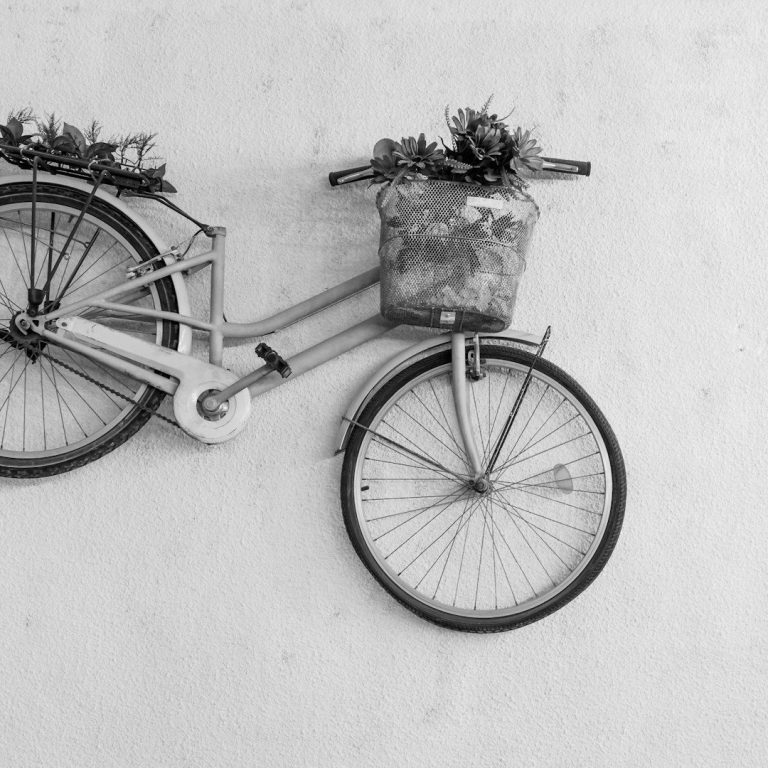
In a world drowning in fast fashion and single-use plastics, upcycling stands as a sustainable act of defiance. It reduces landfill waste, conserves resources, and challenges the notion that newer is always better. Each upcycled piece carries a story, a visible history that adds character and charm, making it far more meaningful than mass-produced goods.
The Future is Repurposed
Upcycling is more than a craft, it’s a philosophy. It teaches us to value resources, embrace imperfections, and find beauty in the overlooked. In an era of climate crisis, each upcycled creation is a small victory against waste, a tangible reminder that sustainability can be joyful and inventive. To upcycle is to reimagine the world, one discarded object at a time.
Fascinating Facts About Upcycling
Ancient Upcyclers The Vikings melted down broken glass beads to create new ones—one of the earliest examples of upcycling in history.
Space-Age Upcycling NASA repurposes retired spacecraft materials—like heat-resistant tiles from shuttles—into everyday items like jewelry and home decor.
Redefining Waste Through Creativity
Upcycling is an innovative and sustainable practice that breathes new life into discarded materials, transforming them into functional or decorative items of higher value. Unlike recycling, which breaks down materials, upcycling creatively repurposes them without compromising their integrity. The process begins with sourcing materials, old furniture, clothing, glass jars, or scrap wood, each selected for its potential to be reimagined. Preparation is key: cleaning, sanding, or deconstructing items ensures a fresh canvas for creativity. From there, the transformation unfolds through painting, sewing, welding, or assembling, guided by both practicality and artistic vision. A weathered ladder becomes a bookshelf; a denim jacket turns into a tote bag; glass bottles morph into pendant lights. The only limit is the maker's ingenuity.
What makes upcycling so compelling is its dual impact, it reduces waste while fostering unique, personalized design. Techniques vary widely, from simple modifications like decoupage or stenciling to more complex woodworking or textile reconstruction. Each upcycled piece carries a story, blending the history of its original form with its new purpose. Like collage or decoupage, upcycling rewards resourcefulness and patience, but it also champions sustainability, challenging the throwaway culture of mass production. Whether for eco-conscious home décor, fashion, or functional art, upcycling proves that beauty and utility can emerge from the most unexpected places. It’s not just craft; it’s a statement, a celebration of creativity’s power to redefine what we consider "waste."