Bread: The Staff of Life
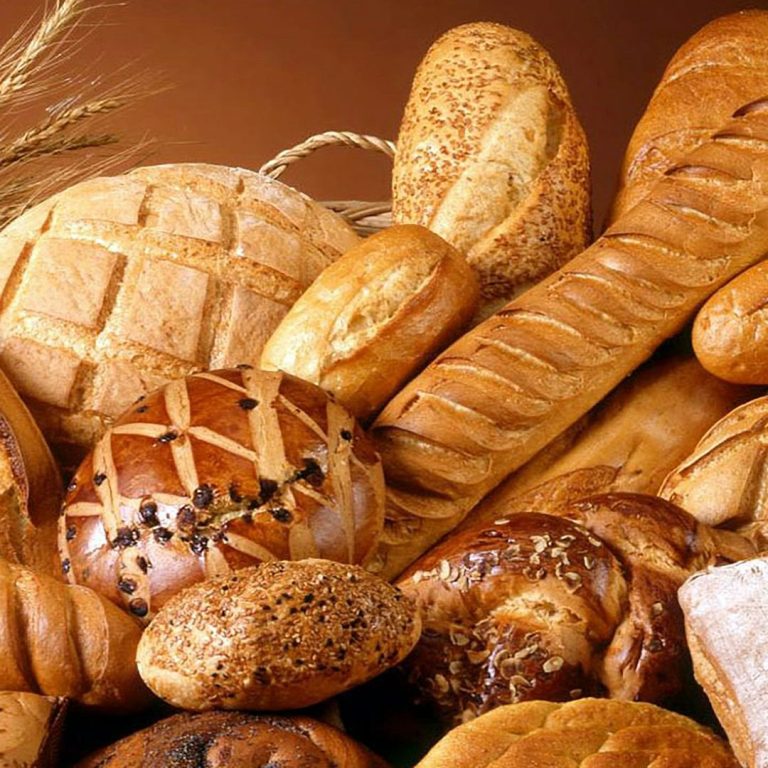
There is something fundamentally comforting about bread. This simple alchemy of flour, water, and time has sustained civilizations for millennia, rising from ancient hearths to modern ovens with unwavering constancy. Whether it's the crackling crust of a rustic sourdough, the pillowy softness of a milk bun, or the dense satisfaction of rye, each loaf tells a story of human connection. Bread is more than mere sustenance, it's a daily miracle, a universal language, and the very symbol of nourishment itself.
The Ritual of Breaking Bread
Few kitchen rituals compare to the sacred act of bread-making, the rhythmic kneading of dough, the patient wait for fermentation, the triumphant oven spring. That first tear into a fresh loaf releases an aroma that speaks directly to the soul. As the saying goes, "Good bread is the most fundamentally satisfying of all foods." From the simplicity of buttered toast at dawn to the ceremony of sharing a challah on Friday nights, bread transforms ordinary moments into something holy. It's no wonder that across cultures, the phrase "breaking bread" signifies friendship and trust.
The Terroir of Grain
Like wine or cheese, bread carries the taste of its origins. A French baguette sings of the local terroir in its wheat and water, while a German pumpernickel tells of dark rye fields and slow baking. The character changes with the grind of the flour, stone-ground whole wheat offering earthy complexity, while finely-milled white flour provides ethereal lightness. Even the local wild yeasts lend distinctive personalities to sourdoughs across regions. As artisan bakers say, "The best flour is the one grown closest to your oven."
Nature's Perfect Alchemy
Bread's Extended Family
Beyond its nourishing qualities, bread represents humanity's first biotechnology, the capture of wild yeast to work magic with grain. Ancient bakers discovered that given time and care, humble ingredients could rise to greatness. Modern science reveals the poetry in this process: enzymes breaking down starches, gluten strands forming elastic networks, and yeast exhaling carbon dioxide like microscopic bakers. A proper sourdough contains an entire ecosystem, while a quick bread demonstrates chemistry's instant gratification. As bakers know, every loaf is a negotiation with invisible forces.
The world of bread includes delightful relatives: flatbreads like naan and tortillas that require no oven; steamed buns with their cloud-like texture; and crispbreads that last for seasons. Byproducts find purpose too, stale bread becomes French toast or bread pudding, while breadcrumbs add crunch to countless dishes.
P.S.:Pizza.
Curious Bread Facts
- The oldest evidence of bread-making dates back 14,000 years (predating agriculture!)
- French law dictates traditional baguettes can only contain flour, water, yeast, and salt
- The air pockets in bread are called the "crumb"
- During WWII, the British government secretly developed the "National Loaf" with added nutrients