
Cocoa: A Comforting Embrace
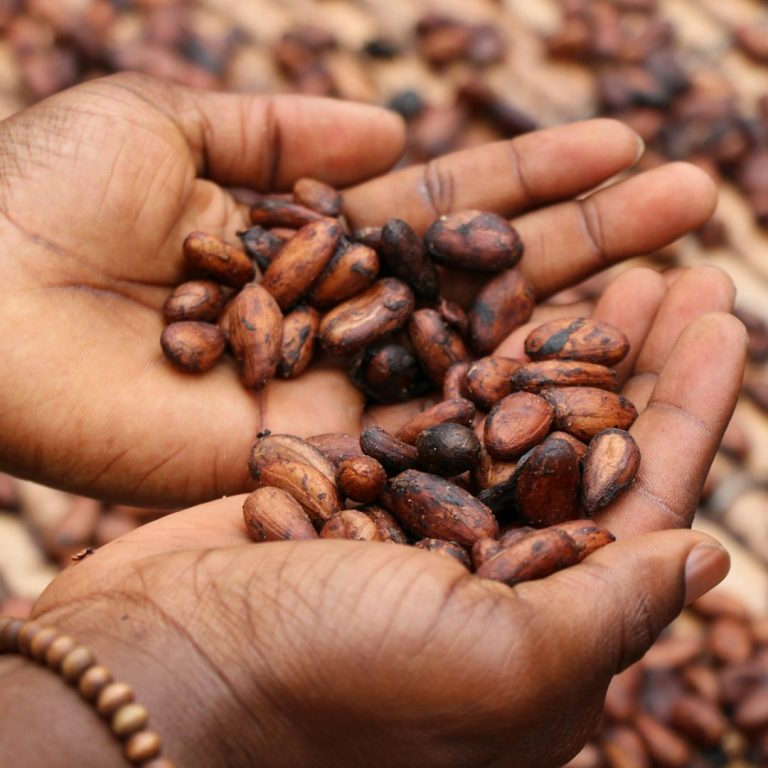
There is something profoundly heartwarming about cocoa. This velvety treasure, born from the seeds of tropical cacao trees, has been cradling civilizations in its rich embrace for millennia. Whether it's the deep complexity of dark chocolate, the nostalgic sweetness of childhood hot cocoa, or the luxurious foam of a crafted mocha, each form of cocoa carries its own magic. More than just an ingredient, cocoa is a universal language of comfort, celebration, and connection.
The Ritual of Warmth
Few experiences compare to wrapping chilled fingers around a steaming mug of hot chocolate, watching marshmallows bob like little clouds on its dark surface. That first sip, sweet, slightly bitter, and deeply comforting, is like a hug from within. As the Aztecs believed, cocoa was "the drink of the gods," and today, it remains a sacred ritual for snowy mornings, heart-to-heart conversations, and moments of quiet reflection. Whether enjoyed as Mexican chocolate spiced with cinnamon, Swiss-style thick and creamy, or Spanish-style airy and frothy, cocoa adapts to every culture’s idea of comfort.
The Journey from Bean to Bar
Like wine or coffee, cocoa carries the essence of its origins. A bar of Madagascan chocolate bursts with red berry notes, while Venezuelan cocoa offers deep, nutty undertones. Chocolate makers speak of "terroir", how soil, rainfall, and fermentation shape each harvest. The transformation from bitter bean to silky chocolate is an alchemy of roasting, grinding, and conching, turning humble seeds into something extraordinary. As craft chocolatiers say, "Every bar tells the story of its makers."
Nature’s Mood-Enhancing Gift
Cocoa’s Delicious Kin
Beyond its indulgent taste, cocoa has long been cherished for its uplifting properties. Ancient Mayan healers used it to boost strength, while European apothecaries prescribed it as medicine. Modern science reveals why: cocoa contains theobromine for gentle alertness, phenylethylamine for euphoria, and magnesium to soothe nerves. A square of dark chocolate can brighten a gloomy afternoon, while a cup of rich cocoa may soften the edges of a difficult day. It’s as if the cacao bean was designed by nature to be both pleasure and remedy.
And then there are cocoa’s delightful relatives: cacao nibs, crunchy and packed with flavor; chocolate liqueur, the essence of cocoa in liquid form; and cacao tea, made from the husks of roasted beans. Even mole sauce, where chocolate meets chili and spices, shows cocoa’s surprising versatility beyond sweetness.
Curious Cocoa Facts
- The scientific name for the cacao tree, Theobroma cacao, means "food of the gods."
- It takes about 400 cacao beans to make one pound of chocolate.
- White chocolate isn’t technically chocolate, it contains cocoa butter but no cocoa solids.
- The first chocolate bar was created in 1847 by Joseph Fry in England.