
Preserved Sunshine: Dried Foods
There is something quietly miraculous about dried foods. These concentrated morsels, shriveled fruits, leathery herbs, and jewel-like vegetables, hold within them the captured essence of summer’s abundance. Whether it’s the chewy sweetness of a sun-dried apricot, the earthy intensity of a dried porcini mushroom, or the briny whisper of salted cod, dried foods are more than mere ingredients. They are patience made edible, time suspended in delicious form.
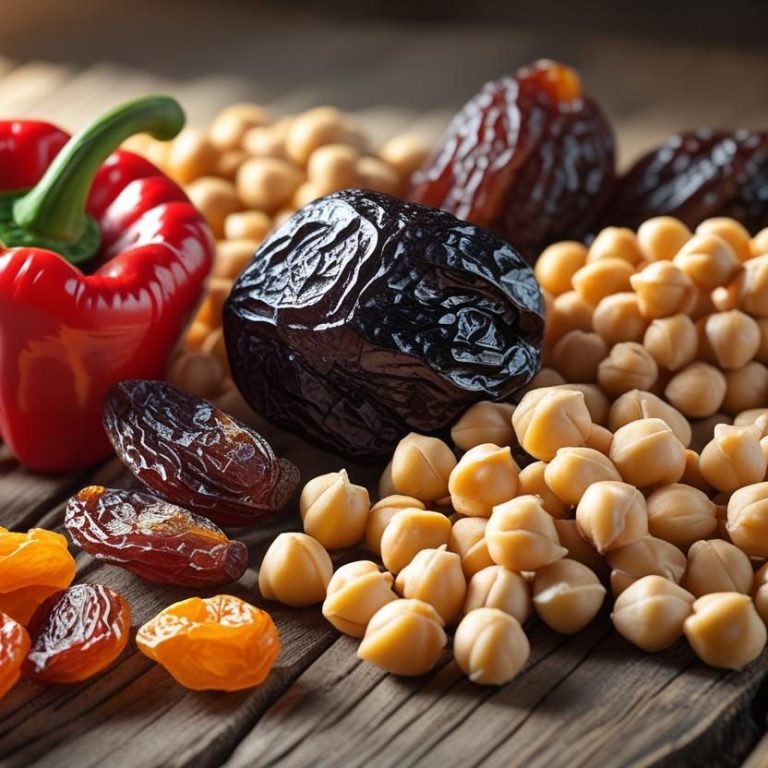
The Alchemy of Evaporation
Few kitchen transformations are as elegantly simple as drying. By removing moisture, through sun, wind, smoke, or modern dehydrators, we outsmart spoilage while intensifying flavor. A grape becomes a raisin, shrinking into itself like a sweet secret. A tomato surrenders its juice to become a leathery umami bomb. As the old saying goes, "What the sun dries, it also sweetens." The process requires nothing but time and care, turning fragile harvests into pantry treasures that wait patiently for their moment.
The Modern Pantry Revival
In our age of refrigeration, dried foods have become choices rather than necessities, and how lucky we are to choose them. A handful of dried morels can transform risotto; a sprinkle of dried lavender elevates shortbread. The Japanese practice of hoshigaki (hand-dried persimmons) reminds us that slow food can’t be rushed, while backpackers’ freeze-dried meals prove drying’s space-age potential. Even bartenders now use dried citrus wheels as aromatic garnishes, closing the circle between ancient preservation and modern mixology.
A Global Tradition
A Kitchen of Possibilities
Every culture has its drying rituals:
- Italian nonnas stringing chili peppers like ruby garlands
- Nordic fishermen laying cod on wooden racks to become klipfish
- Japanese artisans air-drying daikon into golden kiriboshi
- Mexican farmers transforming mango slices into chamoy-dusted treasures
These techniques were born of necessity but perfected into art forms. The Portuguese bacalhau (salt cod) fueled sea voyages; Middle Eastern mulukhiyah (dried jute leaves) sustained families through lean winters. Today, they remain beloved not just for longevity, but for the unique textures and flavors only drying can create.
The beauty of dried foods lies in their duality, they’re both emergency ration and luxury ingredient. That bag of dried chickpeas could become hummus tomorrow or wait happily for a year. The dried porcinis you brought back from Italy might elevate a Tuesday pasta or wait for a special occasion. As cookbook author Paula Wolfert observed, "Dried foods are like culinary time travelers."
Curious Dried Facts
- The oldest known dried food? 4,000-year-old beef jerky found in Egyptian tombs
- Drying intensifies vitamin C in rose hips and bell peppers
- Properly dried beans can last decades (but may need longer soaking)
- "Prune" is just a fancy name for a dried plum