
Mushrooms: The Quiet Wonder
There is something quietly magical about mushrooms. These mysterious organisms, neither plant nor animal, emerge from the damp earth like nature’s secret keepers. Whether it’s the meaty bite of a portobello on the grill, the delicate frills of oyster mushrooms in a stir-fry, or the golden treasure of chanterelles foraged from the forest floor, fungi bring an earthy depth to our plates and imaginations. Mushrooms are more than just food, they are quiet alchemists, decomposers, and connectors of life, weaving unseen networks beneath our feet.
The Art of the Hunt
Few culinary adventures rival the thrill of mushroom foraging. Wandering through dew-kissed woods, eyes trained for a flash of color among the leaves, the forager becomes part detective, part poet. The discovery of a perfect porcini or a cluster of shaggy manes feels like uncovering buried treasure, nature’s reward for patience and observation. As mycologist Paul Stamets says, "Mushrooms are miniature pharmaceutical factories." But even the simplest sautéed mushrooms, butter glistening on their caps, transform a humble meal into something rich and satisfying.
Disclaimer: Always hunt mushrooms with an expert who can accurately identify safe species. Misidentification can be deadly, never consume wild mushrooms without verified knowledge. Stay safe!
A World of Shapes and Stories
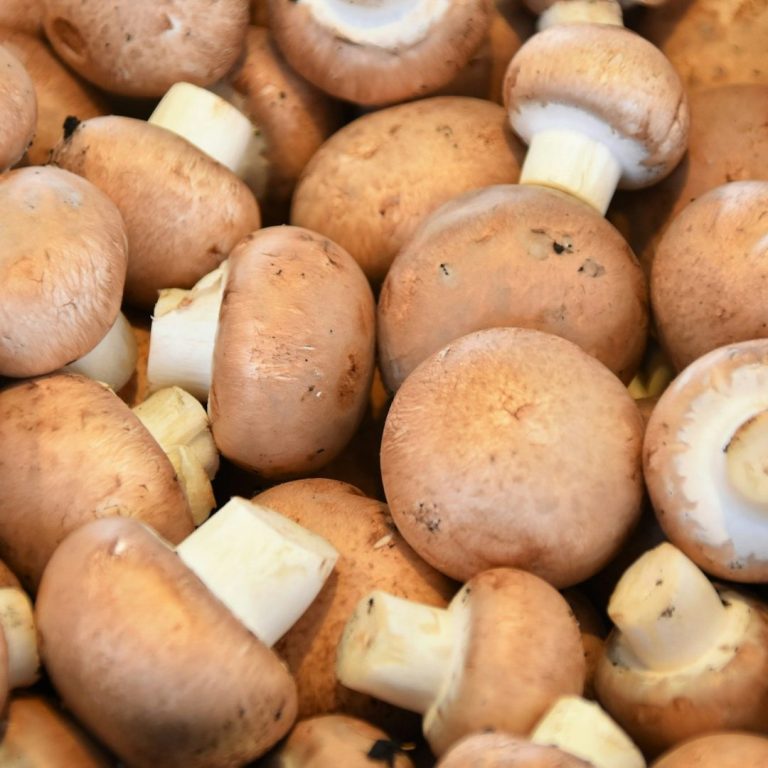
The fungal kingdom is astonishingly diverse. Button mushrooms are the friendly, familiar staple; shiitakes bring umami depth to broths; morels, with their honeycomb caps, are the elusive jewels of spring. Then there are the oddities: bioluminescent mushrooms that glow in the dark, "zombie" fungi that hijack insects, and puffballs that release smoky spores when touched. Each variety has its own lore, truffles hunted by pigs and dogs, matsutake prized in Japanese autumn feasts, or the blue-staining bolete that reveals its magic when bruised.
Nature’s Silent Partners
A Final Savoring
Beyond their culinary charm, mushrooms are essential to life itself. They break down fallen trees, recycle nutrients, and form symbiotic relationships with trees through vast underground networks called mycelium, the "Wood Wide Web." Ancient cultures revered mushrooms for their healing properties, from the immune-boosting reishi to the lion’s mane, believed to sharpen the mind. Modern science is just beginning to unlock their potential, from antibiotics to eco-friendly packaging. A mushroom is never just a mushroom, it’s a thread in nature’s grand tapestry.
Next time you enjoy mushrooms—whether in a creamy soup, on a pizza, or simply sautéed with garlic, pause to appreciate their quiet journey. Taste the forest floor, the autumn rain, the hidden mycelial threads that bind ecosystems together. Mushrooms remind us that the most extraordinary things often grow in darkness, that decay can birth new life, and that there is still mystery in the world, waiting just beneath the surface. In their earthy, umami richness, we taste not just a meal, but the very cycle of life itself.
Curious Fungal Facts
- The largest living organism on Earth is a honey fungus in Oregon, spanning 2,385 acres
- Mushrooms are more closely related to humans than to plants
- Some species can break down plastic and oil spills in months
- Ancient Egyptians believed mushrooms granted immortality, reserving them for royalty