
Spirits: The Water of Life
There is something almost magical about spirits. These distilled elixirs, born from fire and patience, carry within them the essence of their ingredients, golden grains, sun-ripened grapes, even the smoky whispers of peat. Whether it's the caramel warmth of an aged bourbon, the crisp bite of a London dry gin, or the earthy complexity of a fine mezcal, spirits are more than just drinks. They are bottled history, liquid geography, and the distilled soul of cultures across the world.
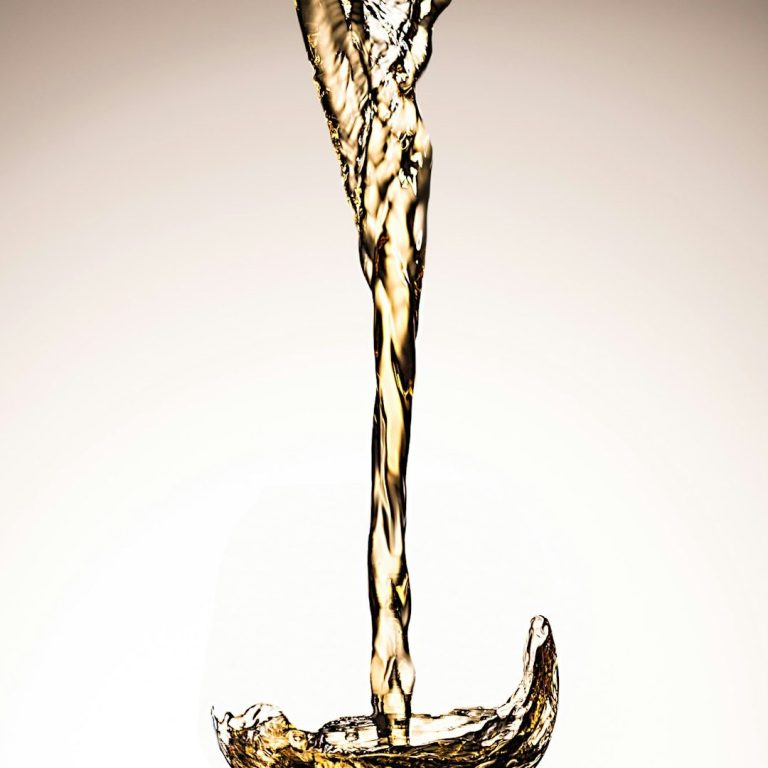
The Art of Transformation
Few processes are as transformative as distillation. What begins as simple fermentation, yeast working its quiet magic on fruit or grain, becomes something extraordinary through heat and copper. The alchemist's dream realized: ordinary mash turned to "aqua vitae," the water of life. The distiller's craft lies in knowing what to keep, the "heart" of the run, and what to discard. As the Scottish say of whisky making, "It takes a lot of good beer to make great whisky." That first sip of a well-crafted spirit is a revelation, heat giving way to flavor, alcohol to artistry.
A World in a Glass
The spirit family spans continents and cultures:
- Whisky (with or without the 'e')—from Scotland's peaty single malts to America's corn-rich bourbons
- Vodka—crisp and clean, whether Polish potato or Swedish winter wheat
- Rum—from funky Jamaican pot still to smooth Cuban añejo
- Brandy—the elegant distillation of wine's soul
- Gin—a juniper-led botanical symphony
- Mezcal—smoky and wild, kissed by Mexican fire
Each category contains multitudes, the difference between an Irish single pot still and a Japanese single malt whisky is the difference between a sonnet and haiku.
Nature’s Silent Partners
The Ritual of the Pour
Every great spirit tells a story of place and people. Cognac carries the chalky soil of France's Charente region in its veins; tequila holds the highland sun of Jalisco in every golden drop. Some recipes remain unchanged for centuries, passed down like family secrets. The Irish claim St. Patrick introduced distillation (though history suggests otherwise), while Caribbean rum tells darker tales of sugar plantations and naval rations. Today, craft distillers honor these traditions while creating new ones, aging whiskey in unusual casks, reviving forgotten grains, or experimenting with local botanicals.
There's ceremony in spirits, the clink of ice in a heavy tumbler, the ritual of the neat pour, the shared bottle among friends. Unlike wine or beer, spirits wait patiently for their moment. A bottle opened today might be enjoyed slowly over years, each pour marking occasions both ordinary and extraordinary. The Japanese have a word for this quiet appreciation: "yoin", the resonance that lingers after a beautiful experience.
Curious Spirits Facts
- The word "whisky" comes from the Gaelic "uisge beatha" (water of life)
- Angel's share—the 2-4% of whisky that evaporates from barrels each year
- The world's oldest known licensed distillery is Ireland's Bushmills (1608)
- Clear spirits like vodka were traditionally preferred by royalty—color suggested impurities
- Drink Responsibly -