
Vegetable Oils: Liquid Gold
There is something quietly miraculous about vegetable oils. These golden liquids, pressed from seeds, nuts, and fruits, carry within them the very soul of the plants they come from. Whether it's the grassy perfume of extra virgin olive oil, the buttery richness of avocado oil, or the nostalgic warmth of toasted sesame oil, these oils are more than just cooking mediums, they're bottled sunshine, the concentrated energy of countless sunrises captured in shimmering amber.
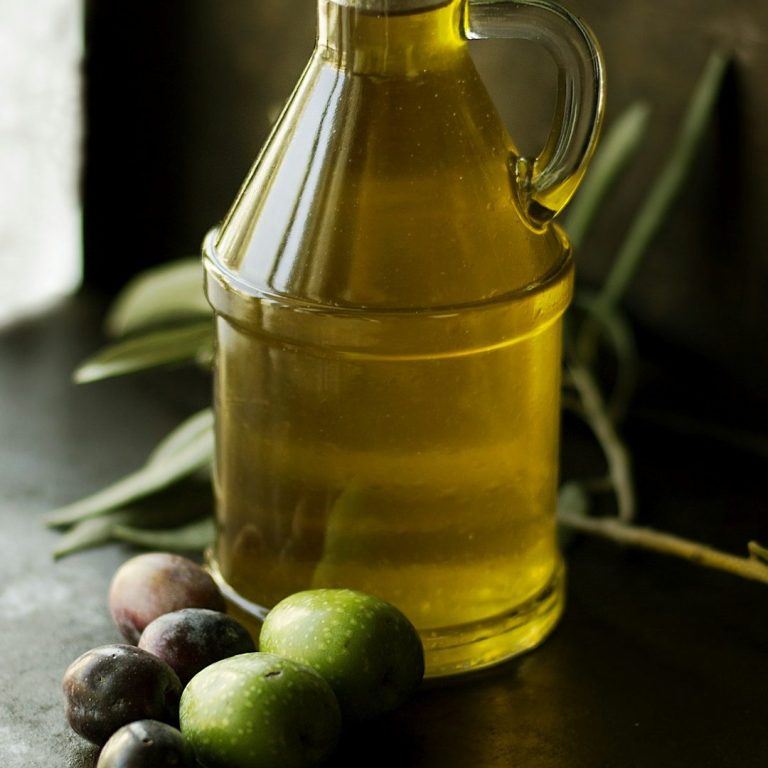
The Alchemy of Extraction
Few kitchen transformations are as elegant as oil pressing. Through ancient stone mills or modern hydraulic presses, humble seeds surrender their hidden treasure. The process is alchemy at its purest, sunflowers, olives, and coconuts transformed into liquid gold. As the Provençal saying goes, "The olive gives its oil as the vine gives its wine." Cold-pressed oils retain the whispers of their origins, you can taste the terroir in a single drizzle, just as you might in a fine wine.
The Modern Oil Renaissance
Today's oil shelves burst with options our grandparents never knew, walnut oil for finishing dishes, avocado oil for high-heat cooking, even algae oil as a sustainable future. Artisan producers small-batch oils like pumpkin seed or macadamia, each with unique flavors and smoke points. Food scientists now understand how different fatty acid profiles affect our health, while chefs celebrate oils as ingredients rather than just utilities. That bottle of fancy olive oil you save for special occasions? It's finally having its moment in the spotlight.
A Global Pantry Staple
The Poetry of Application
Every cuisine has its oil traditions:
- Mediterranean kitchens glistening with emerald olive oil
- Asian woks dancing with fragrant peanut oil
- Indian curries blooming with mustard oil's pungent heat
- Mexican abuelas frying tortillas in golden corn oil
These oils tell stories of geography and necessity, palm oil sustaining West African stews, argan oil prized in Moroccan beauty rituals, rapeseed becoming canola through Canadian innovation. They're the silent partners in every sauté, the uncredited heroes behind perfect fried chicken and crisp salad dressings.
The magic of oils lies in their versatility, the same bottle that dresses your salad might cure your squeaky door hinge. A drizzle of truffle oil elevates pasta to luxury, while a spoonful of coconut oil can bake cookies or moisturize skin. As chef Alice Waters notes, "Good oil is like good wine, it should taste like where it comes from." Whether you're frying, baking, dressing, or preserving, oils are the silent conductors of the culinary orchestra.
Curious Oil Facts
- It takes about 1,000 olives to make one liter of extra virgin olive oil
- Safflower oil has the highest smoke point of cooking oils (510°F/265°C)
- Ancient Egyptians used castor oil as lamp fuel and medicine
- "Vegetable oil" is a catch-all term—most are actually seed oils