Wine: Bottled Poetry
There is something profoundly human about wine. This ruby, golden, or violet-hued nectar has flowed through human history for over 8,000 years, from ancient Georgian qvevris to modern crystal decanters. Whether it's the lively burst of a young Beaujolais, the contemplative depth of an aged Barolo, or the honeyed richness of a late-harvest Riesling, wine is more than just a beverage, it's liquid geography, bottled time, and the very essence of place transformed by human hands.
The Alchemy of Sun and Soil
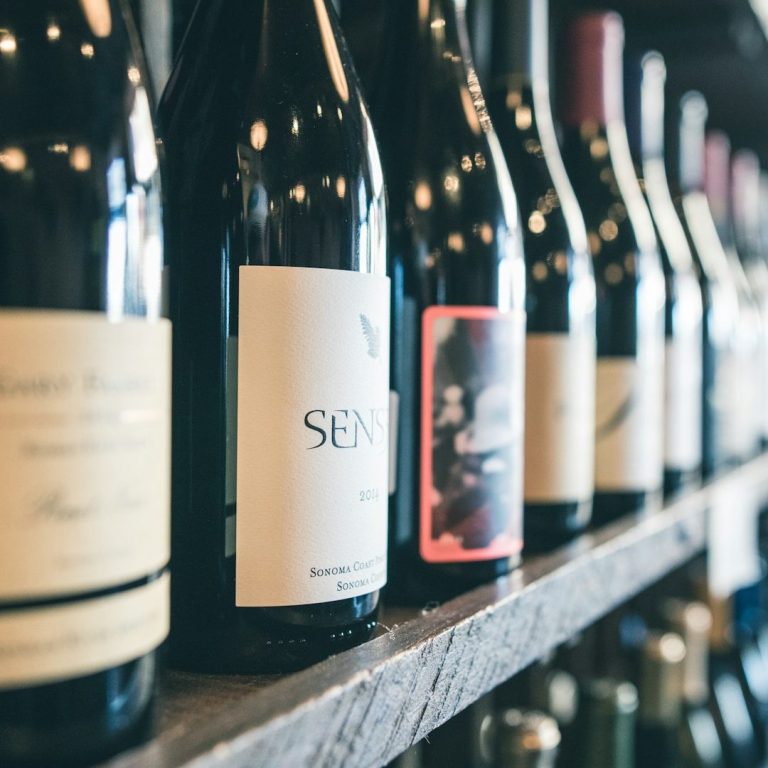
Few transformations are as magical as winemaking. Sun-kissed grapes surrender their juice, which then begins its mysterious dance with wild yeasts, nature's original alchemists turning sugar into song. The vintner's craft lies in guiding this fermentation like a conductor, deciding when to intervene and when to let nature lead. That first swirl in the glass releases a bouquet containing entire landscapes and seasons.
The Ritual of Sharing
Wine's true magic emerges when shared, the pop of a cork signals celebration, the clink of glasses seals friendships. Unlike spirits meant for sipping or beers for quenching, wine demands conversation. It asks us to pause, to notice how the same bottle evolves over an evening, how it changes with food or air. The Italians have a perfect phrase: "Il vino fa buon sangue" (Wine makes good blood), speaking to both health and the warm connections it fosters.
The Keepers of Tradition
A Final Sip
Every great wine region tells a story through its vines. Burgundy's monks meticulously mapped terroir centuries ago; Portuguese farmers braved cliffs to plant Douro vineyards; Argentine immigrants carried European cuttings to Mendoza's foothills. Some techniques remain unchanged since Roman times, amphorae aging, foot treading, wild fermentation, while technology now allows precision never dreamed of by ancient vintners. Yet the soul of wine remains the same: a conversation between earth and human care.
Next time you pour a glass, hold it to the light first. See the generations of vignerons in that translucent liquid, the winters weathered and summers survived. Wine reminds us that time can be measured not just in years but in vintages, that patience yields complexity, and that some of life's deepest pleasures come from nature's simplest gifts, sun, soil, and the courage to let grapes become something greater. Salute! Prost! Saúde! However you say it, the meaning remains: to life, to the land, and to the beautiful alchemy that connects them both.
Curious Wine Facts
- The world's oldest known winery (4100 BCE) was found in Armenian caves
- A single vine typically produces 4-6 bottles of wine annually
- The "legs" or "tears" on a glass indicate alcohol content, not quality
- Red wine gets its color from grape skin contact during fermentation
A Gentle Pour: On Wine, Wonder, and a Life Well-Loved
Red wine
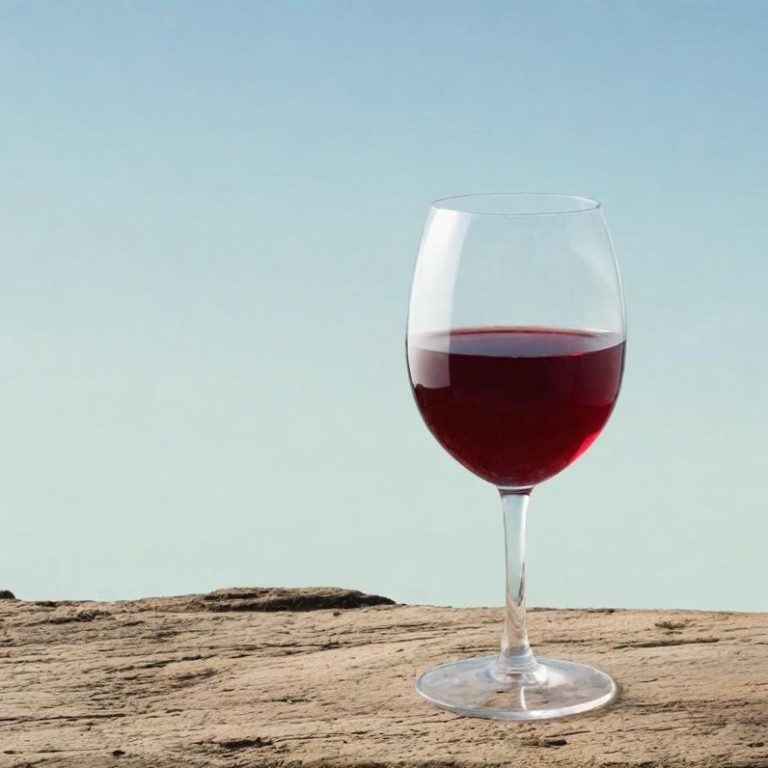
Red wine is made by fermenting the juice of dark-skinned grapes together with the skins, seeds, and sometimes stems—a process called maceration. This contact, which can last from days to weeks, imparts the wine's color, tannins, and much of its structure. After fermentation, the wine is typically aged in oak barrels or stainless steel tanks before bottling. Excellent grape varieties for red wine include Cabernet Sauvignon, known for its depth and structure; Pinot Noir, celebrated for its elegance and red fruit aromas; and Syrah/Shiraz, which produces wines with spicy, dark fruit characteristics.
White wine
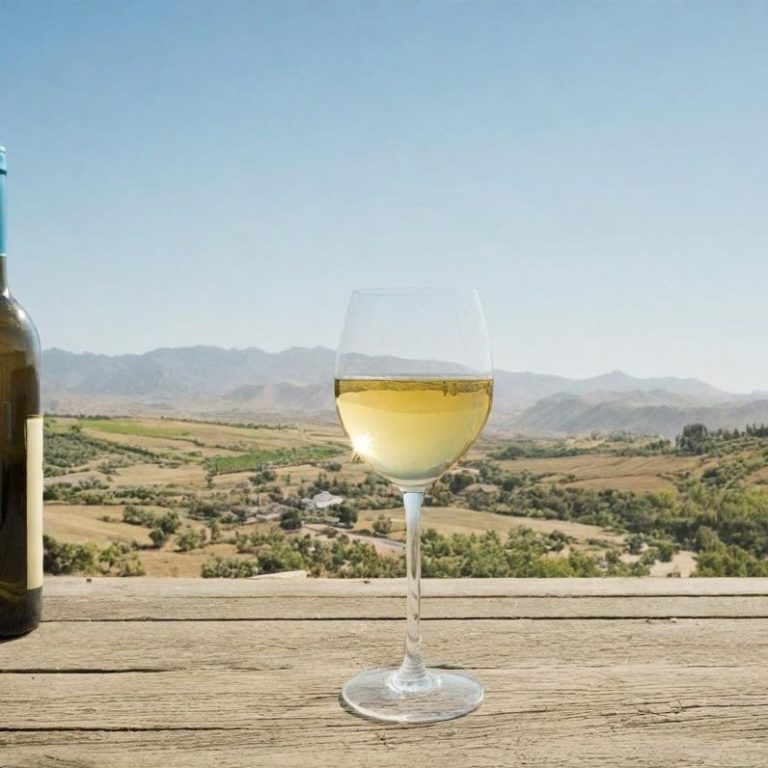
White wine production begins by quickly pressing the grapes to separate the juice from the skins and solids, preventing color extraction. The clear juice is then fermented, usually at cooler temperatures to preserve delicate aromas. Unlike most reds, white wines often undergo little to no oak aging, emphasizing freshness, though some styles like oaked Chardonnay are barrel-fermented. Prime white grape varieties are Chardonnay, a versatile grape that can be crisp or richly oaked; Sauvignon Blanc, loved for its zesty acidity and herbal notes; and Riesling, which produces aromatic wines ranging from bone-dry to lusciously sweet.
Sparkling wine
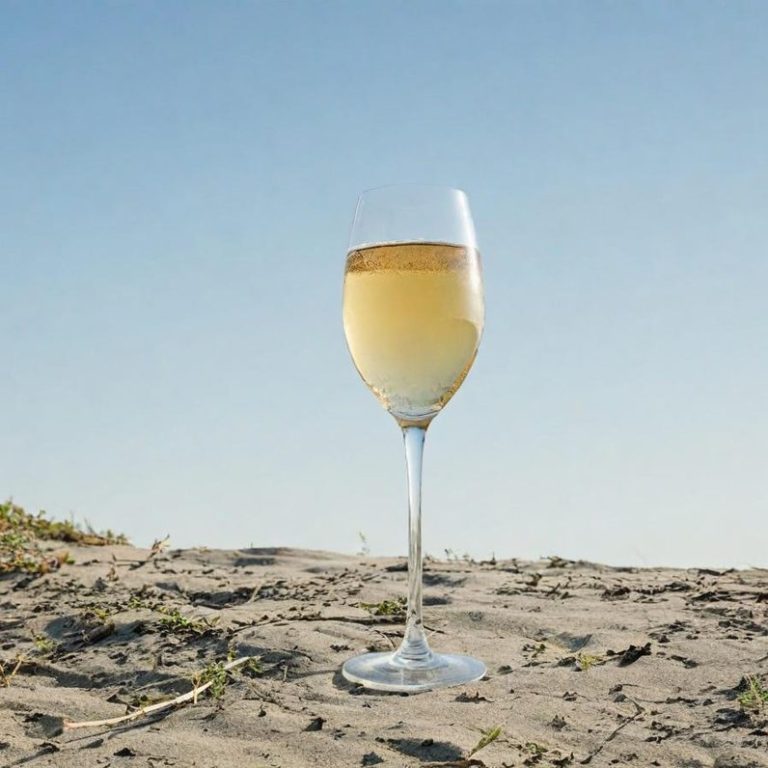
Sparkling wine is defined by its bubbles, which are most commonly created through a secondary fermentation that traps carbon dioxide inside the bottle or a pressurized tank. The traditional method, used for the finest examples, involves this second fermentation occurring in the individual bottle. Sparkling wines can be made from both white and red grapes. Notable varieties include Chardonnay, which provides acidity and structure; Pinot Noir, adding body and red fruit notes (often used as a white wine from pressed red grapes); and Pinot Meunier, which offers fruity, early-drinking charm, famously used in Champagne blends.
Méthode Champenoise (Traditional Method)
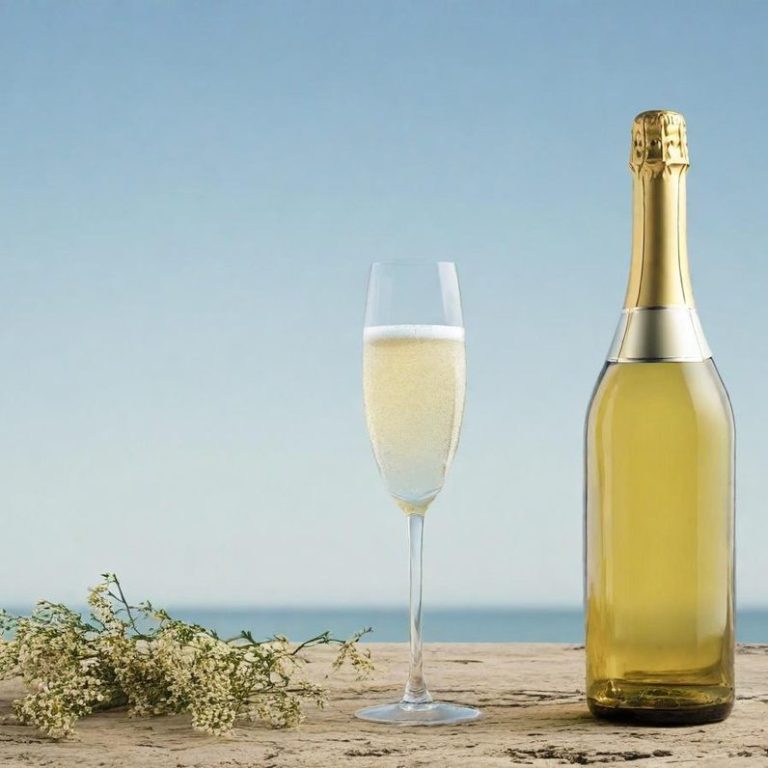
Champagne is a specific type of sparkling wine from the Champagne region of France, made under strict appellation rules. It is produced using the Méthode Champenoise (Traditional Method), where the secondary fermentation and extensive aging on the dead yeast cells (lees) occur in the very bottle you buy, creating complex flavors and a fine, persistent mousse. While it uses the same core grapes as other sparkling wines, the classic Champagne blend relies on Chardonnay for finesse, Pinot Noir for power and backbone, and Pinot Meunier for fruity roundness.
Sweet sparkling wines
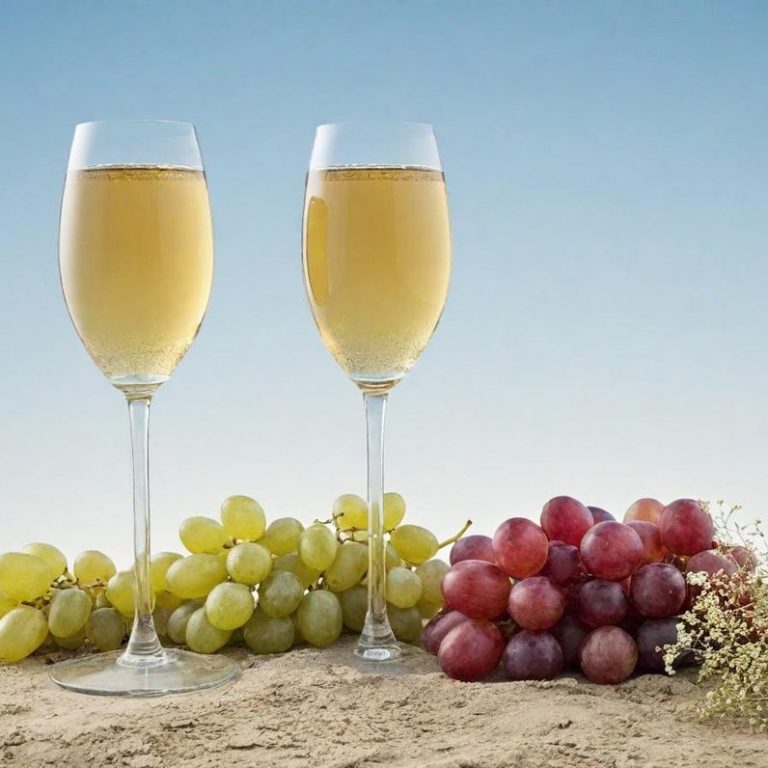
Sweet sparkling wines, such as Moscato d'Asti or Demi-Sec Champagne, balance effervescence with residual sugar. Sweetness is achieved by halting fermentation early to preserve natural grape sugars or by adding a sweet dosage (a sugar and wine mixture) before final corking. These wines are often lower in alcohol and prized for their aromatic, dessert-friendly profile. Key grapes for these styles include Muscat Blanc (Moscato), intensely aromatic with flavors of peach and orange blossom; Brachetto, a red Italian grape making fragrant, berry-scented frizzante; and Riesling, used in some sparkling versions (like Sekt) that can be crafted in a sweet, late-harvest style.