
The Greenhouse: Gardener's Sanctuary
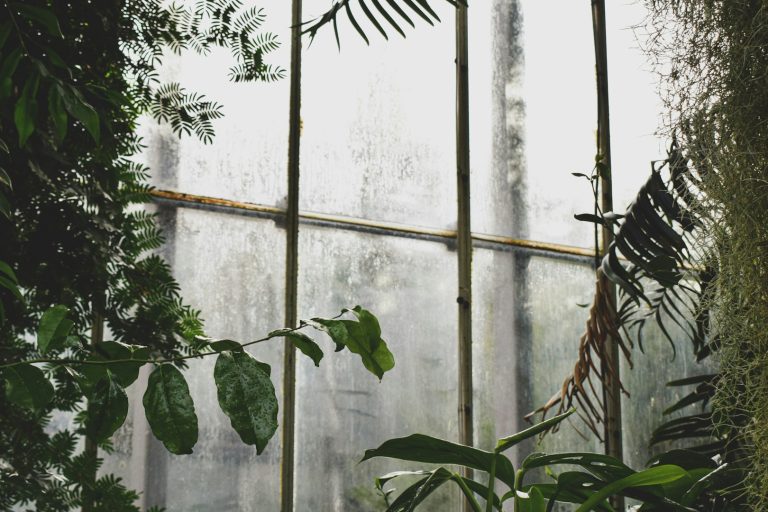
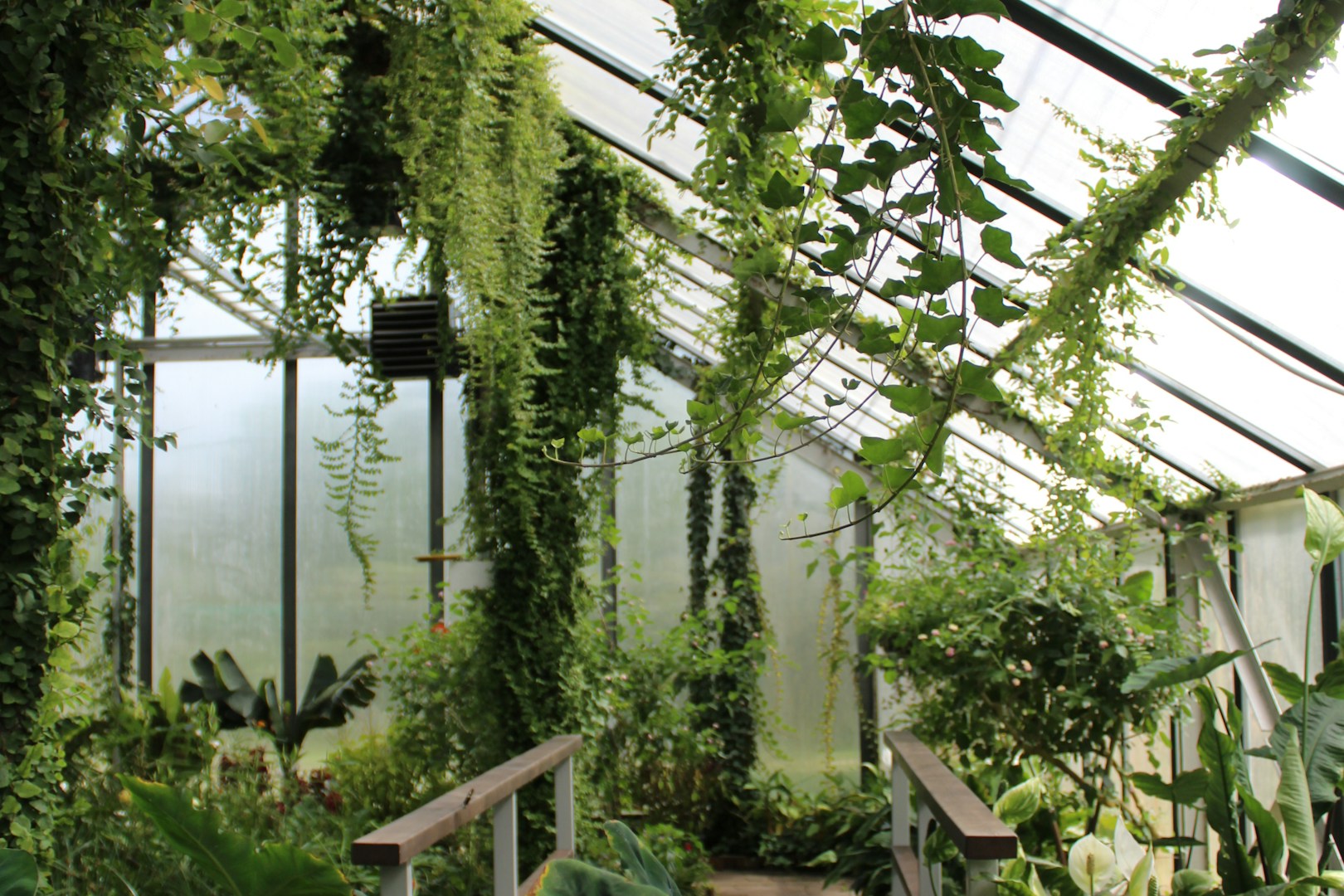
There’s something almost magical about stepping into a greenhouse on a frosty morning: the air thick with the earthy scent of soil, the warm humidity clinging to your skin, and the sight of green life thriving while winter grips the world outside. A greenhouse is more than just a structure; it’s a portal to endless growing possibilities, where seasons blur and gardening becomes a year-round meditation. Whether you’re nurturing tender seedlings, overwintering delicate plants, or growing citrus in a cold climate, a greenhouse transforms the way we interact with nature’s rhythms.
Why Every Gardener Needs a Greenhouse
A greenhouse extends your growing power in ways that feel like horticultural alchemy:
- Season Extension: Start seeds weeks earlier in spring and grow frost-tender crops late into fall
- Climate Control: Create microclimates for plants that wouldn’t survive your normal weather
- Pest Protection: Physical barriers keep out most insects and larger pests
- Weather Shelter: Plants avoid damaging winds, heavy rains, and scorching sun
- Therapeutic Space: A warm retreat for gardeners during inclement months
I’ll never forget the first December I harvested fresh greens while snow fell outside, it felt like cheating nature in the most wonderful way.
Choosing Your Greenhouse
Greenhouses come in all shapes, sizes, and budgets:
Materials Matter:
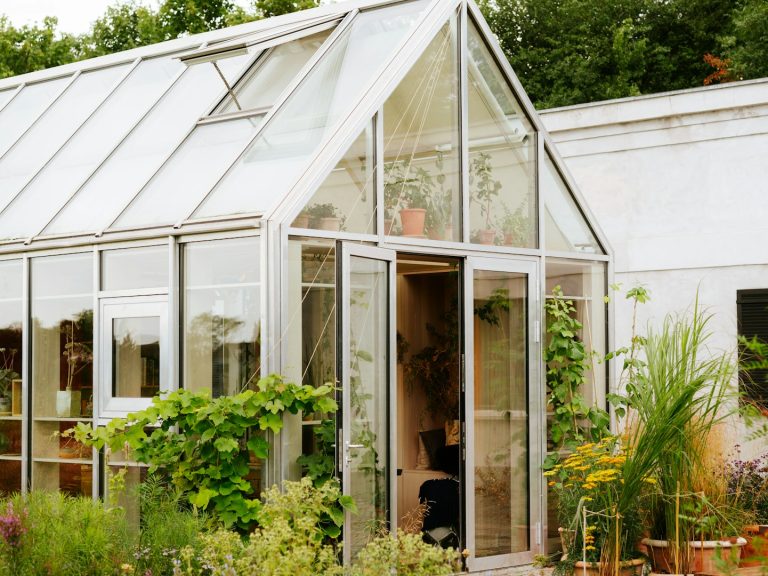
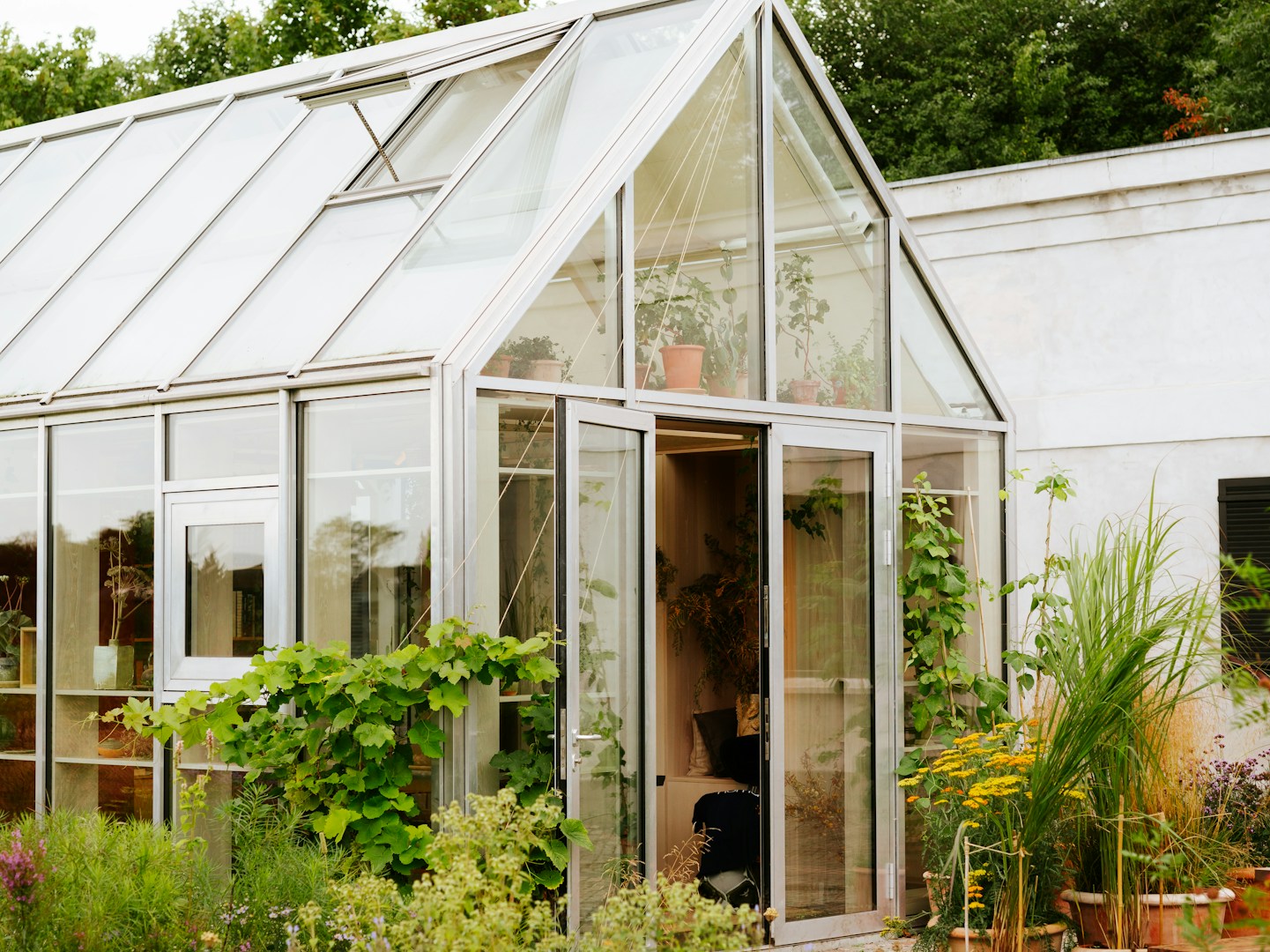
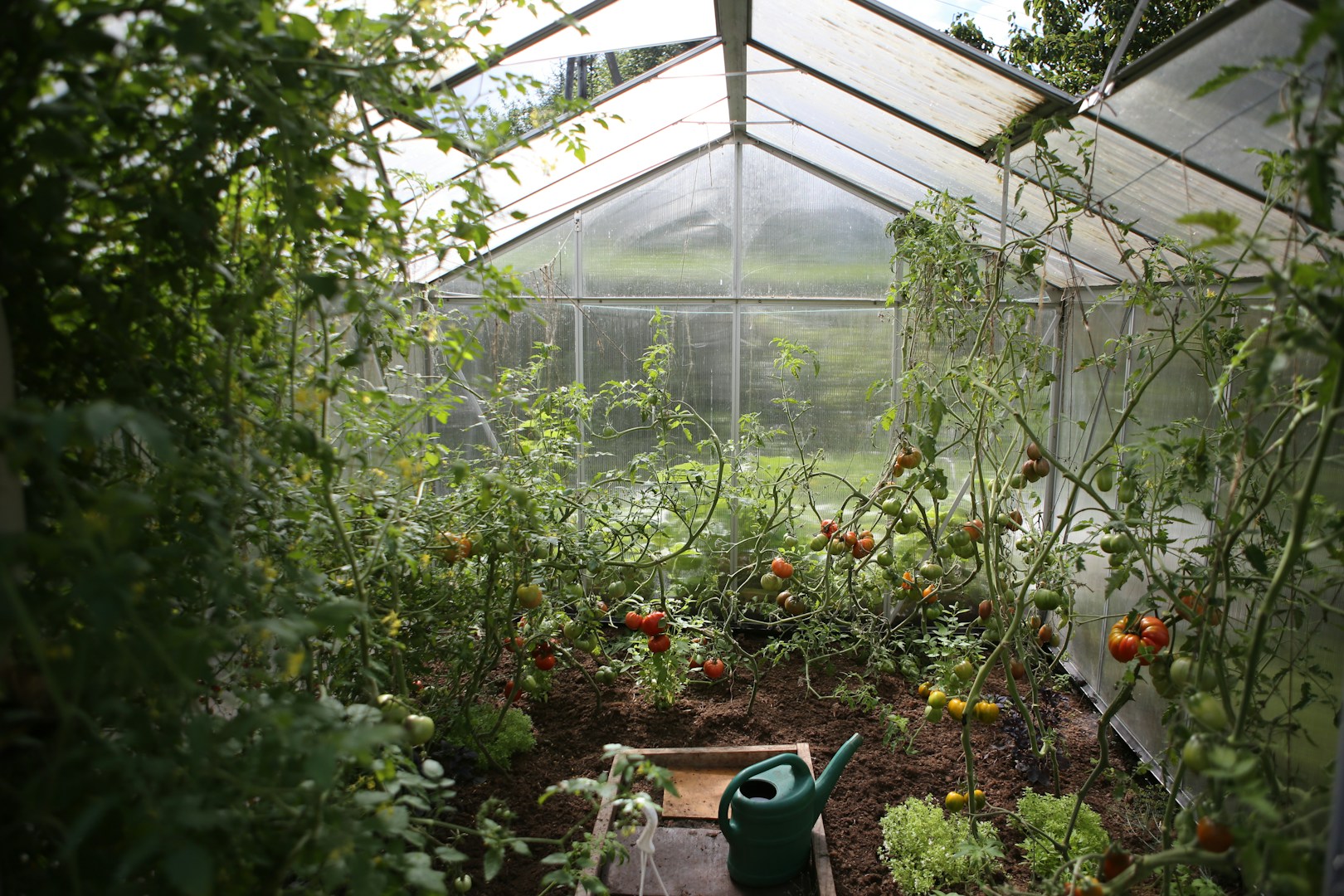
- Polycarbonate panels diffuse light beautifully and retain heat better than glass
- Old windows upcycled into a rustic cold frame greenhouse (my first project)
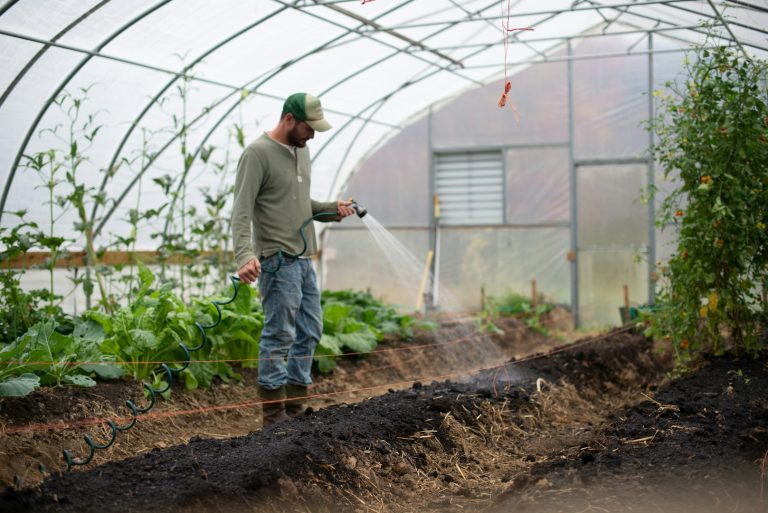
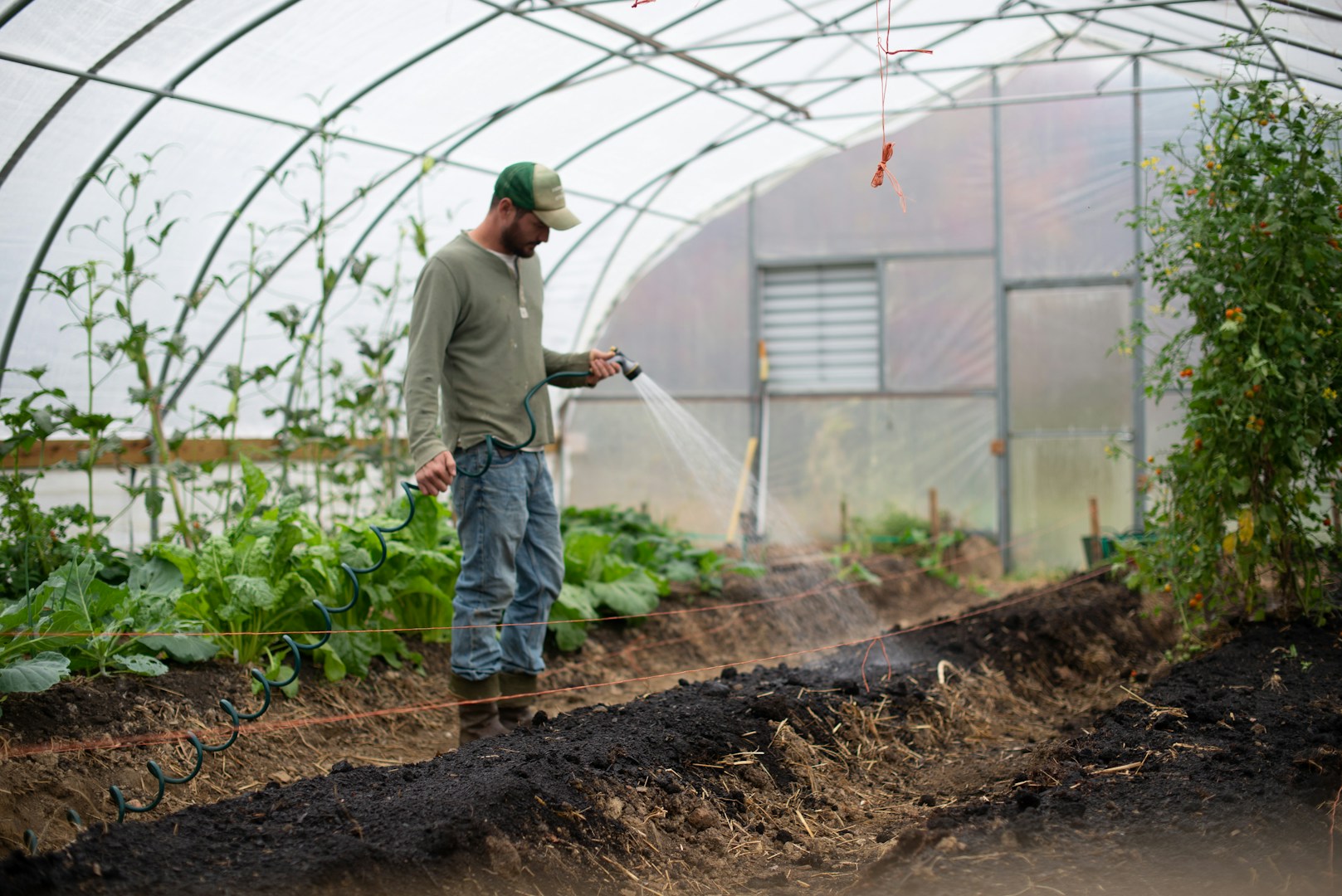
- Hoophouses with polyethylene film offer affordable seasonal protection
Size Considerations:
- A compact 6’x8’ structure fits most backyard gardens
- Lean-to designs against house walls save space and benefit from shared warmth
- Commercial-sized options for serious growers (beware, you’ll inevitably fill every inch)
Essential Features:
- Automatic vent openers that respond to temperature changes
- Shade cloth for summer cooling
- Sturdy shelving that maximizes vertical space
- Rainwater collection system for sustainable watering
The Greenhouse Environment: Mastering the Microclimate
Maintaining the perfect balance requires attention to several factors:
Temperature Control:
- Thermostat-controlled heaters for chilly nights
- Automatic louvers that vent excess heat
- Water barrels that absorb warmth by day and release it at night
Humidity Management:
- Damp gravel floors increase moisture for tropical plants
- Circulating fans prevent fungal diseases in stagnant air
- Hygrometers help monitor ideal 50-70% humidity levels
Light Optimization:
- White-painted walls reflect light to lower leaves
- Adjustable shade systems prevent seedling scorch
- Grow lights supplement short winter days
Year-Round Greenhouse Gardening
The greenhouse calendar follows its own rhythm:
Spring:
- Seed starting racks overflowing with future garden stars
- Hardening off seedlings in the protected space before outdoor planting
Summer:
- Growing heat-lovers like eggplants and peppers to perfection
- Shade cloth deployment to prevent overheating
Fall:
- Transitioning to cold-hardy greens and root vegetables
- Overwintering tender perennials like geraniums and figs
Winter:
- Microgreen and sprout production
- Forcing bulbs for early blooms
- A quiet sanctuary for planning next year’s garden
Greenhouse Growing Secrets
- Bubble wrap insulation on north walls retains heat without blocking light
- Compost piles inside generate gentle warmth while decomposing
- Predatory insects like ladybugs thrive in the protected environment
- Thermal mass objects (stone paths, water containers) stabilize temperatures
- Automatic watering systems prevent drought stress during vacations
A greenhouse is more than a gardening tool, it’s a promise of perpetual growth, a classroom where we learn nature’s subtle language, and a sanctuary where the harshest weather can’t reach our plants (or our peace of mind). Whether you’re tending a simple cold frame or a glass palace, the greenhouse experience changes how you see every season.