
The Comfort of Aromatic Herbs
There is something deeply comforting about the scent of fresh herbs: a quiet magic woven into the leaves of rosemary, the delicate flutter of basil, or the earthy whisper of thyme. Aromatic herbs do more than flavor our meals; they soothe the soul, invite bees to dance among their blooms, and, when planted with good companions, thrive in happy harmony.
Every herb has its friends: plants that offer shade, deter pests, or simply share the soil with gracious reciprocity. Like a well-matched tea blend, the right pairings make the garden richer, the harvest more abundant, and the air sweeter.
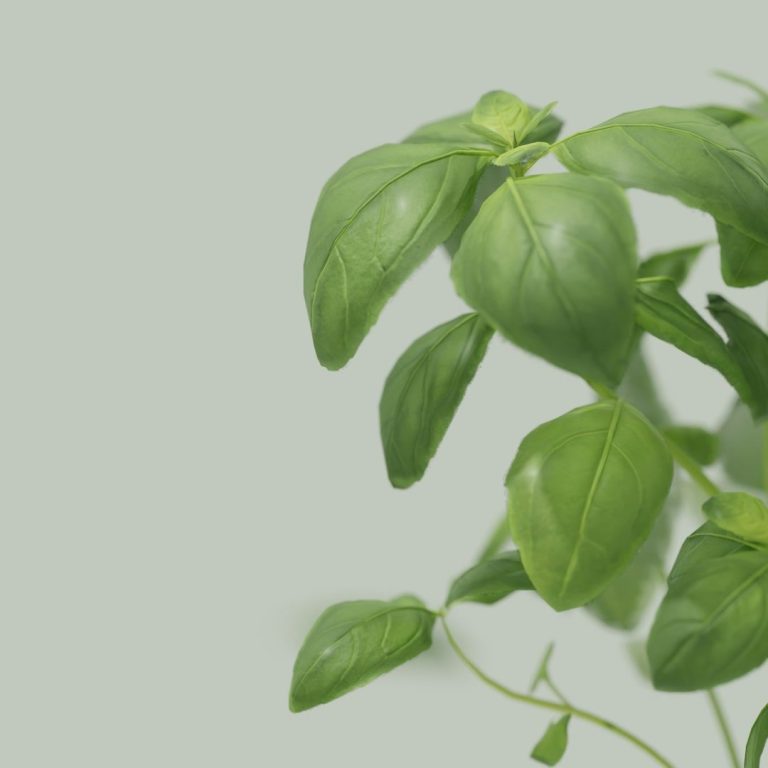
Basil
Freshness in the Kitchen
The darling of summer, is a generous ally. Planted beside tomatoes, it is said to enhance their flavor while warding off whiteflies and mosquitoes. It also thrives alongside oregano and parsley, creating a lush, fragrant patch perfect for snipping fresh into sauces and salads. And if a few marigolds bloom nearby, their golden cheer will keep nematodes at bay, a happy partnership of color and scent.
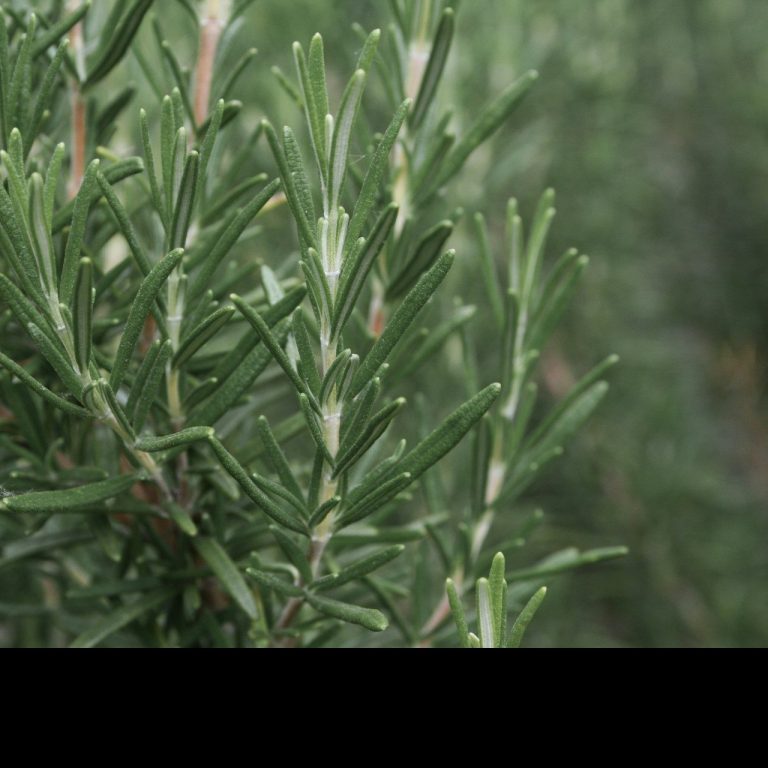
Rosemary
A Mediterranean Scent
With its woody resilience and pine-like perfume, is a steadfast companion to sage and thyme, all three reveling in sun-baked soil and good drainage. Together, they form a fragrant trio that repels cabbage moths and carrot flies, making them excellent neighbors for beans and carrots. Just brushing against them on a warm day releases their oils, a reminder that the best friendships are both protective and fragrant.
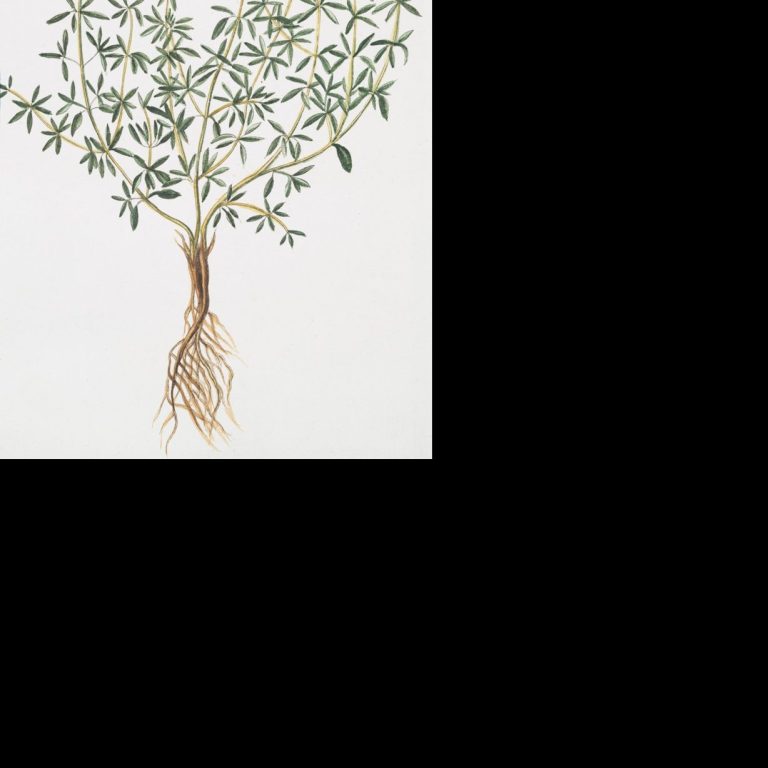
Thyme
The Humble Guardian
Low-growing and resilient, thyme is a steadfast companion in both herb gardens and vegetable patches. It thrives alongside rosemary and oregano, sharing their love for sunny, well-drained soil. When planted near eggplants or tomatoes, its subtle fragrance helps deter garden pests. Creeping varieties make a fragrant living mulch, and honeybees adore its tiny blossoms, proof that even the smallest herbs hold great power.
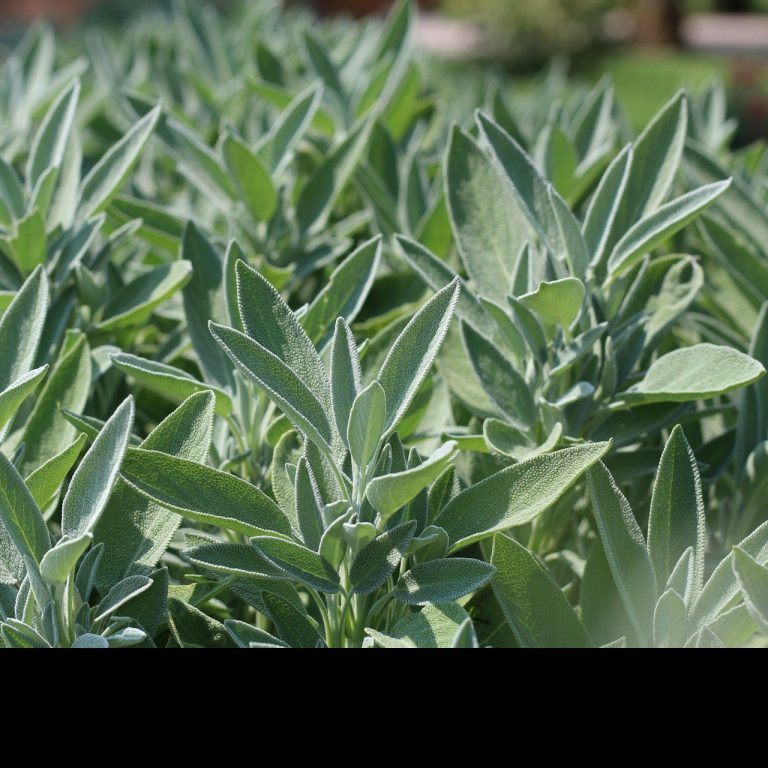
Sage
The Wise Protector
With its soft, velvety leaves and musky aroma, sage is a guardian of the garden. It grows well with rosemary, lavender, and thyme, all of which appreciate its drought-tolerant nature. Sage is particularly beneficial near cabbage and carrots, as its strong scent confuses pests like cabbage moths and carrot flies. A few leaves tucked into a roasting pan or steeped in tea only deepen its reputation as both a culinary and medicinal ally.
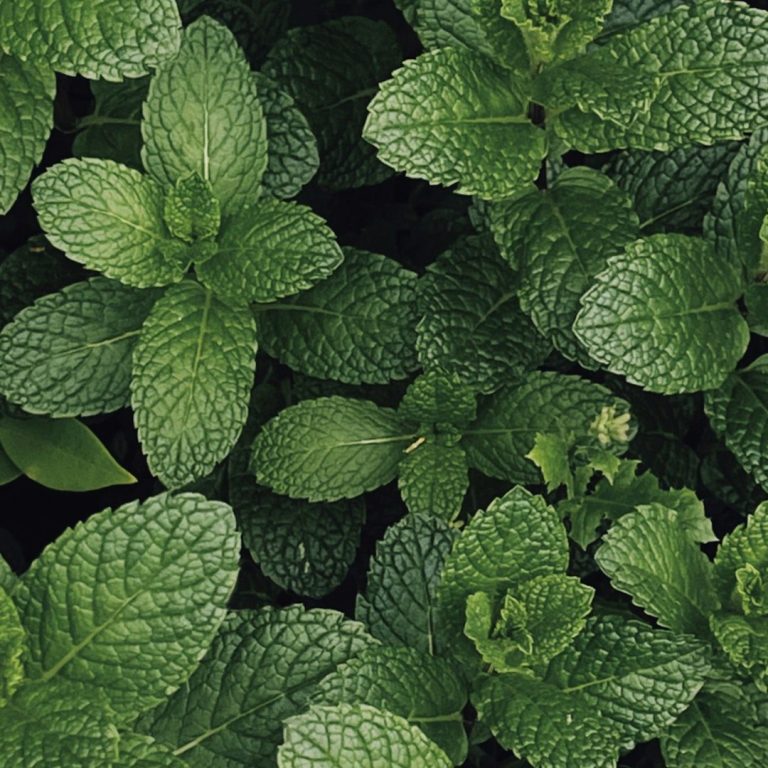
Mint
The Refreshing Power
Though fiercely independent (best contained, lest it claim the entire garden), is wonderfully useful. Its cool, bright scent repels ants and cabbage pests, making it a fine companion for cabbage and broccoli. But perhaps its most delightful pairing is with chamomile, the two together make a calming tea, as though they were always meant to meet, first in the soil, then in the cup.

Lavender
The Queen of Calm
Thrives alongside rosemary and sage, all three loving dry, sunny spots. Its purple spikes not only charm bees but also deter moths, making it a lovely border plant for roses or a guardian of the vegetable patch. A breeze carrying lavender’s scent is nature’s own lullaby. One of the best honey in the world is made from lavender.
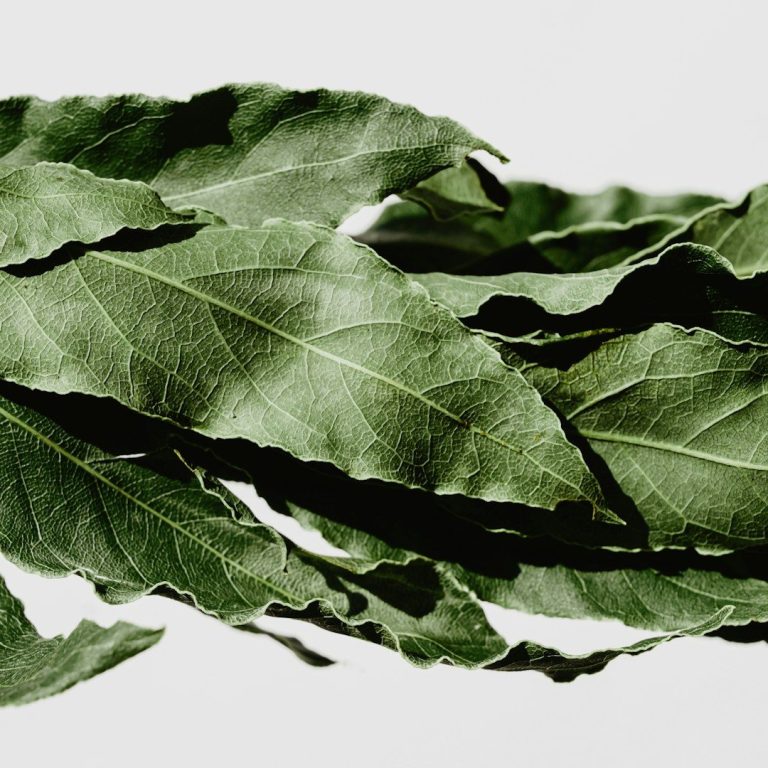
Laurel (Bay Leaf)
The Noble Evergreen
A slow-growing tree with glossy, aromatic leaves, laurel is a noble addition to any garden. Since it can grow quite large, it’s best planted in a pot or given space to spread. It pairs well with other Mediterranean herbs like rosemary and thyme, and its leaves can be dried for soups and stews. Some gardeners believe its presence improves the flavor of nearby beans and peppers, though its greatest gift may be the way its leaves scent the air after a summer rain.
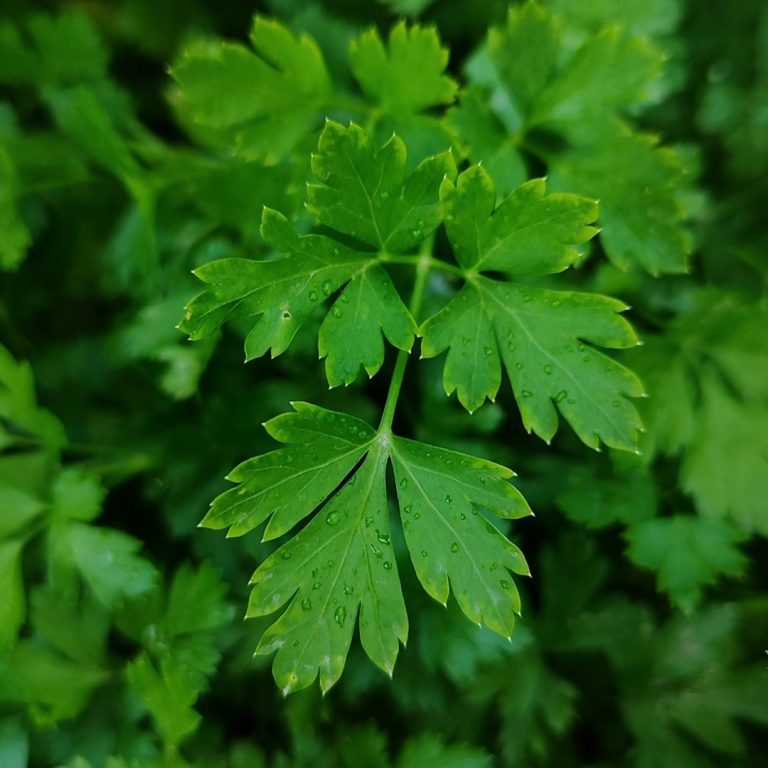
Parsley
The Patient Friend
Biennial and bright, parsley is a generous companion. It supports tomatoes and asparagus, enhancing their growth while attracting beneficial insects. Planted near chives or basil, it forms a lush, green understory in the herb garden. Though slow to sprout, its patience is rewarded with months of harvests, proof that good things come to those who wait.
The beauty of growing aromatic herbs lies not just in their flavors or fragrances, but in their quiet collaborations. They teach us that good neighbors help each other grow, that diversity strengthens the garden, and that sometimes, the simplest pleasures (a crush of mint between fingers, the hum of bees on thyme) are the ones that root us deepest in joy.
So plant them close, let them mingle, and step often into their scented world. The earth, after all, was always meant to smell this good.