
Indoor Gardener: Easy Houseplants with Hidden Gifts
There’s a quiet magic to keeping houseplants: the way morning light dances across their leaves, the satisfaction of spotting new growth, and the living energy they bring to our homes. Beyond their beauty, many common houseplants have surprising talents, from purifying air to boosting our moods. Here are eight wonderful indoor plants, each with its own special charm and benefits.
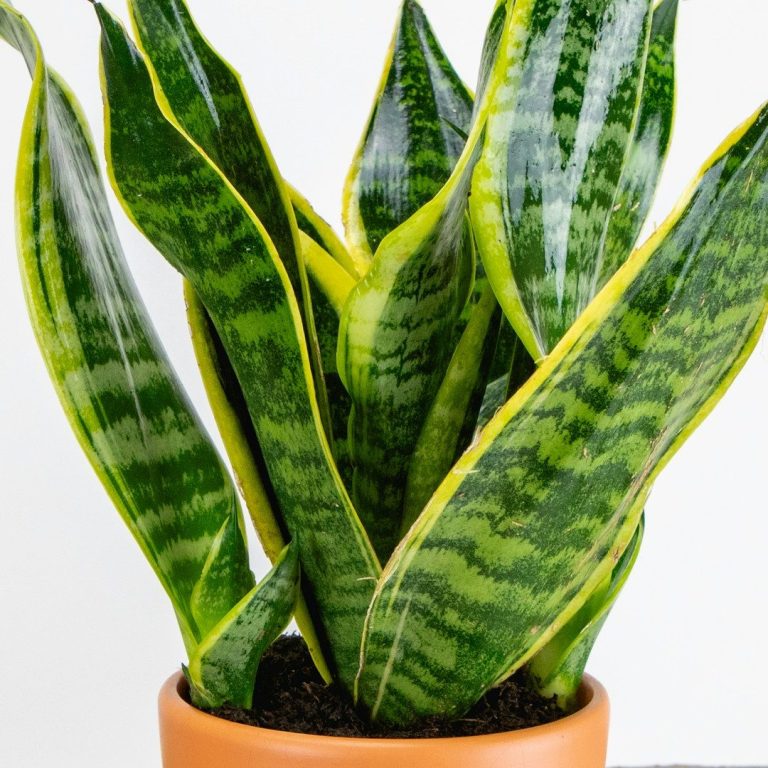
Snake Plant
The Nighttime Oxygen Maker
Unlike most plants, the snake plant (Sansevieria) releases oxygen at night while absorbing carbon dioxide, making it ideal for bedrooms. NASA research found it removes toxins like formaldehyde from indoor air. Its sword-like leaves can survive weeks without water, earning it the nickname "mother-in-law’s tongue" for its sharp, enduring nature.
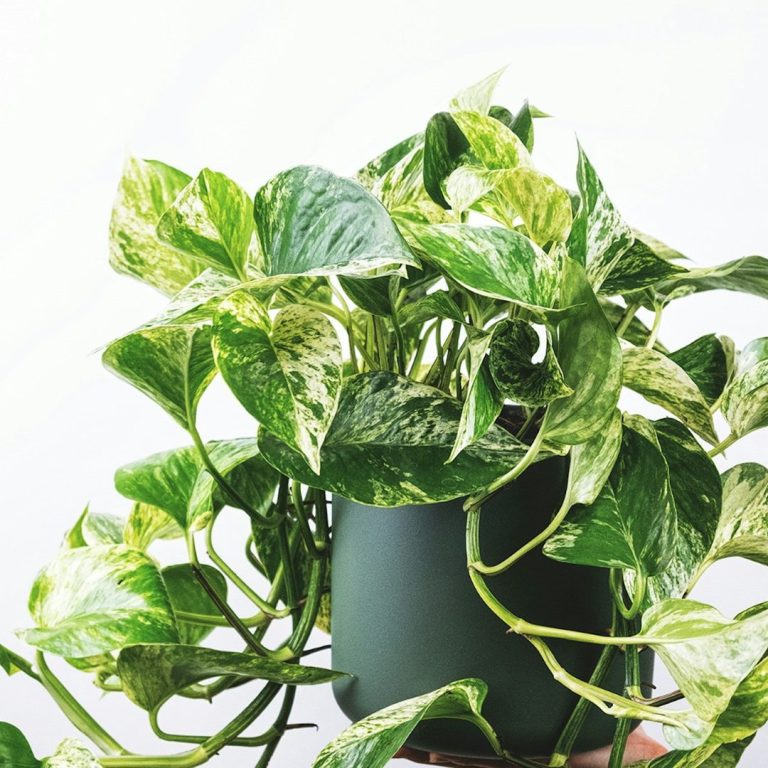
Pothos
The Devil’s Ivy That Won’t Die
Called "devil’s ivy" because it’s nearly impossible to kill, pothos can grow in water or soil, even in dim office lighting. Studies show its presence reduces stress and increases productivity. Its trailing vines can reach 10 feet long, with leaves developing golden streaks when given bright light, like living sunlight catchers.
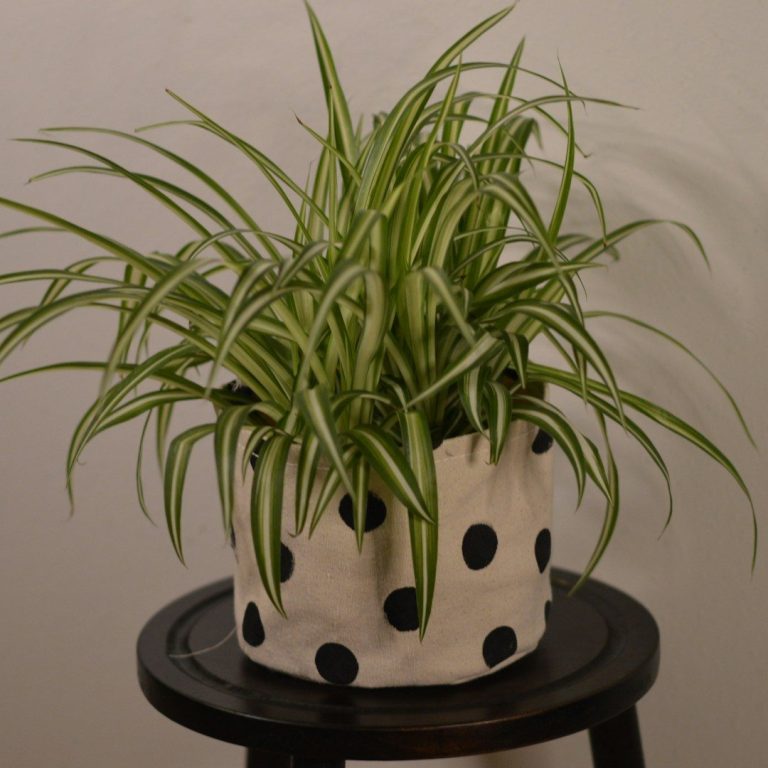
Spider Plant
Nature’s Air Purifier
The spider plant removes up to 90% of formaldehyde from indoor air within two days (NASA Clean Air Study). It produces "pups" on long stems, a clever survival tactic where baby plants root wherever they touch soil. In Victorian times, these were called "airplane plants" for their flying offspring.
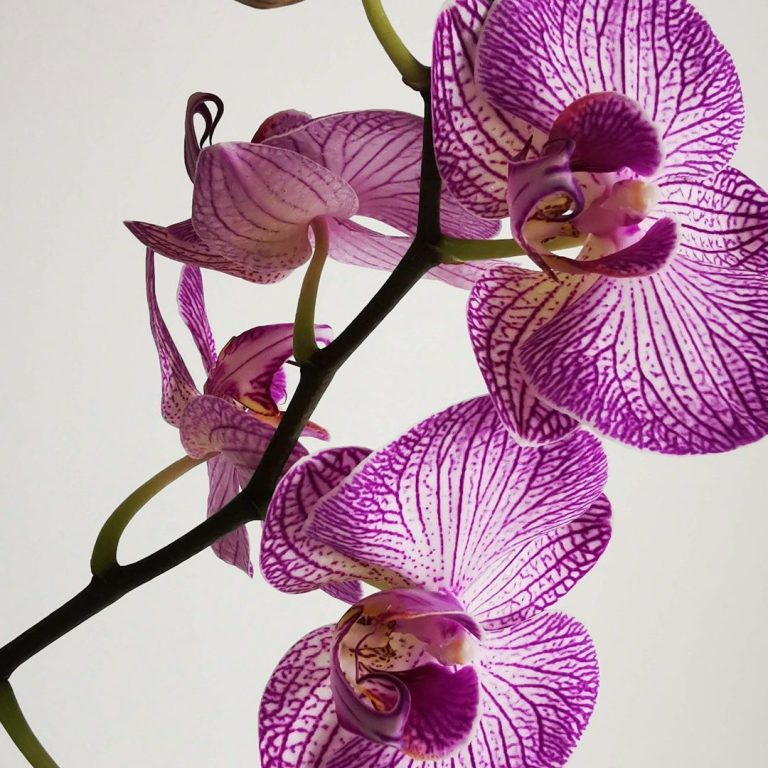
Orchid
The Flower That Tricks Insects
Orchids have evolved astonishing pollination tricks, some mimic female insects to lure males, others smell like rotting meat to attract flies. The Phalaenopsis orchid’s blooms can last 3-6 months, making them surprisingly good value. Their roots photosynthesize through silvery velamen coating, turning green when watered properly.
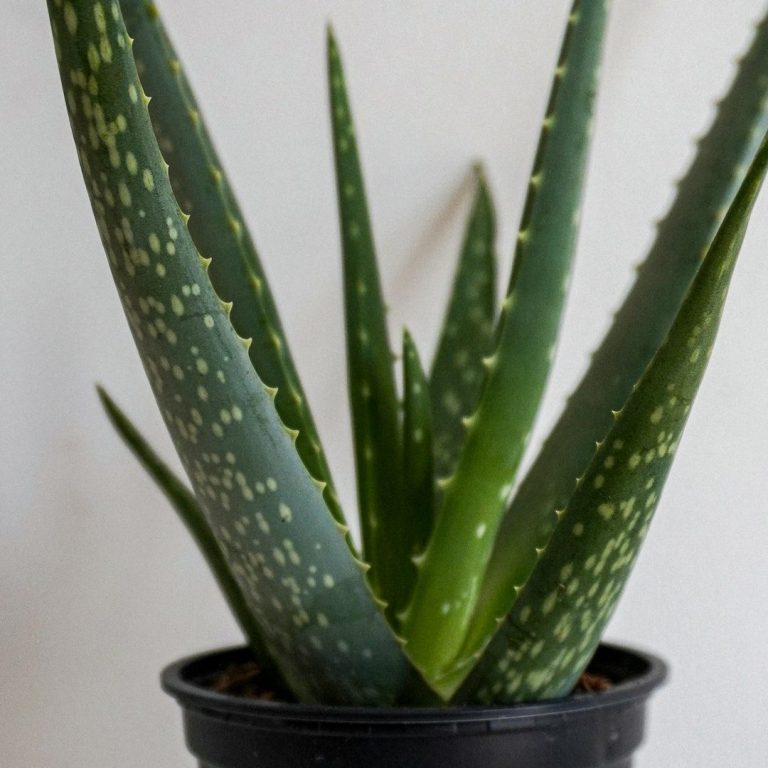
Aloe Vera
The Medicine Cabinet Plant
Aloe vera contains 75 active compounds used for centuries to heal burns and wounds. Its gel has natural antiseptic and anti-inflammatory properties. The plant "blushes" purple when sun-stressed, signaling it’s producing more medicinal compounds. Bonus: it sends up cheerful yellow flower spikes when happy.
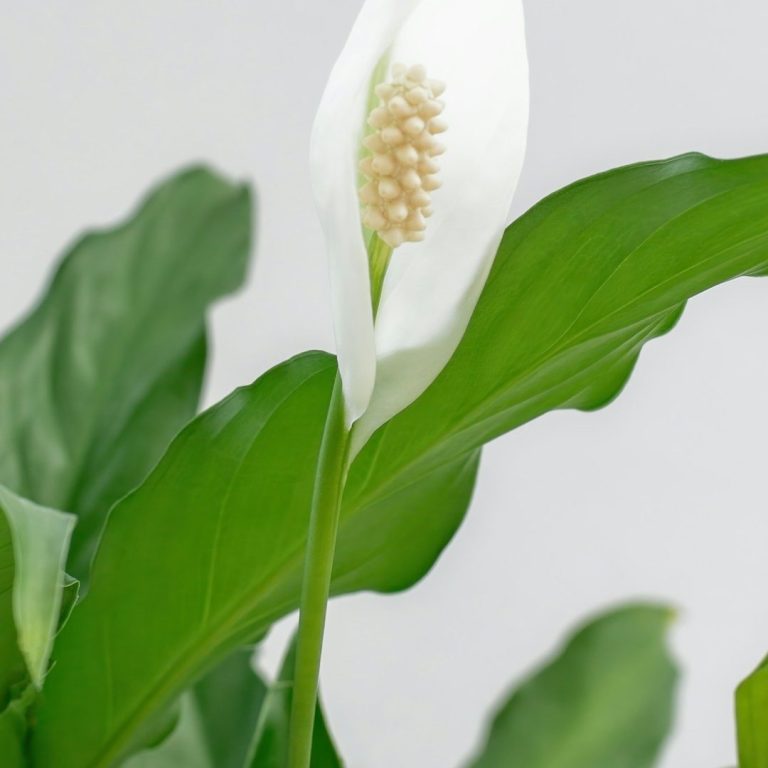
Peace Lily
The Natural Air Alarm
More than just pretty, peace lilies are champion air purifiers, removing ammonia and benzene. Their dramatic drooping when thirsty makes them perfect for forgetful waterers, they visibly perk up within hours of watering. The white "flowers" are actually specialized leaves called spathes that protect the tiny true flowers at the center. Watch out! They are toxic for cats!
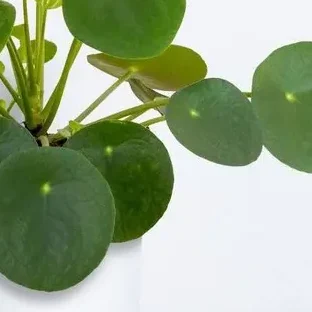
Chinese Money Plant
The Lucky Green Pancake
The Pilea peperomioides became famous when a Norwegian missionary shared cuttings in the 1940s, earning it the nickname "missionary plant." Its round leaves orient toward light, rotating daily like tiny solar panels. In Scandinavia, it’s considered good luck, said to bring financial fortune (hence "money plant").
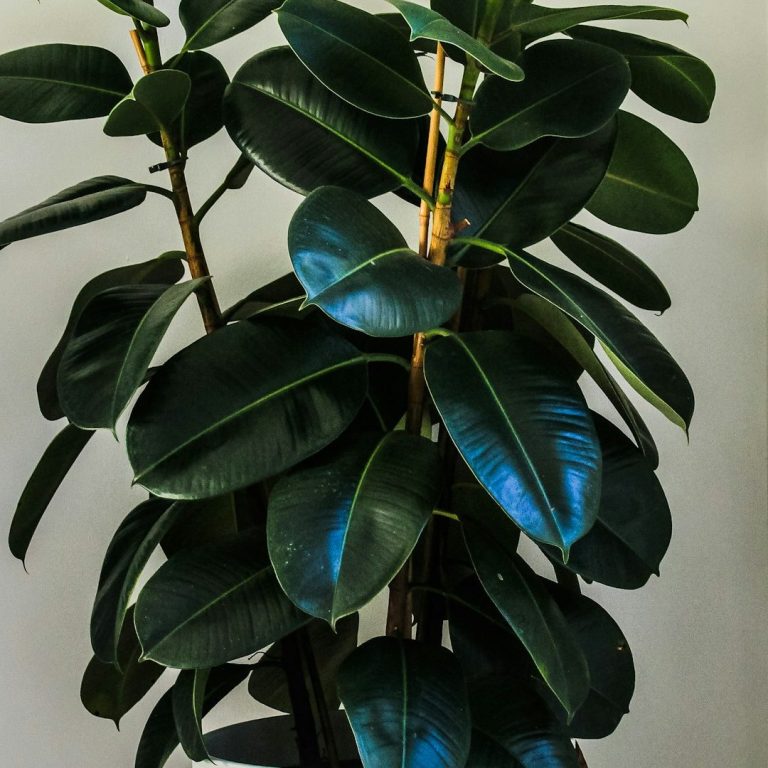
Rubber Plant
The Victorian Status Symbol
In the 1800s, wealthy Victorians prized rubber plants as exotic luxuries, their sap was once harvested for rubber production. Today we value them for removing airborne toxins while adding jungle drama. Their large leaves actually "sweat" through guttation droplets when overwatered, a natural stress release.
These plants do more than decorate: they clean our air, soothe our minds, and connect us to nature’s quiet rhythms. Studies show caring for houseplants reduces stress and boosts creativity. Whether it’s an orchid’s clever survival strategies or a snake plant’s nighttime oxygen, each has evolved remarkable adaptations that now benefit our modern lives.
Keep them by your desk, in your bedroom, or on a sunny windowsill. Notice how their leaves turn toward light, how they respond to seasons, how they grow at their own unhurried pace. In our fast-paced world, houseplants remind us to breathe, to observe, and to appreciate life’s simple, green miracles.