
Protecting Plants, the Gentle Way
There’s a quiet battle being waged in every garden, between tender green shoots and the forces that would overwhelm them. Weeds steal nutrients, pests nibble leaves, and harsh sun parches the soil. Yet the wise gardener knows that protection doesn’t require chemical warfare. From the ancient practice of mulching to modern organic remedies like neem oil, we can defend our plants while working with nature rather than against it. The best gardens thrive not through domination, but through clever, compassionate stewardship that lets each plant reach its full potential.
The Silent Invaders: Dealing with Weeds
Weeds are the ultimate opportunists, they sprout where we least want them, stealing sunlight, water, and nutrients from our cherished plants. But removing them doesn’t have to mean backbreaking labor or toxic herbicides.
- Hand weeding is simplest, best done after rain when roots slip easily from damp soil.
- Boiling water poured carefully on driveway cracks or between pavers kills weeds without chemicals.
- Corn gluten meal (a natural byproduct) prevents weed seeds from sprouting while adding nitrogen.
- Vinegar sprays (1 part vinegar to 3 parts water) work on young weeds but may need repeat applications.
The real secret? Stop weeds before they start. A thick layer of mulch blocks light from reaching weed seeds, preventing germination in the first place.
Organic Pest Control: Neem Oil and Beyond
When insects attack, our first instinct might be to reach for harsh chemicals, but gentler solutions often work better in the long run:
- Neem oil, pressed from an Indian tree’s seeds, disrupts pests’ life cycles without harming beneficial insects when used properly. I mix 1-2 teaspoons per quart of water with a few drops of dish soap as an emulsifier, spraying at dusk to avoid harming bees.
- Diatomaceous earth (fossilized algae powder) physically damages soft-bodied pests like slugs and aphids while being harmless to mammals.
- Garlic and chili sprays deter nibbling insects with their strong scent and taste.
- Companion planting uses nature’s own defenses: marigolds repel nematodes, while basil planted near tomatoes confuses hornworm moths.
The key is observation, I inspect my plants regularly, removing larger pests by hand and only resorting to sprays when absolutely necessary. A few holes in leaves are a small price to pay for a balanced ecosystem where ladybugs and lacewings keep aphids in check.
Mulching: The Protective Blanket
Mulch does more than suppress weeds, it regulates soil temperature, retains moisture, and slowly enriches the earth as it breaks down. Different mulches serve different purposes:
- Straw or hay is perfect for vegetable gardens, keeping soil moist and preventing soil-borne diseases from splashing onto leaves.
- Wood chips work well around trees and shrubs, mimicking forest floors as they decompose.
- Leaf mold (partially decomposed leaves) improves soil structure while sheltering beneficial insects.
- Living mulches like clover or creeping thyme suppress weeds while attracting pollinators.
I spread a 2-3 inch layer around my plants each spring, being careful not to pile it against stems where moisture could cause rot. By autumn, much of it has transformed into rich humus, nature’s perfect recycling system.
Weather Protection: Shielding Plants Naturally
Extreme weather causes more plant losses than pests in my garden. Simple strategies make all the difference:
- Shade cloth (30-50% density) protects seedlings from scorching summer sun
- Cloches (upcycled milk jugs with bottoms removed) shelter young plants from late frosts
- Windbreaks of tall grasses or shrubs prevent desiccation in exposed areas
- Burlap wraps insulate tender shrubs through freezing winters
I’ve learned to watch the forecast like a hawk in spring and fall, keeping protective materials ready to deploy when needed.
Gentle Plant Protection Secrets
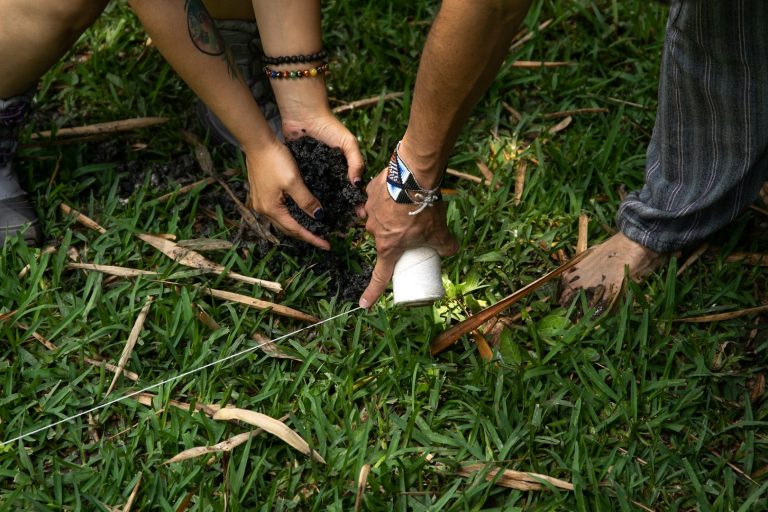
- Coffee grounds deter slugs while adding organic matter—a perfect two-for-one defense.
- Aluminum foil mulch repels aphids and reflects light onto plants’ undersides.
- Chickens in the garden provide natural pest control and fertilizer in one.
- Baking soda sprays (1 tsp per quart water) prevent fungal diseases on rose leaves.
- Copper tape around raised beds creates a tiny electrical charge that slugs avoid.
Protecting plants needn’t mean declaring war on nature. By understanding ecosystems, working with natural processes, and intervening thoughtfully, we create gardens where plants thrive with minimal stress, for them or us. The most beautiful gardens aren’t those without a single pest or weed, but those where balance allows life to flourish in all its interconnected wonder.