
Pruning and Mowing: The Art of Shaping Nature
There’s a quiet satisfaction in transforming an overgrown tangle into a well-tended landscape, whether it’s the crisp lines of a freshly mowed lawn or the elegant silhouette of a properly pruned tree. Pruning and grass cutting are more than just chores; they’re acts of care that shape the health and beauty of our outdoor spaces. Done right, they encourage lush growth, prevent disease, and create harmony between wildness and order. A sharp pair of shears or a well-tuned mower becomes a tool of collaboration with nature, helping plants thrive rather than simply controlling them.
Pruning Matters: More Than Just Aesthetics
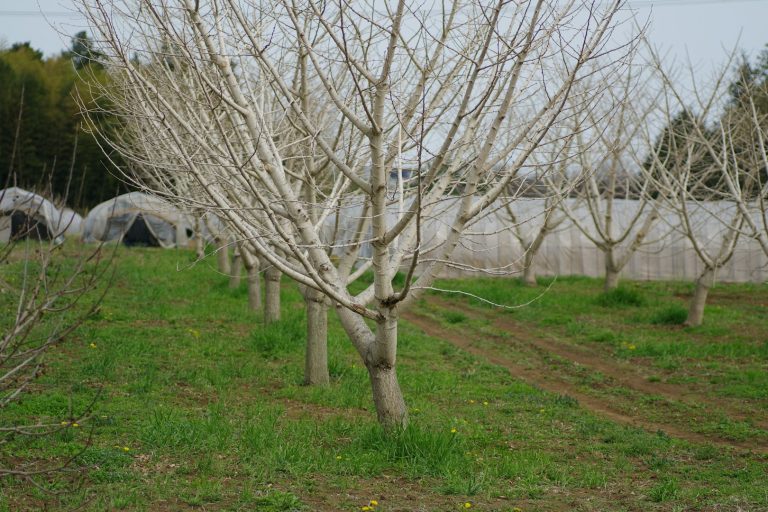
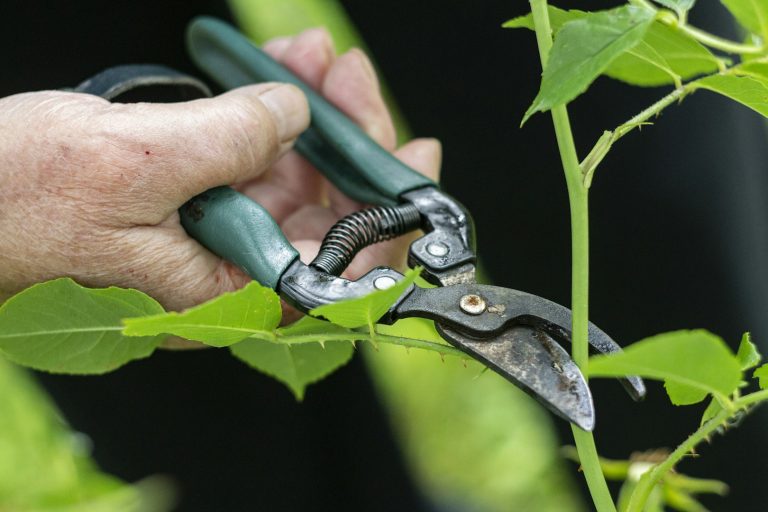
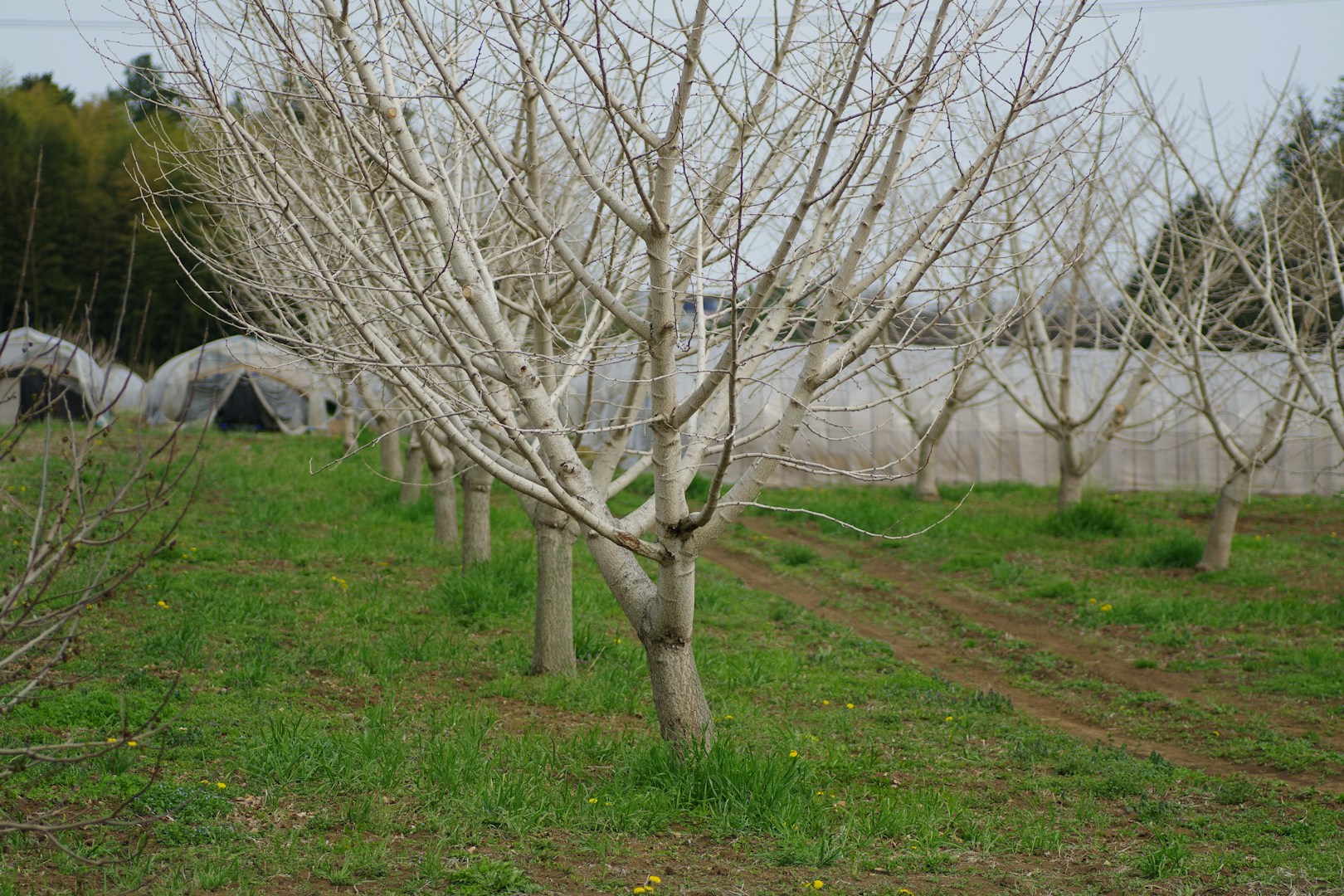
Pruning is like giving plants a guiding hand rather than a harsh restriction:
- Healthier Growth: Removing dead or diseased branches prevents decay from spreading
- Better Airflow: Thinning dense foliage reduces fungal diseases like powdery mildew
- Controlled Shape: Directing growth improves structure (especially for fruit trees)
- Renewal Potential: Hard pruning can revive overgrown shrubs
- Safety First: Eliminating weak branches prevents storm damage
I learned the hard way that haphazard cutting leads to odd shapes and stressed plants, but thoughtful pruning, following a plant’s natural form, yields stunning results.
Grass Cutting: The Secret to a Lush Lawn
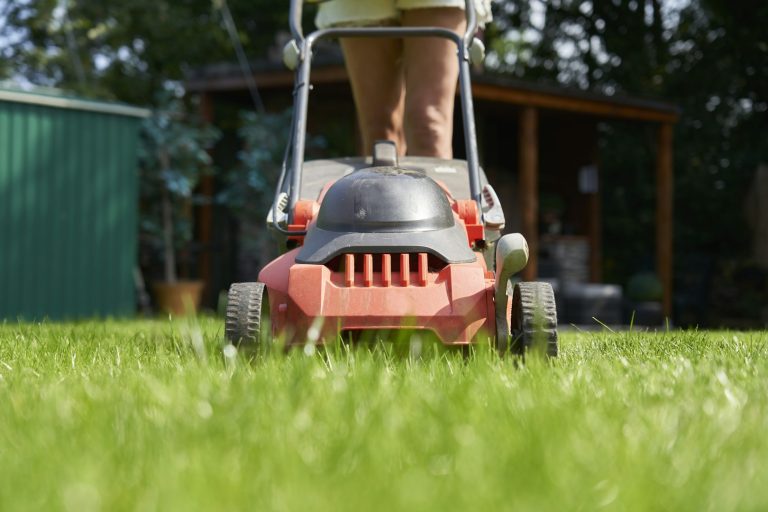
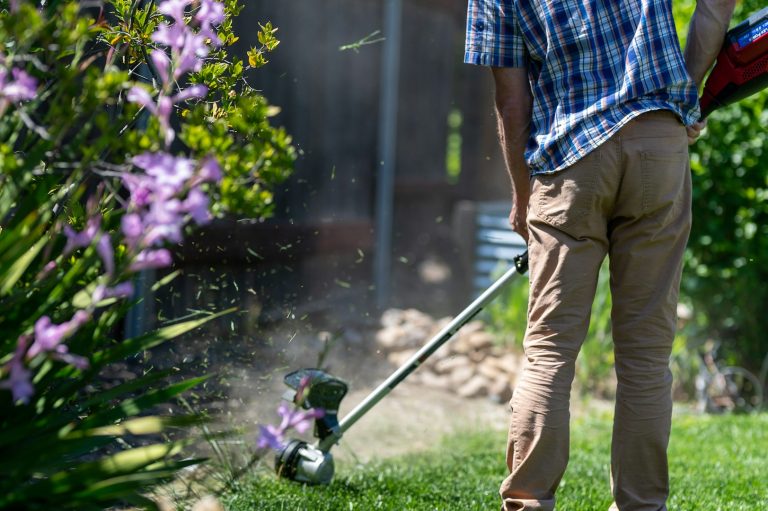
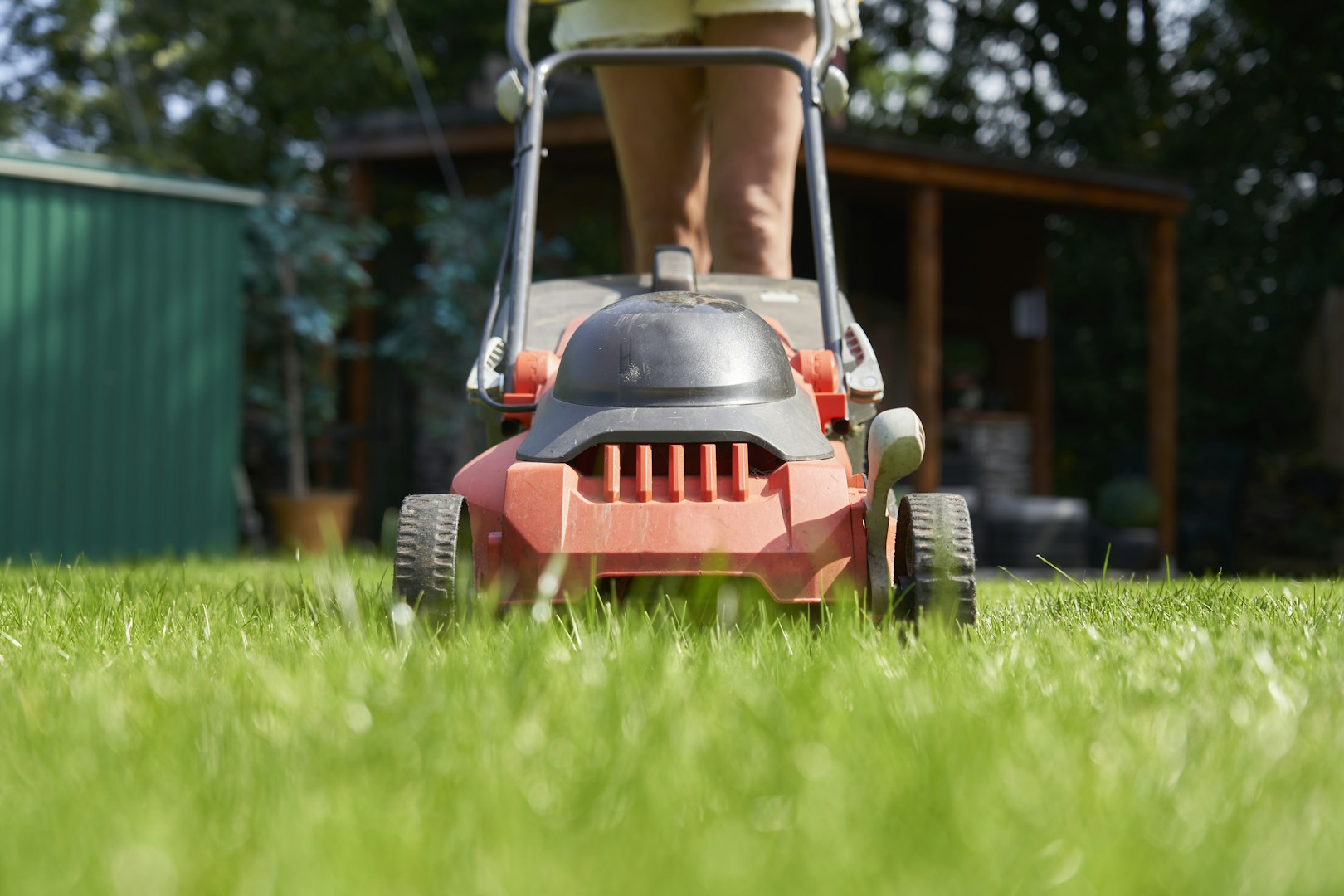
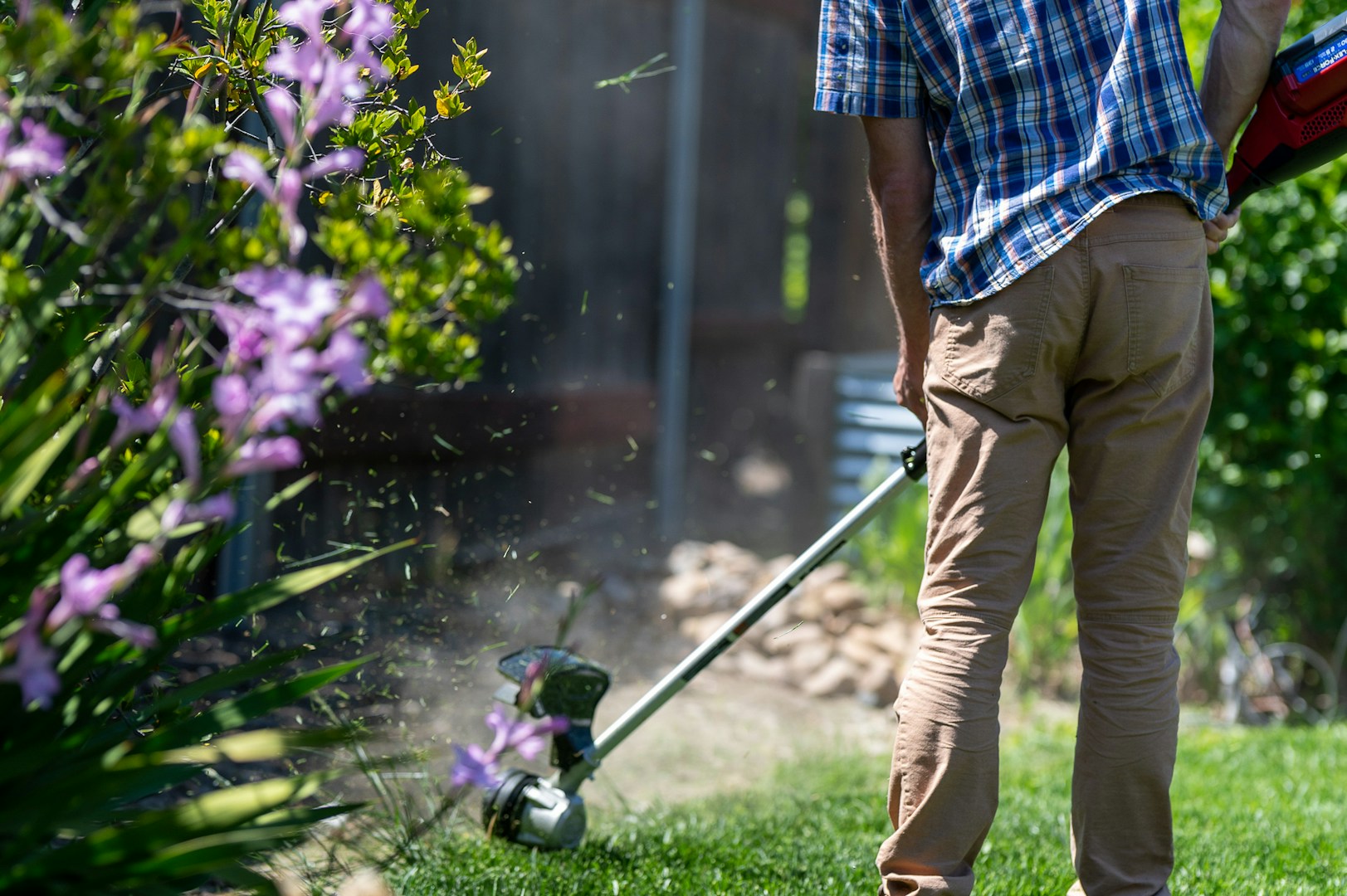
Mowing isn’t just about keeping grass short, it’s about training it to grow thicker and healthier:
- The ⅓ Rule: Never remove more than one-third of the blade height at once
- Sharp Blades Matter: Ragged cuts from dull mowers stress grass and invite disease
- Pattern Changes: Alternating mowing directions prevents soil compaction
- Clover & Diversity: Not every "weed" is bad: clover fixes nitrogen, reducing fertilizer needs
- Taller in Heat: Leaving grass slightly longer in summer shades roots and retains moisture
My lawn transformed when I stopped scalping it and embraced a slightly longer, more resilient turf.
Pruning & Mowing Insights
- Morning pruning reduces stress on plants, they heal cuts better in cool hours
- Grasscycling (leaving clippings) returns nutrients to the soil naturally
- The best time to prune flowering shrubs is right after they bloom
- A striped lawn effect comes from bending grass blades in alternating directions
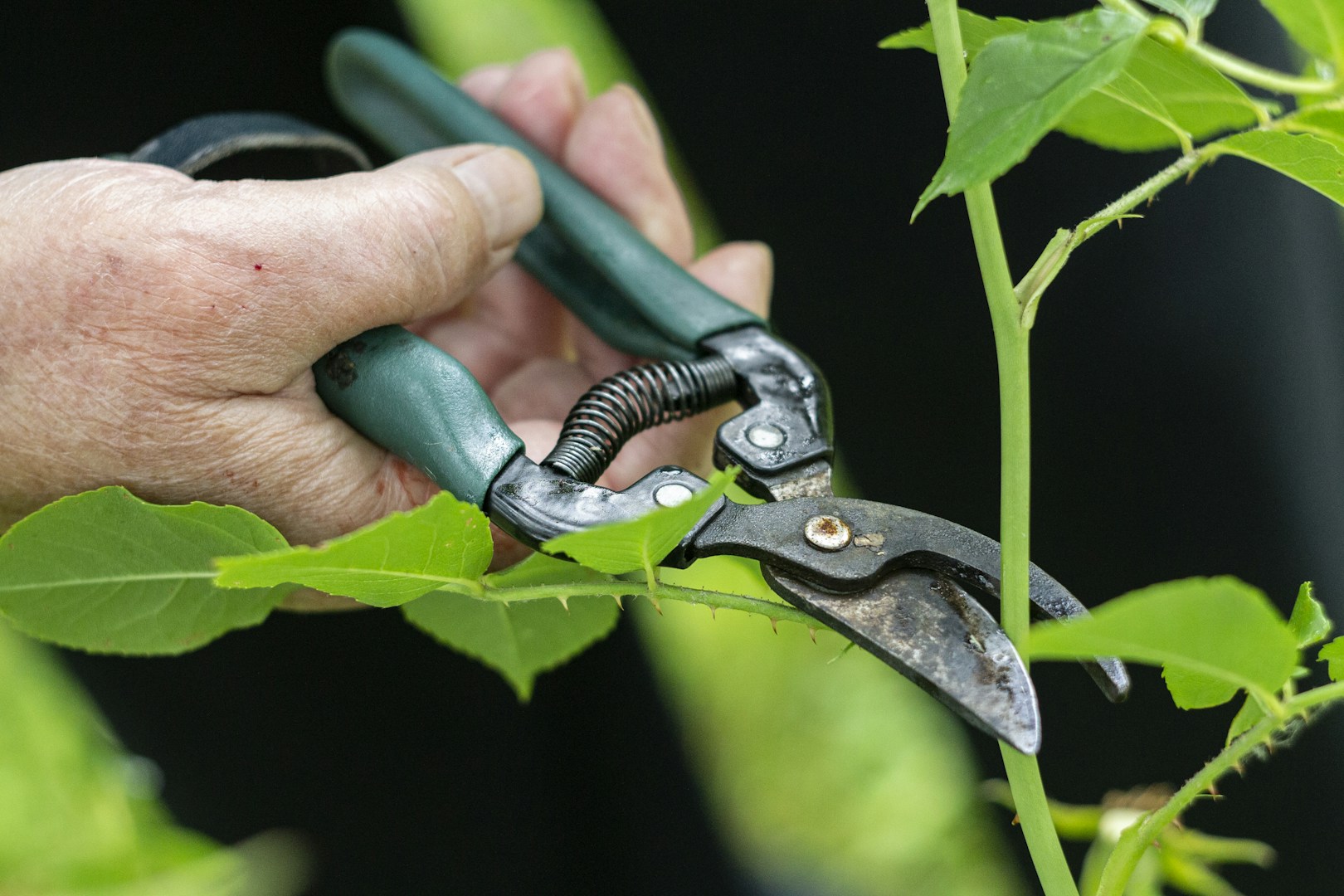
- Bypass pruners make cleaner cuts than anvil-style for live branches
Trimming and cutting, when done with knowledge and care, don’t fight nature, they work with it. A well-pruned rosebush bursts with more blooms, and a properly mowed lawn becomes its own thriving ecosystem. These aren’t just tasks; they’re conversations with the living world.