
Ground Beneath: Soil & Fertilizing for Thriving Plants
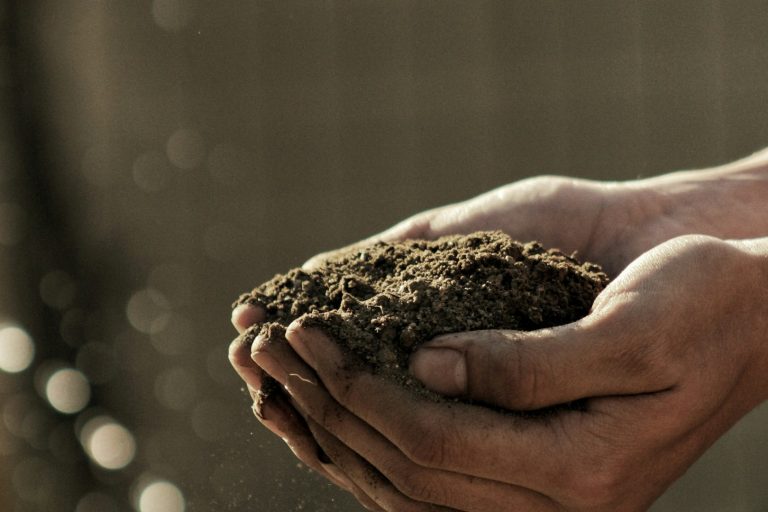
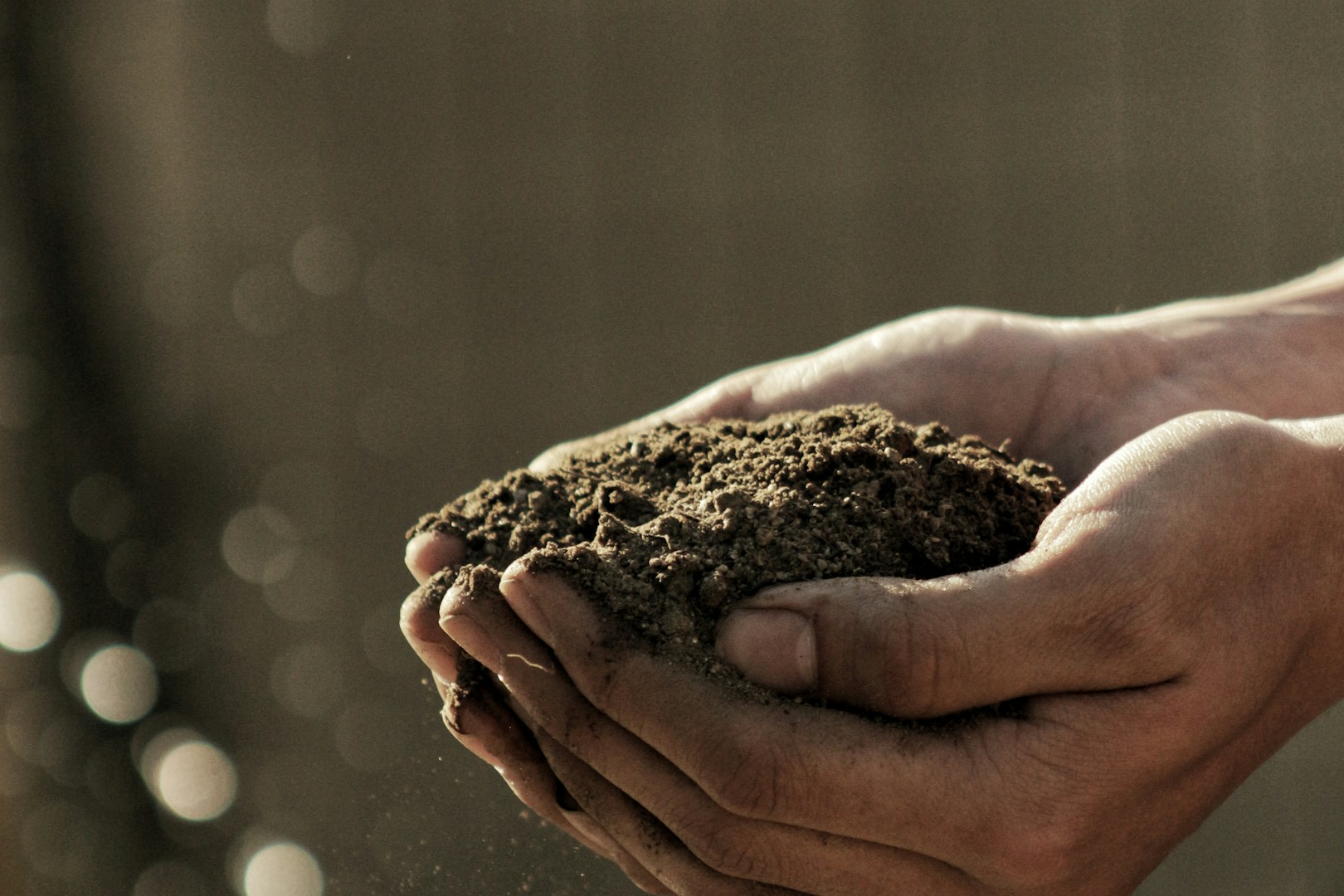
There's something almost magical about cradling rich, dark soil in your hands, this humble foundation holds the secret to lush leaves, vibrant blooms, and bountiful harvests. Just as a chef selects the finest ingredients, a gardener must choose soil and fertilizers with care. From the airy mix that cradles delicate seedlings to the nutrient-packed feast that fuels fruiting plants, understanding what goes beneath the surface transforms gardening from hopeful guessing to confident cultivation. And when we venture beyond basic compost to treasures like bat guano or the nitrogen-fixing power of beans, we unlock nature's own perfect recipes for plant prosperity.
Soil 101: Texture, pH, and Life Within
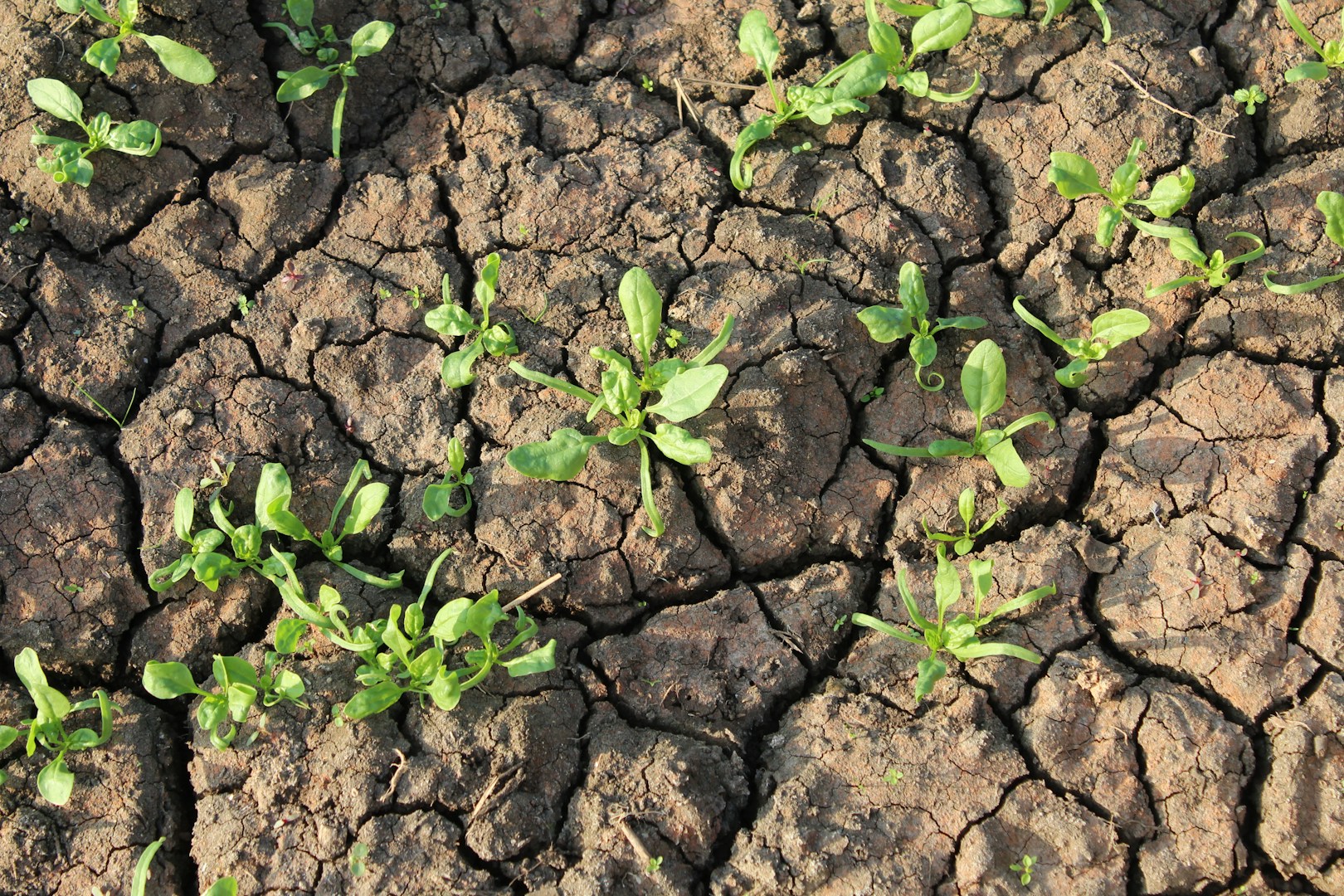
The best soil breathes like a living thing, it's equal parts mineral particles, organic matter, and microscopic life. The three main soil types each tell a different story:
- Sandy soils let water rush through like a sieve, perfect for drought-loving lavender but challenging for thirsty hydrangeas.
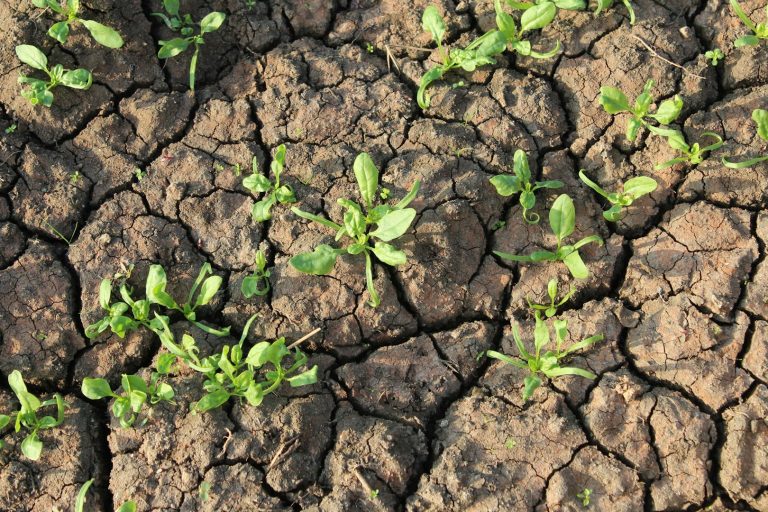
- Clay soils cling to moisture like a sponge, great for wetland plants but needing amendment for most gardens.
- Loamy soils (the gardener's dream) offer the perfect balance, like a moist chocolate cake that holds together without being dense.
pH determines nutrient access. Most plants thrive between 6.0-7.0, though exceptions abound: blueberries yearn for acidic conditions (4.5-5.5) while clematis prefers slightly alkaline ground. A simple test kit reveals your soil's secrets, and amendments like agricultural lime or pine needles can shift the balance. The real magic happens in the organic matter: compost, leaf mold, and worm castings transform lifeless dirt into vibrant growing medium.
Fertilizer: From Kitchen Scraps to Bat Caves
Plants crave three main nutrients like we crave a balanced diet:
- Nitrogen (N) for vigorous green growth
- Phosphorus (P) for strong roots and flowers
- Potassium (K) for overall plant health
While synthetic fertilizers offer quick fixes, I'm partial to nature's time-tested solutions:
- Beans and peas work nitrogen-fixing magic—their roots host bacteria that pull nitrogen from air to soil. After harvest, I chop the plants into the earth as green manure.
- Bat guano, harvested from ancient cave deposits, comes in two varieties: nitrogen-rich (from insect-eating bats) for leafy growth, or phosphorus-packed (from fruit bats) for flowering and fruiting.
- Compost tea—steeped like gardener's brew—delivers nutrients in liquid form for quick absorption.
Application wisdom: I've learned that less is more: overfeeding burns roots and upsets soil biology. A light monthly feeding during growing season, with a winter rest period, keeps plants thriving without stress.
Crafting the Perfect Growing Medium
For containers, bagged mixes offer convenience but savvy gardeners often customize:
- Houseplant blend: 2 parts potting soil, 1 part perlite, 1 part compost
- Seed starting mix: 1 part coco coir, 1 part vermiculite, a sprinkle of compost
- Succulent mix: Equal parts potting soil, coarse sand, and pumice
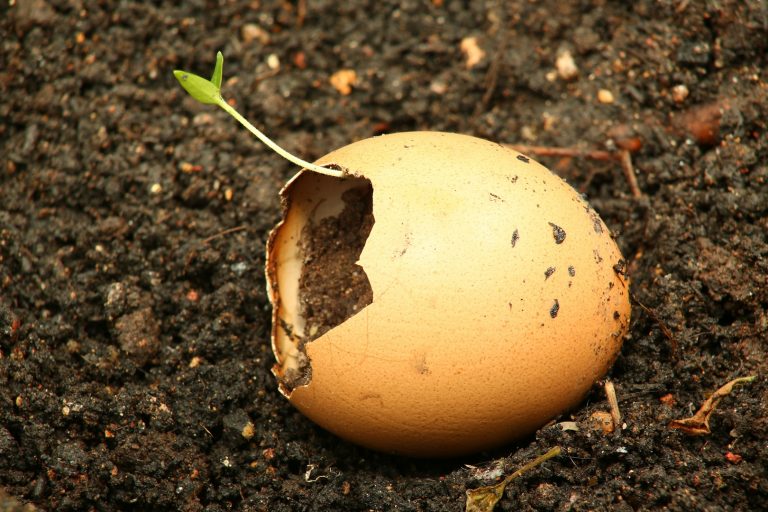
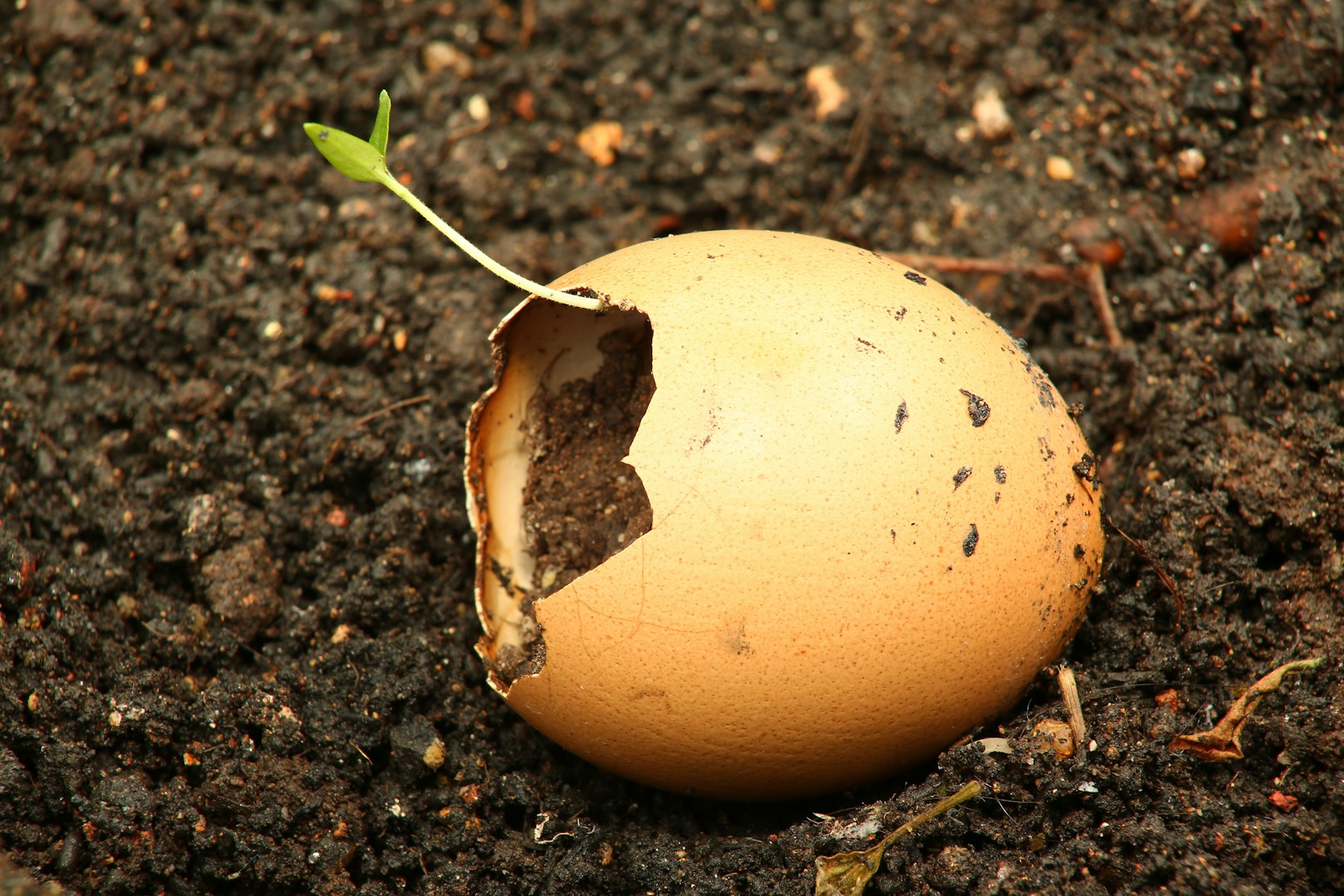
Outdoor gardens benefit from annual soil therapy: a 2-3 inch layer of compost worked into beds each spring replenishes what plants consume. I've found that incorporating spent coffee grounds (for acidity) and crushed eggshells (for calcium) gives my tomatoes an extra boost while reducing kitchen waste.
Reading Plants' Silent Language
Our green companions communicate their needs clearly if we learn to listen:
- Pale leaves with green veins often cry out for iron
- Purple-tinged foliage may signal phosphorus deficiency
- Weak stems and small fruit frequently indicate potassium hunger
For potted plants, I watch for crusty white deposits on soil surfaces, a sign of salt buildup from over-fertilizing that calls for soil replacement. Outdoors, I plant dynamic accumulators like comfrey and yarrow, their deep roots mine nutrients from subsoil to share via compost.
Fascinating Soil Secrets
- A teaspoon of healthy soil contains more microorganisms than Earth's human population—these invisible allies break down organic matter into plant food.
- Earthworm castings contain 5 times more nitrogen than regular soil—nature's perfect slow-release fertilizer.
- Banana peels buried near rose bushes provide potassium for stunning blooms without chemicals.
- Mycorrhizal fungi form underground networks that can connect multiple plants in a "wood wide web" for nutrient sharing.
- Charcoal from wood fires (biochar) improves soil for centuries—ancient Amazonian terra preta soils still remain fertile today.
As I run my fingers through the rich earth in my garden, I'm reminded that we're not just growing plants, we're stewarding entire ecosystems. Whether amending clay with sand, brewing compost tea, or sprinkling precious bat guano around my tomatoes, each action weaves into nature's grand design. The soil remembers our care, and repays it a hundredfold in blossoms, fragrance, and harvest. After all, as any seasoned gardener knows, the secret to a thriving garden begins with what lies beneath our feet.