
The Joy of Sprouting: Tiny Greens with Big Flavor
There’s something quietly magical about growing your own food, especially when it happens right on your kitchen counter in just a few days. Sprouting seeds, beans, and grains is one of the simplest, most rewarding ways to bring fresh greens into your meals, even in the middle of winter. These tiny powerhouses of nutrition are crisp, flavorful, and packed with vitality. Whether you’re topping a sandwich with alfalfa sprouts or tossing mung bean sprouts into a stir-fry, homegrown sprouts add a delightful crunch and a burst of life to every bite.
The Simple Art of Sprouting
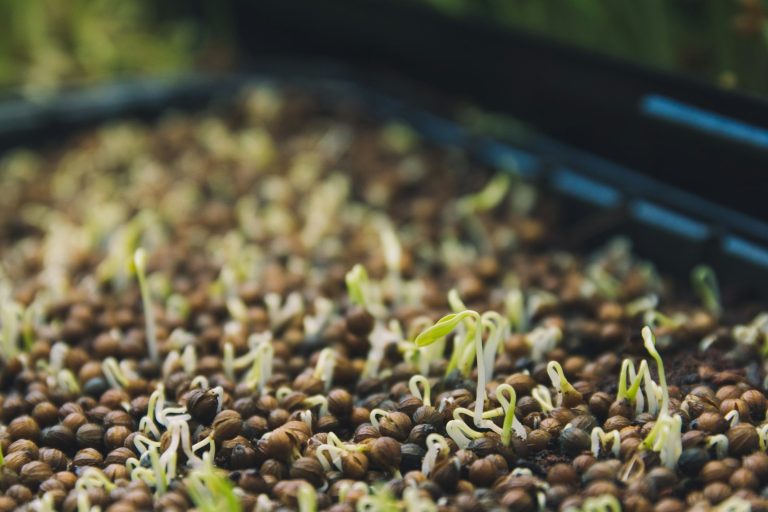
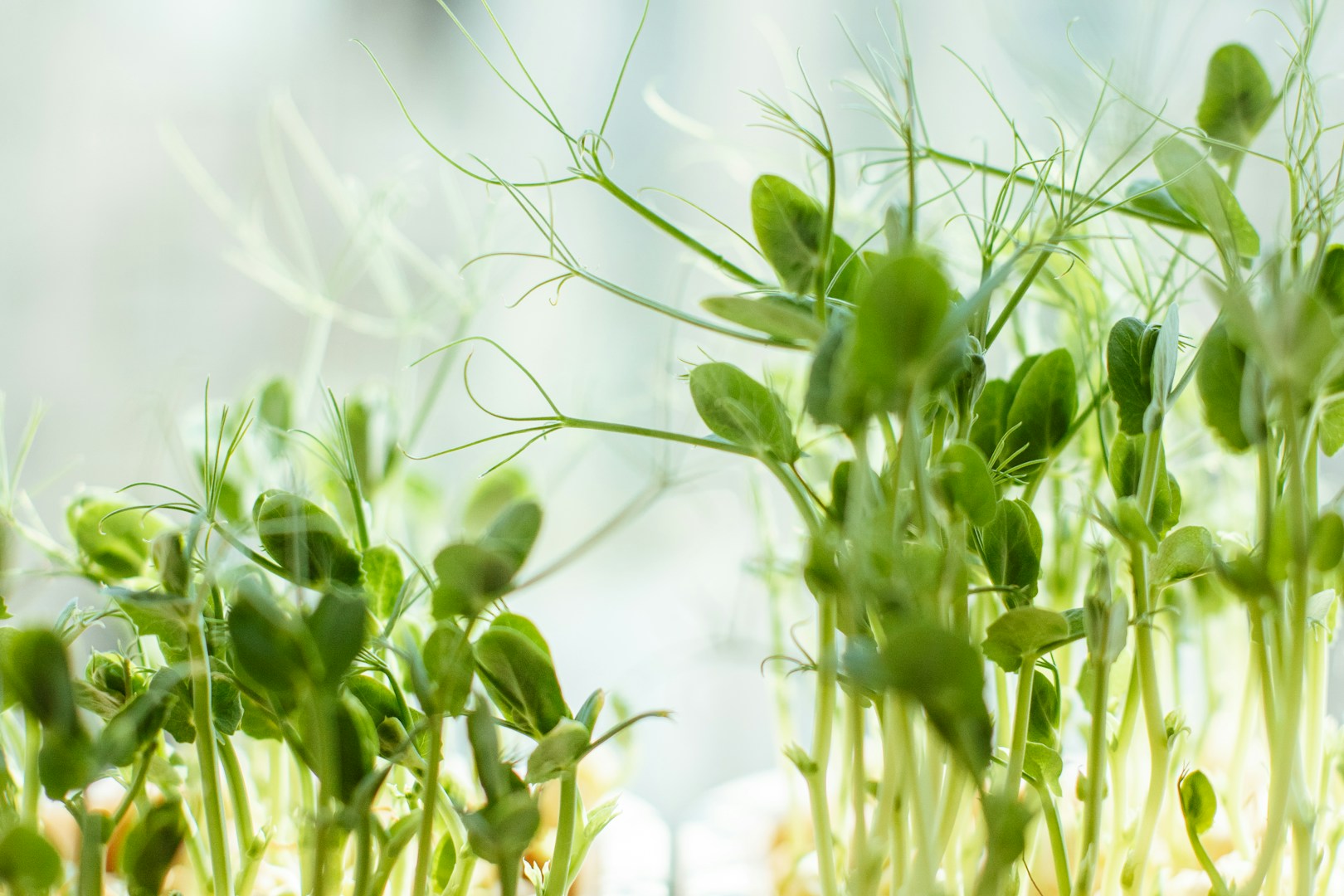
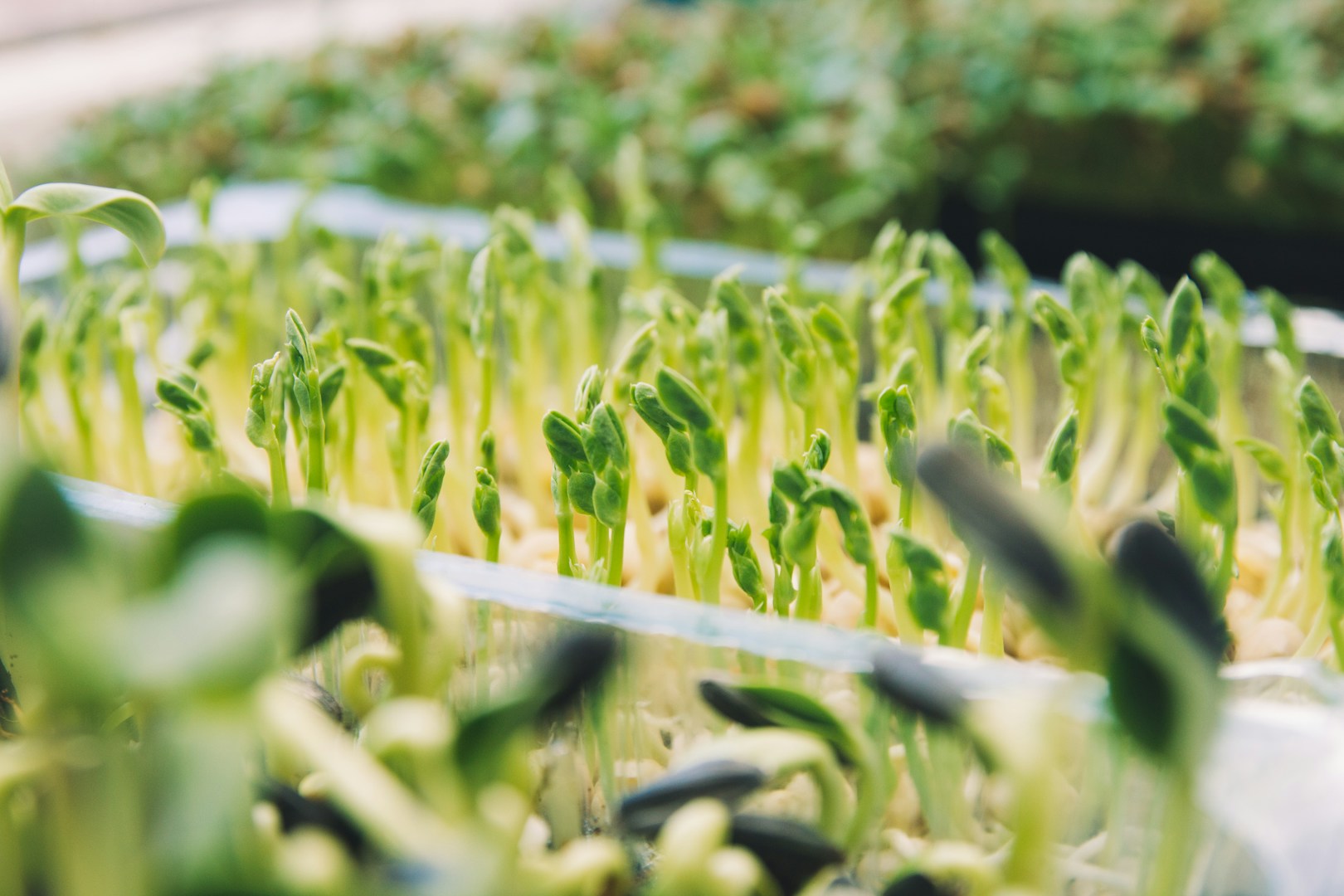
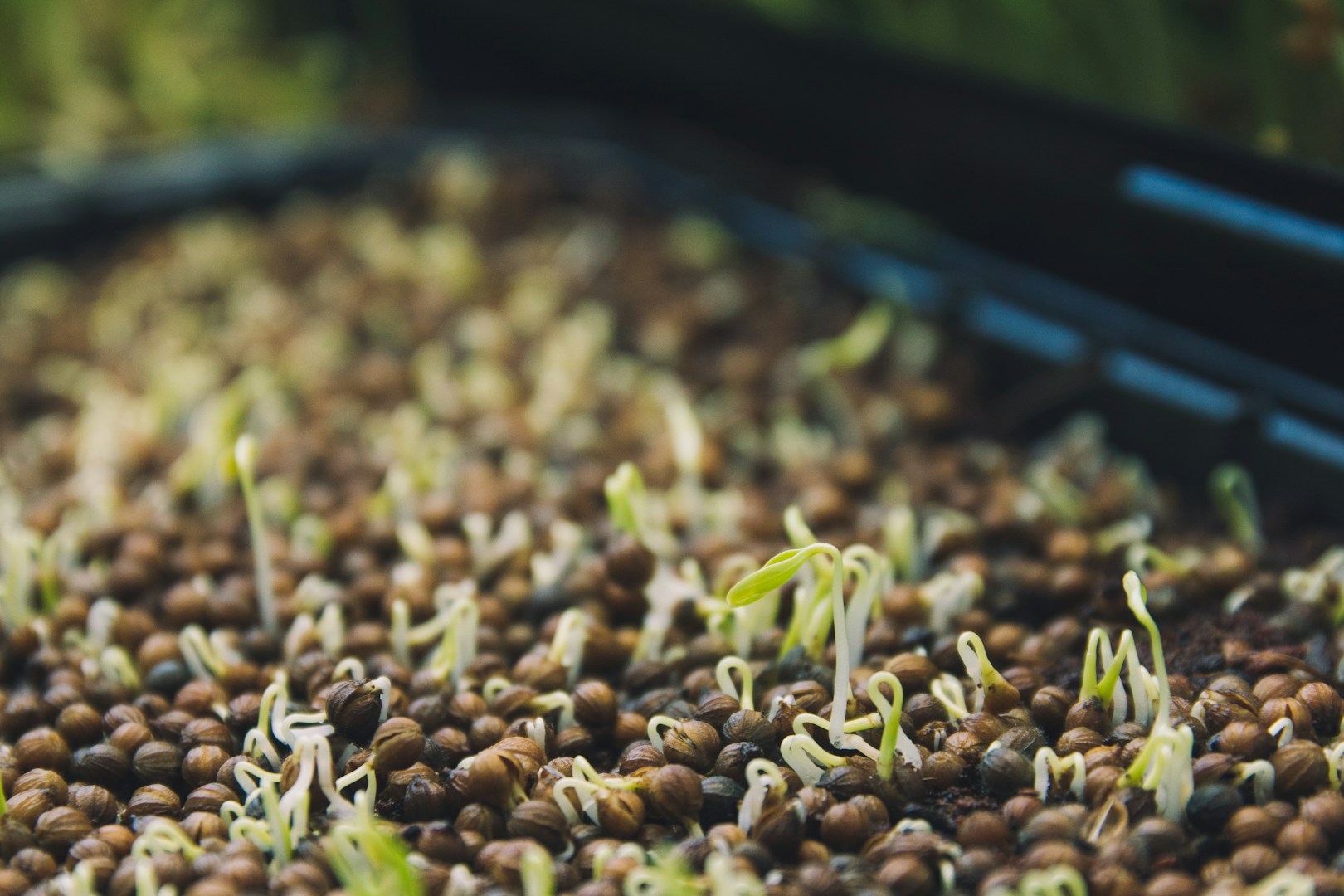
All you need to start sprouting is a clean jar, a mesh lid or cheesecloth, fresh water, and high-quality sprouting seeds (regular seeds may be treated with chemicals, so always choose organic, untreated varieties). Begin by rinsing your seeds thoroughly, then soak them in cool water for 8–12 hours. After soaking, drain the water and rinse them twice a day, morning and evening, to keep them moist but not waterlogged. Within days, tiny roots and shoots will emerge, transforming humble seeds into vibrant, edible greens. Watching this daily progress feels like a small miracle, a reminder that life thrives even in the simplest conditions.
Tips for Perfect Sprouts Every Time
- Use the right seeds – Always buy seeds labeled for sprouting to avoid chemicals or bacteria.
- Keep them drained – After rinsing, tilt your jar at an angle to let excess water drip out, preventing mold.
- Give them air – Cover with a breathable cloth or mesh lid to allow airflow while keeping dust out.
- Avoid direct sunlight – Sprouts grow best in indirect light; too much sun can dry them out or make them bitter.
- Harvest at the right time – Most sprouts are ready in 3–7 days. Taste-test as they grow to find your preferred stage.
- Store properly – Once ready, refrigerate sprouts in a sealed container with a paper towel to absorb moisture—they’ll stay fresh for up to a week.
Sprouts to Savor
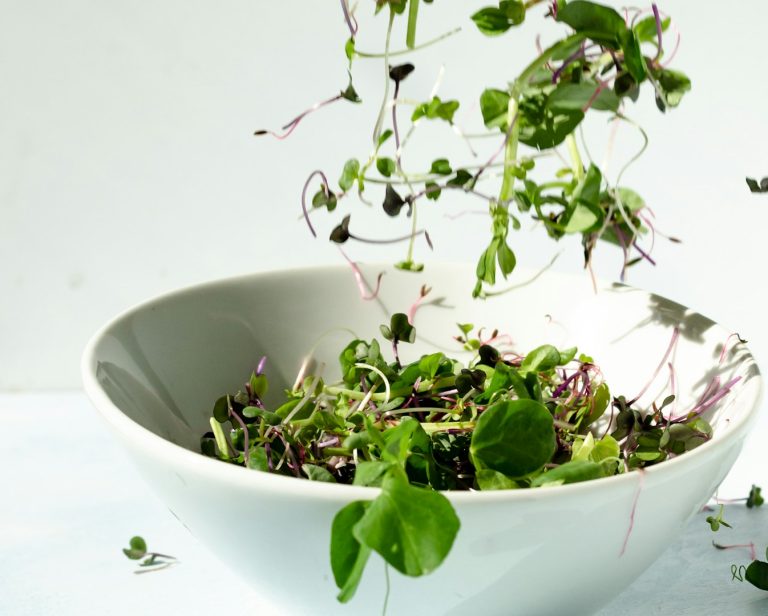
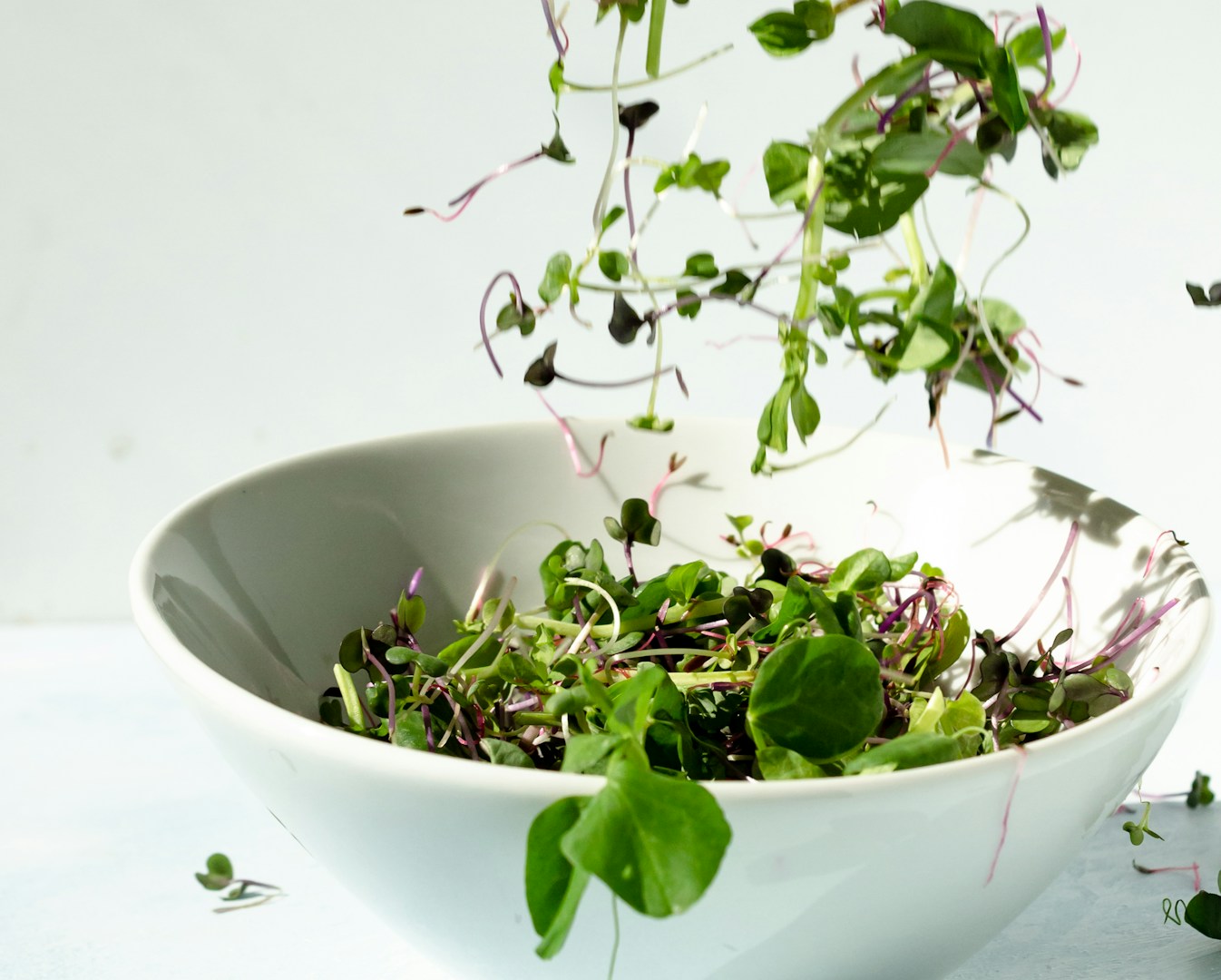
Not all sprouts are the same, and each variety brings its own unique flavor and texture. Alfalfa sprouts are mild and perfect for salads, while radish sprouts add a peppery kick. Crunchy lentil sprouts are great in wraps, and sunflower sprouts have a nutty richness. Broccoli sprouts, famous for their health benefits, have a mild, slightly bitter taste. Experimenting with different seeds is part of the fun—you might discover a new favorite to brighten up your meals.
Why Sprouts Are Superfoods
Sprouts are nutritional powerhouses. When seeds germinate, their vitamin content skyrockets—some sprouts contain up to 100 times more enzymes than raw vegetables! They’re rich in protein, fiber, and antioxidants, making them an excellent addition to any diet. Plus, because they’re eaten raw or lightly cooked, their nutrients remain intact. A handful of sprouts can turn an ordinary dish into a health-boosting meal with very little effort.

Interesting Facts About Sprouts
- Ancient Superfood – Sprouts have been part of human diets for thousands of years, with records of their use in ancient China and Egypt.
- Quickest Crop – Unlike garden vegetables that take weeks or months, most sprouts are ready to eat in just 3–7 days.
- Living Enzymes – Sprouting activates enzymes that aid digestion, making sprouts easier on the stomach than unsprouted seeds or beans.
- Space-Friendly – Astronauts have grown sprouts in space because they require no soil and very little equipment.
- Detox Power – Broccoli sprouts contain high levels of sulforaphane, a compound known for its detoxifying and anti-cancer properties.
Sprouting is more than just a way to grow food, it’s a gentle, mindful practice. The daily rinsing becomes a small ritual, a moment to pause and tend to something living. In a world that often feels rushed, sprouting slows us down, even if just for a minute or two. And when you finally sprinkle those fresh greens over your meal, there’s a deep satisfaction in knowing you’ve nurtured them from seed to plate.