
Useful Plants: Flavor, Medicine & Beyond
Beyond beautiful flowers and shade trees, some of the most fascinating plants are those that serve multiple purposes: adding flavor to our meals, soothing our ailments, or simply intriguing us with their unique qualities. These botanical multitaskers prove that plants can be both practical and captivating. Here are seven remarkable plants that deserve a spot in every curious gardener's plot.

Chili Peppers
The Fiery Flavor Boosters
From mild poblanos to scorching ghost peppers, chili plants offer endless heat levels for culinary adventures. What makes them truly fascinating? The compound capsaicin, which creates their signature burn, also acts as a natural pain reliever in topical creams. These sun-loving plants thrive in containers, with some varieties like 'Thai Ornamental' doubling as decorative houseplants. The colorful fruits change as they ripen (green to red, yellow, or even purple) making them as visually appealing as they are tasty.
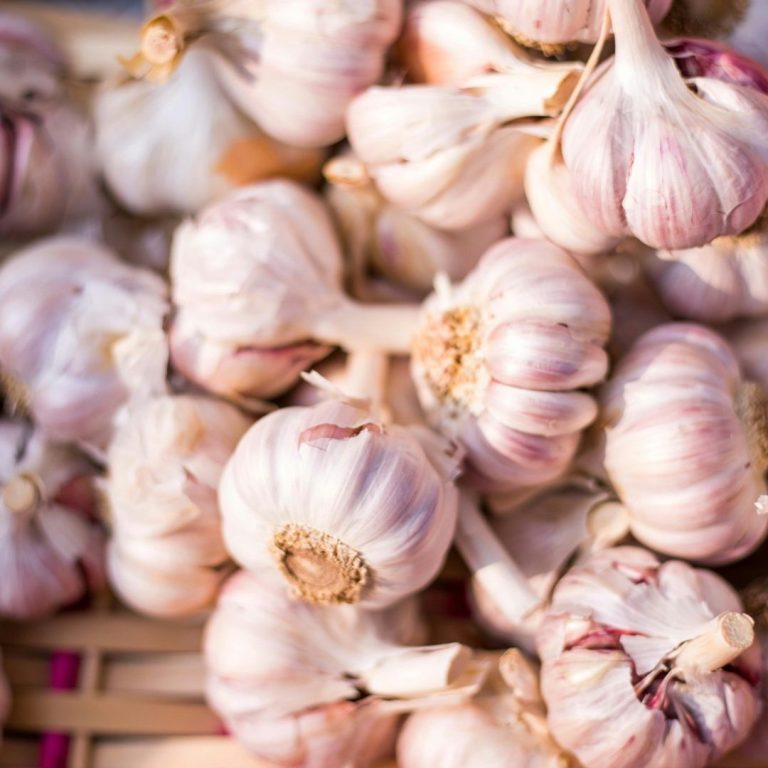
Garlic
The Pungent Protector
More than just a kitchen staple, garlic is a garden guardian. Its sulfur compounds repel pests from nearby plants while its underground bulbs develop into flavorful cloves. Plant individual cloves in fall for summer harvests, the curly garlic scapes that appear in spring are a bonus edible delicacy. Studies suggest garlic has antimicrobial properties, making it as valuable in home remedies as in cooking.
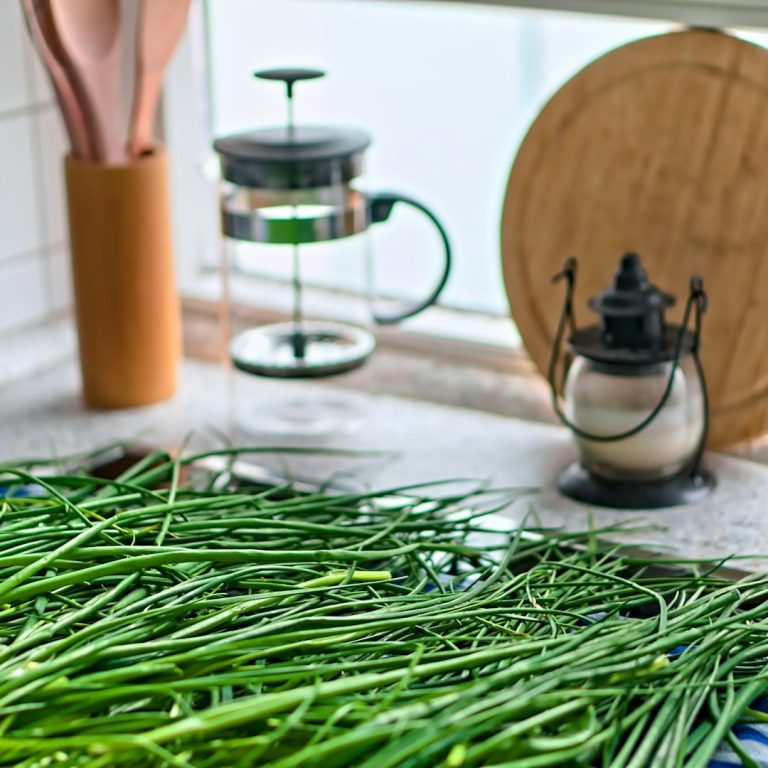
Chives
The Delicious Deterrent
These slender alliums do triple duty: their purple flowers attract pollinators, their grassy leaves enhance dishes, and their scent repels unwanted insects. Garlic chives offer a mild garlic flavor, while common chives provide an oniony zing. They're among the first perennials to emerge in spring, pushing up through frosty soil with cheerful resilience.
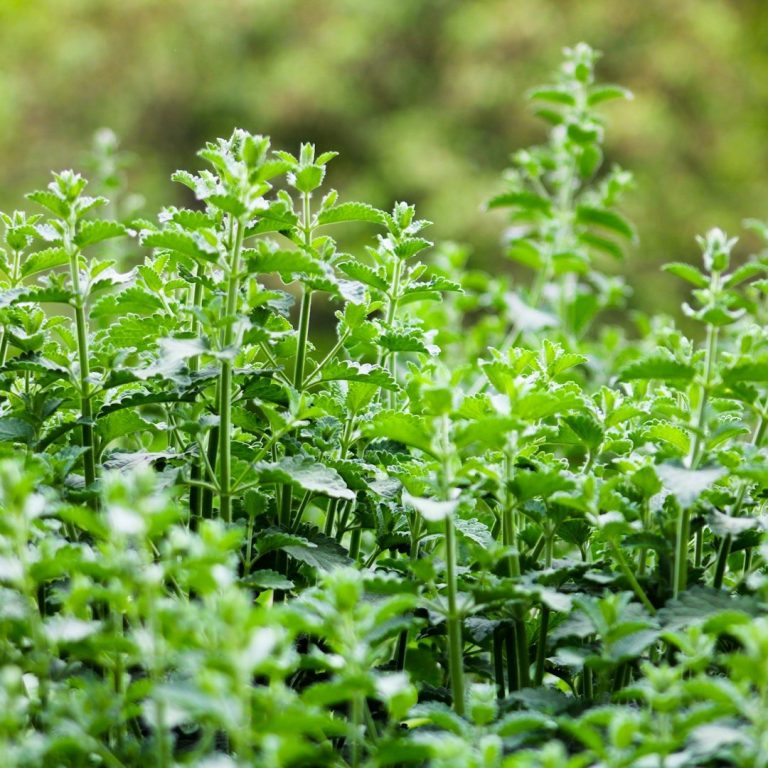
Catnip
The Feline Enchanter
While cats go wild for nepeta cataria, this mint relative has uses beyond pet entertainment. Its leaves make a calming tea that may help with anxiety and insomnia in humans. The plant's strong scent also repels certain insects, including mosquitoes and cockroaches. Easy to grow and drought-tolerant, catnip spreads readily but is easily contained in pots.
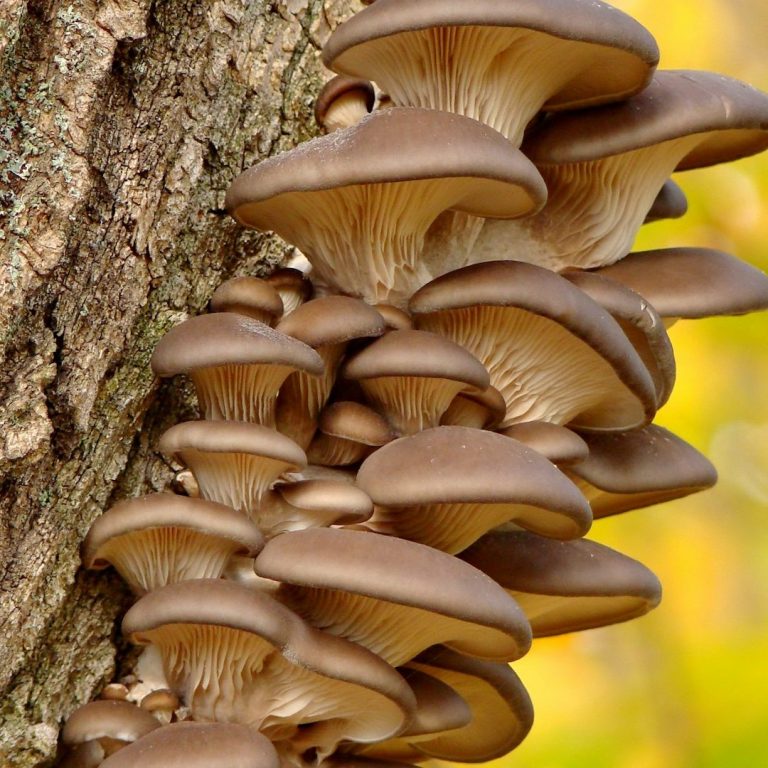
Mushrooms
The Mysterious Decomposers
Unlike traditional plants, mushrooms grow from fungal mycelium, breaking down organic matter into rich soil. Oyster mushrooms are among the easiest to cultivate at home, they'll grow on coffee grounds or straw. Shiitake logs can produce for years when properly maintained. Beyond being delicious, many mushrooms offer immune-boosting properties and are being studied for their medicinal potential.

Eucalyptus
The Aromatic Healer
With its silvery-blue leaves and invigorating scent, eucalyptus is as useful as it is beautiful. The leaves can be harvested for DIY respiratory steams or dried for fragrant arrangements. Fast-growing varieties like 'Silver Dollar' make stunning container plants in cooler climates (where they can be brought indoors in winter). Note: These thirsty plants need regular watering to thrive.
A Garden That Gives Back
These plants represent nature's perfect partnerships: offering us flavors, fragrances, and healing while requiring minimal care in return. A windowsill herb garden can yield fresh chives and catnip for teas. A sunny patio pot might host a chili plant and lavender side by side. Even a shady corner could support a mushroom growing kit.
Beyond their practical benefits, these plants connect us to ancient traditions of herbalism and homesteading. Crushing garlic for pasta sauce, harvesting chilies for hot sauce, or hanging eucalyptus in the shower, these small acts root us in the rhythms of growing and using what nature provides. Start with one or two that spark your curiosity, and let your garden become both pantry and apothecary. After all, the most rewarding plants are those that nourish both body and soul.
Why Grow Useful Plants?
- Dual-purpose gardening: Many serve both culinary and medicinal roles
- Natural solutions: Reduce reliance on store-bought remedies and pesticides
- Educational value: Great for teaching kids about science and nature
- Space efficiency: Most thrive in containers or small garden patches
- Year-round interest: From garlic's spring scapes to eucalyptus's evergreen foliage