
Vegetable Gardener: Cultivating Abundance
There's a special kind of magic that happens when you push a tiny seed into warm soil and watch it transform into food. Vegetable gardening isn't just about growing produce, it's about participating in nature's most delicious miracle. Whether you're tending a sprawling backyard plot or a collection of pots on a sunny balcony, growing your own vegetables connects you to the earth in ways that nourish both body and soul. The crunch of a homegrown carrot, the sun-warmed sweetness of a just-picked tomato, the satisfaction of serving a salad entirely from your garden, these simple pleasures make all the effort worthwhile.
Why Everyone Should Grow Vegetables
Growing your own food is one of the most rewarding acts of self-sufficiency:
- Flavor Beyond Compare: Store-bought vegetables can't match the intensity of homegrown
- Nutritional Powerhouse: Fresh-picked produce retains more vitamins and minerals
- Economic Wisdom: A $3 packet of seeds can yield hundreds of dollars worth of food
- Therapeutic Benefits: Gardening reduces stress and connects us to natural rhythms
- Environmental Impact: Eliminating food miles and packaging makes a real difference
Indoor Vegetable Garden
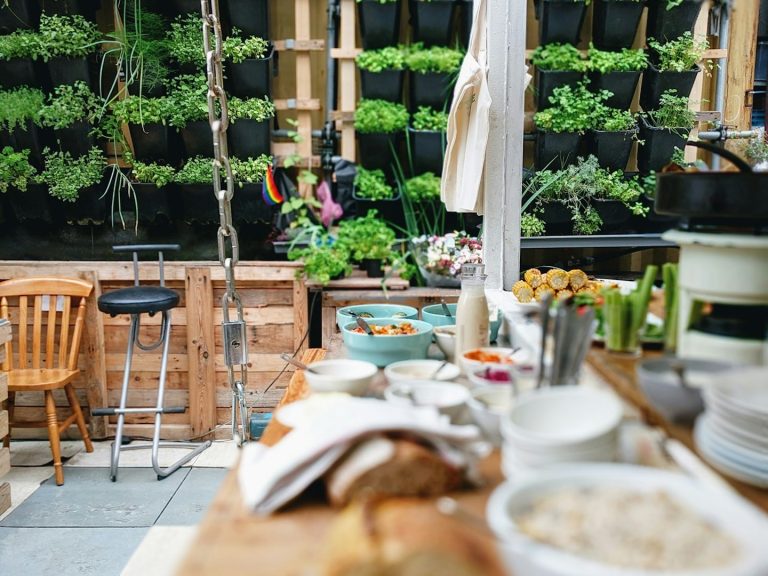
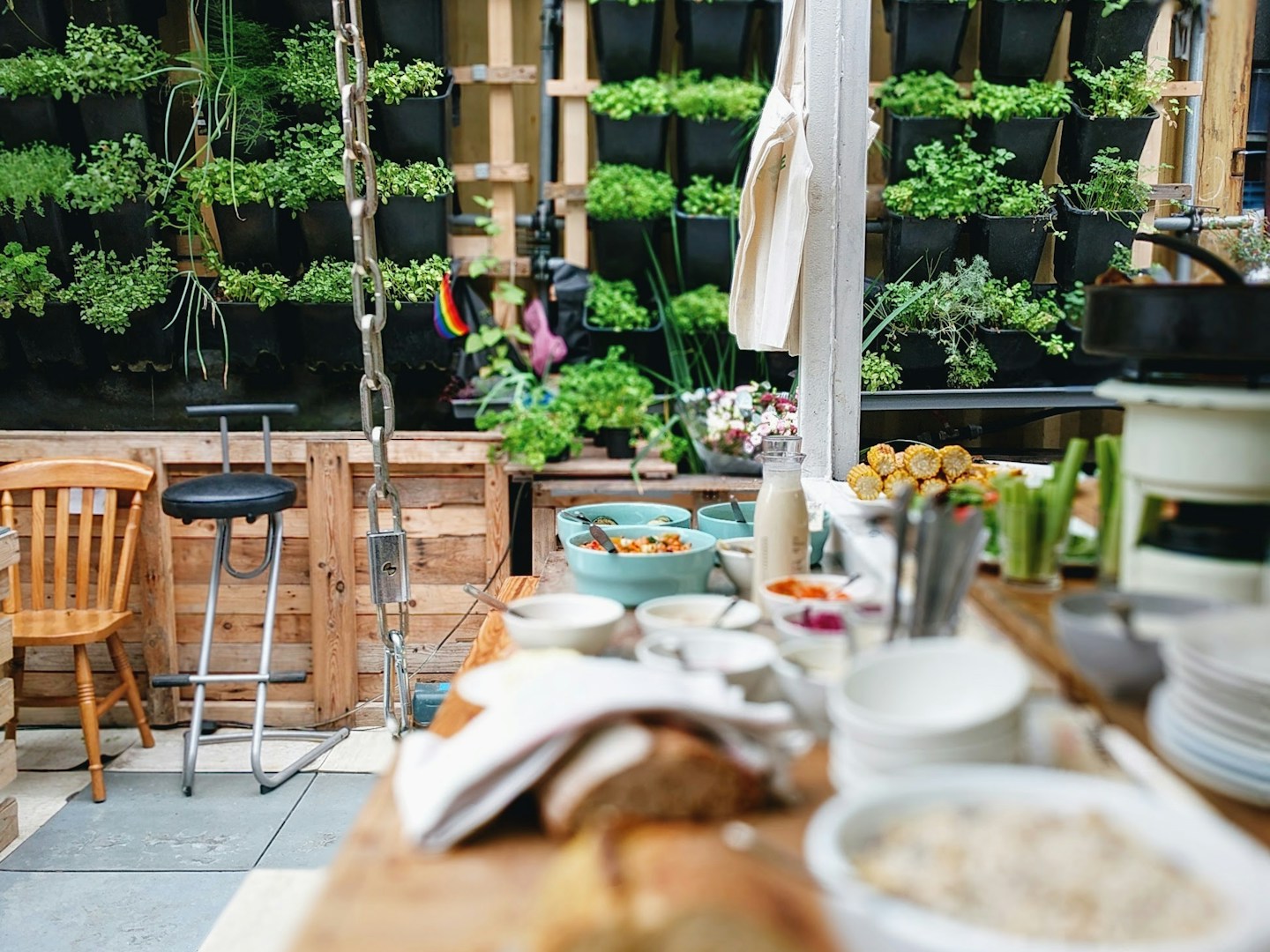
Who says you need a backyard to grow your own food? With a sunny windowsill or a simple grow light setup, you can cultivate crisp lettuce, fragrant herbs, and even cherry tomatoes right in your kitchen. Indoor vegetable gardening brings the joy of harvests year-round, no matter the weather outside. Compact varieties like microgreens, dwarf tomatoes, and patio peppers thrive in containers, while hydroponic systems let you grow without soil at all. There’s something deeply satisfying about snipping fresh basil for pasta or plucking a ripe pepper from a pot near your coffee maker, proof that even in the smallest spaces, nature finds a way to provide. Plus, tending to indoor greens purifies the air, brightens your home, and offers a daily dose of gardening therapy. Whether you’re an apartment dweller or just craving winter freshness, an indoor vegetable garden turns every day into harvest season.
Planning Your Vegetable Garden: Start Smart
A successful garden begins long before the first seed is planted:
Location Essentials:
- Sun Worship: Most vegetables demand 6-8 hours of direct sunlight daily
- Water Access: Convenient hose reach makes maintenance manageable
- Soil Quality: Well-draining, fertile earth is the foundation of success
- Protection: Windbreaks and fencing may be necessary in some areas
Garden Styles for Every Space:
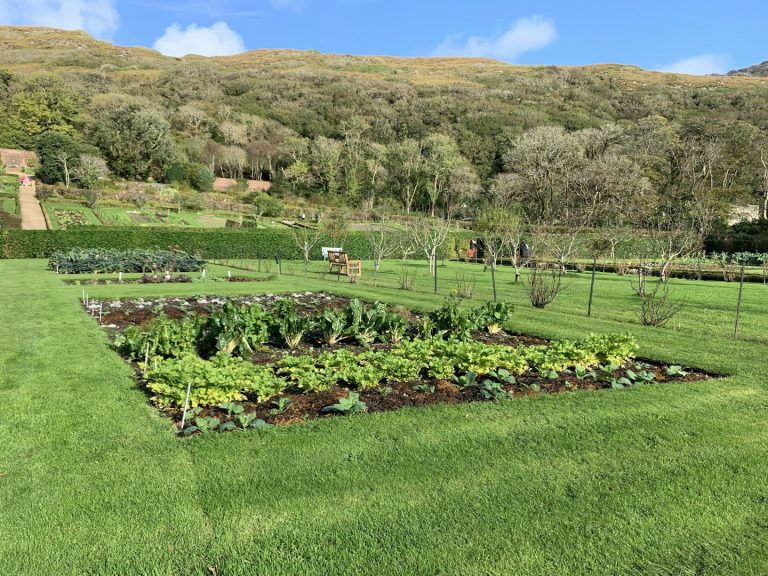
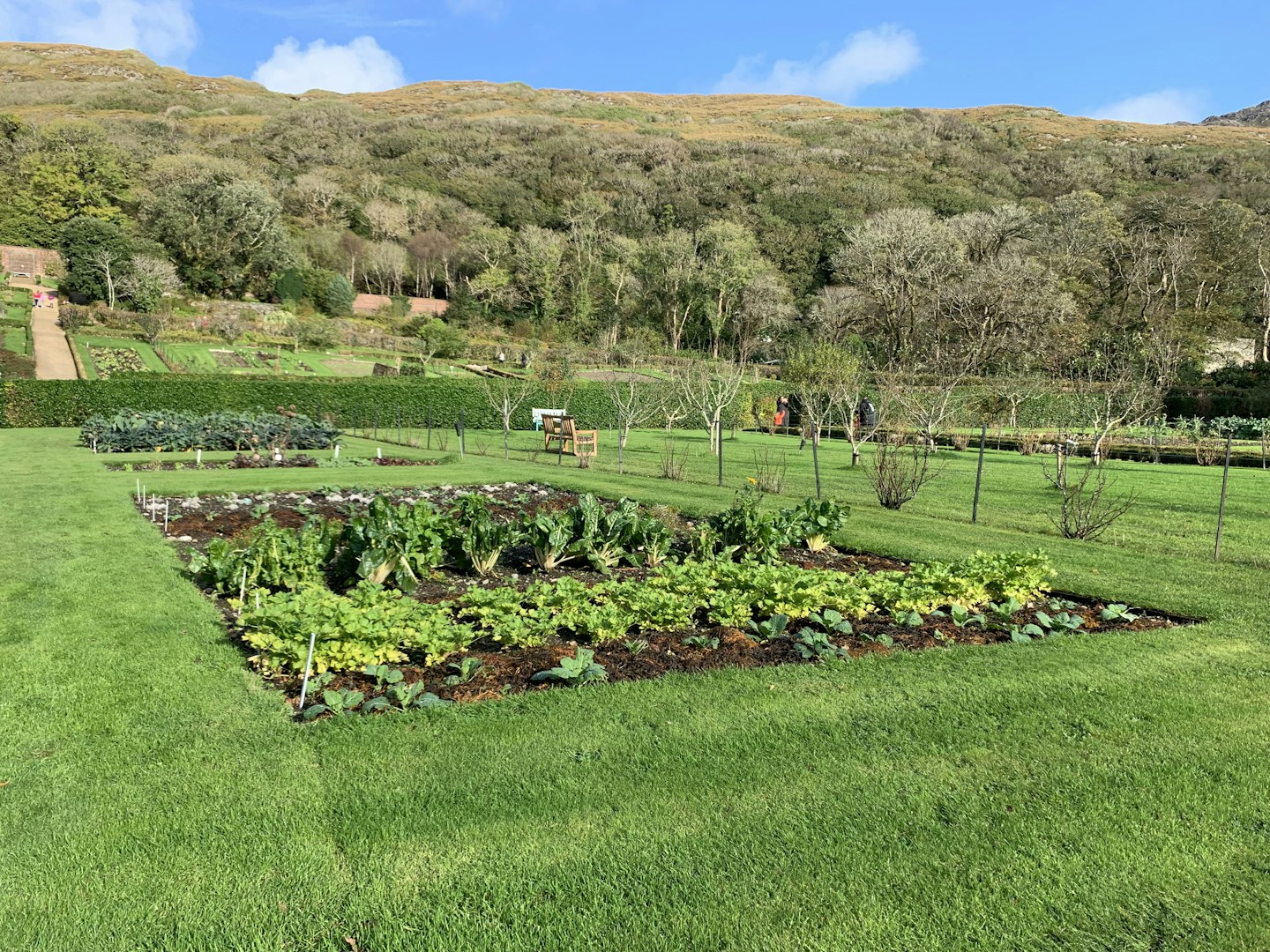
- Traditional rows work well for large spaces with walkways
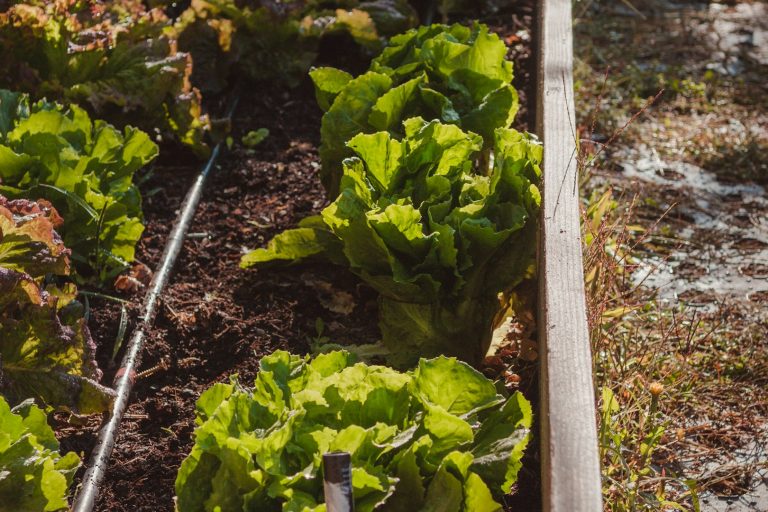
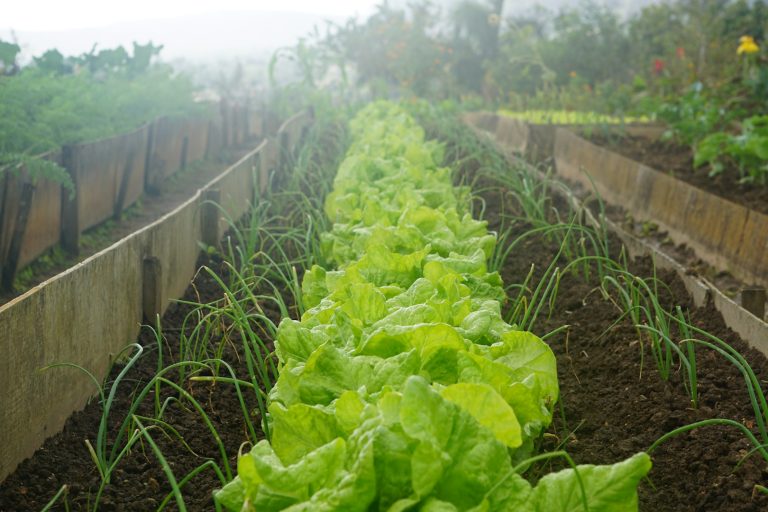
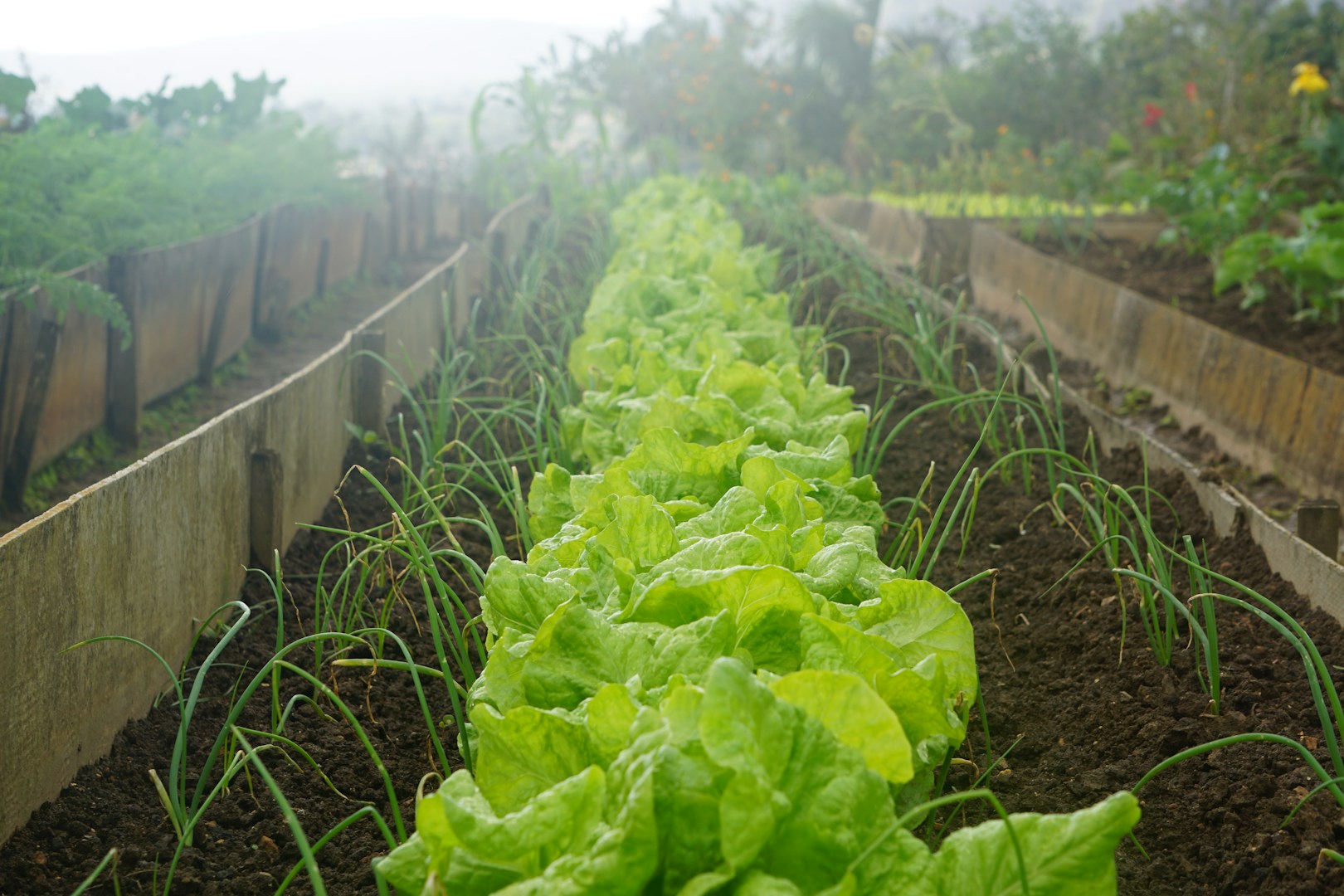
- Raised beds improve drainage and reduce weeds (my personal favorite)
- Square foot gardening maximizes small spaces with intensive planting
- Container gardens transform patios and balconies into productive spaces
Beginner-Friendly Crops:
Radishes: Ready in just 25 days, instant gratification
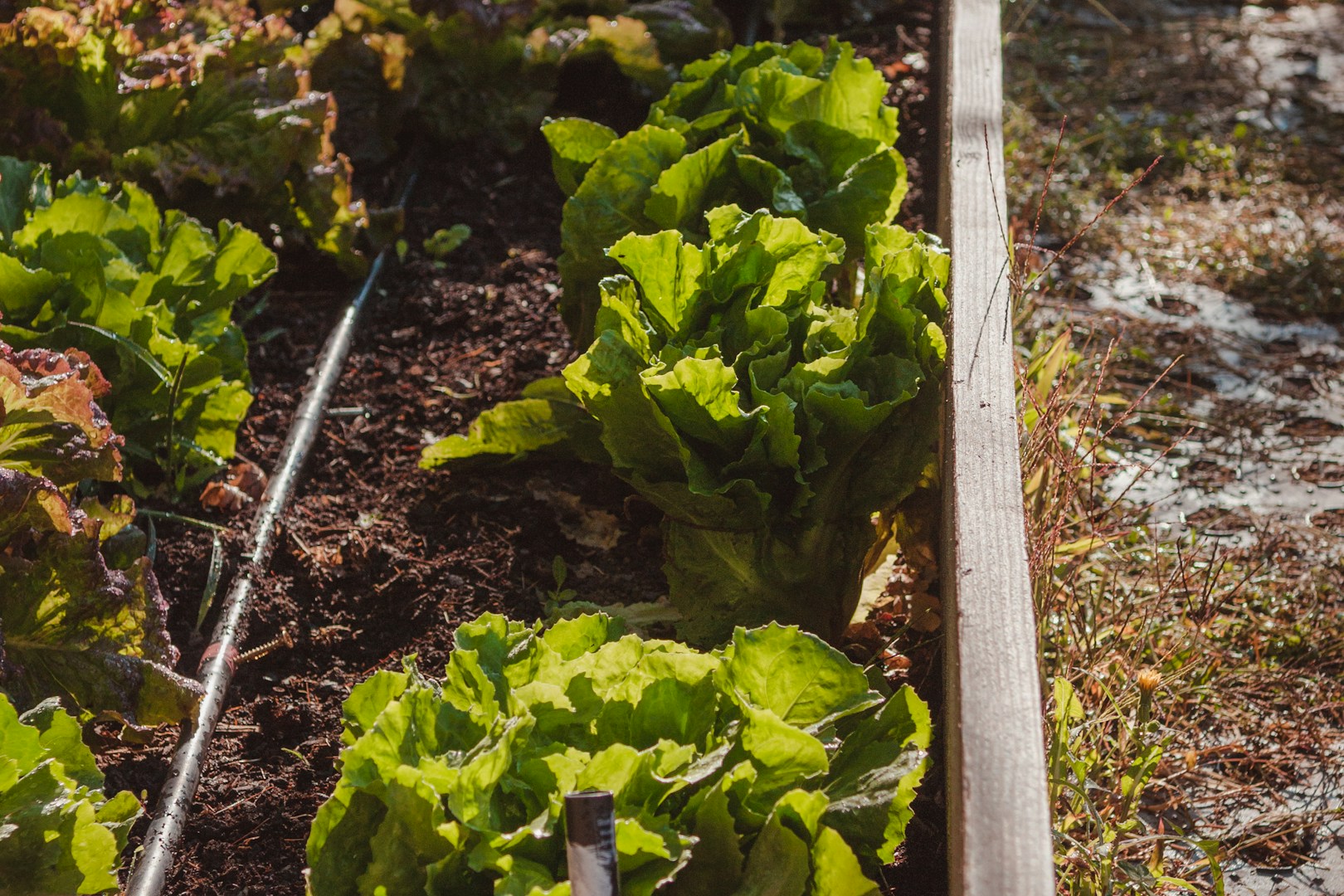
Lettuce: Cut-and-come-again varieties provide continuous harvests
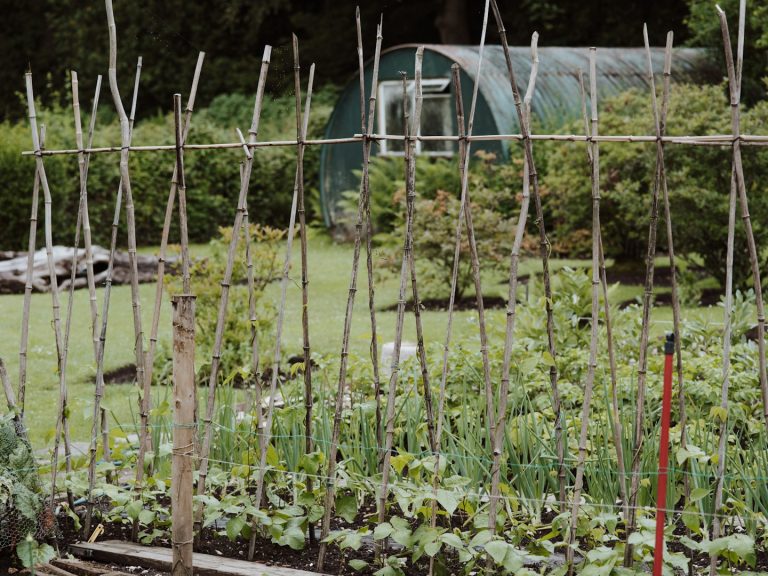
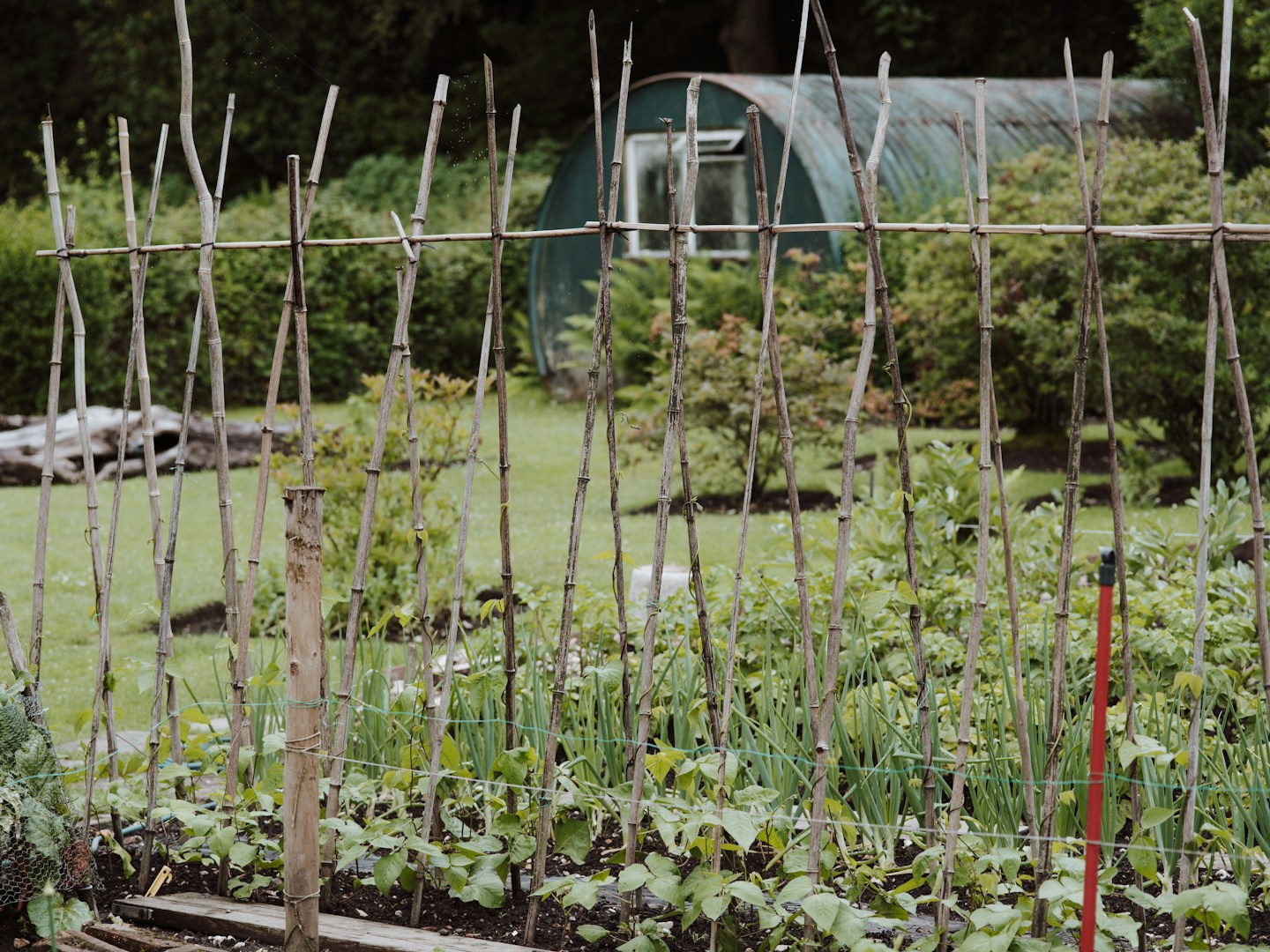
Green beans: Prolific producers that kids love to pick
Zucchini: One plant can feed a small neighborhood (seriously)
The Gardener's Calendar: Seasonal Rhythms
Understanding your growing season unlocks greater success:
Spring Preparation:
- Soil testing and amendment with compost
- Cool-season crops like peas and spinach go in early
- Succession planting begins for continuous harvests
Summer Abundance:
- Heat-lovers like tomatoes and peppers hit their stride
- Regular harvesting keeps plants productive
- Mulching conserves water and suppresses weeds
Fall Transition:
- Planting garlic for next year's harvest
- Cool-weather crops get a second chance
- Preserving the bounty through canning and freezing
Winter Planning:
- Reviewing garden notes for next year's improvements
- Seed catalog dreaming (a gardener's favorite winter sport)
- Indoor herb gardens keep the connection alive
Greenhouse Growing Secrets
- Plant flowers among vegetables—marigolds deter pests while attracting pollinators
- Rotate crops annually to prevent soil-borne diseases
- Water deeply but less frequently to encourage strong root systems
- Harvest in the morning when vegetables are at their crispest
- Keep a garden journal—next year's self will thank you
A vegetable garden is more than a food source: it's a classroom where patience is taught daily, a sanctuary where worries fade among rustling leaves, and a living testament to nature's generosity. Whether you're growing a single pot of basil on a windowsill or managing a quarter-acre homestead plot, the act of nurturing plants that nurture you in return creates a profound connection to the earth and its cycles.