
Art of Watering Plants: A Guide to Nourishing Life
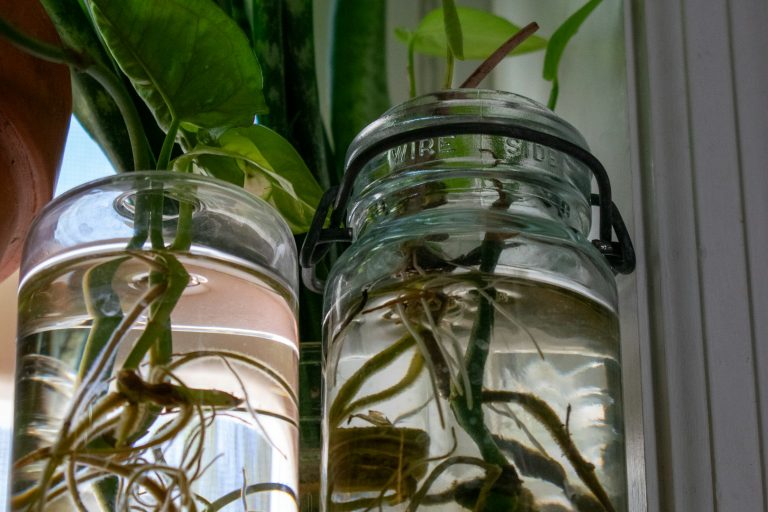
There’s something deeply satisfying about watering plants, the quiet ritual of giving them what they need to thrive, watching leaves perk up, and knowing you’re helping life grow. Whether you’re tending to a windowsill herb garden, a lush indoor jungle, or an outdoor vegetable patch, watering is the most essential act of care. But not all plants drink the same way, and learning the best methods can make the difference between flourishing greenery and wilted disappointment. From the steady drip of a self-watering pot to the refreshing spray of a garden hose, every plant has its perfect way to sip.
The Basics: How Much and How Often?
The golden rule of watering is simple: It’s better to underwater than overwater. Most plants prefer deep, infrequent drinks over daily sprinkles. For indoor plants, check the soil, stick your finger an inch deep; if it’s dry, it’s time to water. Outdoor plants often need more frequent hydration, especially in summer, but always consider their natural habitat. Succulents and cacti love drought-like conditions, while ferns and tropical plants crave constant moisture. A good soak that reaches the roots is far better than a light sprinkle that barely wets the surface.
Indoor Watering Methods
Indoor plants rely on us entirely, so choosing the right watering technique matters:
- The Classic Pour: Use a watering can with a narrow spout to direct water at the soil, avoiding leaves (which can lead to mold).
- Bottom Watering: Place pots in a tray of water and let them soak it up from below, great for plants prone to root rot, like African violets.
- Self-Watering Pots: These have built-in reservoirs that slowly release moisture, perfect for forgetful gardeners.
- Misting: Some humidity-loving plants (like ferns and orchids) enjoy a fine spray, but don’t rely on misting alone for hydration.
- Ice Cube Trick: For delicate orchids or small pots, placing an ice cube on the soil lets water melt slowly, preventing overwatering.
Outdoor Watering Wisdom
Gardens, lawns, and patio plants have different needs depending on weather, soil, and plant types:
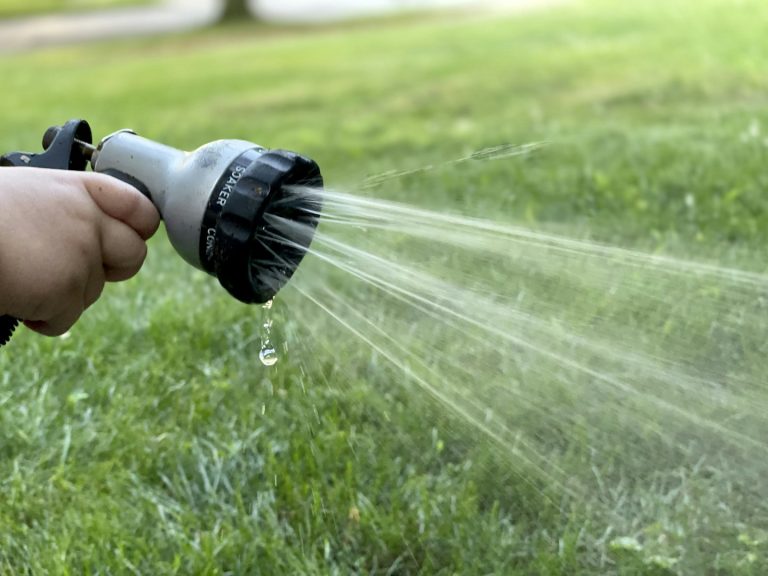
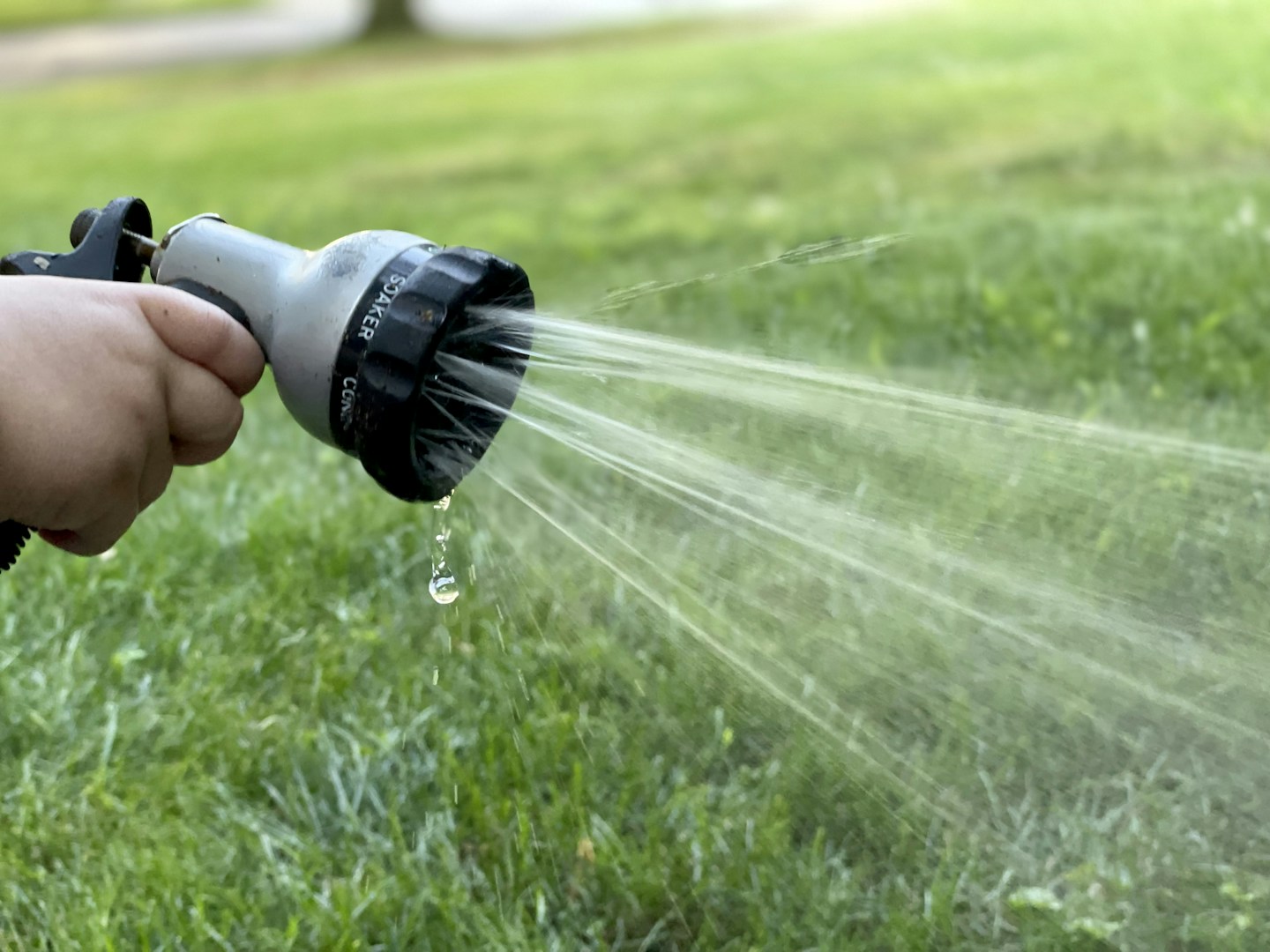
- Hose & Sprinkler: Best for lawns and large garden beds, but water early in the morning to reduce evaporation and fungal growth.
- Soaker Hoses: These porous hoses deliver water directly to roots, minimizing waste, ideal for vegetable gardens.
- Drip Irrigation: A slow, precise system that conserves water and keeps foliage dry, perfect for drought-prone areas.
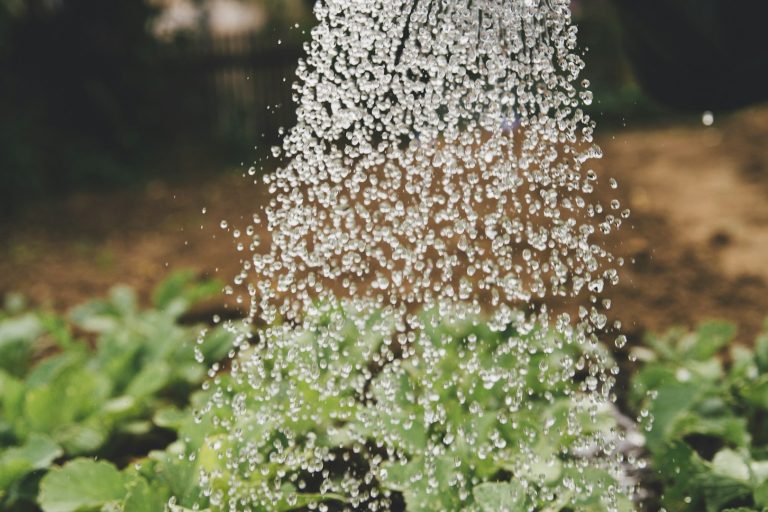
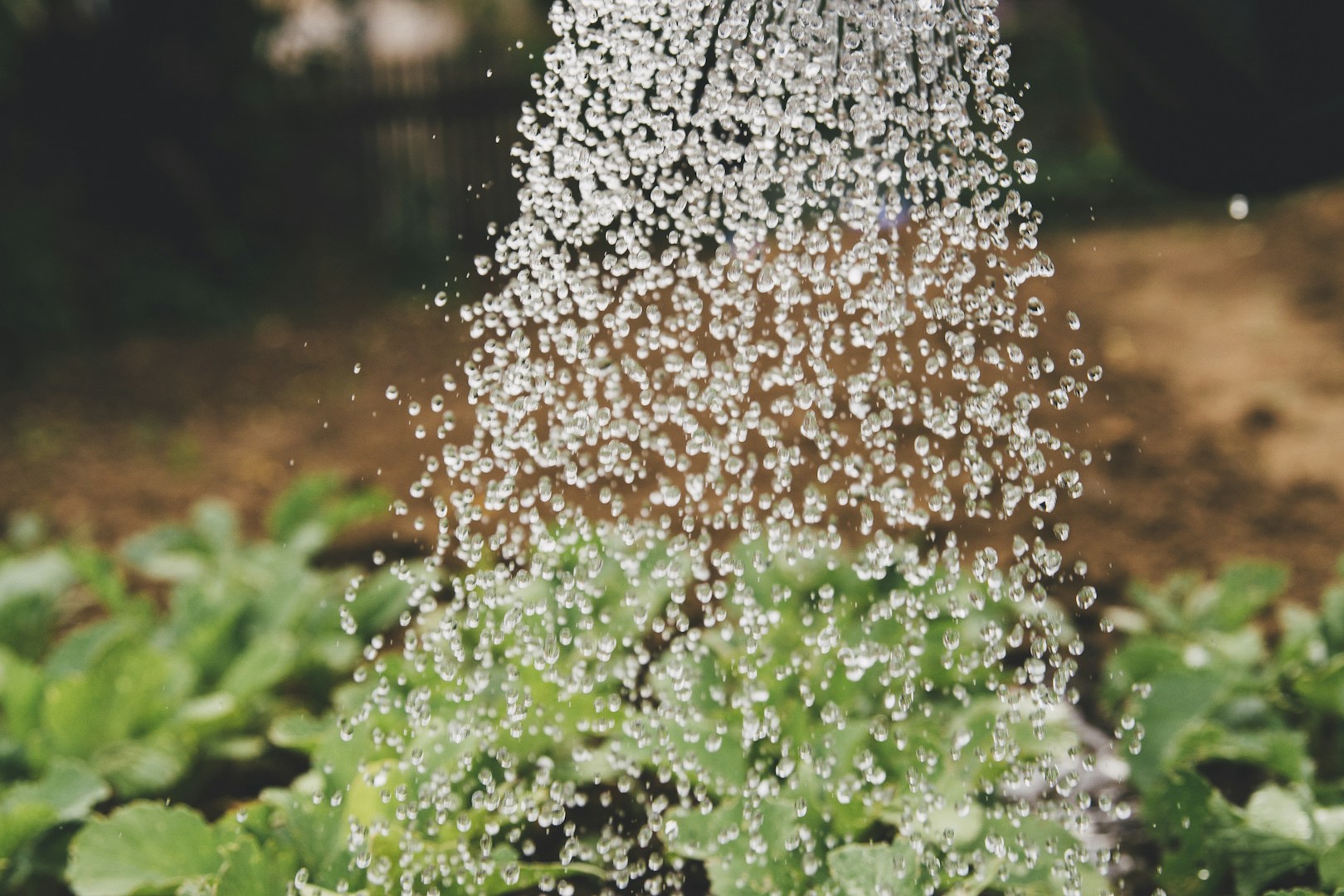
- Watering Cans: Still useful for potted plants and delicate seedlings that need gentle attention.
- Rain Barrels: Collecting rainwater is eco-friendly and provides naturally soft water that plants love.
Signs You’re Watering Wrong
Plants communicate their needs, if you pay attention. Yellow leaves often mean overwatering, while crispy brown edges suggest thirst. Drooping can go either way, so always check the soil first. Heavy pots may be waterlogged, while lightweight ones are likely parched. Outdoor plants in sandy soil dry out faster than those in clay, which holds moisture longer. Adjust your routine based on the season—plants usually need more water in summer and less in winter.
Interesting Facts About Sprouts
- Morning is Best – Watering early reduces evaporation and helps plants prepare for the heat of the day.
- Plants Prefer Room-Temp Water – Ice-cold water can shock roots, especially in houseplants.
- Some Plants “Sweat” – Through a process called guttation, plants like peace lilies release excess water droplets.
- Overwatering Kills More Than Drought – Roots suffocate without oxygen, leading to rot, a top cause of houseplant death.
- The “Finger Test” is Ancient – Gardeners for centuries have used touch, not schedules, to gauge when to water.
Watering is more than a chore, it’s a connection. Whether you’re patiently misting a fern or setting up an automatic drip system for your tomatoes, each method keeps life growing. And when you see those leaves glisten and flowers bloom, you’ll know your care made all the difference. Happy watering!