
Zen Garden: A Sanctuary of Stone and Sand
A Zen garden is more than just rocks and raked gravel: it is a meditation in physical form, a place where the mind quiets and the soul finds balance. Inspired by the ancient dry landscapes of Japanese Buddhist temples, a personal Zen garden distills nature into its purest elements, inviting contemplation and inner peace. Whether tucked into a backyard corner or arranged on a tabletop, this minimalist oasis transforms any space into a haven of harmony.
Less is More
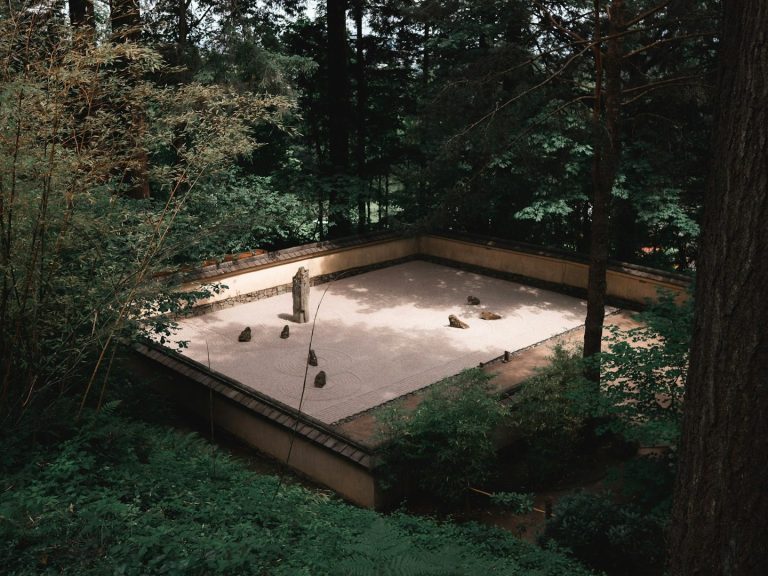
True to Zen philosophy, simplicity reigns. A traditional layout features carefully placed stones (symbolizing mountains or islands) amid raked sand or fine gravel (representing water or emptiness). Odd numbers of rocks (typically three, five, or seven) create natural asymmetry, while an open, uncluttered base emphasizes negative space. For small gardens, a wooden tray or shallow ceramic dish can hold a microcosm of the same principles. The goal is not ornamentation, but intention: every element chosen to guide the eye and calm the spirit.
The Ritual of Raking
The Poetry of Stone and Gravel
The choice of materials carries deep symbolism. Smooth, weathered stones suggest endurance; jagged rocks evoke energy. Light-colored gravel (like crushed granite or white sand) reflects sunlight and brightens the space, while darker tones add depth. For texture contrast, add a single moss patch or a low, clipped shrub (such as boxwood or dwarf juniper). Avoid overcrowding, each component should breathe, like words in a haiku.
Raking the gravel into flowing patterns is the heart of a Zen garden’s practice. Straight lines suggest calm; concentric circles mimic water ripples. A wooden rake with wide tines glides smoothly, its rhythmic motion becoming a moving meditation. Over time, wind or rain will blur the marks, reminding us of impermanence, and inviting the ritual to begin anew. Even in stillness, the garden changes, teaching patience and presence.
Enhancing the Atmosphere
A Zen garden thrives in quiet companionship with its environment. Enclose it with bamboo fencing or a low stone wall to frame the space. Add a wooden bench or kneeling cushion for seated reflection. For sound, a bamboo shishi-odoshi (deer scarer) drips water at intervals, or wind chimes murmur in the breeze. At night, subtle uplighting casts shadows that make the stones seem to float. The garden becomes not just a sight, but an experience for all senses.
Curiosities About Zen Gardens
- Monk’s Mathematical Mastery – The rocks at Kyoto’s Ryoan-ji temple are arranged so that, from any vantage point, one stone is always hidden, a metaphor for life’s unknowability.
- Samurai Sandboxes – Feudal warlords used miniature Zen gardens in their war camps to strategize, raking patterns to represent troop movements.
- Moss as Timekeeper – In humid climates, moss slowly reclaims stone, a living reminder of wabi-sabi, beauty in transience.
- NASA’s Zen Lesson – Astronauts train with Zen garden principles to cultivate focus for long space missions.