
Ants: the Tiny Titans
Ants are among Earth’s most successful insects, thriving in nearly every ecosystem. While their industrious nature fascinates scientists, some species become pests, invading homes, damaging crops, and even threatening human health. Understanding how to identify ants, their ecological benefits, and effective control methods can help us manage their presence wisely.
How to Recognize Ants
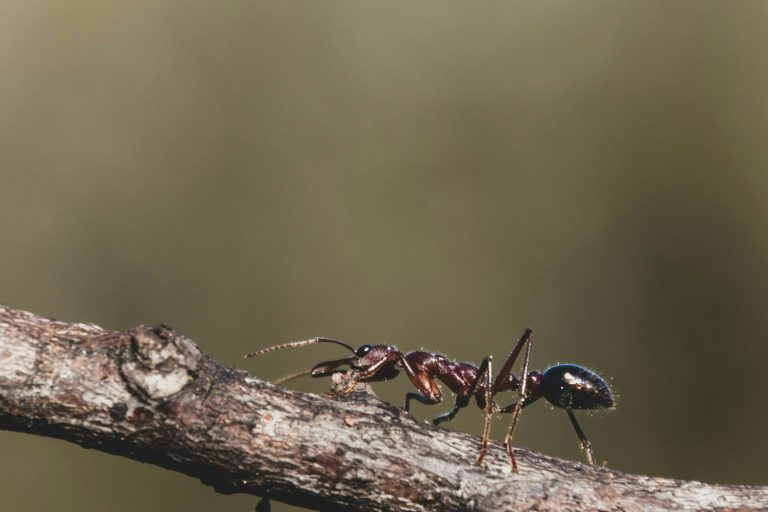
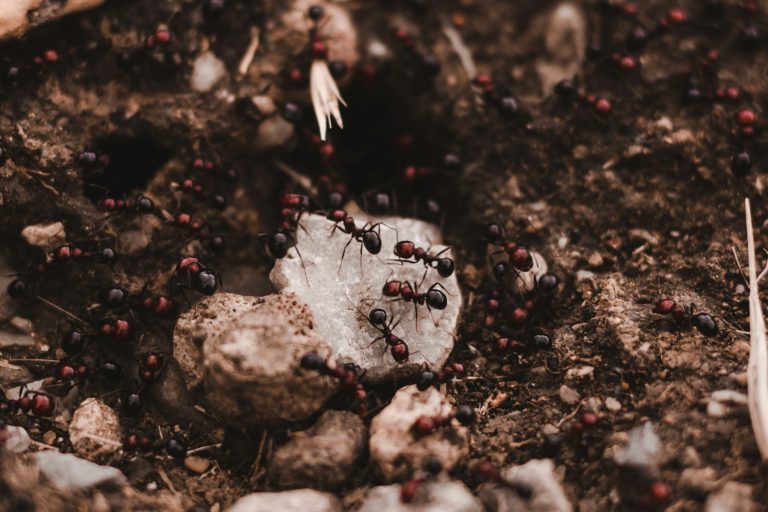
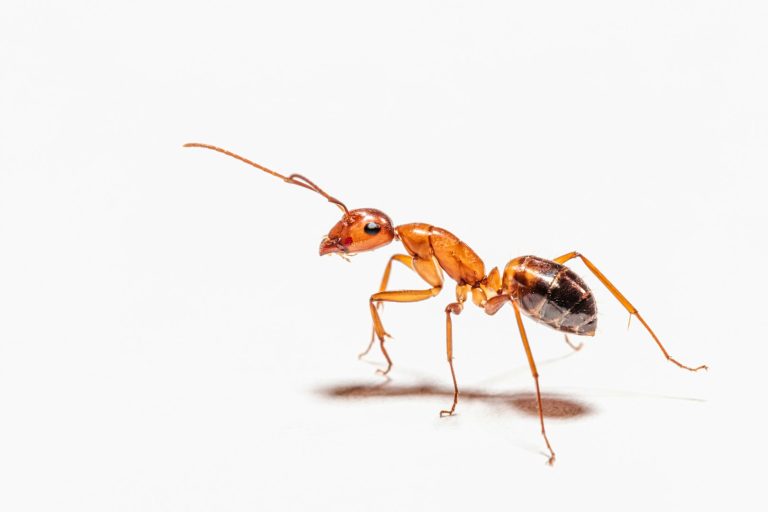
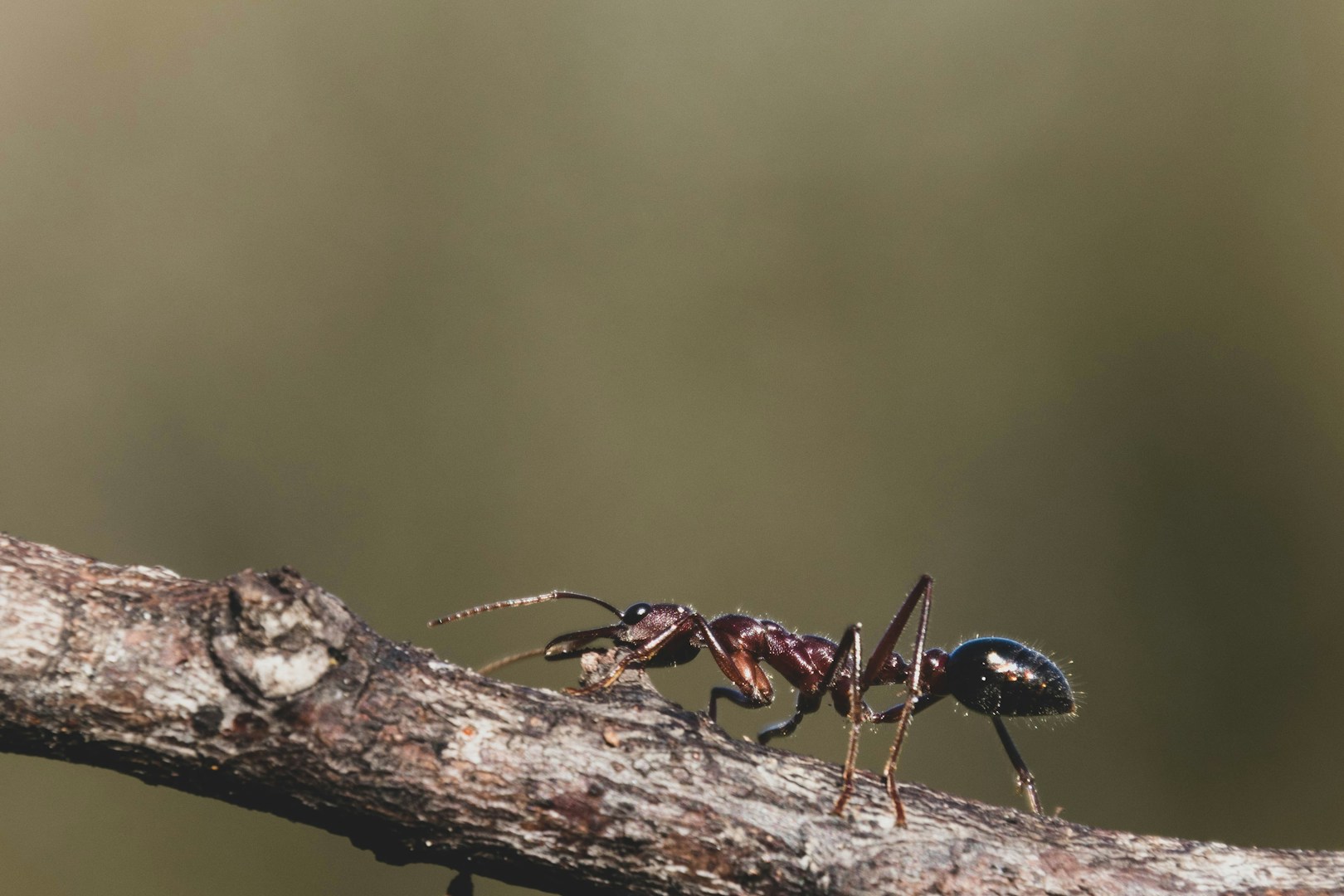
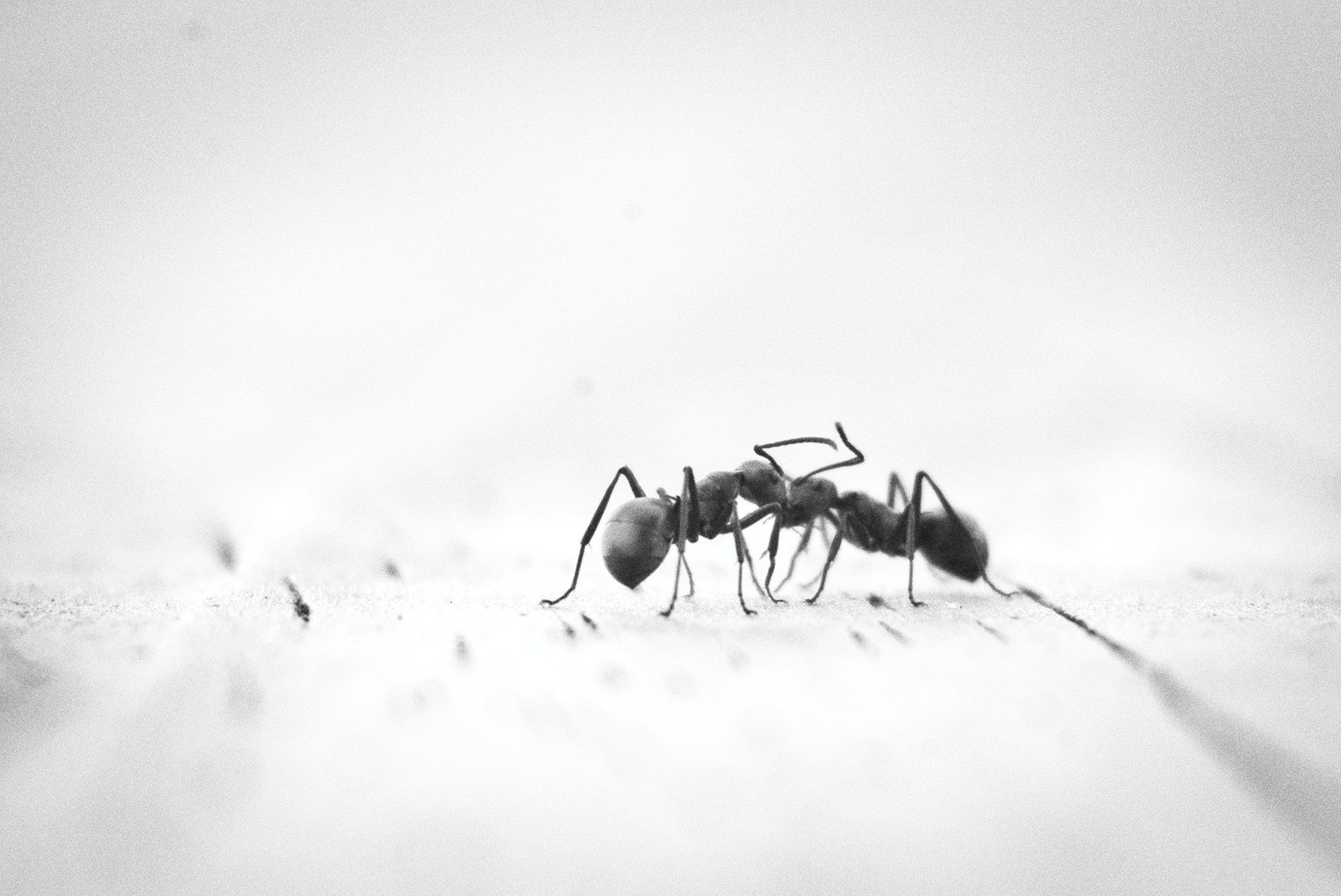
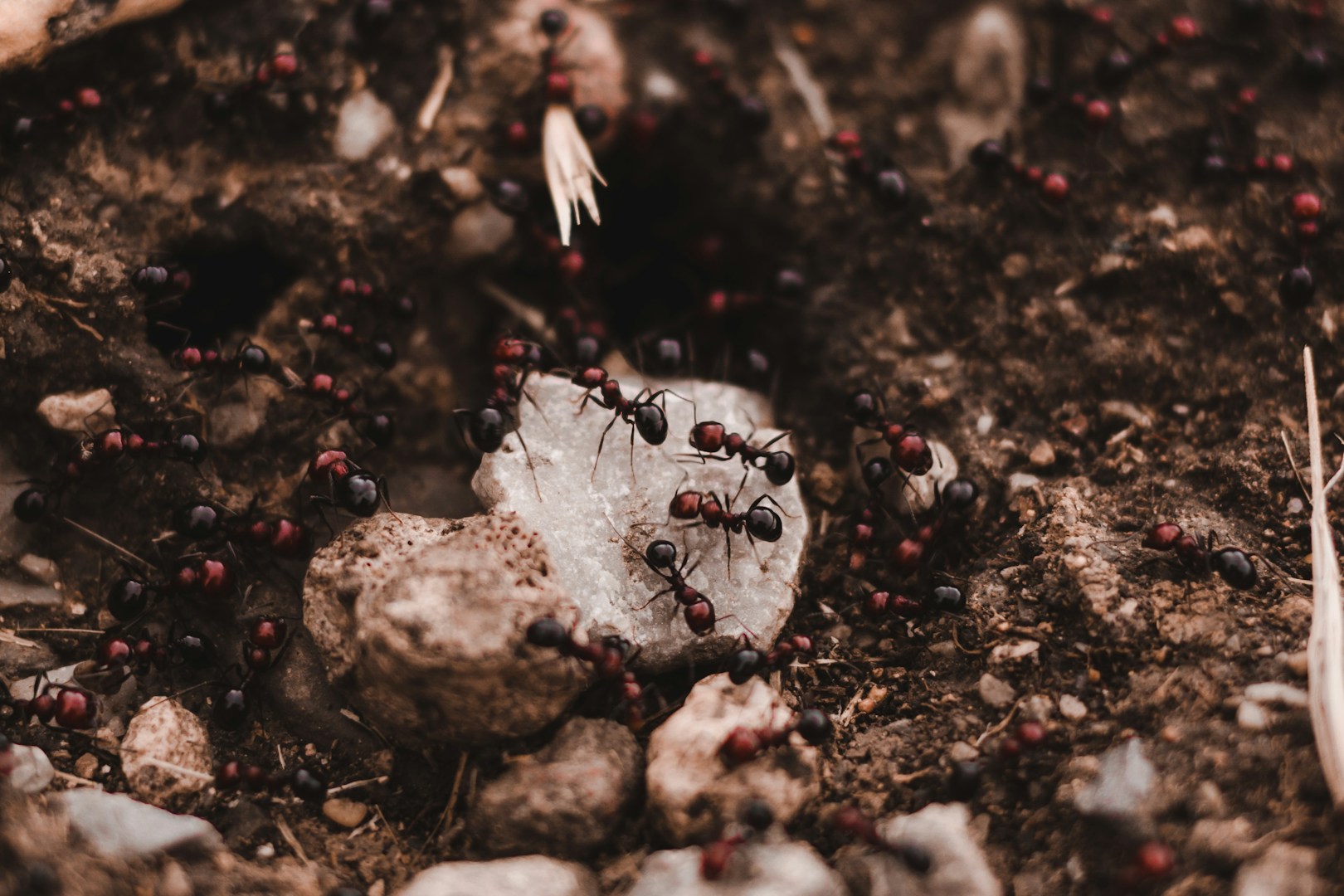
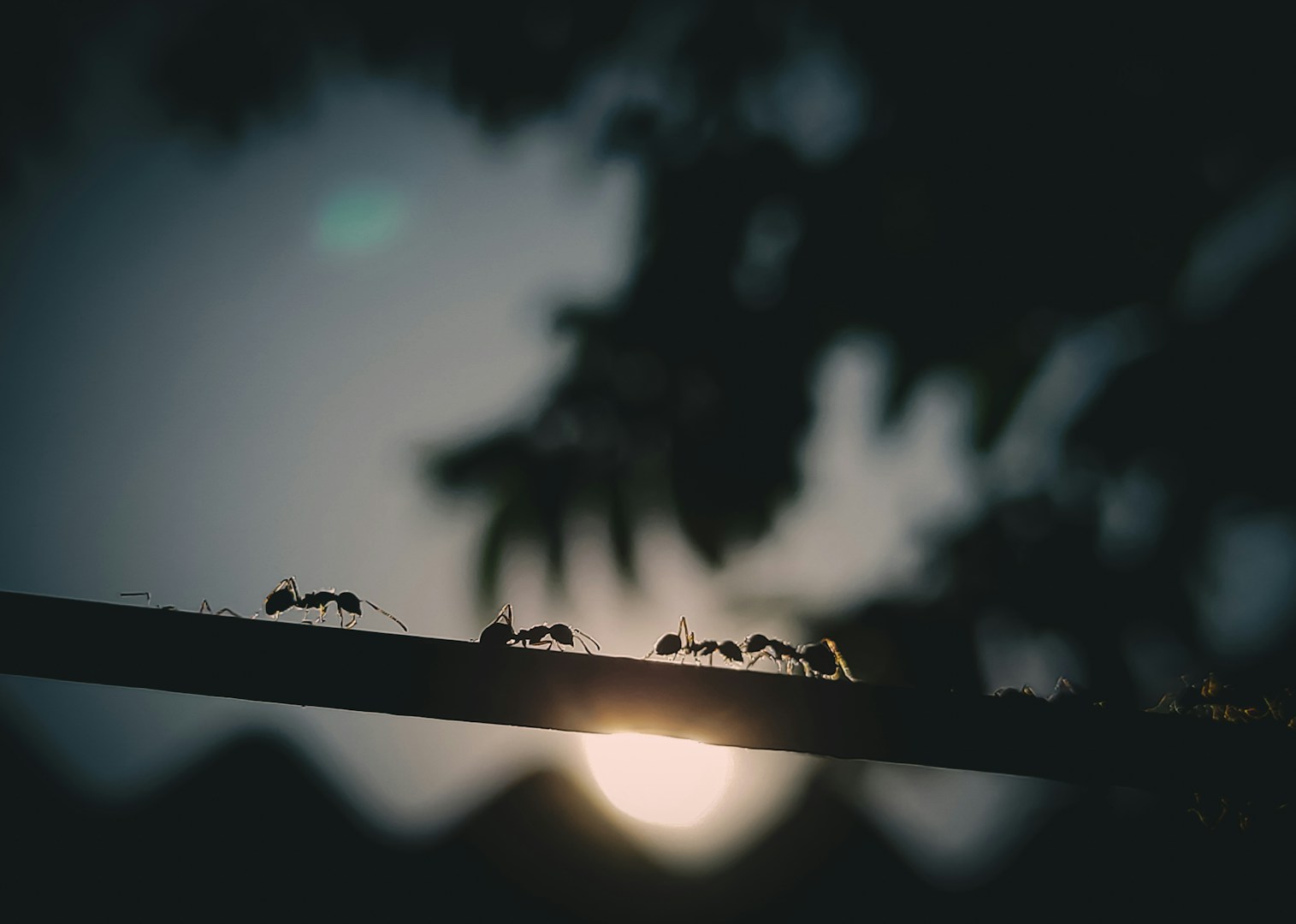
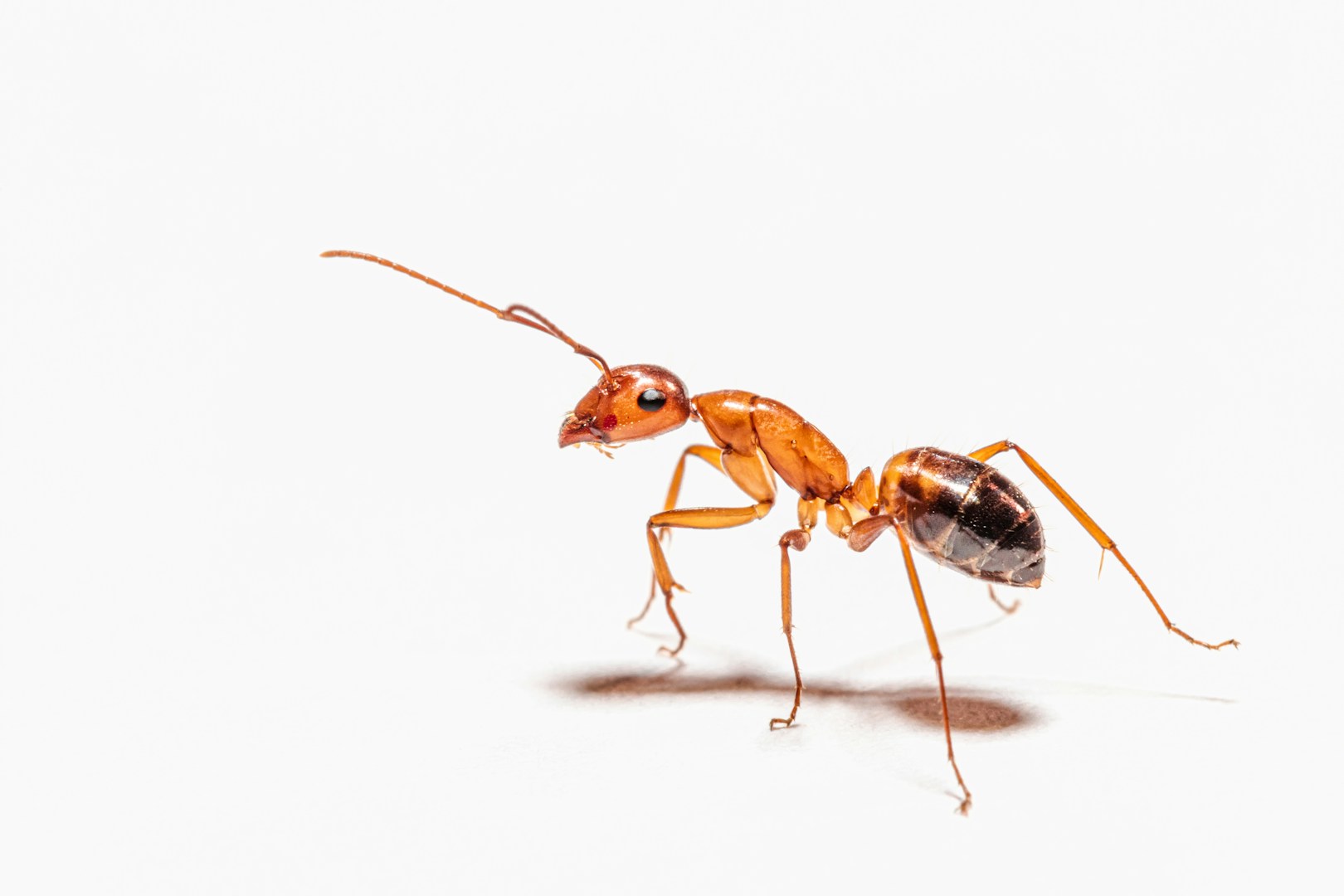
Ants live in highly organized colonies with workers, soldiers, and queens. They have segmented bodies, bent antennae, and powerful mandibles. Common household invaders like carpenter ants are large and black, while sugar ants are tiny and yellowish. Fire ants, known for their painful stings, are reddish-brown and build mound nests. Trails of foraging ants or sawdust-like frass (from carpenter ants tunneling in wood) are telltale signs of infestation.
How to Prevent and Manage Ant Infestations
To deter ants, eliminate food sources by storing food in sealed containers and cleaning spills promptly. Seal cracks in walls, windows, and foundations to block entry. Natural repellents like vinegar, cinnamon, or diatomaceous earth can disrupt trails. For severe infestations, bait traps work best, as worker ants carry poison back to the colony. Avoid crushing scouts, this triggers alarm pheromones, attracting more ants.
Why Ants Are Harmful
While most ants are harmless, invasive species like fire ants and Argentine ants outcompete native wildlife and disrupt ecosystems. Carpenter ants damage wooden structures, costing millions in repairs. Pharaoh ants can contaminate food and spread pathogens in hospitals. Even garden ants protect aphids, which harm plants, in exchange for honeydew. Despite these issues, ants aerate soil, recycle nutrients, and prey on pests, making them ecological allies when controlled.
Fascinating Facts About Ants
- Superorganism Intelligence – An ant colony operates as a single "superorganism," with collective decision-making rivaling computer algorithms.
- Strength Champions – Ants can carry 50 times their body weight, thanks to powerful neck muscles and exoskeletons.
- Farming Pioneers – Leafcutter ants grow fungal gardens underground, a practice older than human agriculture.
- Global Dominance – Ants account for 15–20% of Earth’s terrestrial animal biomass, outweighing all humans combined.
Final Verdict:Respect Their Might, Manage Their Mischief
Ants are nature’s ultimate engineers, but when they clash with human spaces, balance is key. By leveraging their ecological benefits while curbing invasions, we can coexist with these tiny titans. Stay vigilant, act early, and let science guide your strategy, not fear.