
Aphids: the Tiny Garden Vampires
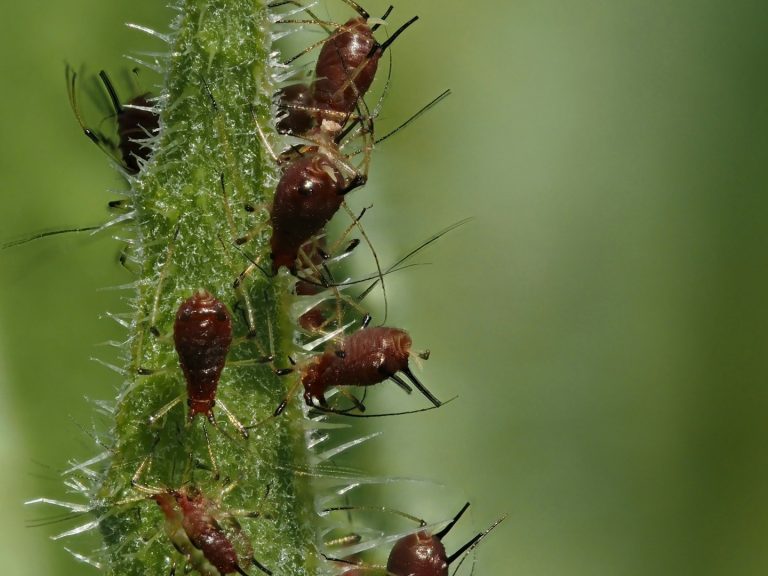
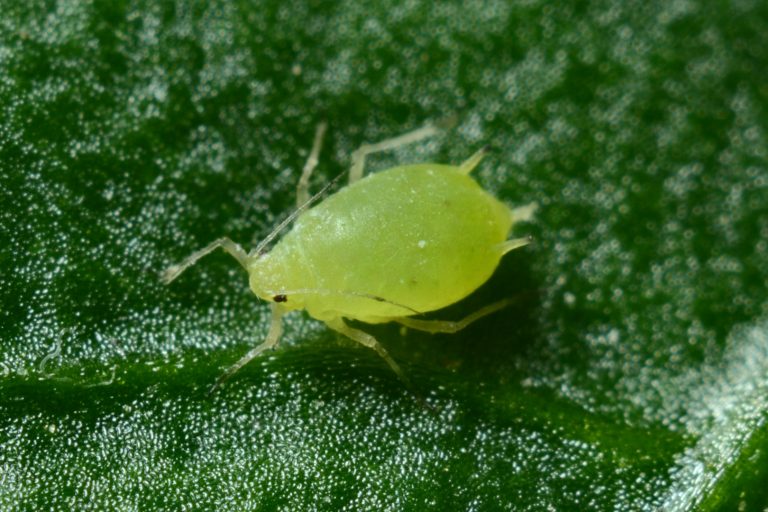
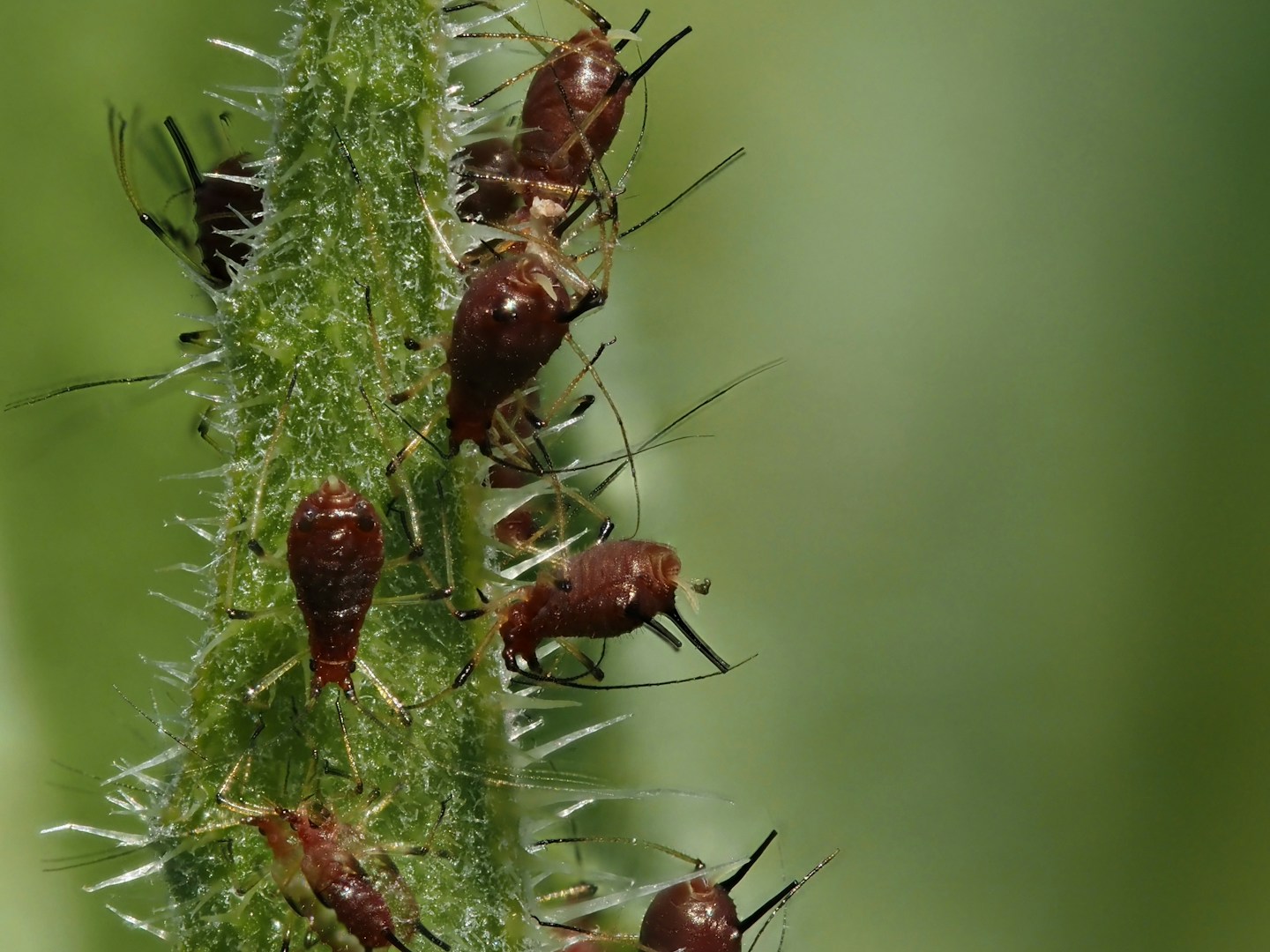
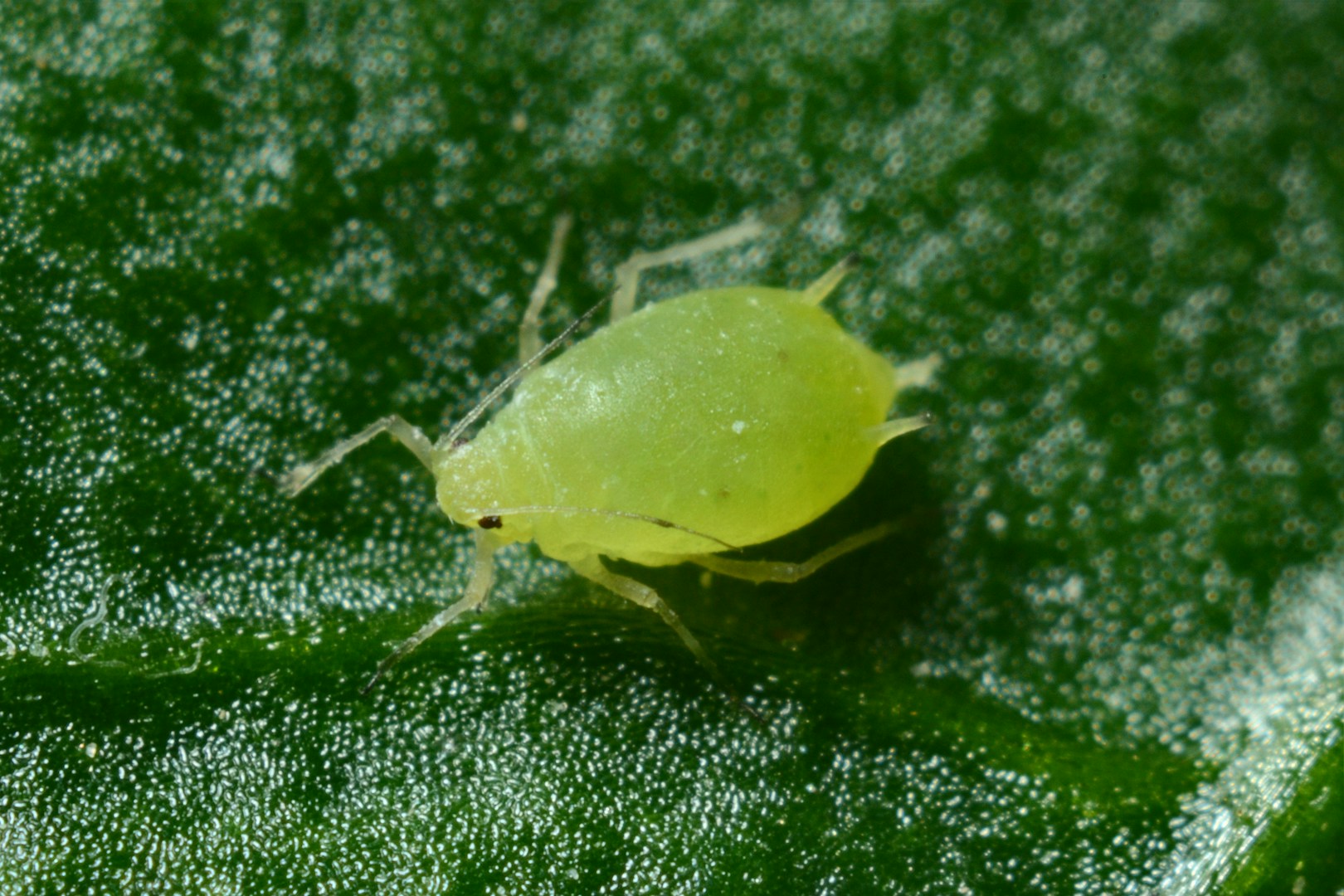
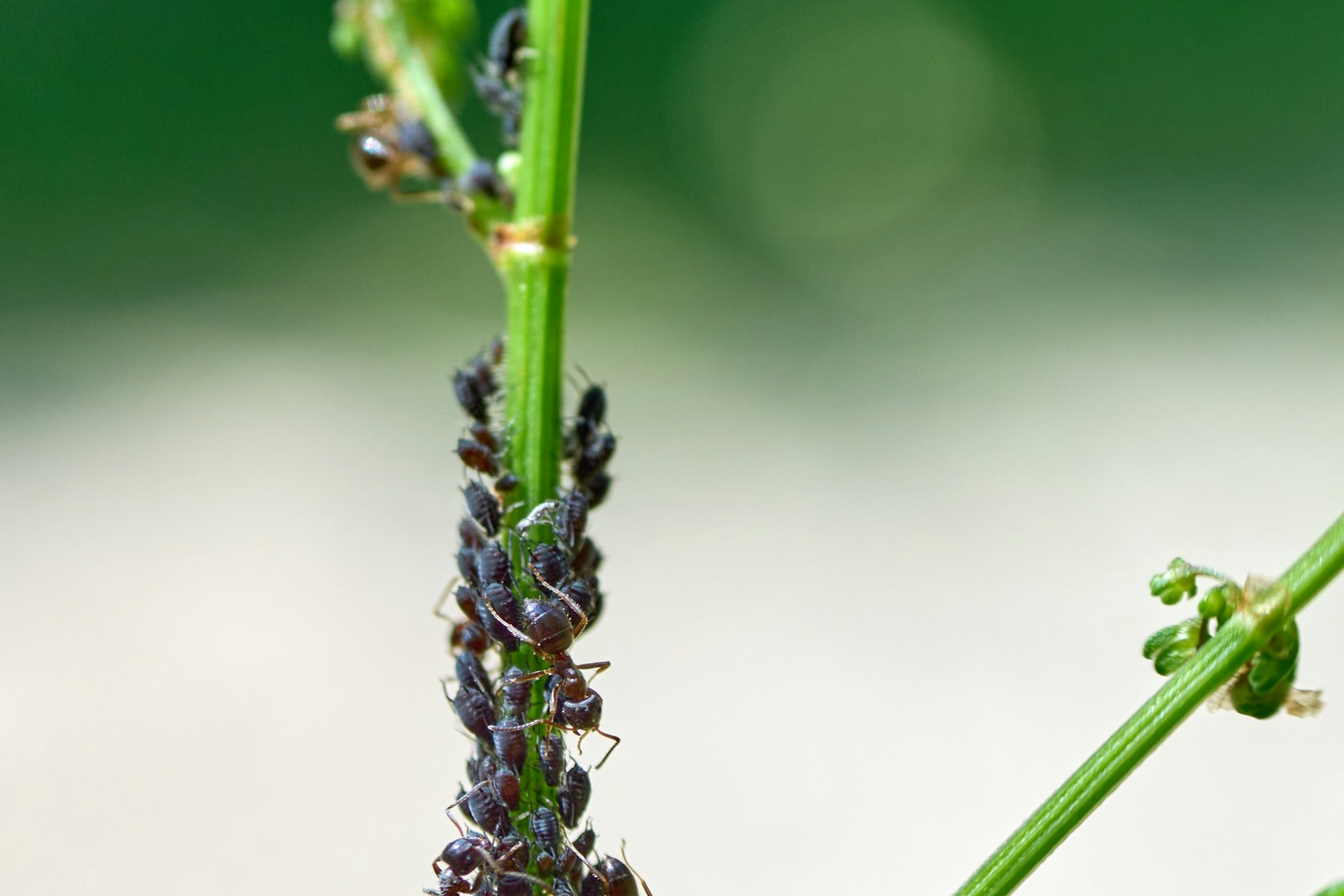
Aphids are among the most common, and frustrating, garden pests. These tiny, soft-bodied insects may look harmless, but they can quickly overrun your plants, leaving behind a trail of destruction. Found throughout Europe and North America, aphids come in various colors (green, black, yellow, or red) and attack nearly every type of plant. The good news? With the right approach, you can protect your garden without resorting to harsh chemicals.
Know Your Enemy: Aphid Basics
Common Garden Invaders:
- Green Peach Aphid – Attacks vegetables, fruits, and ornamentals
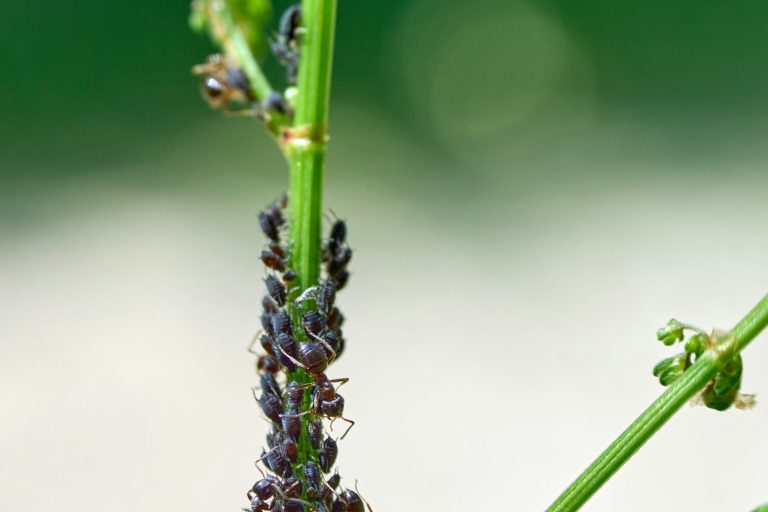
- Black Bean Aphid – Loves beans, nasturtiums, and dahlias
- Woolly Aphid – Covers itself in white, waxy fluff (often on apple trees)
- Rose Aphid – Targets rose bushes and other flowers
How to Spot Them:
- Clusters on new growth, buds, and undersides of leaves
- Sticky "honeydew" residue on leaves (which attracts ants and sooty mold)
- Curled, yellowing, or distorted leaves
- Presence of ants (they "farm" aphids for honeydew)
Smart, Eco-Friendly Control Strategies
Prevention is Key:
- Encourage natural predators (ladybugs, lacewings, hoverflies) by planting nectar-rich flowers
- Use companion planting (garlic, chives, and mint repel aphids)
- Keep plants healthy, stressed plants attract more pests
Non-Toxic Removal:
- Blast them off with a strong jet of water (early morning is best)
- Wipe leaves with soapy water (1 tsp mild soap per liter of water)
- Apply neem oil or horticultural oil (smothers aphids without harming plants)
When Nature Needs Help:
- Introduce beneficial insects like ladybugs or parasitic wasps
- Use yellow sticky traps to monitor populations
- As a last resort, try insecticidal soaps or pyrethrin sprays
Why Aphids Are a Problem
- Rapid reproduction (females can birth live young without mating!)
- Spread plant viruses as they feed
- Cause stunted growth and deformed leaves
- Attract other pests like ants and mold
Curiosities About Aphids
- Born Pregnant – Many aphids are born already carrying developing young
- Winged Escape Artists – They grow wings when a plant gets overcrowded
- Ant Bodyguards – Some ants protect aphids in exchange for honeydew
- Winter Eggs – Most species survive cold months as eggs on plant stems
Final Verdict: Don't Panic, Act Smart
Aphids may be persistent, but they're not invincible. By encouraging natural predators and using targeted, gentle treatments, you can keep their numbers in check without harming your garden's ecosystem.