
The Blood-Sucking Menace: Fleas & Ticks
Fleas and ticks are more than just irritating pests, they are dangerous parasites that threaten the health of both pets and humans. These blood-sucking invaders can cause severe itching, allergic reactions, and even transmit life-threatening diseases like Lyme disease and typhus. Understanding how to recognize, prevent, and eradicate them is crucial for maintaining a safe and comfortable home environment.
Identifying the Enemy: Fleas vs. Ticks
Though both are parasitic, fleas and ticks have distinct characteristics:
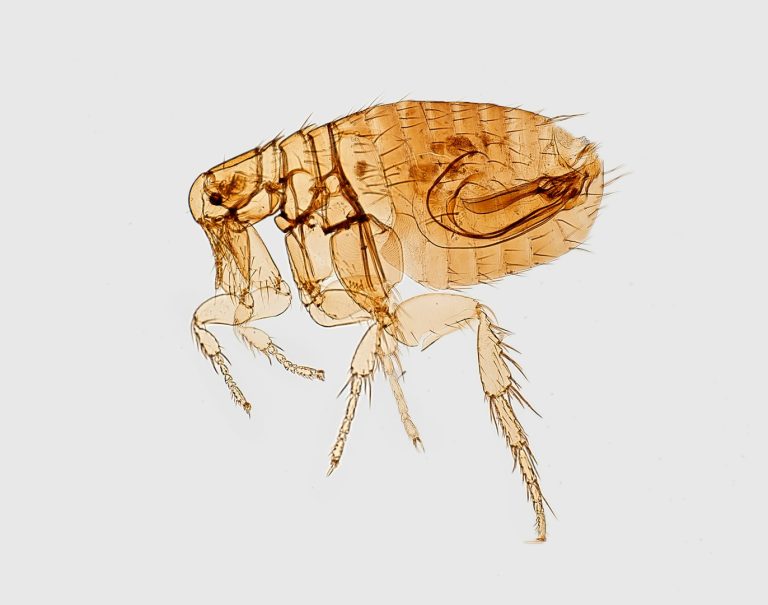
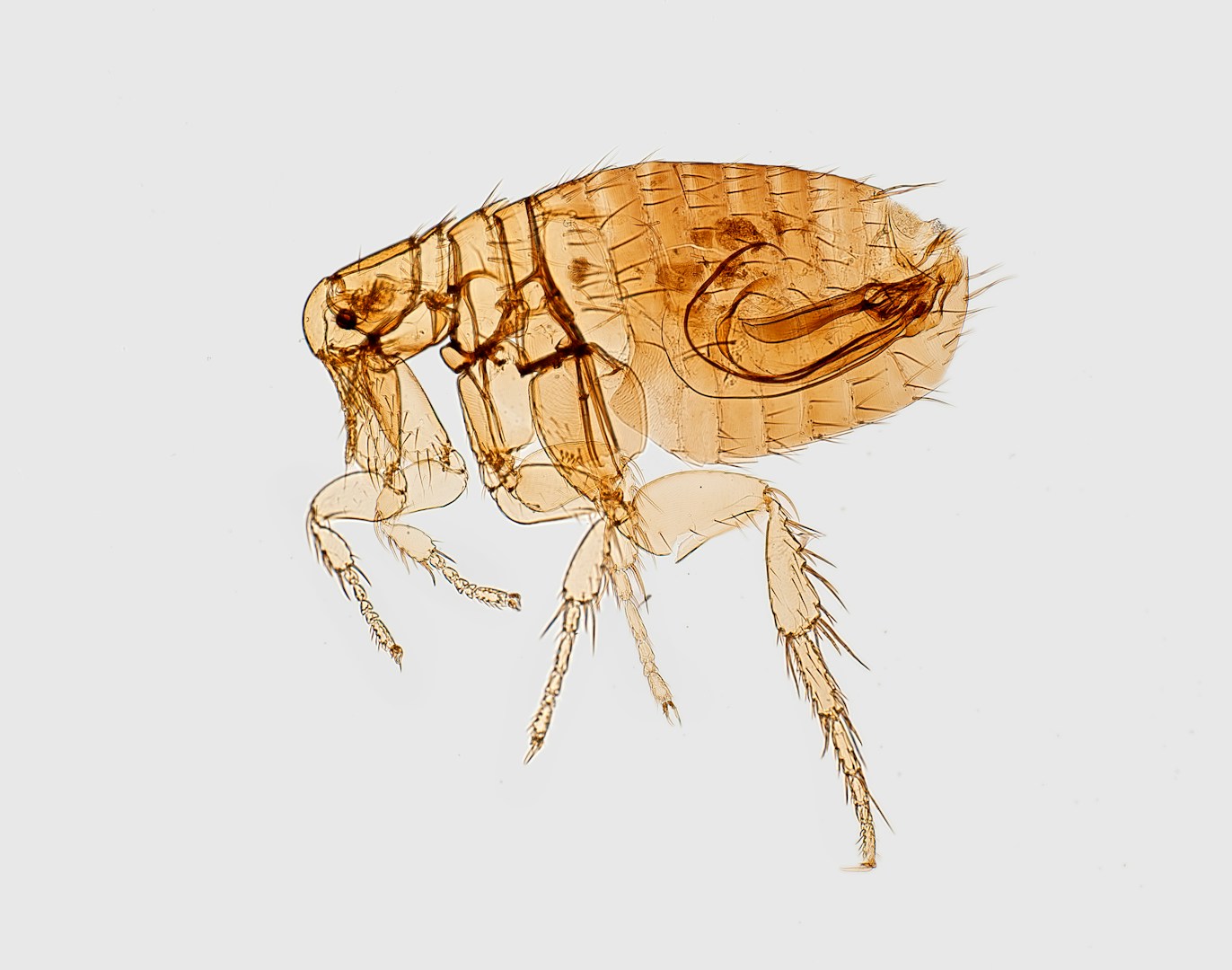
- Fleas: Tiny (1–3 mm), reddish-brown, wingless insects that jump long distances. Signs include excessive pet scratching, flea dirt (black specks) in fur, and small, itchy bites on humans, often around ankles.
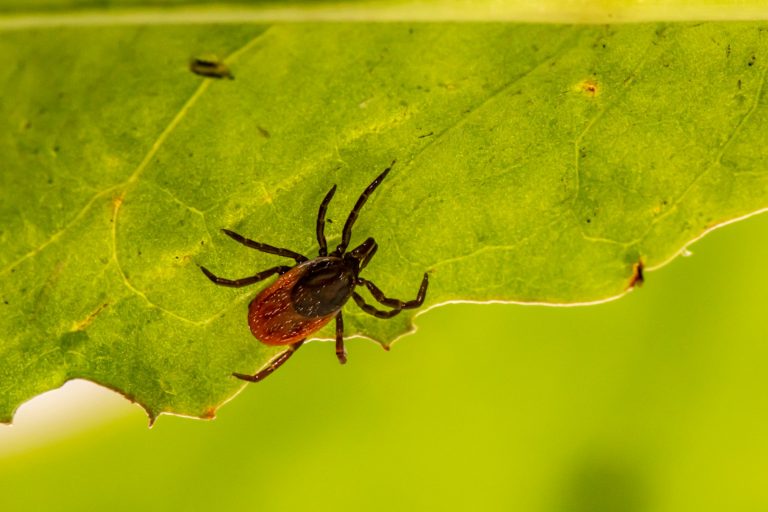
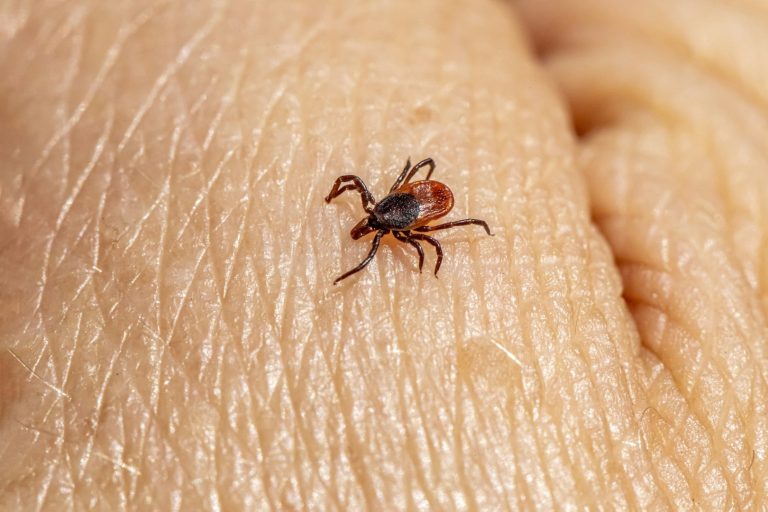
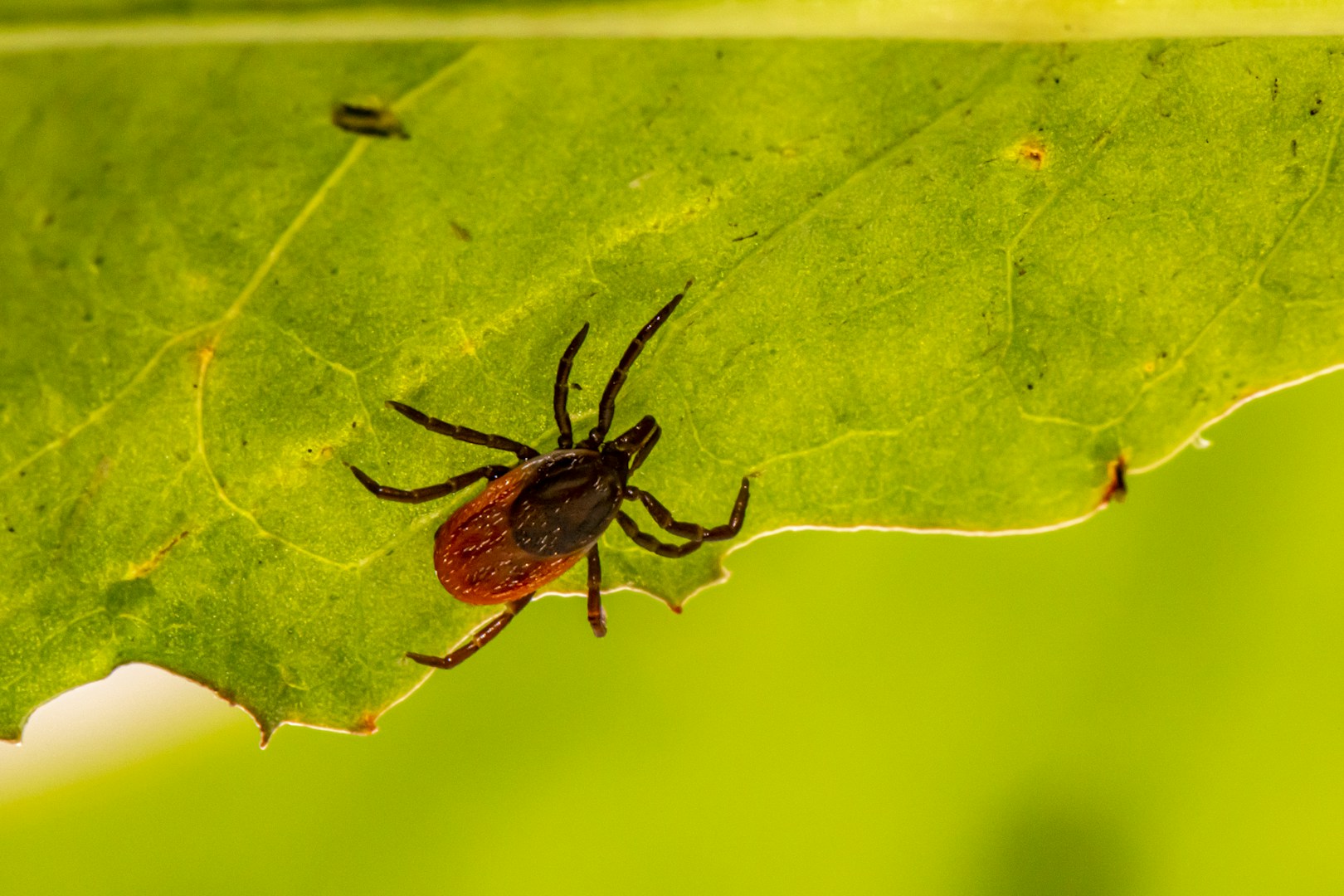
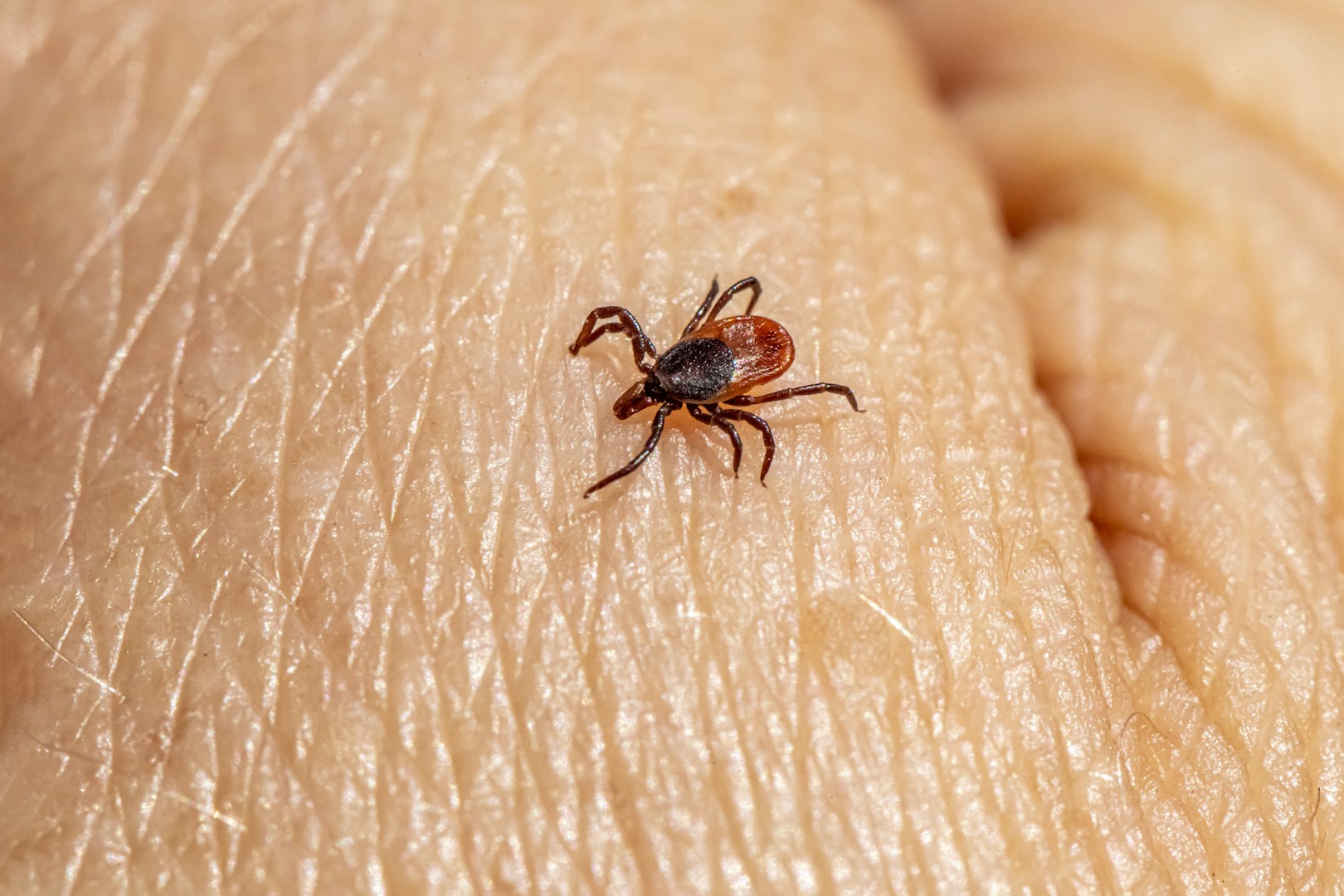
- Ticks: Larger (3–5 mm when engorged), oval-shaped, and attach firmly to skin. They are commonly found in grassy or wooded areas. Tick bites often go unnoticed until the tick swells with blood.
Both leave behind telltale signs: flea eggs in pet bedding or ticks embedded in skin after outdoor activities.
Elimination: Getting Rid of an Infestation
Fleas:
- Treat pets with flea shampoos or prescribed medications.
- Use flea bombs or sprays for severe infestations.
- Apply diatomaceous earth (food-grade) to carpets and pet bedding.
Ticks:
- Remove attached ticks carefully with tweezers, pulling straight out without twisting.
- Disinfect the bite area and monitor for symptoms of tick-borne illnesses (rashes, fever, fatigue).
- Treat yards with tick-killing pesticides if infestations persist.
For stubborn cases, professional pest control may be necessary.
Prevention: The First Line of Defense
Stopping fleas and ticks before they invade is the best strategy:
- For Pets: Use vet-recommended flea and tick preventatives (topical treatments, oral medications, or collars). Regularly groom pets and check their fur after walks.
- For Your Home: Vacuum frequently, wash pet bedding in hot water, and use flea sprays in high-risk areas.
- For Your Yard: Keep grass trimmed, remove leaf litter, and create barriers with gravel or wood chips to deter ticks.
- For Humans: Wear long sleeves and pants in tick-prone areas, use insect repellent (DEET or permethrin), and perform full-body checks after being outdoors.
Curiosities About Fleas and Ticks
- A flea can jump 200 times its body length—equivalent to a human leaping over a skyscraper!
- Ticks can survive up to two years without feeding.
- Fleas were responsible for spreading the Black Death, killing millions in medieval Europe.
- Some ticks secrete a cement-like substance to stay attached to hosts for days.
The Hidden Dangers: Diseases They Carry
Fleas and ticks aren’t just annoying—they’re deadly:
- Fleas can transmit tapeworms, murine typhus, and even plague (historically devastating).
- Ticks spread Lyme disease, Rocky Mountain spotted fever, and anaplasmosis, which can cause long-term health issues if untreated.