
Flies: Unwelcome Guests
Flies are among the most common and irritating pests in homes and outdoor spaces. These tiny, buzzing insects not only disrupt our peace but also pose health risks by spreading bacteria and diseases. Recognizing their presence, preventing infestations, and knowing how to drive them away are essential steps in maintaining a clean and healthy environment.
Identifying Flies: Know Your Enemy
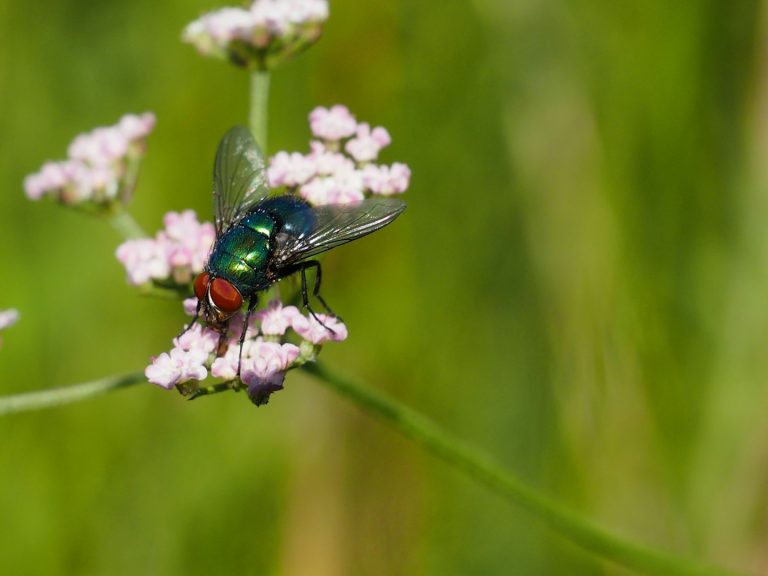
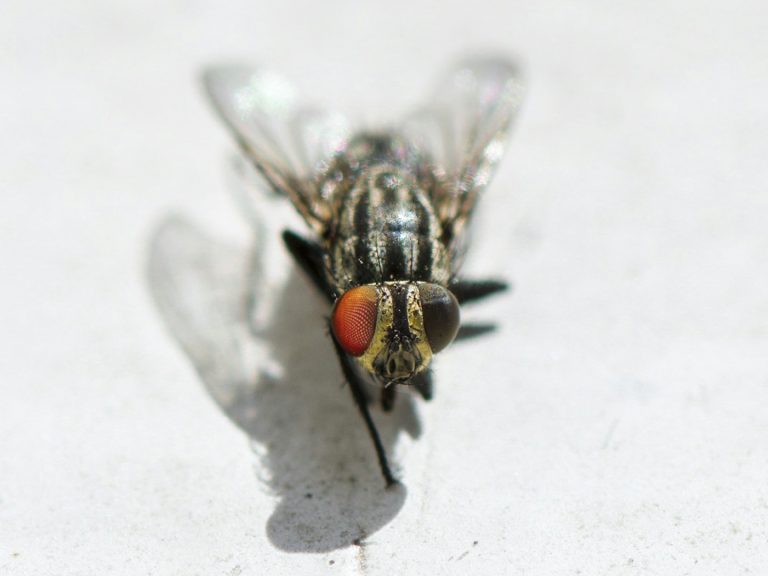
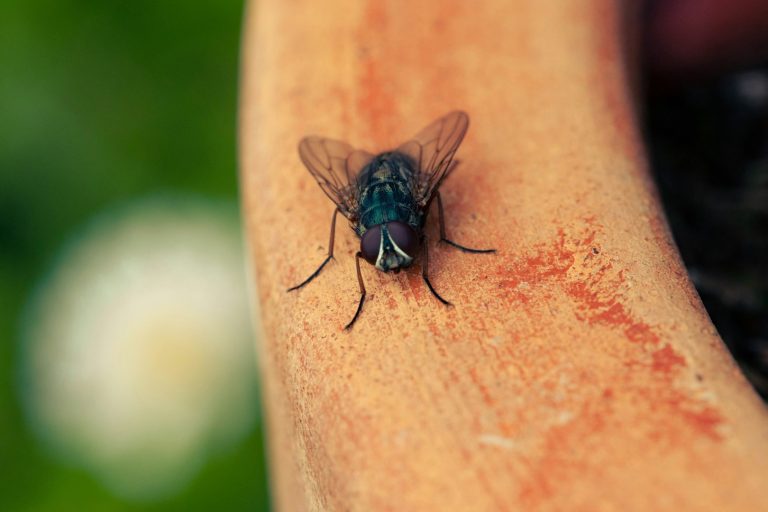
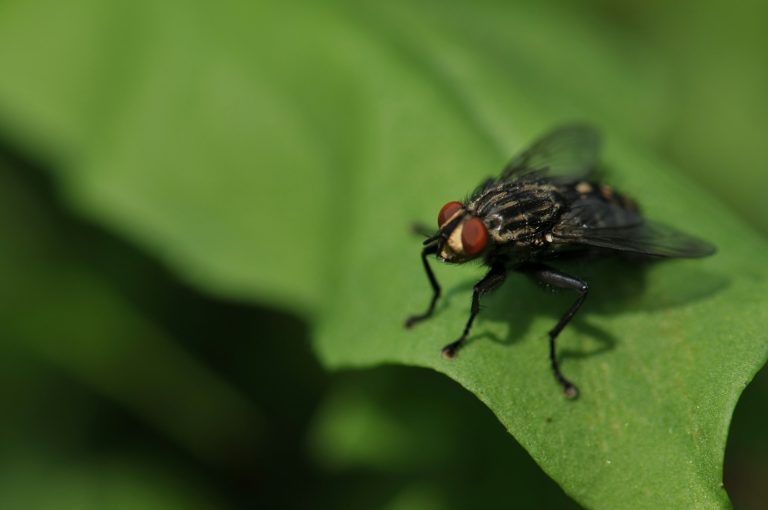
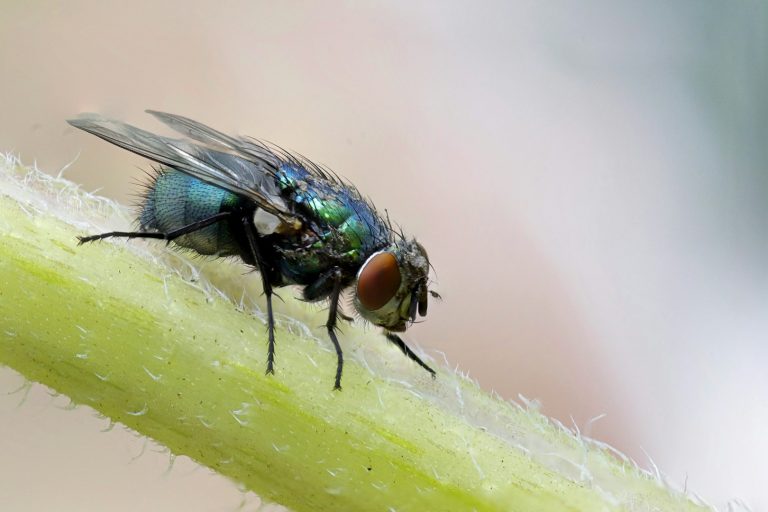
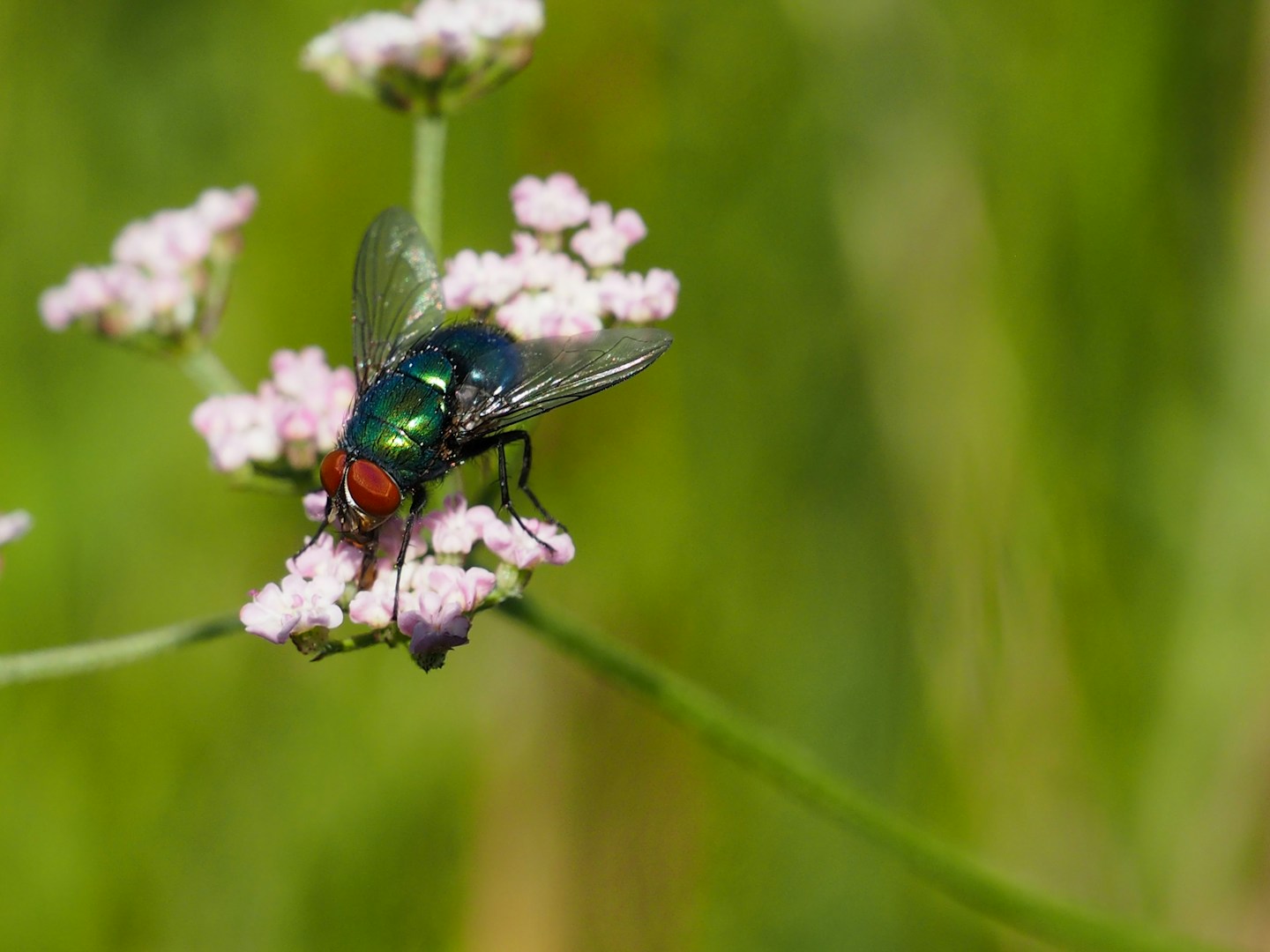
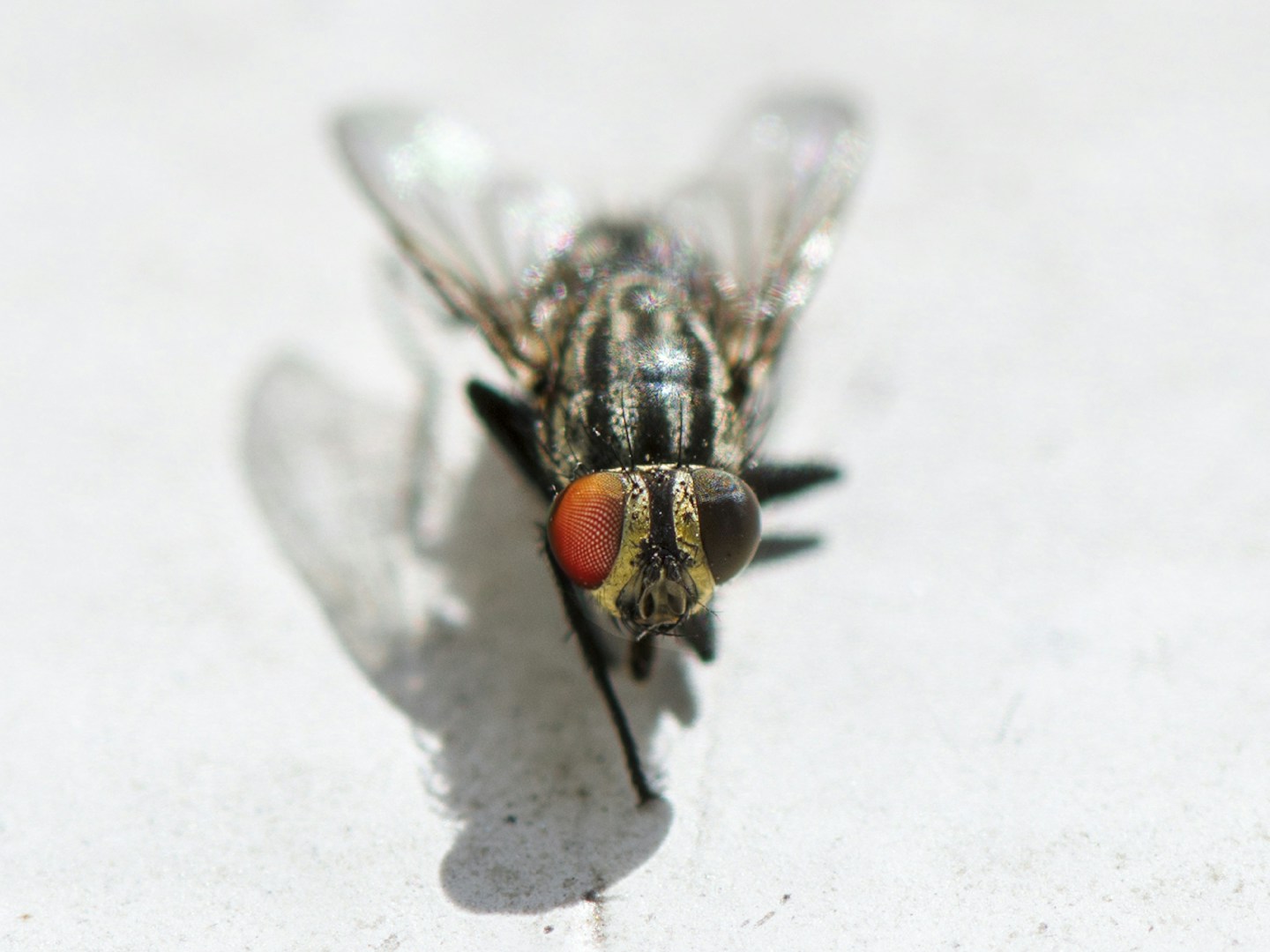
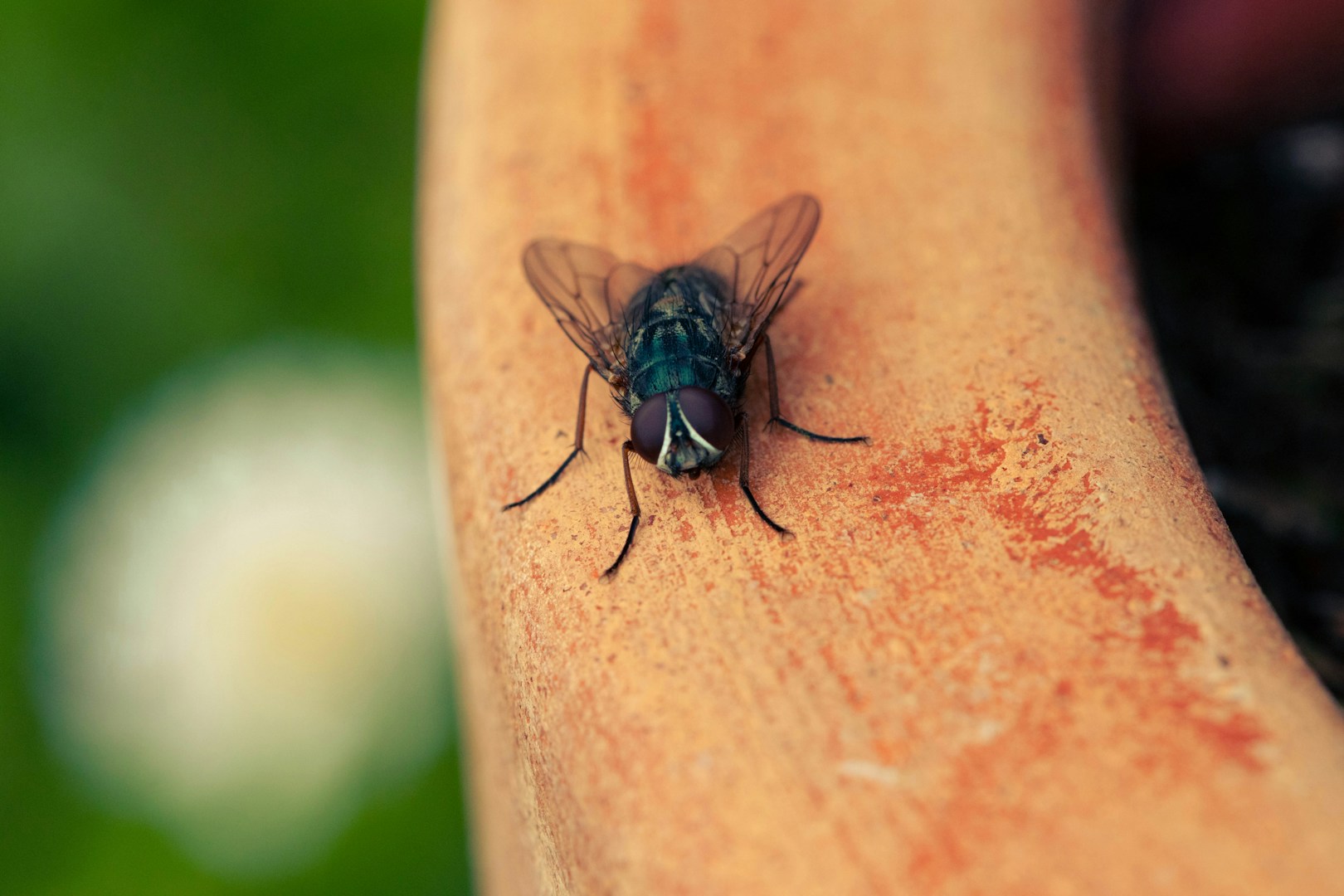
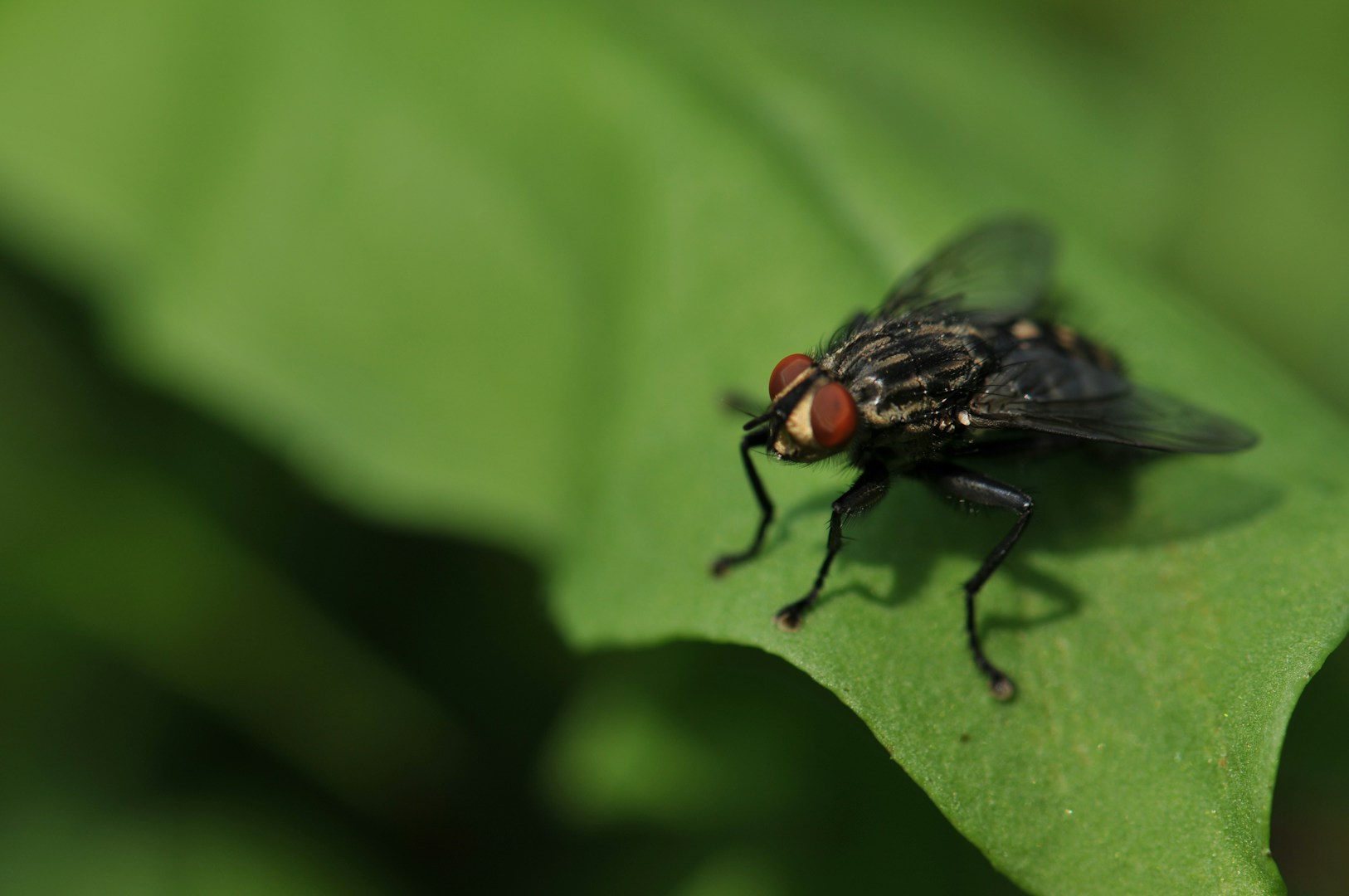
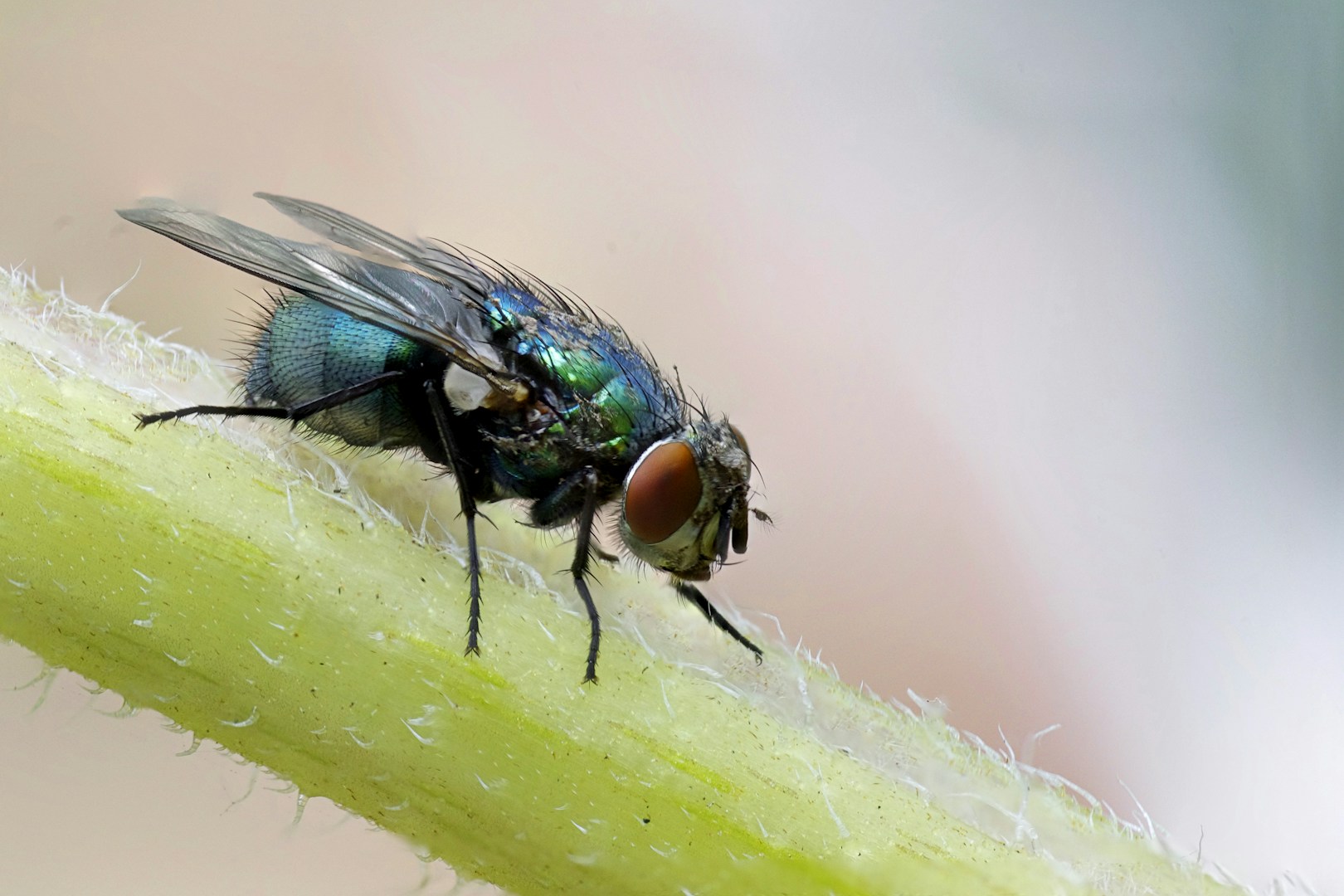
Flies come in various species, but the most notorious are houseflies, fruit flies, and blowflies. Houseflies are gray with four dark stripes on their backs, while fruit flies are smaller and tan-colored, often hovering around ripe fruit. Blowflies have a metallic blue or green sheen. Recognizing these pests helps in targeting the right prevention methods.
Natural Repellents: Fighting Flies Without Chemicals
For those who prefer eco-friendly solutions, several natural remedies can repel flies. Essential oils like eucalyptus, lavender, and peppermint act as deterrents when sprayed around the house. Herbs such as basil and mint, placed near entry points, also keep flies away. Another trick is hanging bags of water with a few pennies, the reflections confuse and repel them.
Prevention: Keeping Flies at Bay
The best way to deal with flies is to stop them before they invade. Keep food covered, dispose of garbage regularly in sealed bins, and clean spills immediately. Installing fine mesh screens on windows and doors can block their entry. Additionally, eliminating standing water and maintaining clean drains reduces breeding sites, especially for fruit flies.
Curiosities about Flies
- A housefly can taste with its feet!
- Flies beat their wings up to 200 times per second, creating their signature buzz.
- They regurgitate digestive juices onto food before eating it, which spreads germs.
- Some flies, like the tsetse fly, can transmit deadly diseases like sleeping sickness.
When to Take Stronger Measures
If flies persist despite preventive efforts, more aggressive solutions may be needed. Sticky traps, electric fly zappers, or commercial insecticides can help control large infestations. However, these should be used cautiously, especially around food and pets. In severe cases, professional pest control services may be necessary.