
The Buzz on Mosquitoes
Mosquitoes may seem like just a nuisance during warm evenings, but they can also spread serious diseases like West Nile virus and even malaria in some regions. While European and North American mosquitoes aren’t as deadly as tropical species, their bites can still ruin outdoor fun and pose health risks. The good news? With the right knowledge, you can enjoy the outdoors without becoming a mosquito buffet.
Know Your Local Mosquitoes
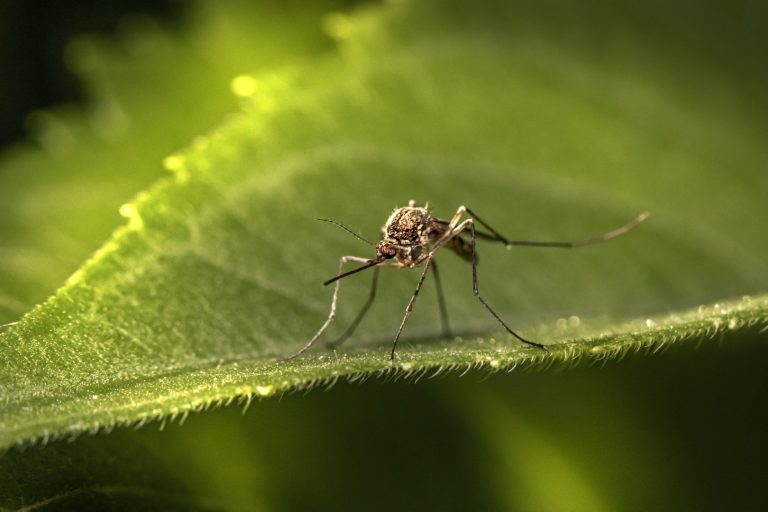
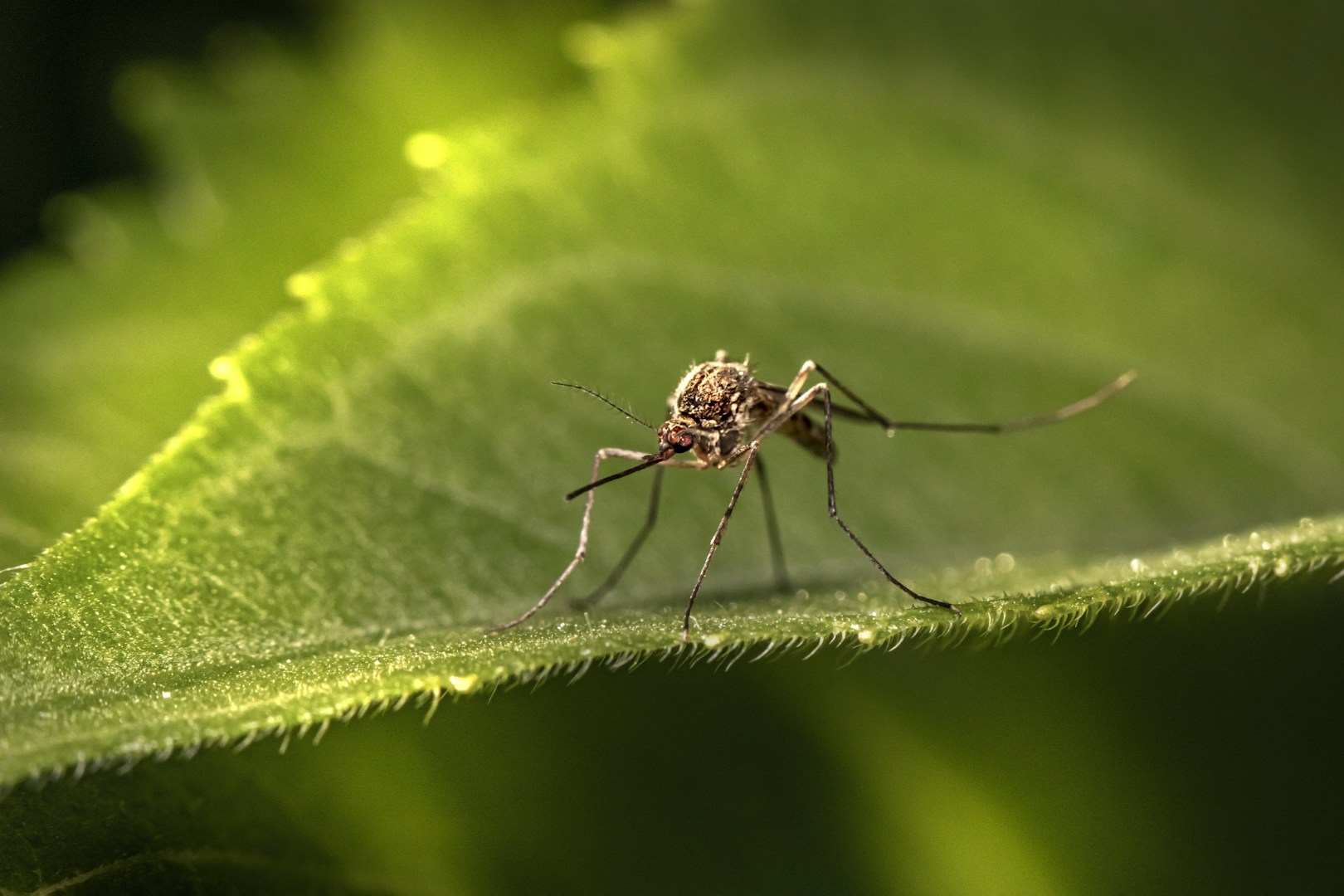
Not all mosquitoes are the same. In Europe and North America, the most common disease-carrying species include:
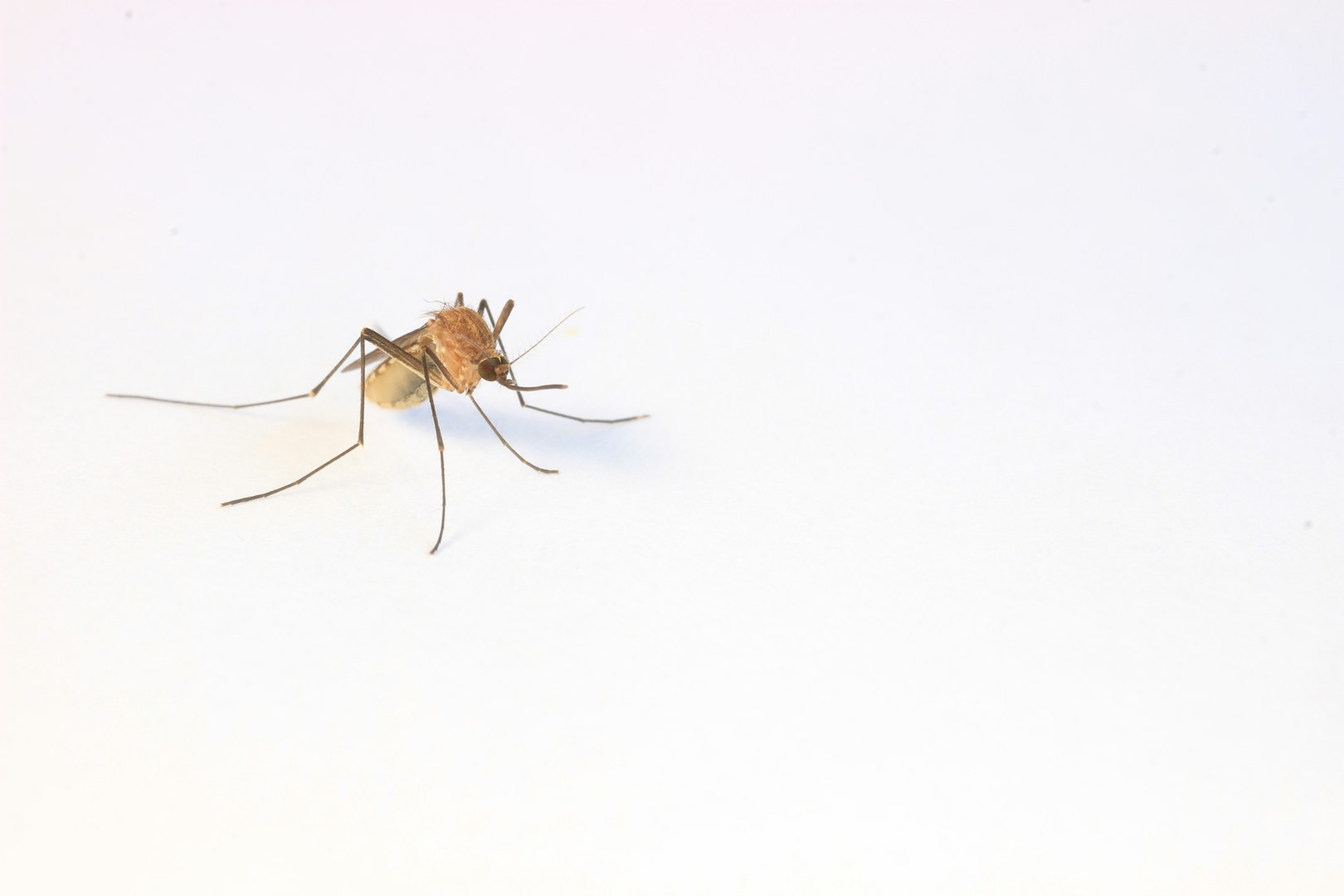
Culex pipiens (common house mosquito) – Spreads West Nile virus and thrives in urban areas.
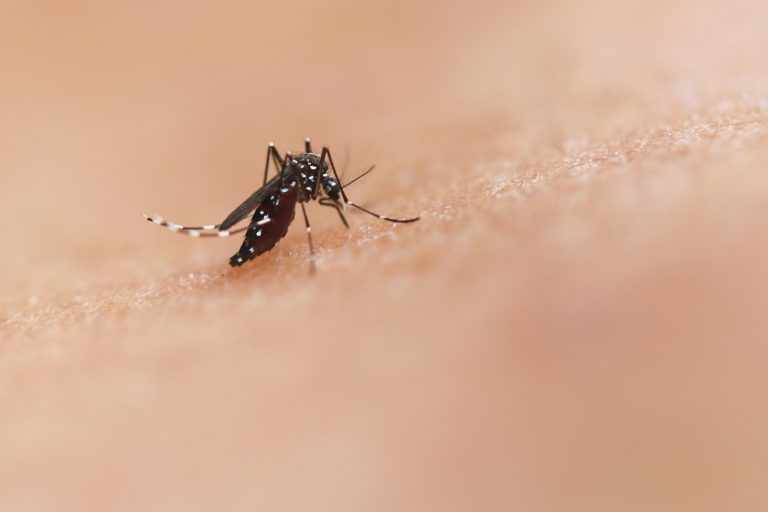
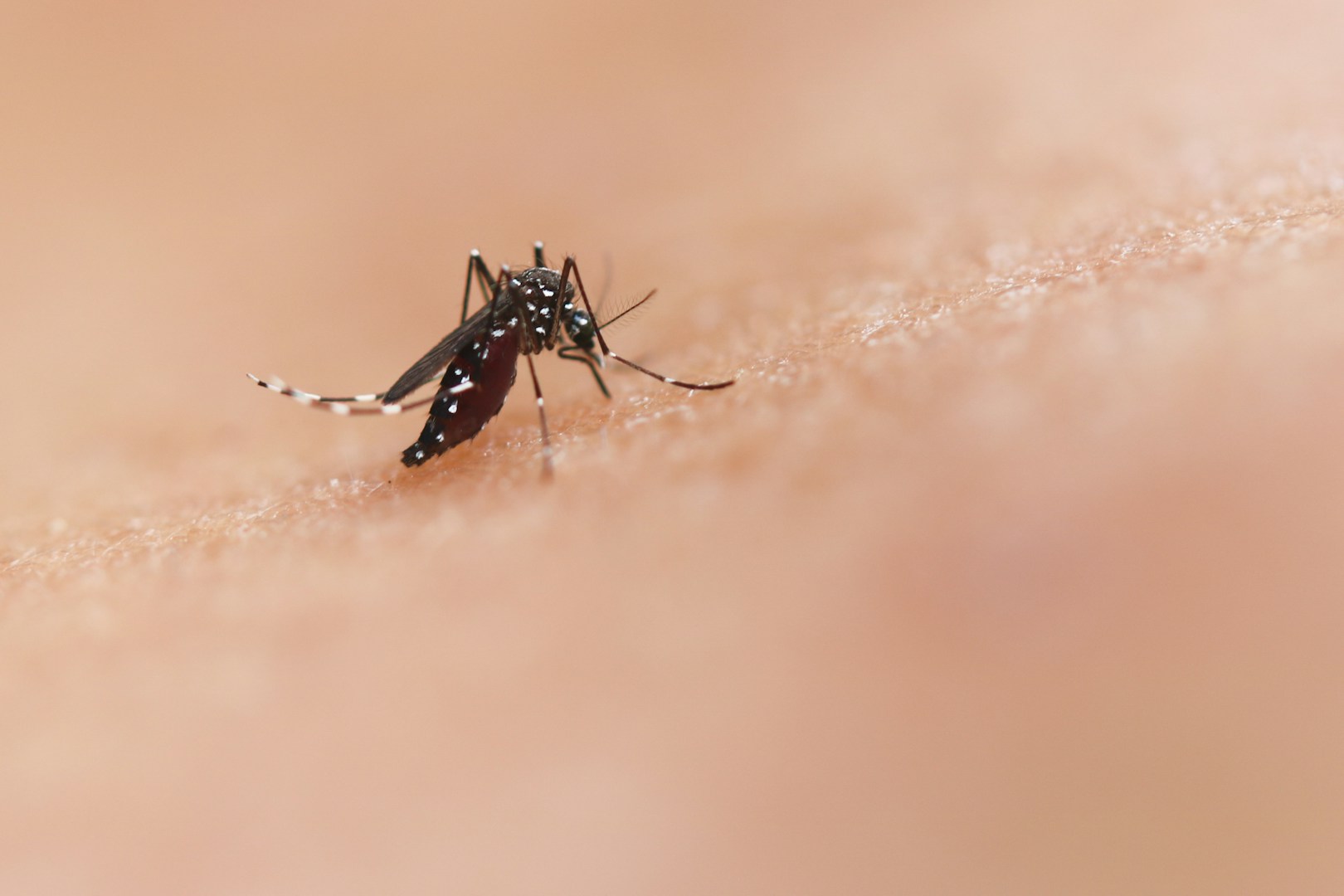
Aedes albopictus (Asian tiger mosquito) – Recognizable by black-and-white stripes, it can transmit dengue and chikungunya.
Anopheles – Mostly found in rural areas, historically linked to malaria in Europe (though rare today).
They breed in standing water, even small amounts in gutters, flower pots, or old tires can become nurseries for hundreds of larvae.
How to Prevent and Control Mosquitoes
The best defense? Make your yard and home less inviting:
- Drain standing water weekly—check birdbaths, buckets, and clogged gutters.
- Wear light-colored, loose clothing—mosquitoes are attracted to dark colors and heat.
- Install screens—Cover windows and doors to keep mosquitoes out.
- Try natural deterrents—citronella candles, mosquito nets, and fans (mosquitoes are weak fliers).
For backyards, consider mosquito traps or BTI (a bacteria that kills larvae but is safe for pets and wildlife). Avoid "bug zappers", they kill more beneficial insects than mosquitoes! Natural predators like dragonflies and bats also aid in control.
Why Mosquito Control Matters
While the risk of severe illness is lower than in tropical regions, West Nile virus causes hundreds of cases yearly in the U.S. and Europe. Some people develop flu-like symptoms, and in rare cases, neurological complications. Plus, mosquito bites are itchy, annoying, and can lead to infections if scratched too much.
Fascinating Facts About Mosquitoes
- Only females bite—they need blood for egg development, while males sip nectar.
- They’re attracted to CO₂—the more you exhale, the more they notice you.
- Some people get bitten more—due to body chemistry, blood type, or sweat.
- Climate change is expanding their range—warmer temps mean longer mosquito seasons.
- Ancient Pests—Mosquitoes have existed for over 200 million years, even before dinosaurs.
- Blood Preferences—Some species prefer humans, while others target birds or reptiles.
- Frozen Survivors—Certain Arctic mosquitoes survive winter by freezing and thawing.
Final Tip: Stay Smart
Mosquitoes are a seasonal hassle, but they don’t have to ruin your summer. By removing breeding spots and using the right repellents, you can greatly reduce bites. If you’re in a high-risk area (like near wetlands), check local health advisories. Otherwise, relax, just don’t forget the bug spray!