
Scorpions: Desert Stingers
Scorpions are ancient predators that have survived for over 400 million years, adapting to nearly every harsh environment on Earth. While their fearsome appearance and venomous stingers evoke dread, most species pose little threat to humans. Understanding how to identify scorpions, their ecological role, and effective prevention strategies can help minimize risks while respecting their place in nature.
How to Recognize Scorpions
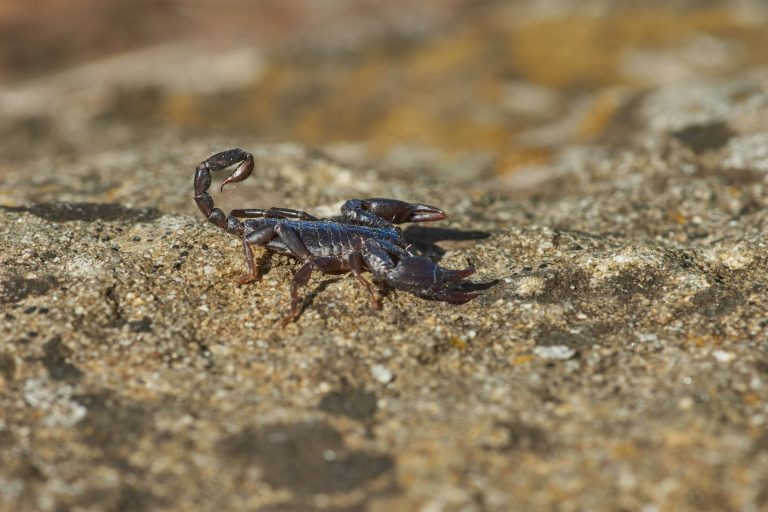
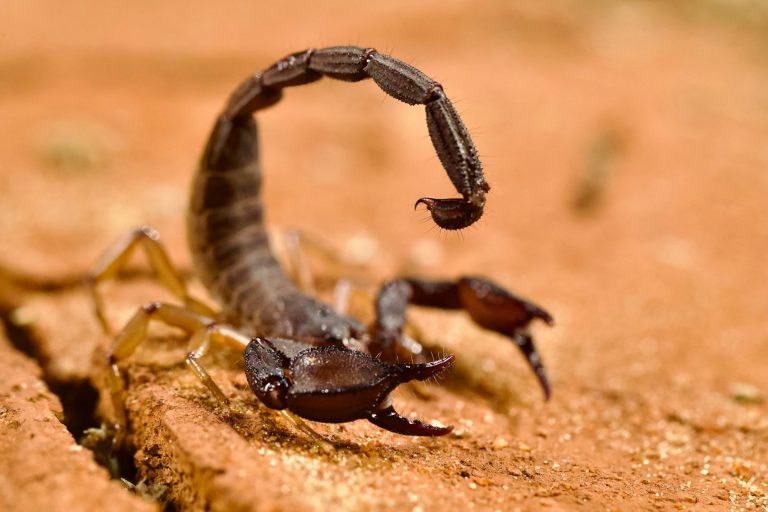
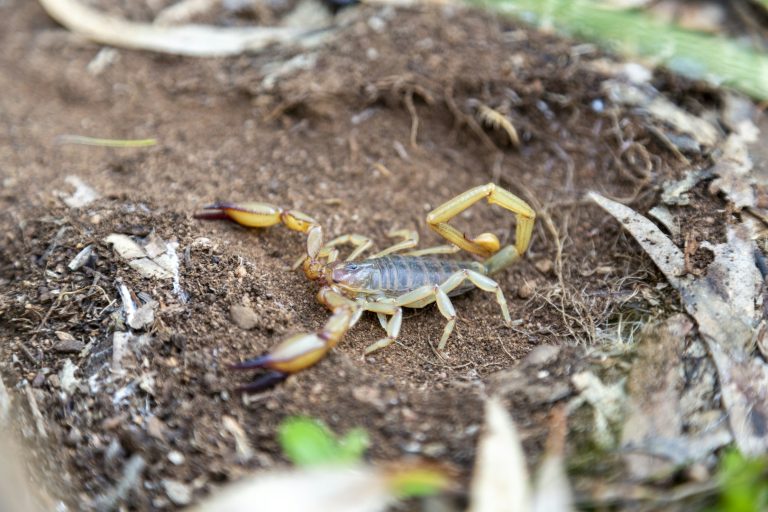
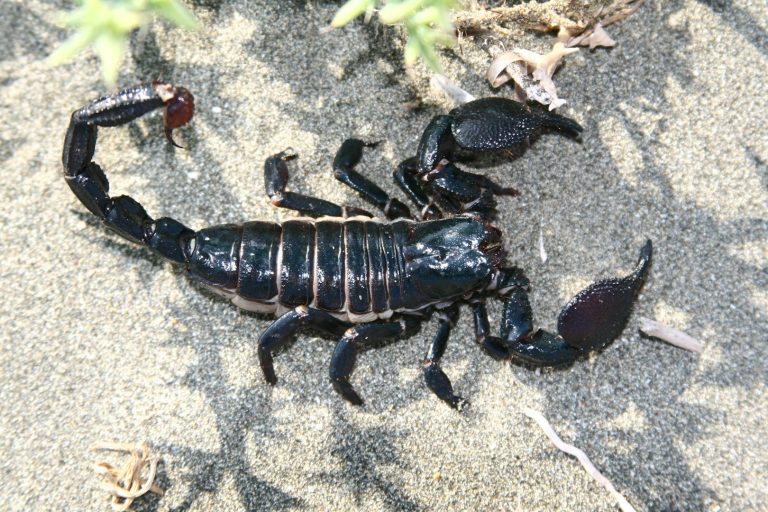
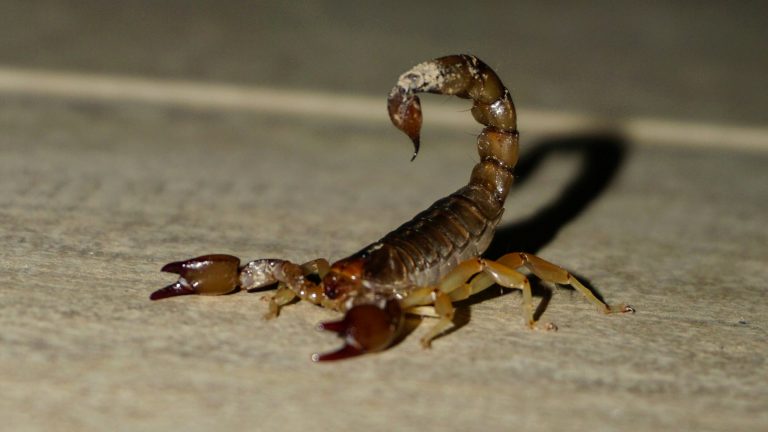
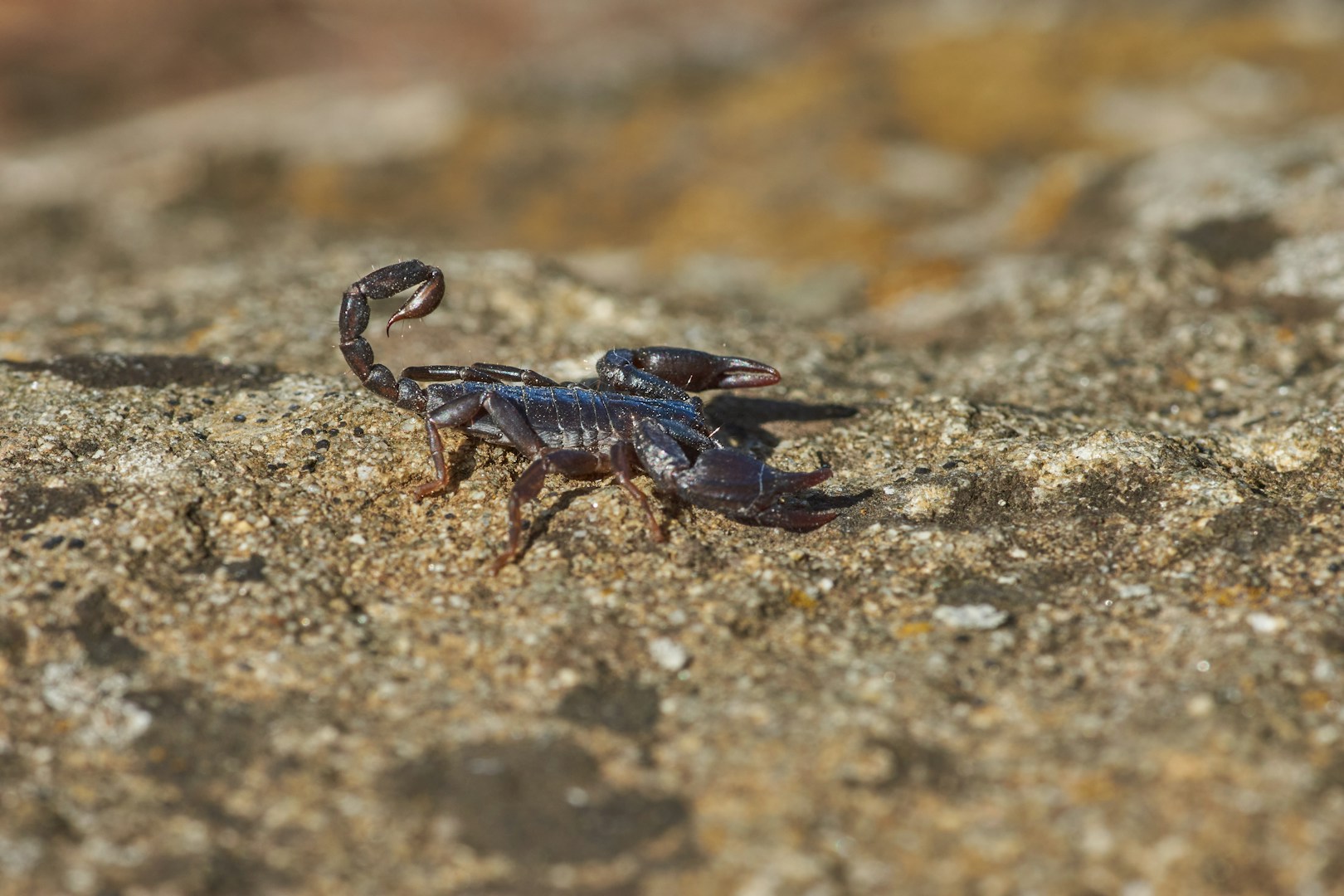
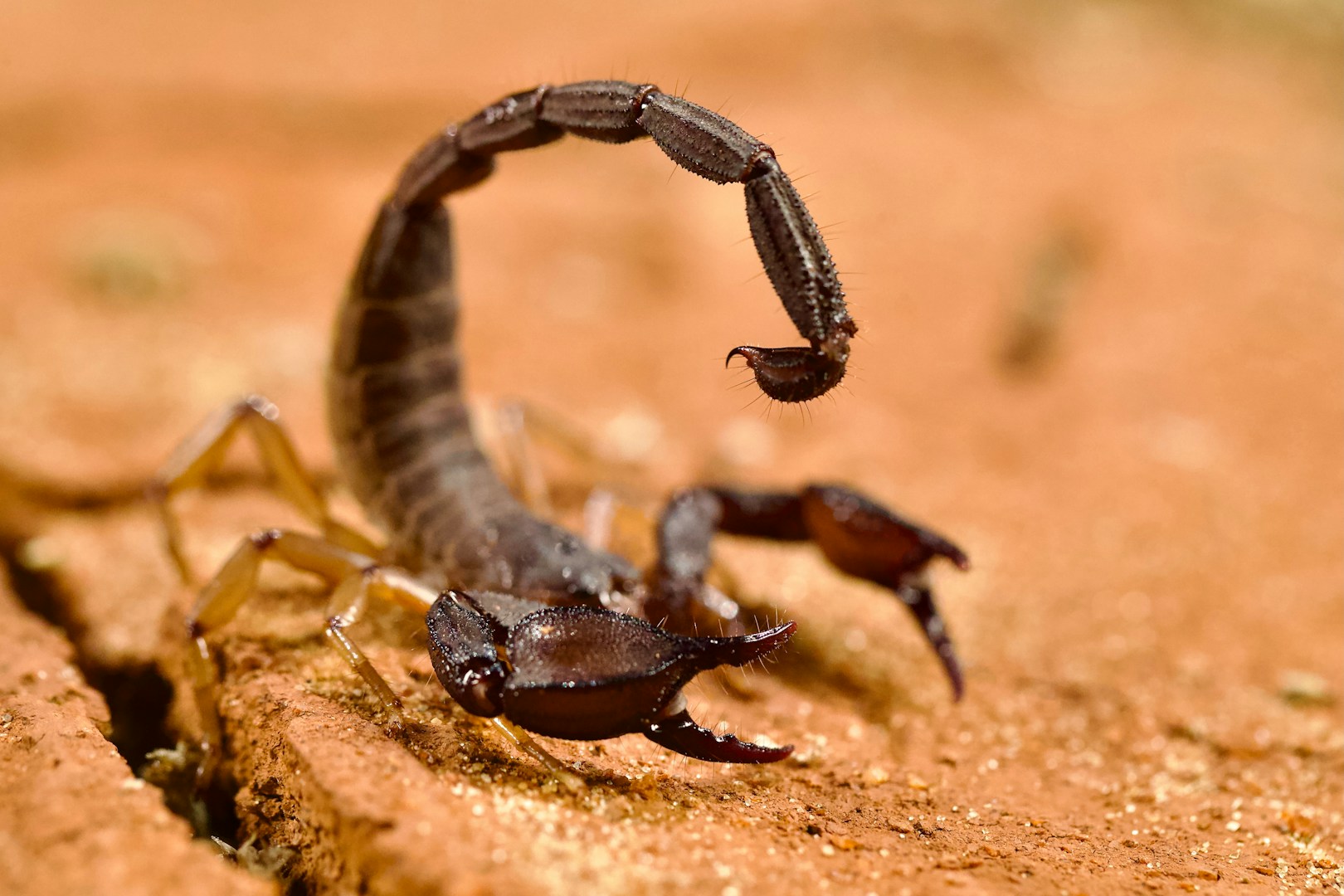
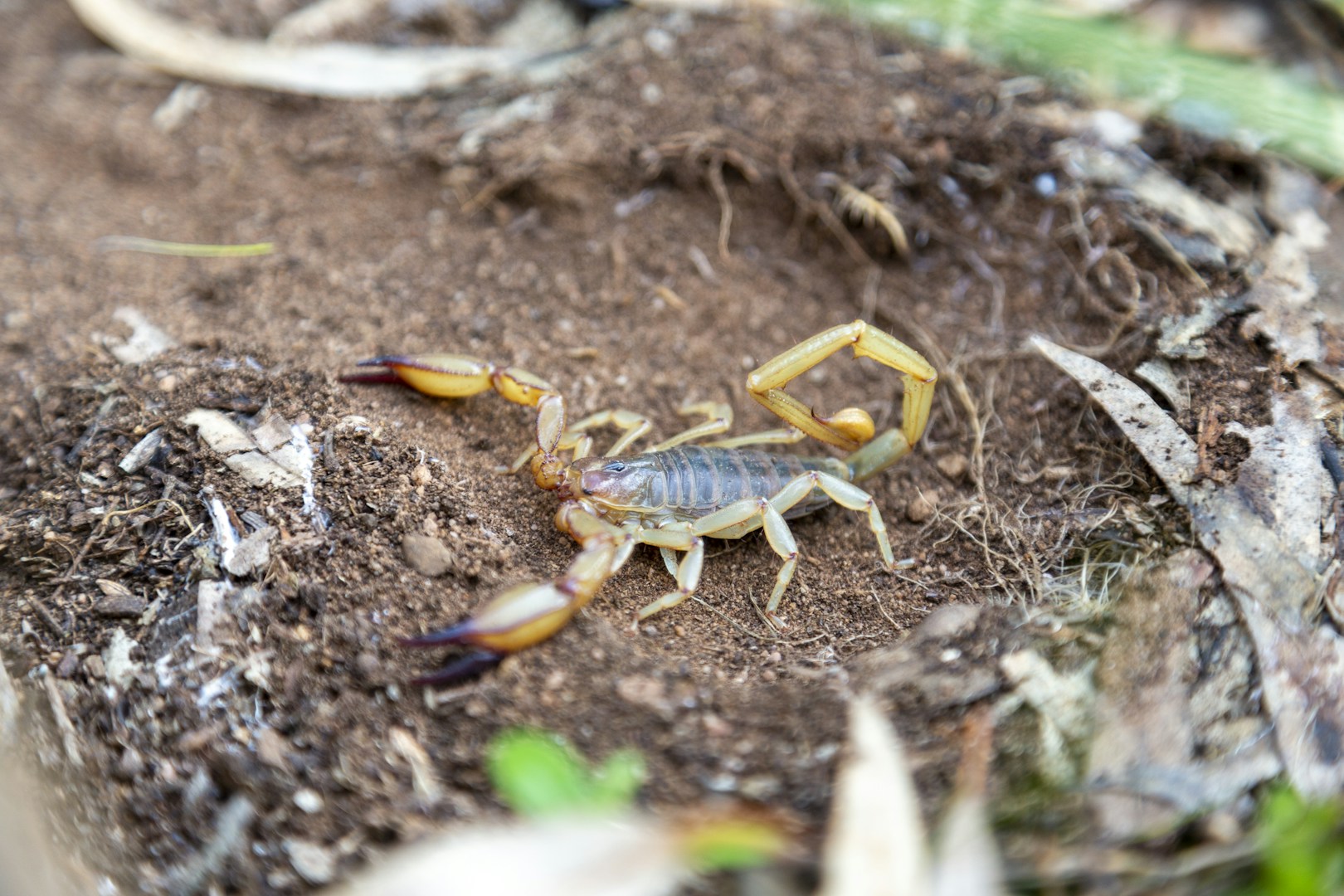
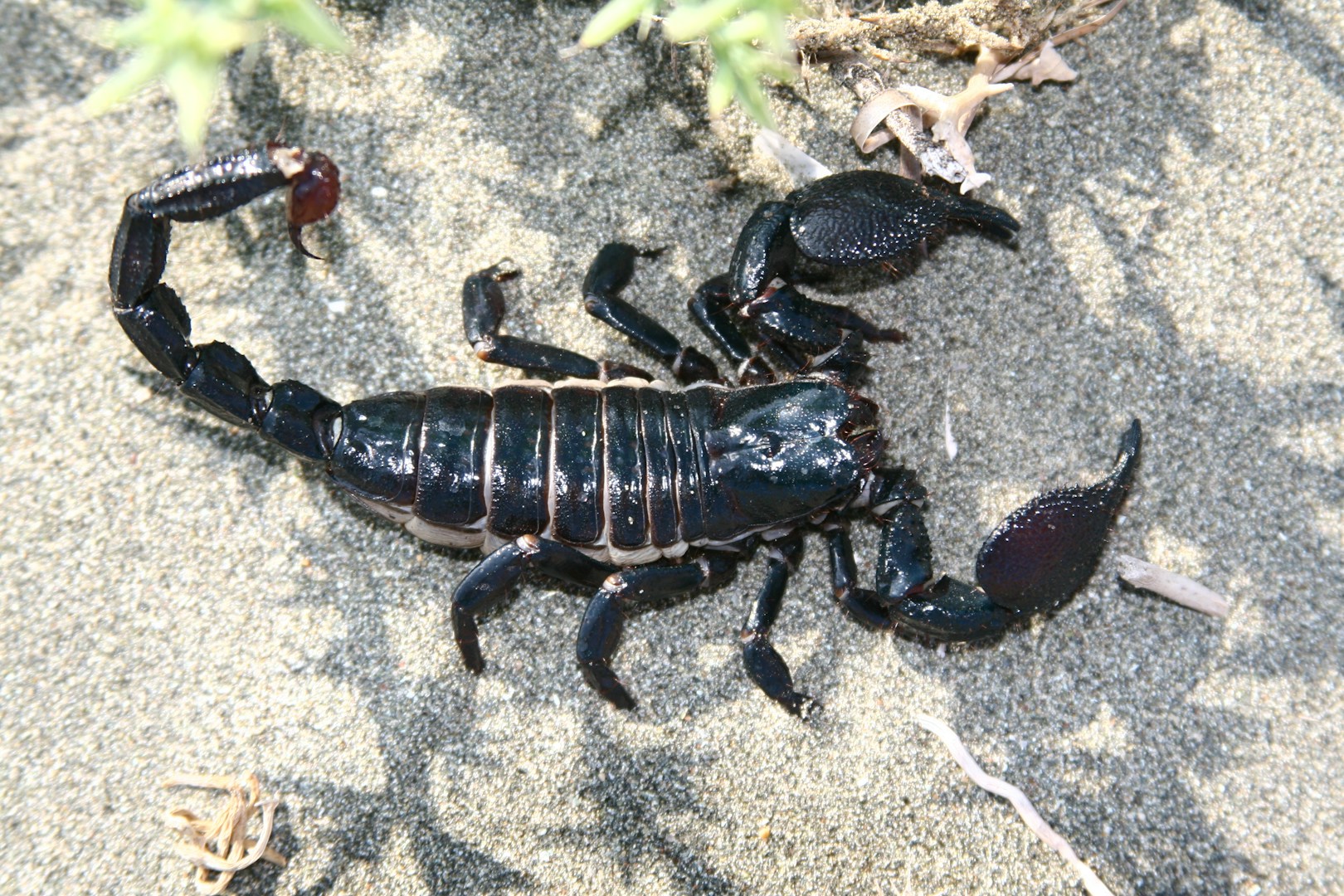
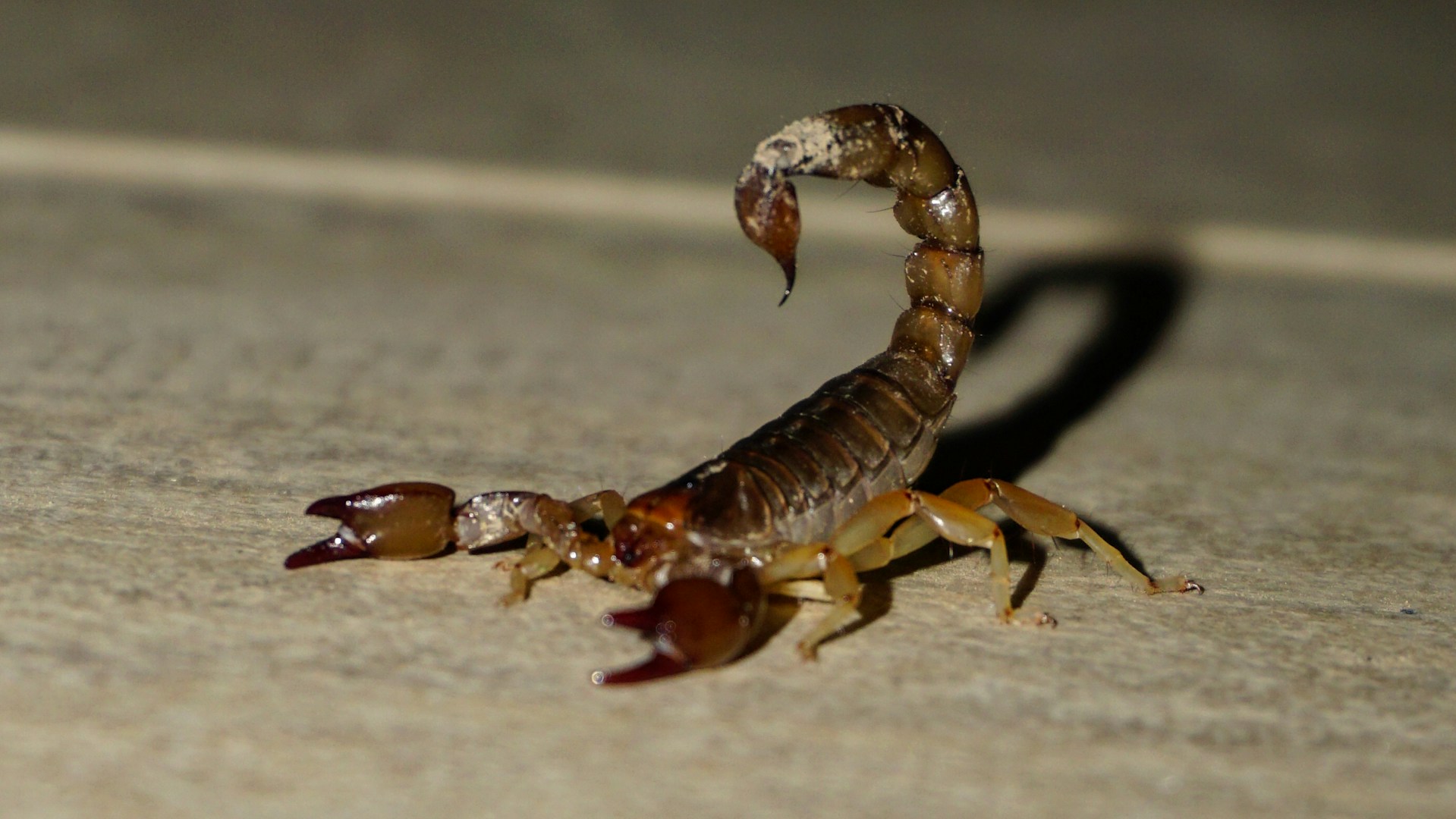
Scorpions are easily identified by their segmented bodies, pincer-like pedipalps, and curved tails tipped with a venomous stinger. They range in size from less than an inch to over 8 inches long. Most glow a vivid blue-green under ultraviolet light, a useful trait for nighttime detection. Nocturnal by nature, they hide under rocks, logs, or debris during the day. In homes, they seek dark, damp spaces like basements, shoes, or folded clothing.
How to Prevent and Control Scorpion Encounters
To keep scorpions at bay:
- Seal entry points—Caulk cracks, install weather stripping, and repair torn screens.
- Eliminate hiding spots—Remove piles of rocks, firewood, and debris near your home.
- Reduce prey—Control insects like cockroaches and crickets, which attract scorpions.
- Use UV flashlights—Scan your property at night to detect and safely relocate scorpions.
For infestations, consult pest control experts, avoid DIY sprays, which often fail to penetrate their hiding places.
Why Some Scorpions Are Dangerous
Of the 2,500+ scorpion species, only about 30 have venom potent enough to threaten humans. The Arizona bark scorpion, for example, delivers a neurotoxic sting causing severe pain, numbness, and, in rare cases, fatal respiratory failure. However, most scorpion stings resemble bee stings, with localized swelling and discomfort. Still, their presence in homes raises risks for children, pets, and allergic individuals.
Fascinating Facts About Scorpions
- Living Fossils—Scorpions have existed since the Silurian period, virtually unchanged in form.
- Birth Live Young—Unlike most arachnids, scorpions give birth to live offspring, which ride on their mother’s back until their first molt.
- Extreme Survivors—Some species can slow their metabolism to survive a year without food.
- Glow in the Dark—Their exoskeletons contain fluorescent chemicals that glow under UV light, a mystery scientists still debate.
Final Verdict: Handle With Caution, Not Panic
While scorpions demand respect, they’re not mindless killers. By taking proactive measures and learning to identify dangerous species, we can reduce risks without resorting to needless extermination. After all, these resilient creatures play a key role in controlling pests, and deserve their place in the wild.