
Slugs and Snails: The Silent Invaders
Slugs and snails may seem harmless at first glance, but these slow-moving creatures can wreak havoc in gardens, farms, and even ecosystems. Recognized by their slimy trails and soft, shell-less (or shelled) bodies, they thrive in moist environments and feed voraciously on plants. Understanding their behavior, the damage they cause, and effective prevention methods is crucial for protecting green spaces.
How to Recognize Slugs and Snails
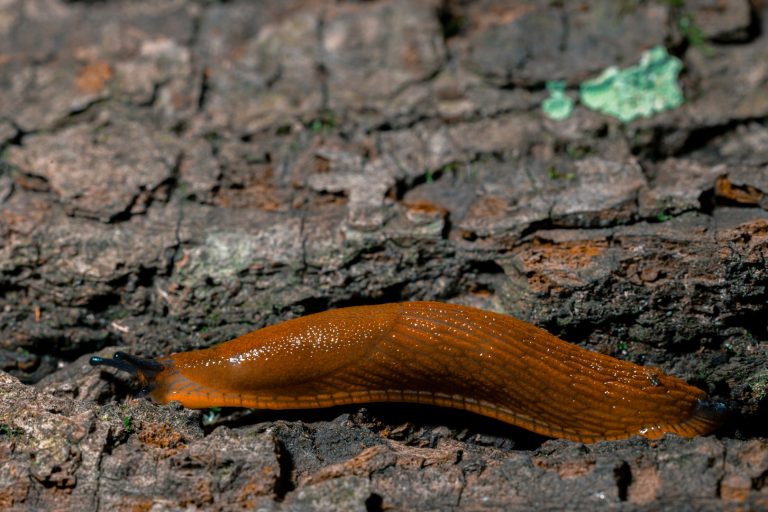
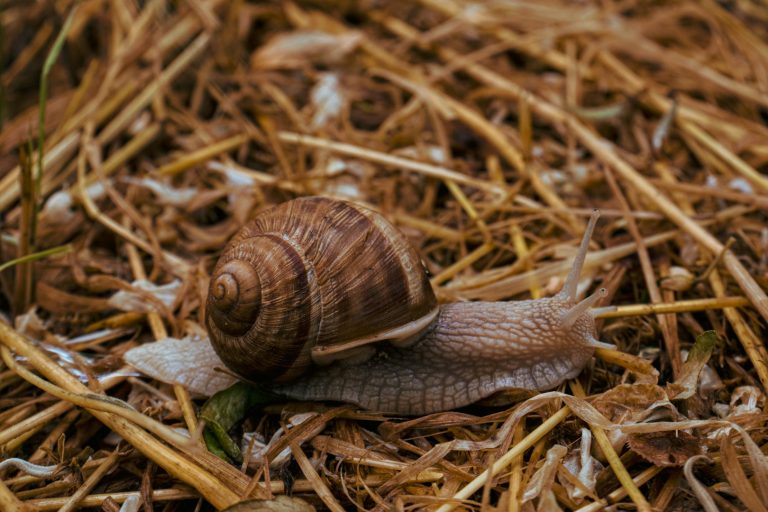
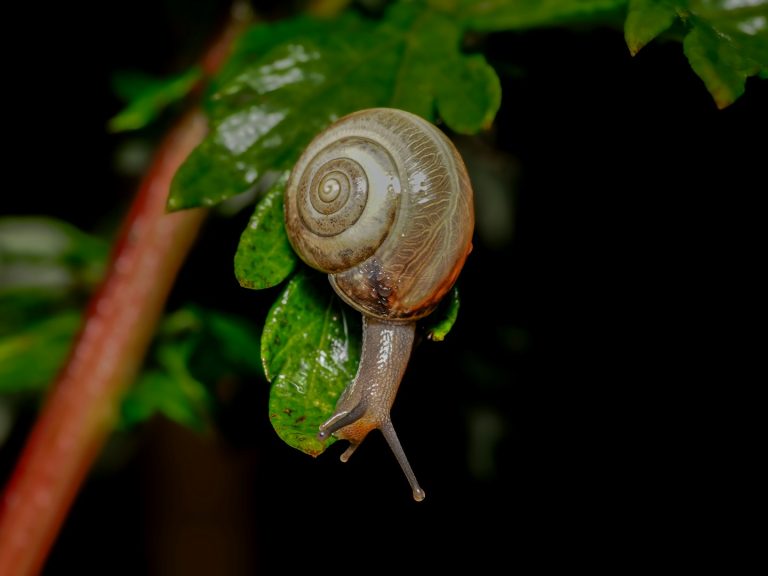
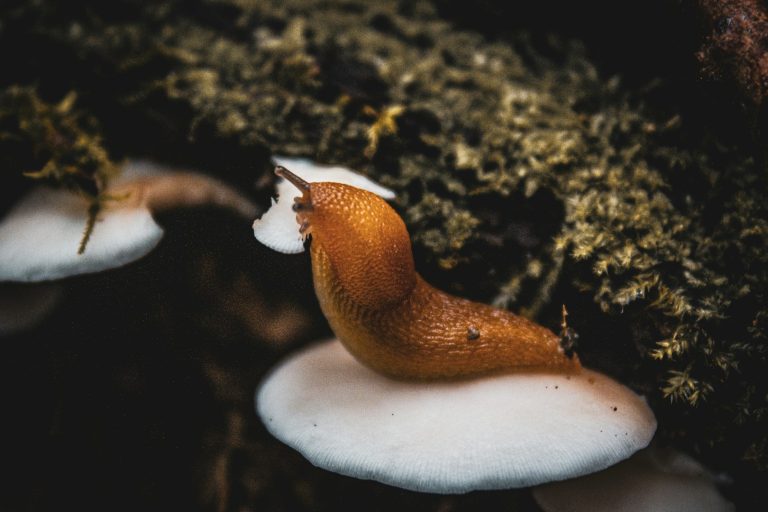
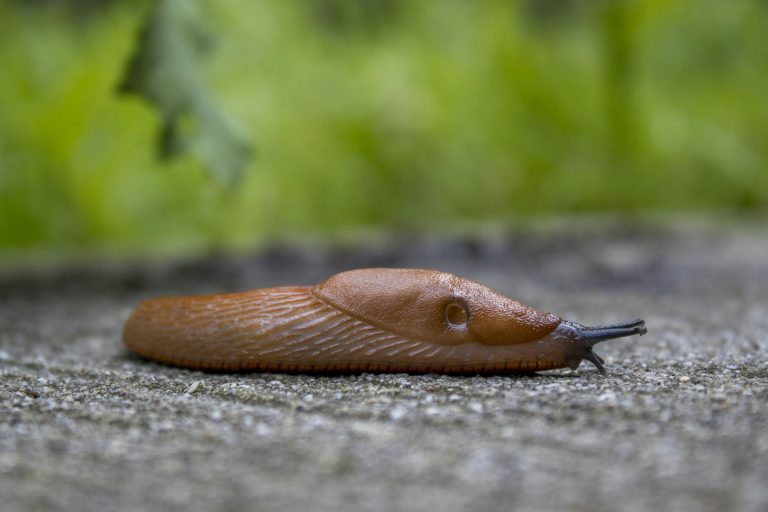
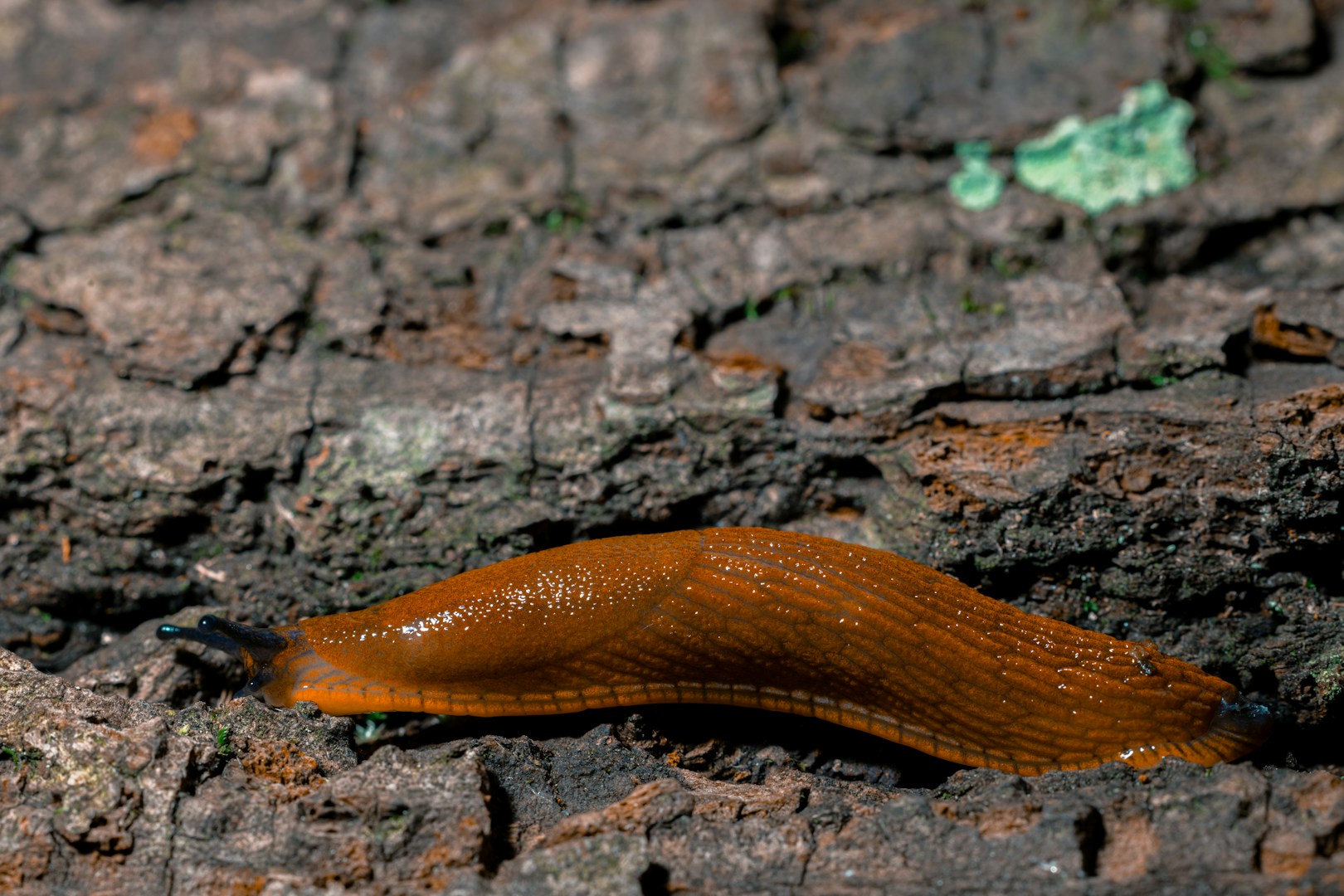
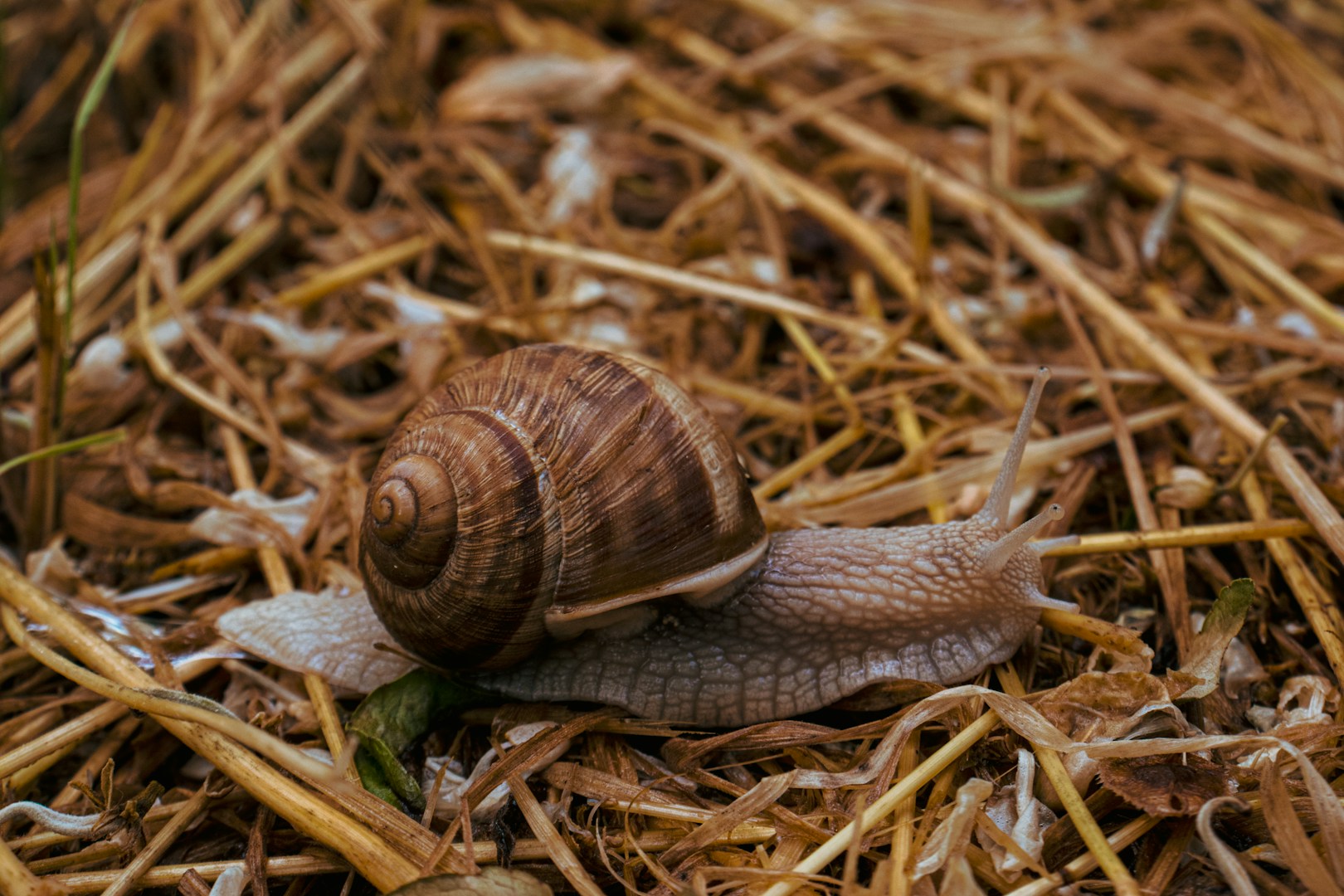
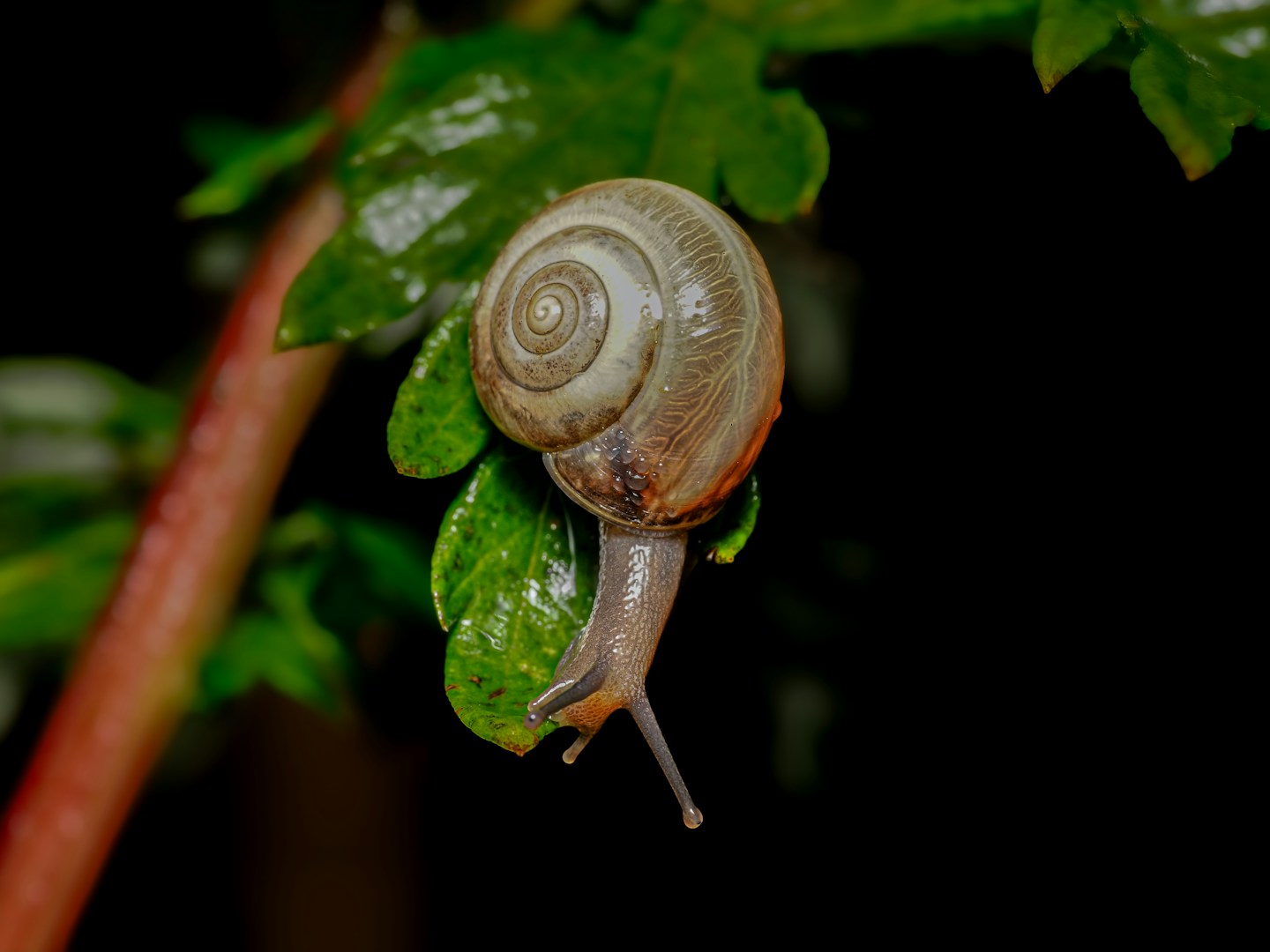
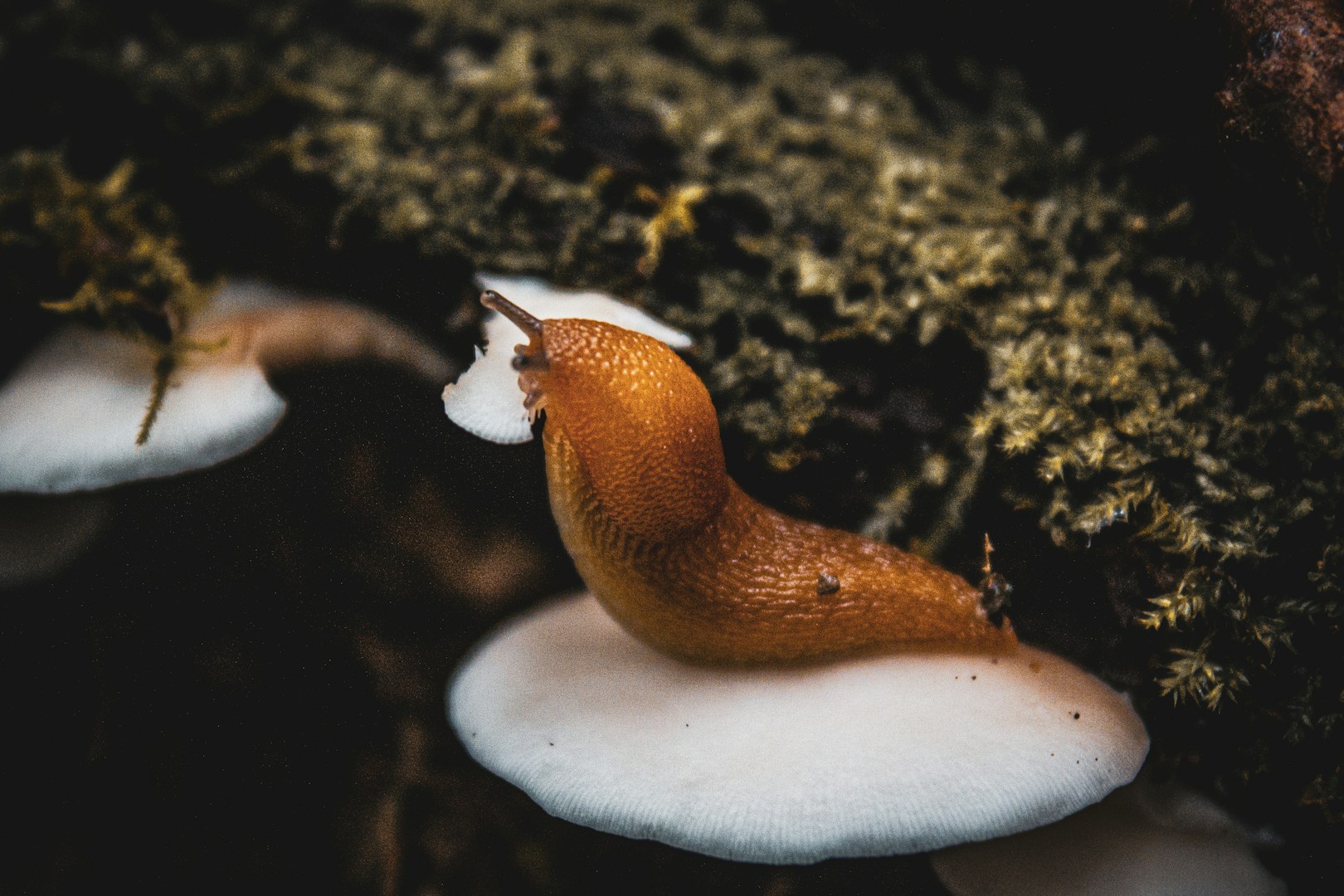
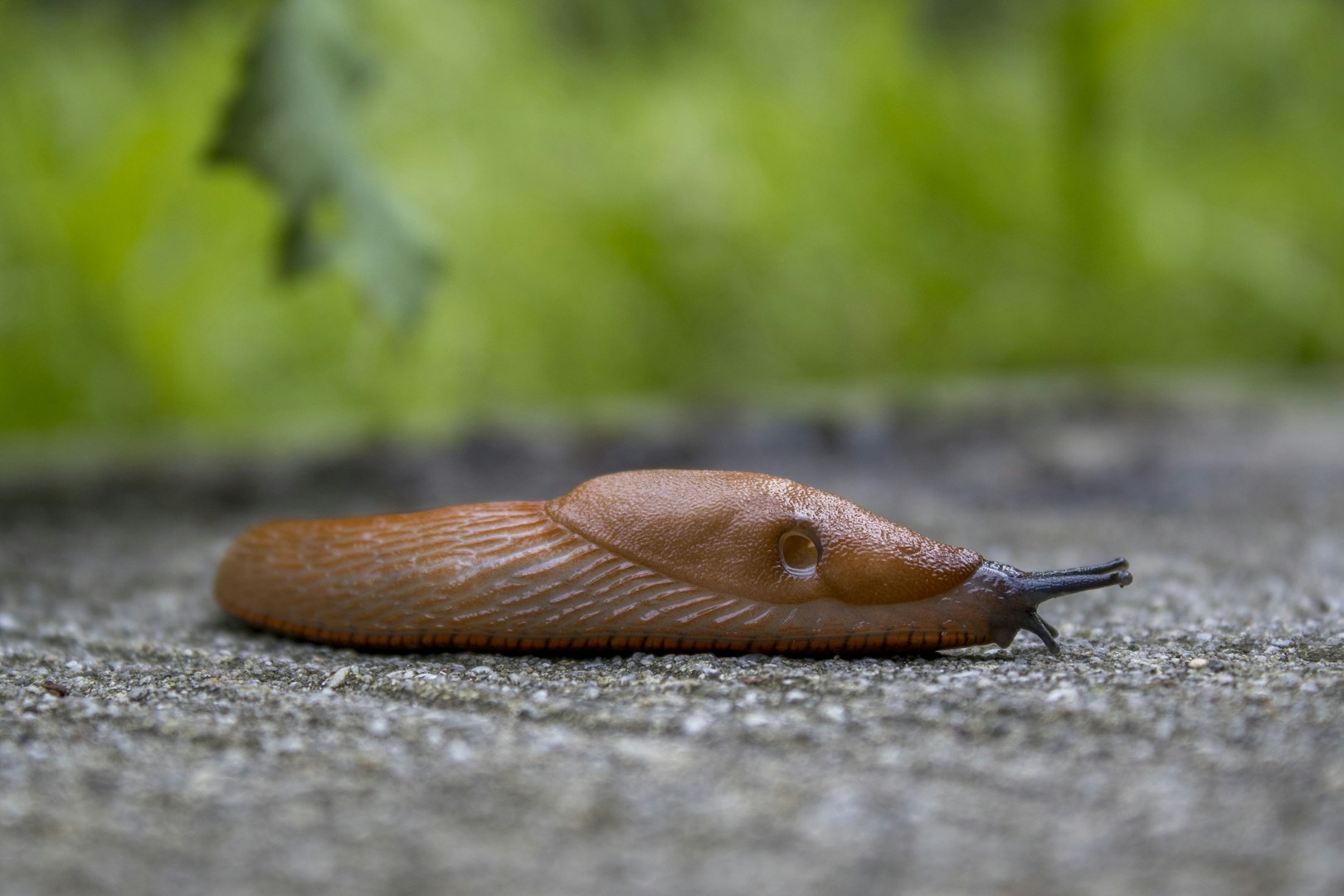
Slugs and snails are most active at night or during damp weather. They leave behind a distinctive silvery mucus trail, which helps identify their presence. While snails carry coiled shells on their backs, slugs lack an external shell. Both feed on leaves, stems, and fruits, often leaving irregular holes in foliage. Gardeners may also spot their eggs, small, translucent spheres hidden in soil or under debris.
How to Eradicate or Prevent Them
Prevention is key, reduce moisture by watering plants in the morning and removing hiding spots like fallen leaves. Barriers such as copper tape or diatomaceous earth deter them naturally. Beer traps lure and drown slugs, while handpicking at night can reduce populations. For severe infestations, iron phosphate-based baits are an eco-friendly solution. Encouraging predators like birds, frogs, and hedgehogs also helps maintain balance.
Why They Are Harmful
Beyond damaging ornamental plants and crops, slugs and snails can disrupt ecosystems by outcompeting native species. Some carry parasites, like the rat lungworm, which can infect humans and pets. Their relentless feeding weakens plants, making them susceptible to diseases. In agriculture, they cause significant economic losses, particularly in lettuce, strawberries, and other tender crops.
Fascinating Facts About Slugs and Snails
- Ancient Survivors – Slugs and snails have existed for over 500 million years, even outliving dinosaurs.
- Self-Amputation – Some slugs can detach part of their body to escape predators, regenerating later.
- Mucus Superpowers – Their slime has unique properties, inspiring medical research for surgical adhesives.
- World Travelers – The giant African land snail can grow up to 15 inches and has invaded multiple continents as an invasive species.
Final Verdict: Pests with a Purpose, But Still a Problem
By recognizing their impact and taking proactive measures, we can protect our gardens and ecosystems from these silent invaders. Whether through natural predators or smart gardening practices, balance is achievable, without resorting to harsh chemicals.