
Slithering Shadows: Snakes and How to Coexist Safely
Snakes are among the most misunderstood creatures on Earth, feared by many, yet vital to ecosystems. While some species are harmless, others pose real dangers to humans and pets. Learning how to identify snakes, understanding their ecological role, and knowing how to prevent unwanted encounters can help foster safer coexistence between humans and these fascinating reptiles.
How to Recognize Snakes
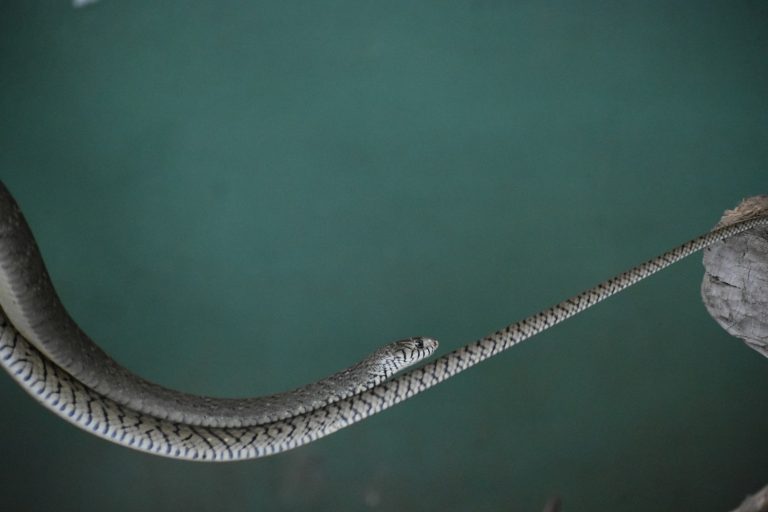
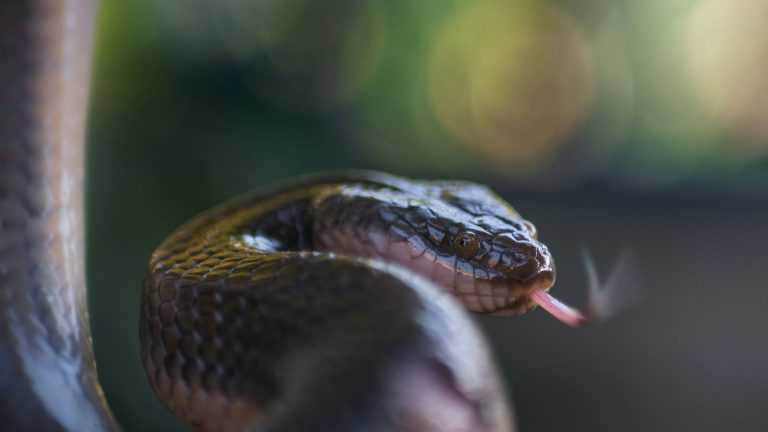
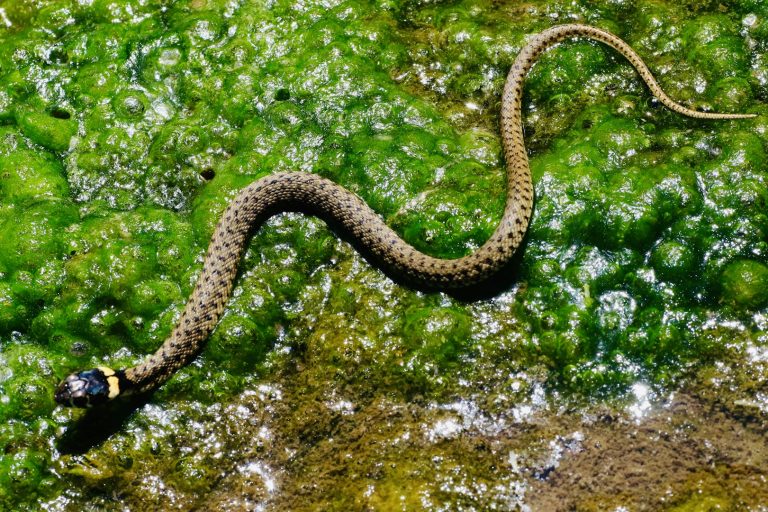
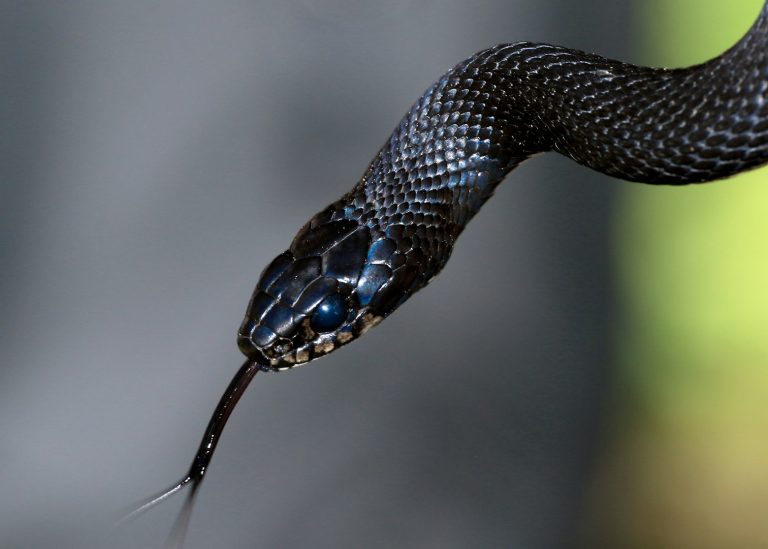
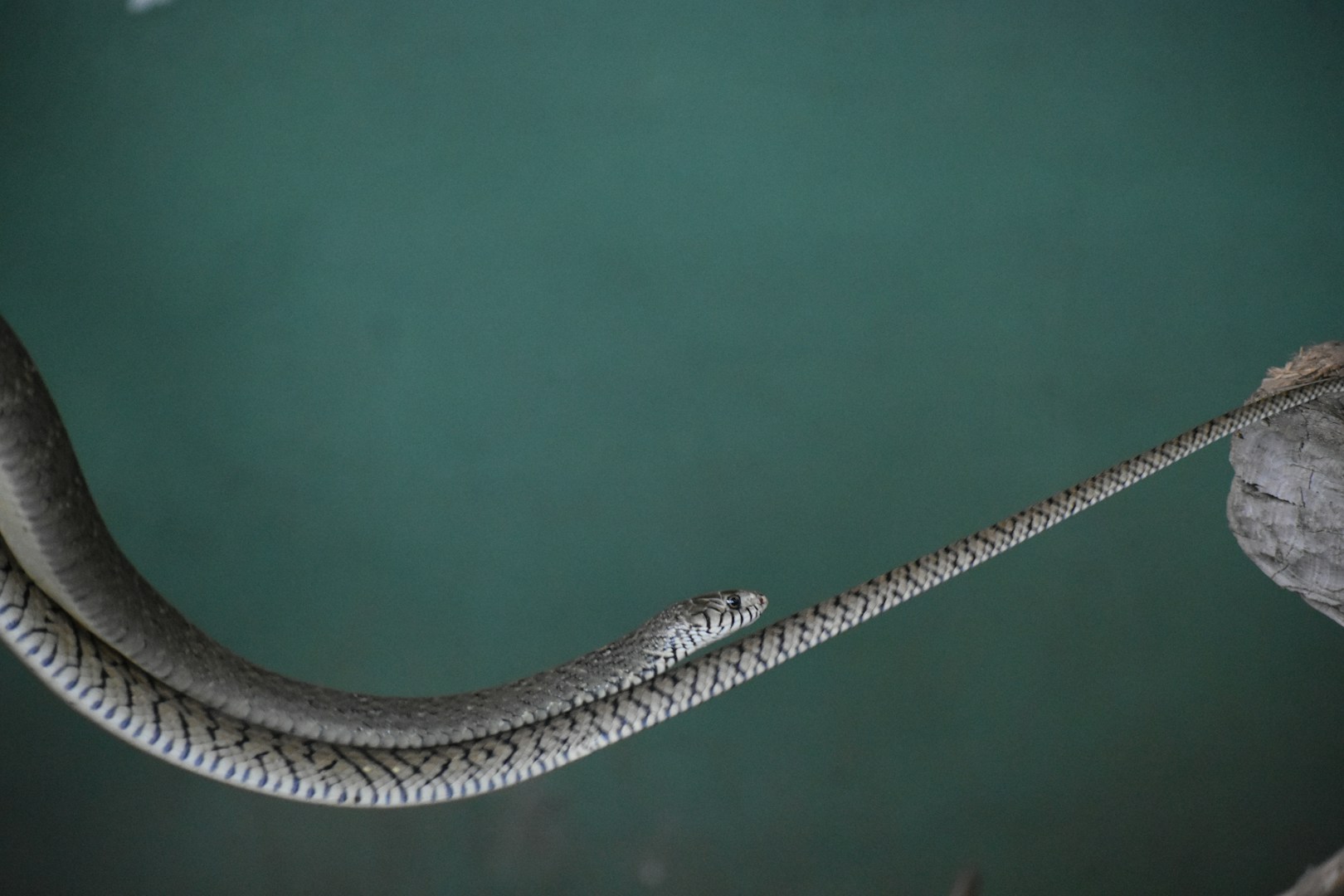
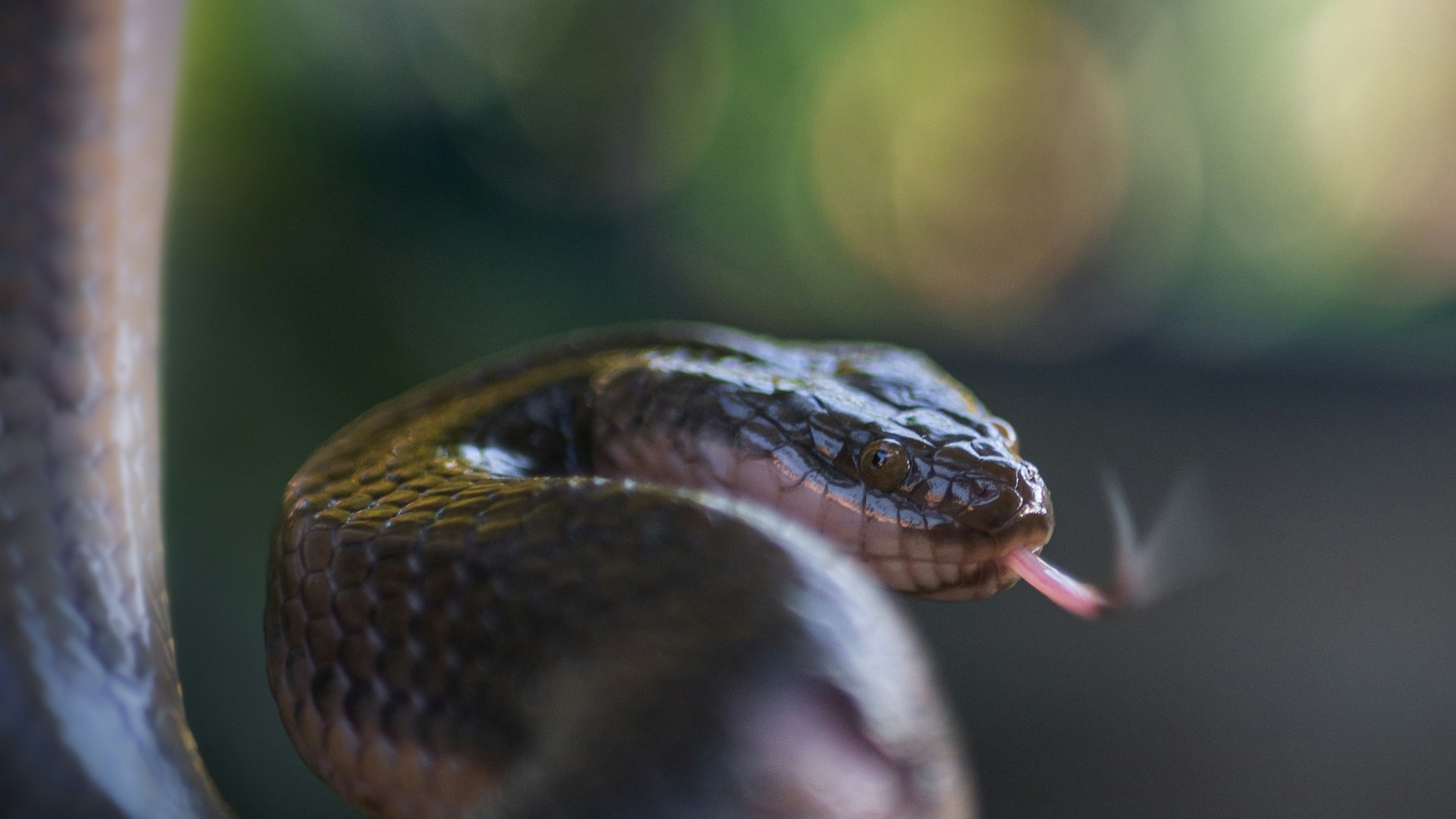
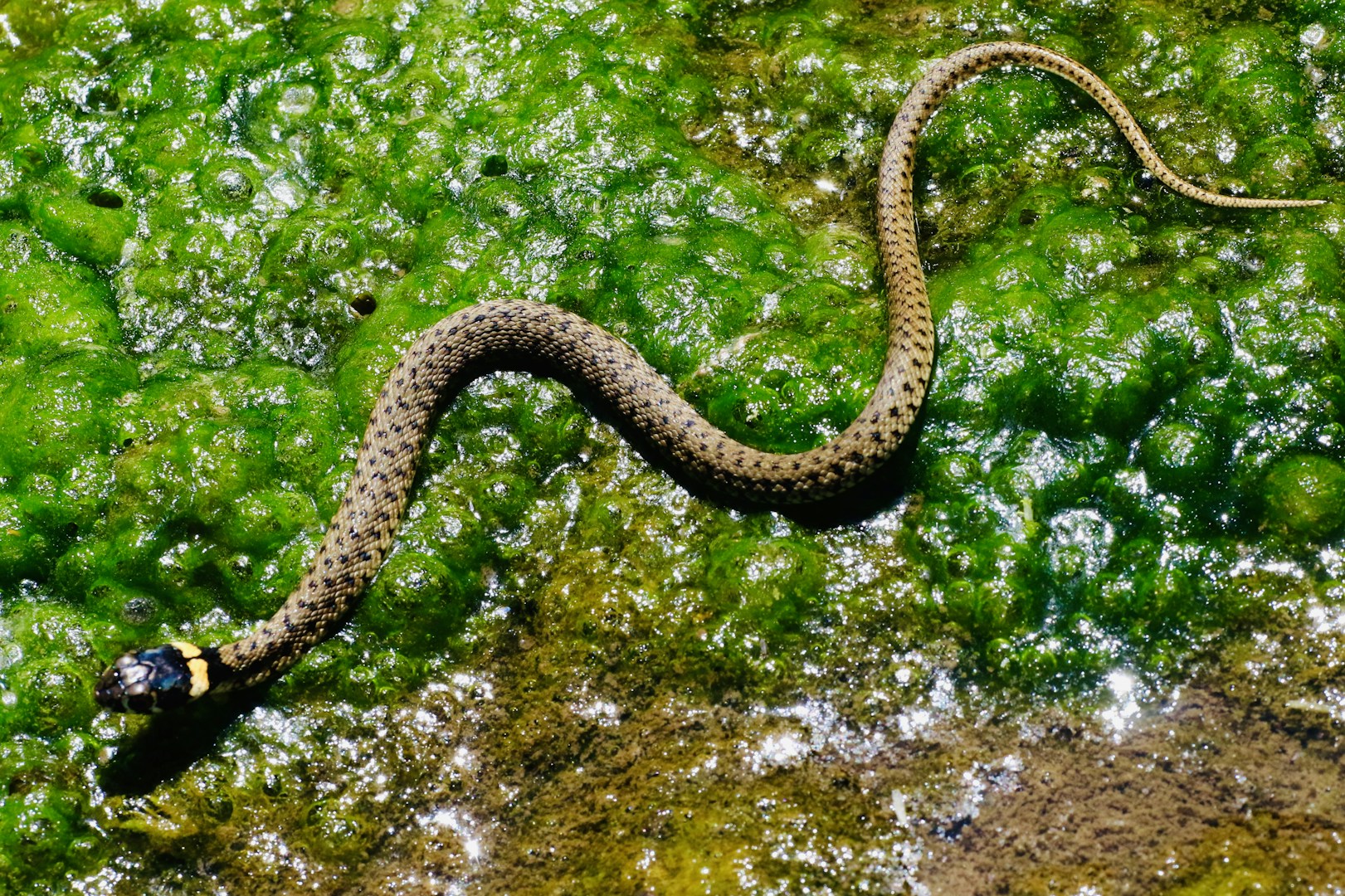
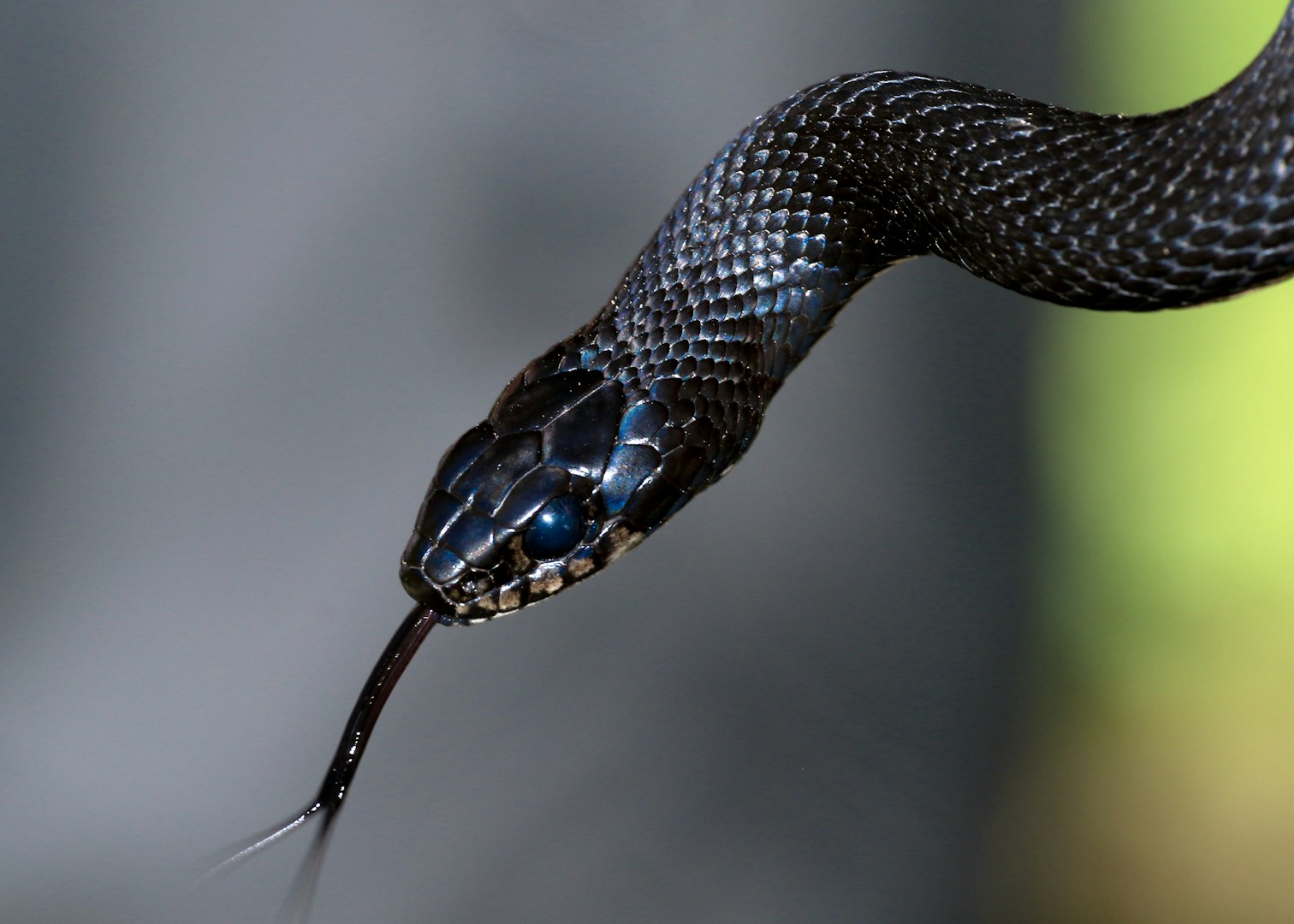
Snakes vary widely in appearance, but key features include elongated, limbless bodies, forked tongues, and scales. Venomous species often (but not always) have triangular heads, vertical pupils, and heat-sensing pits. Non-venomous snakes typically have round pupils and smoother heads. Common signs of snake presence include shed skins, rustling grass, or coiled figures basking in the sun. Always observe from a distance, never attempt to handle a wild snake.
How to Prevent and Manage Snake Encounters
To reduce snake encounters, keep yards tidy by removing debris, tall grass, and rock piles where snakes hide. Seal gaps in homes and outbuildings to prevent entry. If you spot a snake, stay calm and back away slowly, most bites occur when people attempt to kill or capture them. For venomous snakes near homes, contact wildlife professionals for safe removal. Educating communities about snake behavior can reduce unnecessary killings.
Why Some Snakes Are Harmful
Venomous snakes, such as cobras, vipers, and rattlesnakes, can deliver deadly bites, causing severe pain, tissue damage, or even death without prompt treatment. Even non-venomous snakes may bite if threatened. Some species, like the invasive Burmese python, disrupt ecosystems by preying on native wildlife. However, most snakes are beneficial, controlling rodent populations that spread disease and damage crops..
Fascinating Facts About Snakes
- Ancient Predators – Snakes evolved over 100 million years ago, with some modern species retaining vestigial hip bones from their legged ancestors.
- Jaw-Dropping Meals – A snake’s flexible jaws allow it to swallow prey much larger than its head, sometimes even deer or alligators!
- Venom vs. Poison – Venom is injected (via fangs), while poison is absorbed or ingested—meaning snakes can be venomous but never poisonous.
- Gliding Serpents – The paradise tree snake of Southeast Asia can flatten its body and "fly" between trees, covering distances up to 100 feet.
Final Verdict:
Respect, Don’t Fear
Snakes play a crucial role in nature, and with proper knowledge, humans can minimize risks while appreciating their place in the wild. Instead of fear, let’s adopt caution, respect, and proactive measures to ensure peaceful coexistence.