
The Buzz on Wasps & Hornets
As summer arrives, so do uninvited guests at our picnics - wasps and hornets. While often mistaken for bees, these sleek, sting-equipped insects play different roles in nature. European and North American species range from mildly annoying to potentially dangerous, but panic isn't necessary. With the right knowledge, you can enjoy your outdoor spaces while minimizing unwanted encounters.
Know Your Flying Foes
Common Offenders in Europe/North America:
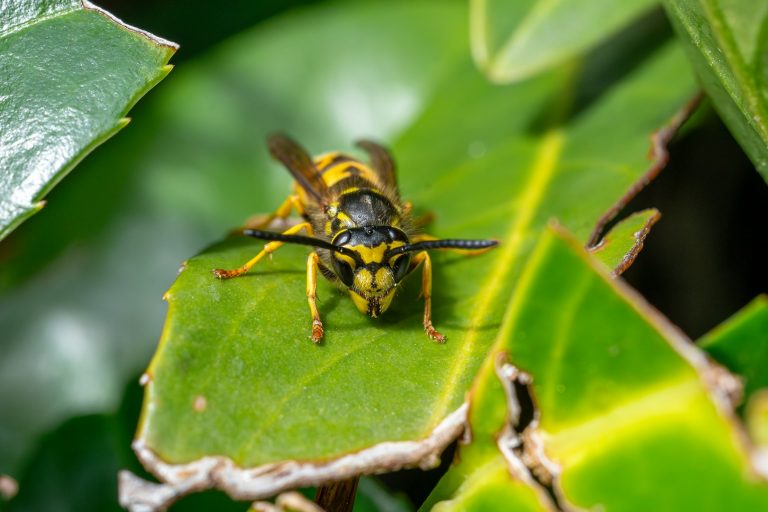
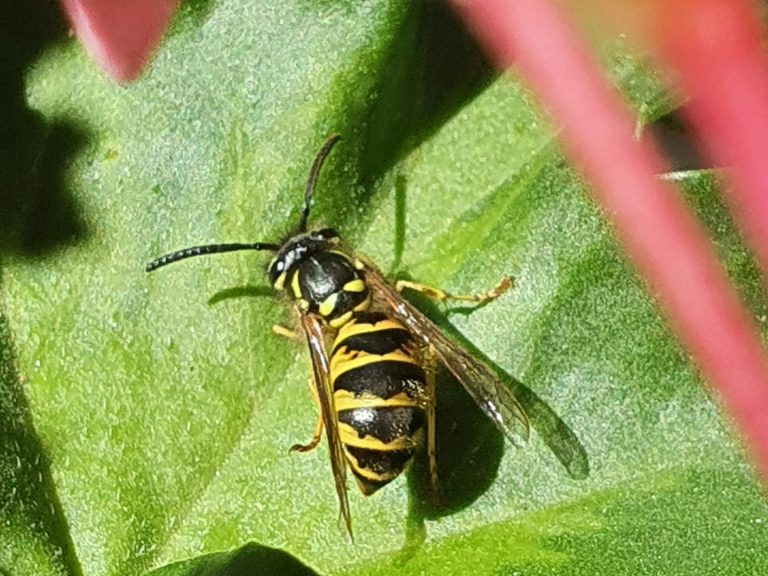
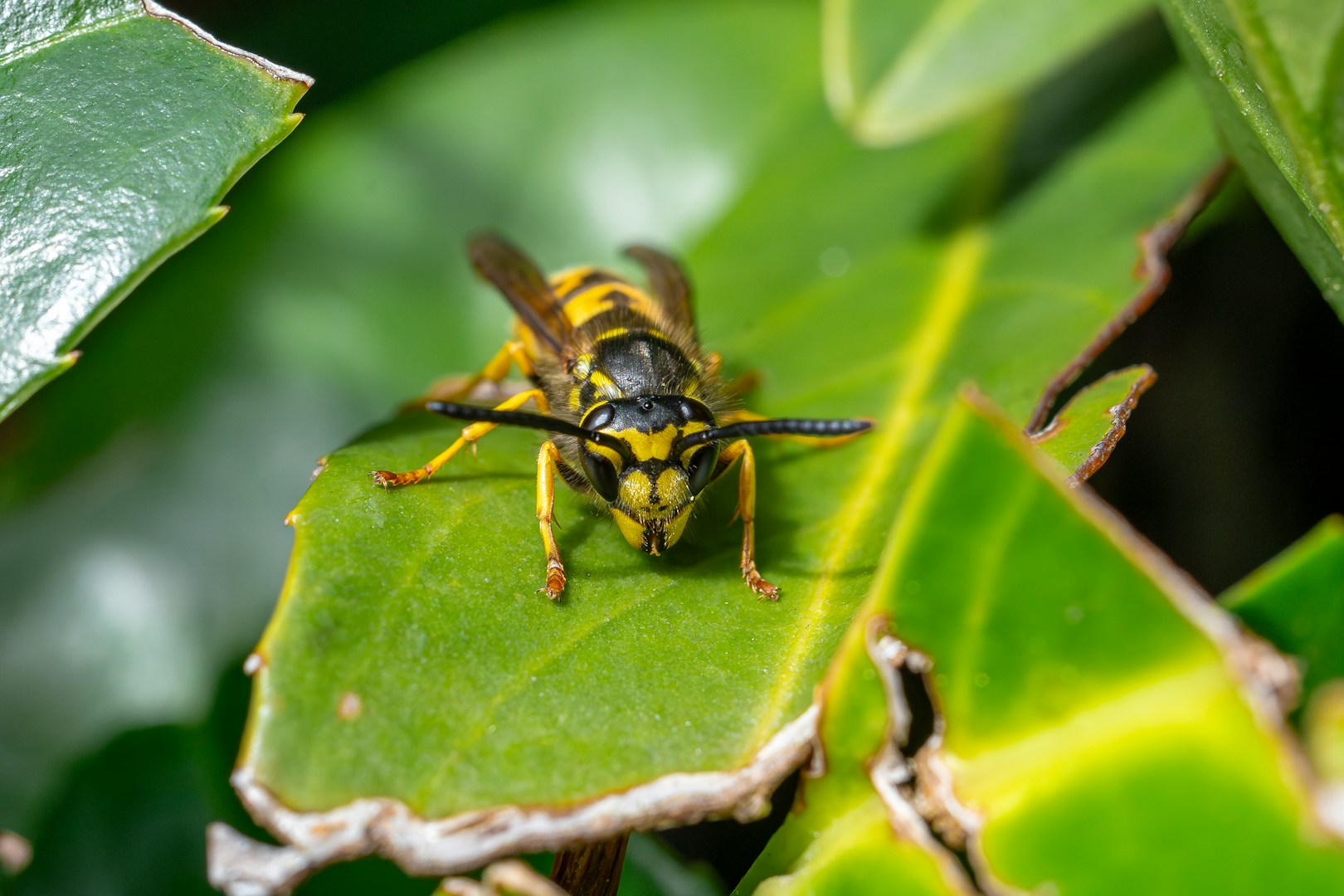
- Yellowjackets - Aggressive, love sugary foods and meat
- Paper Wasps - Build open-comb nests, less aggressive unless provoked
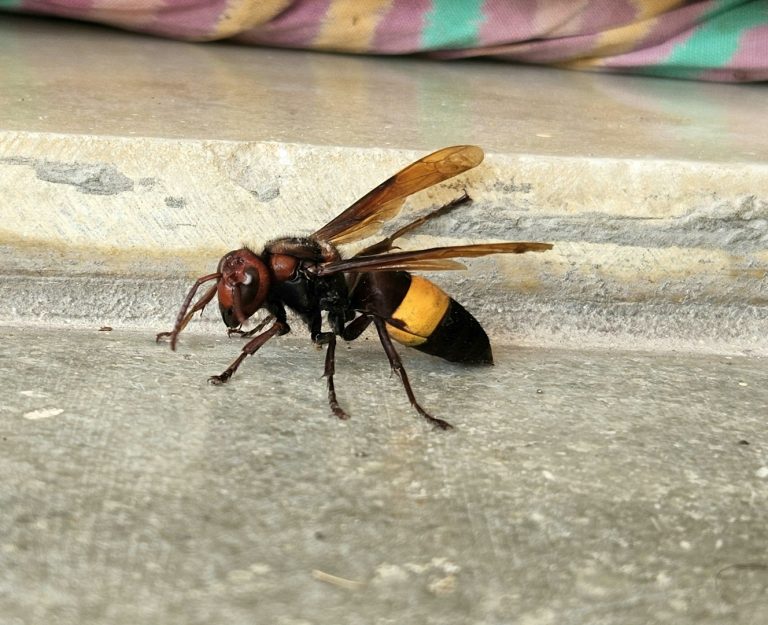
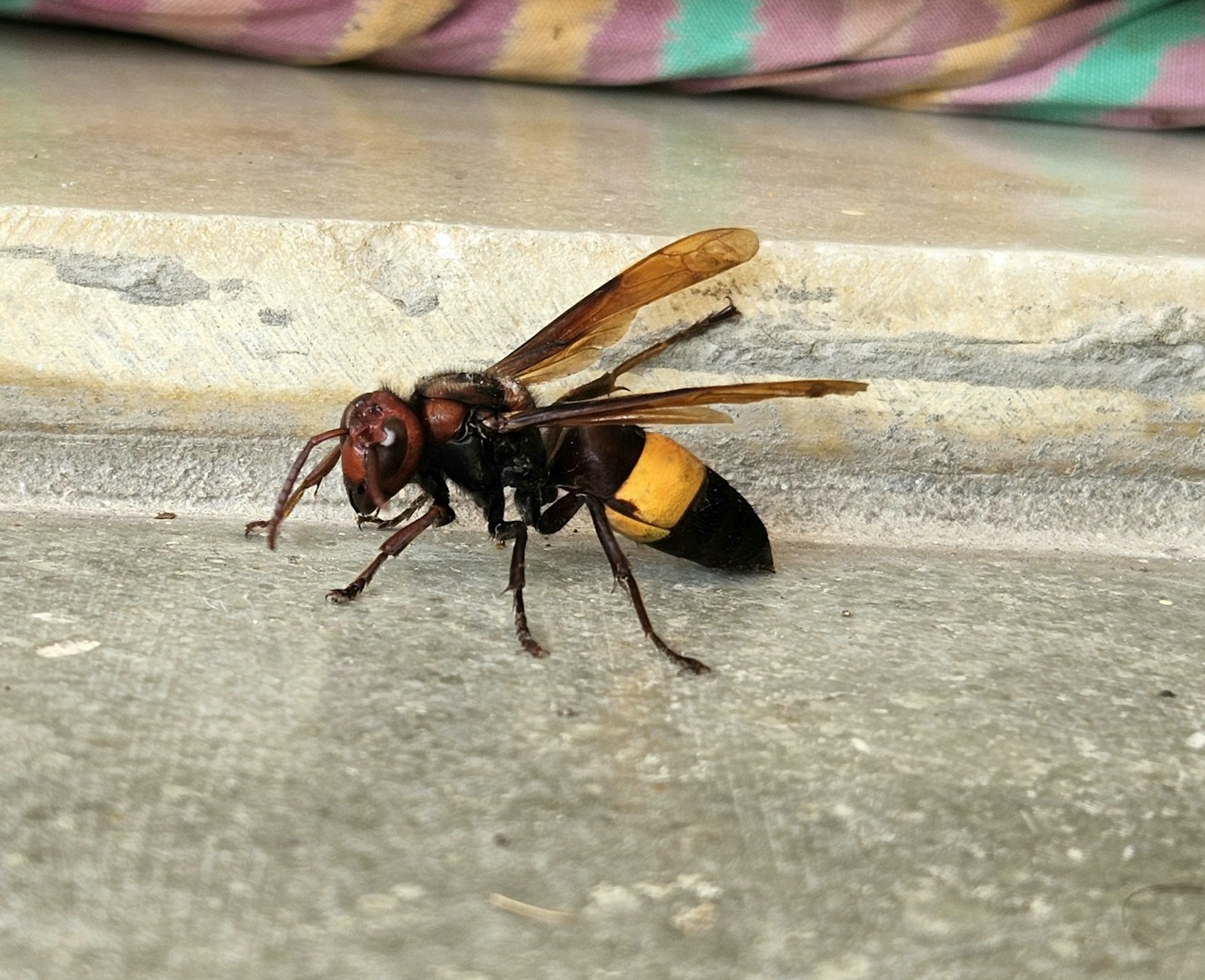
- European Hornets - Large but relatively docile, active at night
- Bald-Faced Hornets - Actually a wasp species, fiercely protective of nests
Key Differences from Bees:
- Smooth bodies (not fuzzy)
- Narrow "waists" between body segments
- Can sting repeatedly (unlike honeybees)
Smart Prevention Strategies
1. Deny Their Favorite Foods:
- Cover sweet drinks and meats at outdoor gatherings
- Use lidded trash cans and clean them regularly
- Pick up fallen fruit in orchards
2. Make Your Property Less Appealing:
- Seal cracks in siding and roof overhangs (nesting sites)
- Hang decoy nests early in season (wasps are territorial)
- Keep outdoor eating areas clean of food residue
3. Safe Nest Management:
- Small early-season nests can be knocked down at night (with caution)
- Large or hard-to-reach nests require professional removal
- Never seal an active nest entrance - trapped wasps become aggressive
Fascinating Facts About Wasps and Hornets
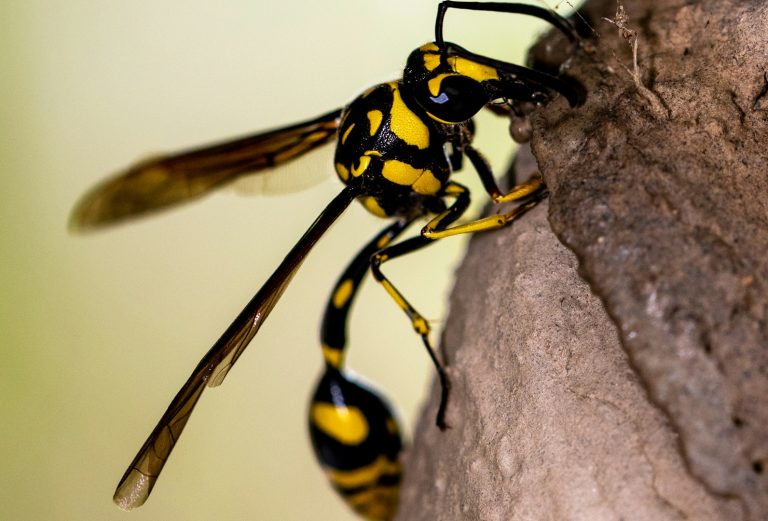
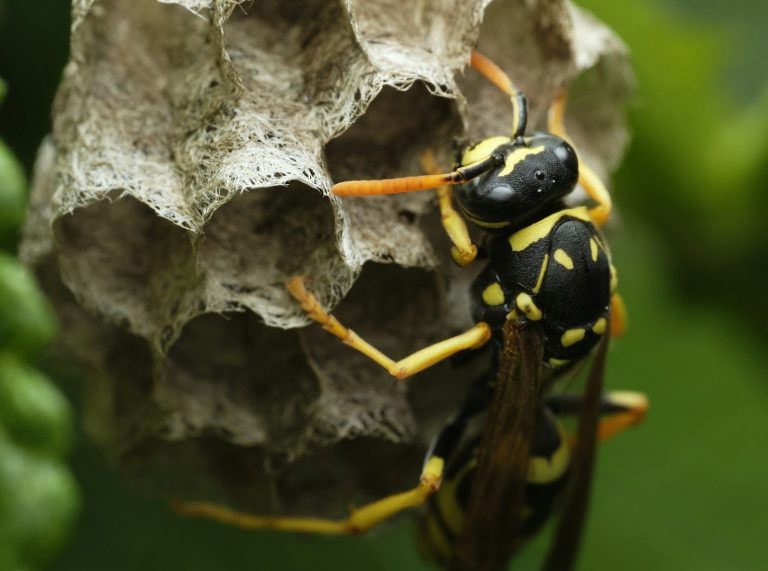
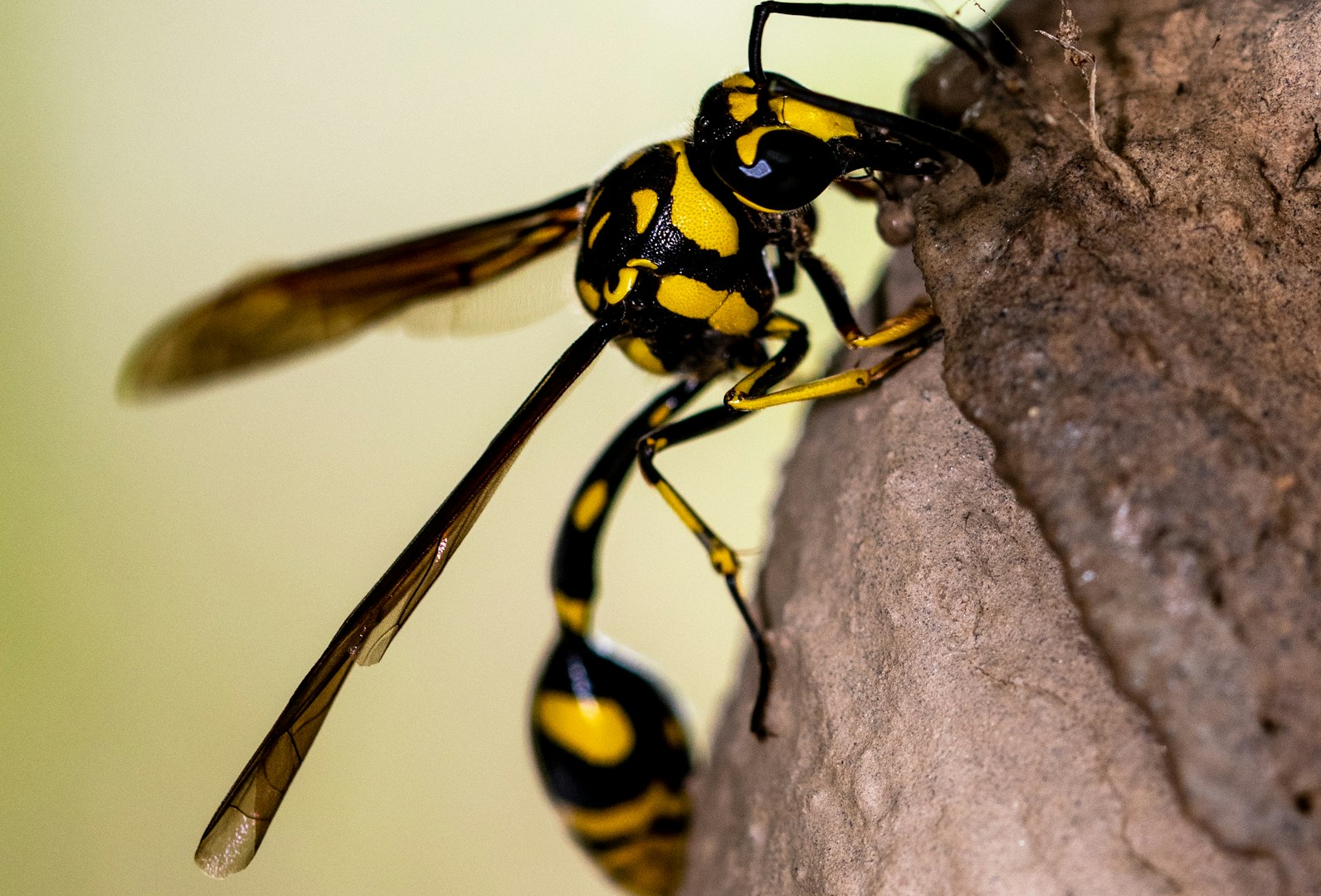
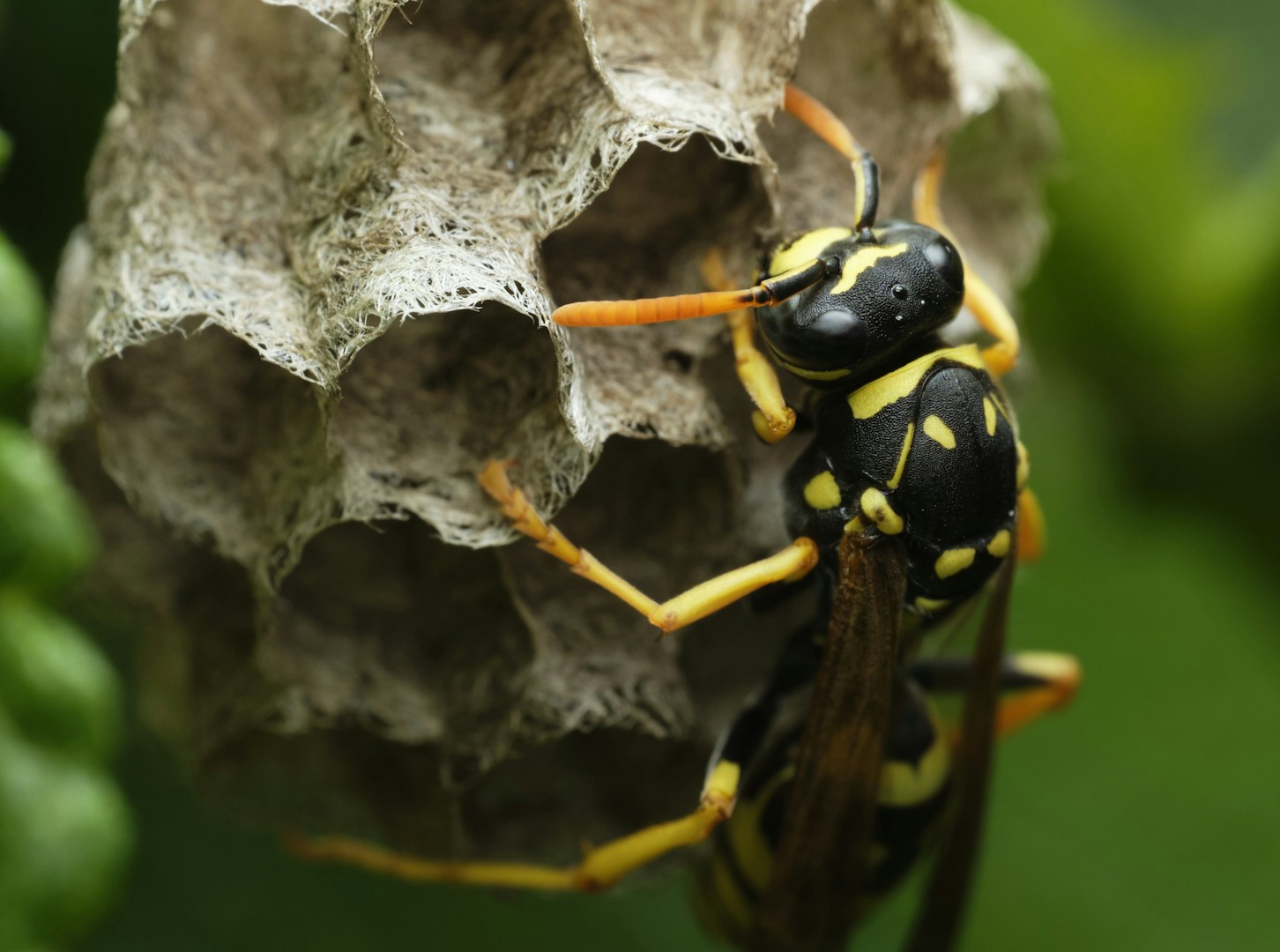
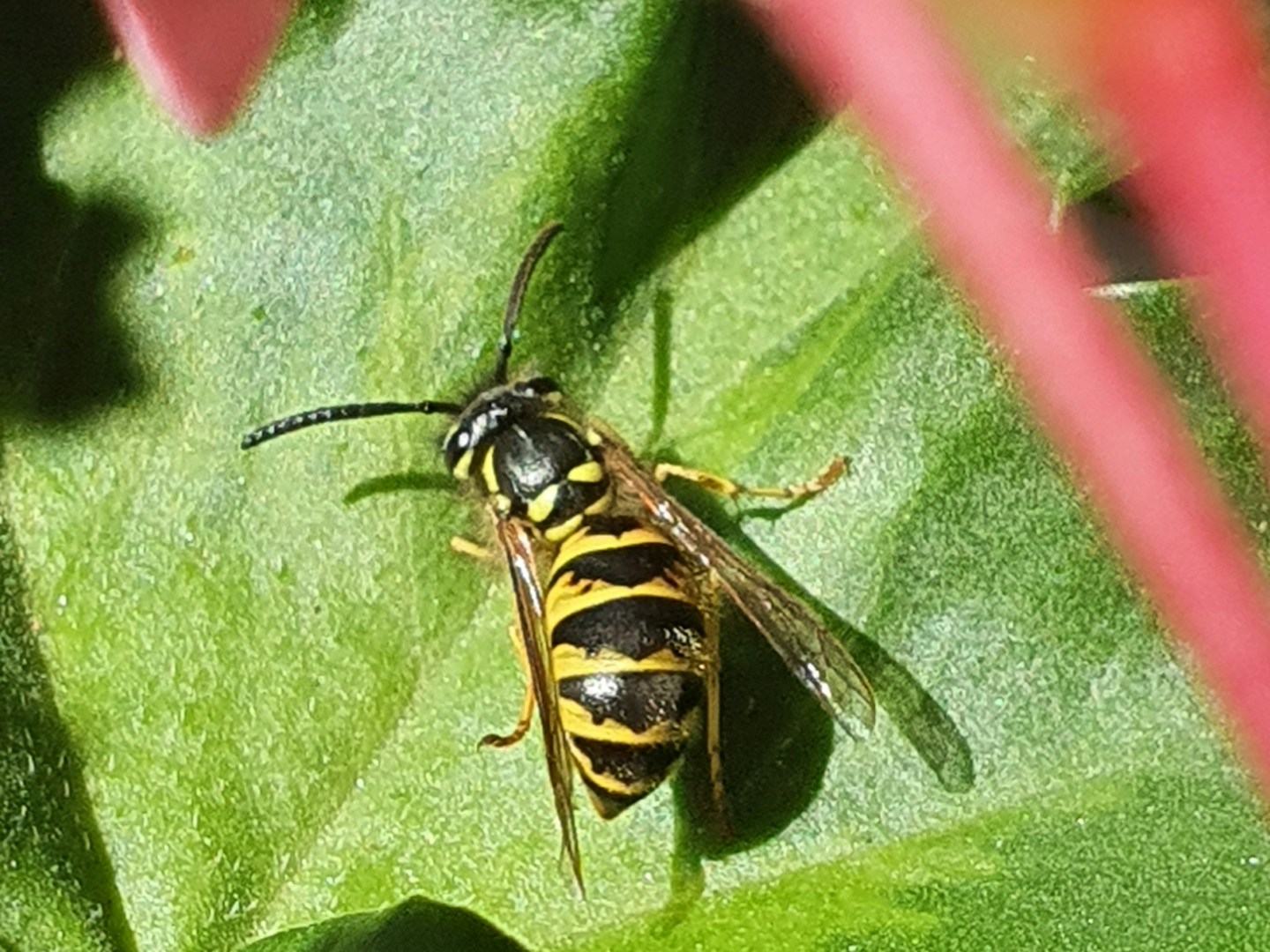
- Architect Wonders - Paper wasps create nests from chewed wood pulp
- Night Flyers - European hornets hunt after dark, attracted to lights
- Single Mothers - Each nest begins with one overwintered queen
- Sweet Tooth - Some wasps raid beehives to steal honey
- Wasps farm aphids - some species "milk" them for honeydew like tiny ranchers
- Wasps don’t make honey - but they do feed fermented nectar to their larvae.
Final Tip: Stay Calm
Wasps and hornets aren't out to get us, they're just looking for food and shelter. By understanding their behavior and taking simple precautions, we can greatly reduce negative encounters. Remember:
- Stay calm around them (swatting triggers aggression)
- Most species only sting when defending nests
- Their pest-control services benefit your garden
When Stings Happen: Quick Response
- Wash area with soap and water
- Apply ice to reduce swelling
- Watch for allergic reactions (difficulty breathing, swelling beyond sting site)
- Those with known allergies should carry epinephrine auto-injectors