
The Nighttime Guardians: Bats
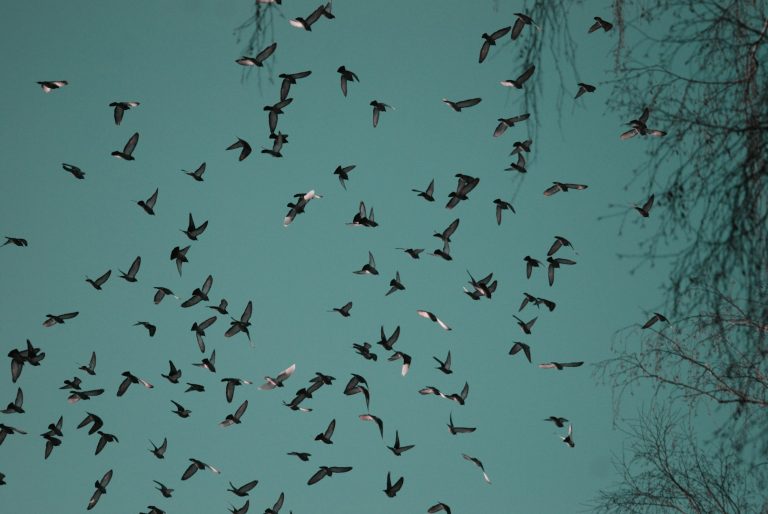
As dusk falls and shadows lengthen, nature's most misunderstood mammals take flight. Bats, the only true flying mammals, play vital roles in ecosystems around the globe. From pest control to pollination, these nocturnal creatures provide services worth billions of dollars to agriculture and human health each year. Despite their spooky reputation, bats are gentle, intelligent animals that deserve our appreciation and protection.
Physical Characteristics and Behavior
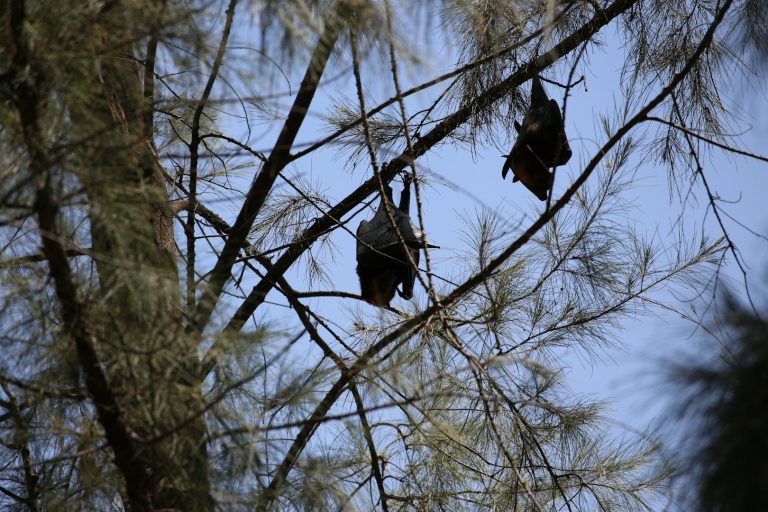
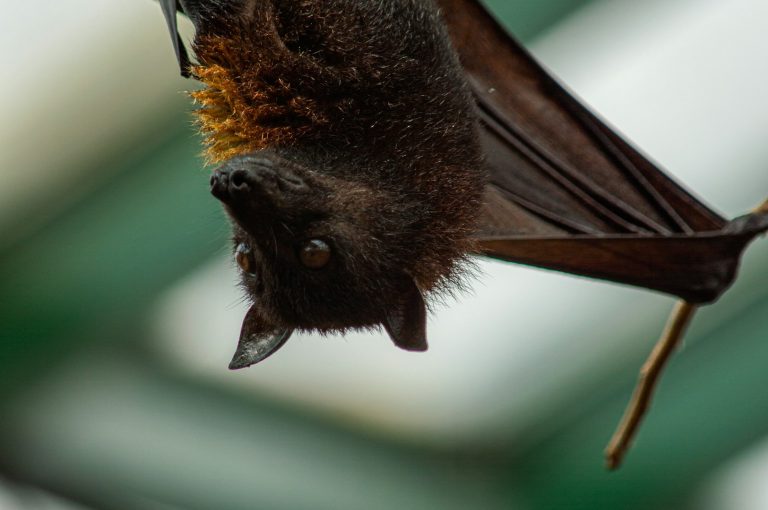
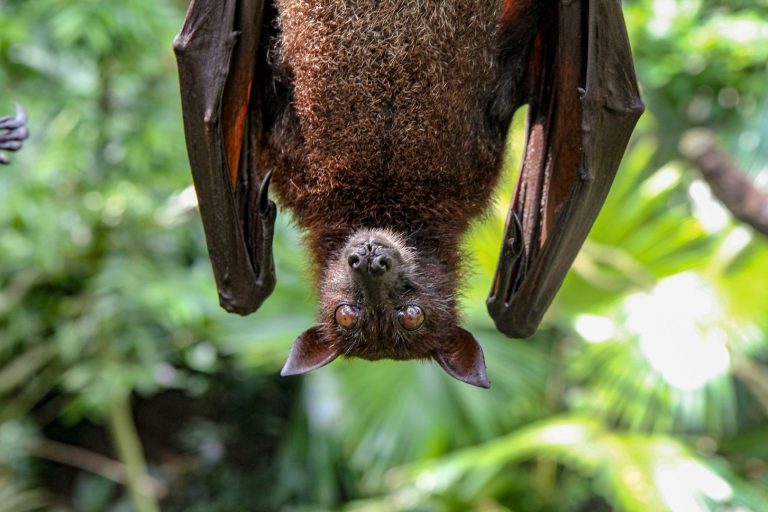
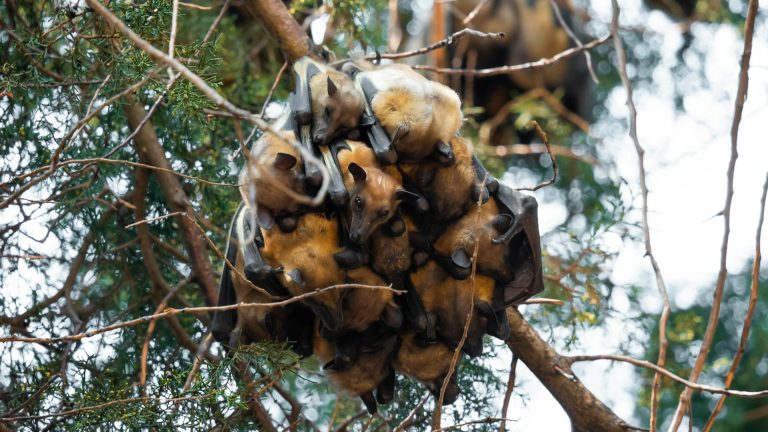
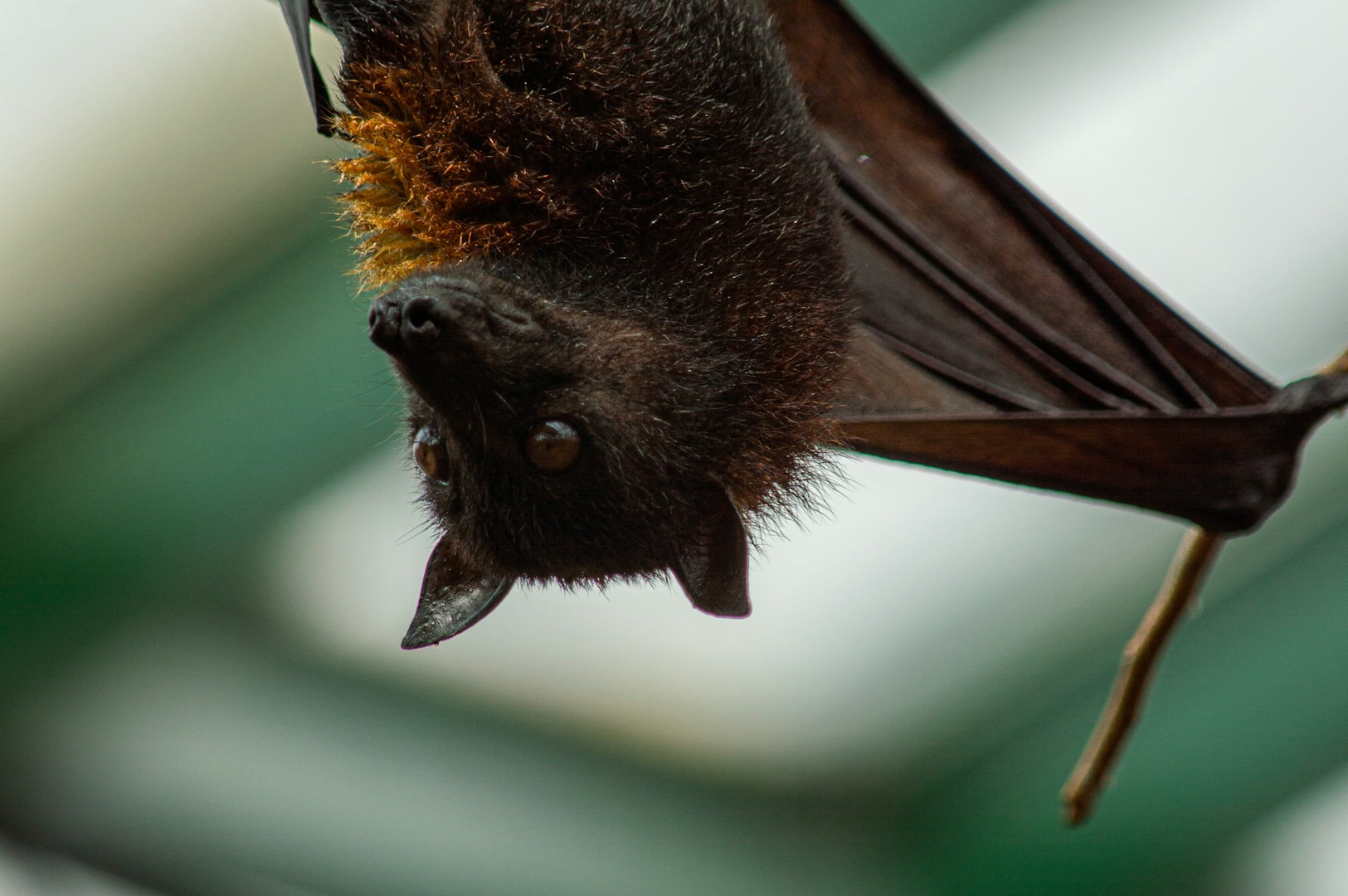
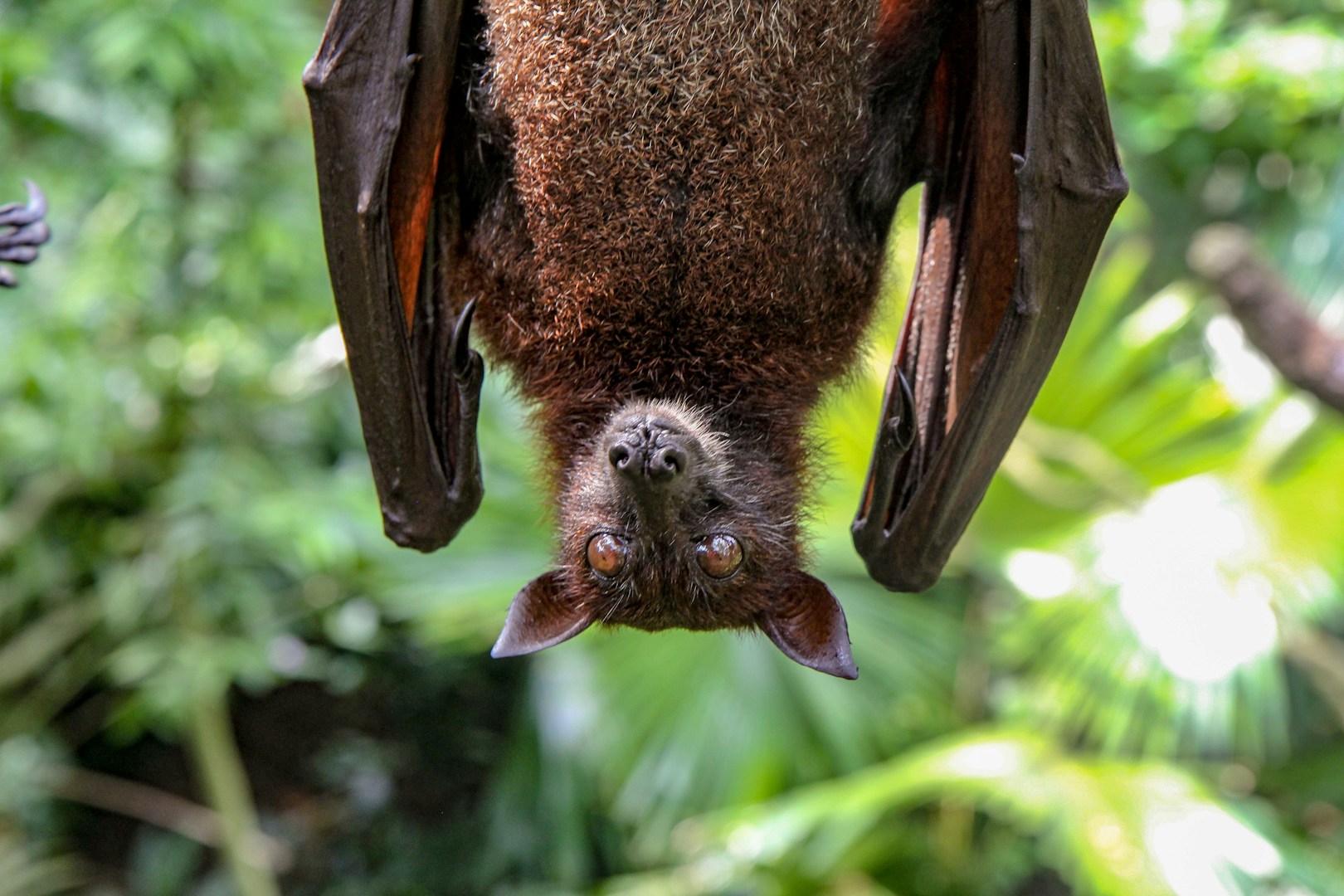
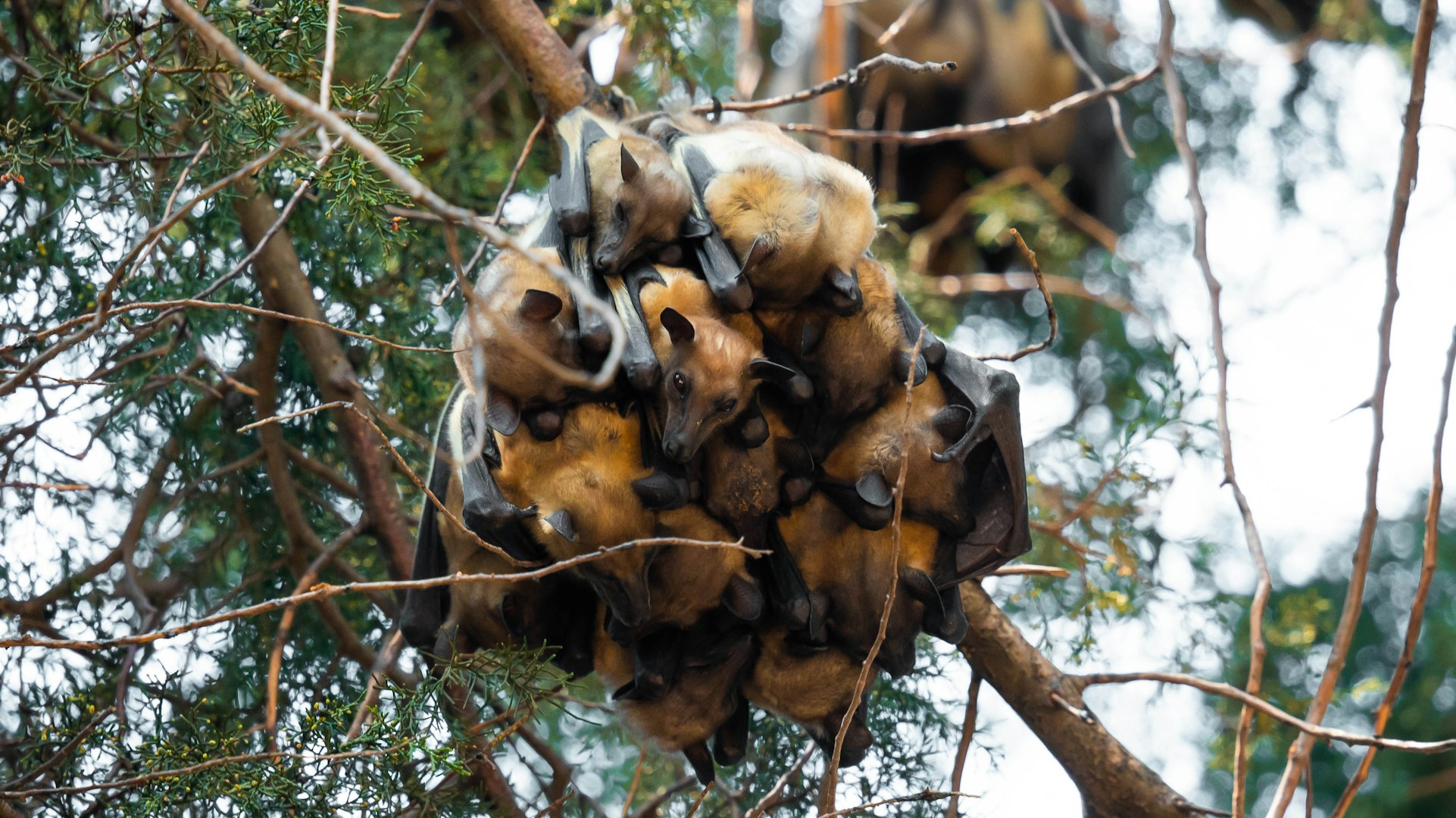
Bats possess remarkable adaptations for their nocturnal lifestyle. Their wings are actually modified hands with elongated fingers connected by thin membranes. Most bats use echolocation - emitting high-frequency sounds and interpreting the echoes - to navigate and hunt in complete darkness. Contrary to popular belief, bats have excellent vision and supplement it with this sophisticated sonar system. They exhibit complex social behaviors, with some species living in colonies numbering in the millions while others prefer solitary lives in tree hollows or caves.
How to Support Bat Populations
Creating a bat-friendly environment is simple:
Install bat houses (properly designed and placed) to provide roosting sites
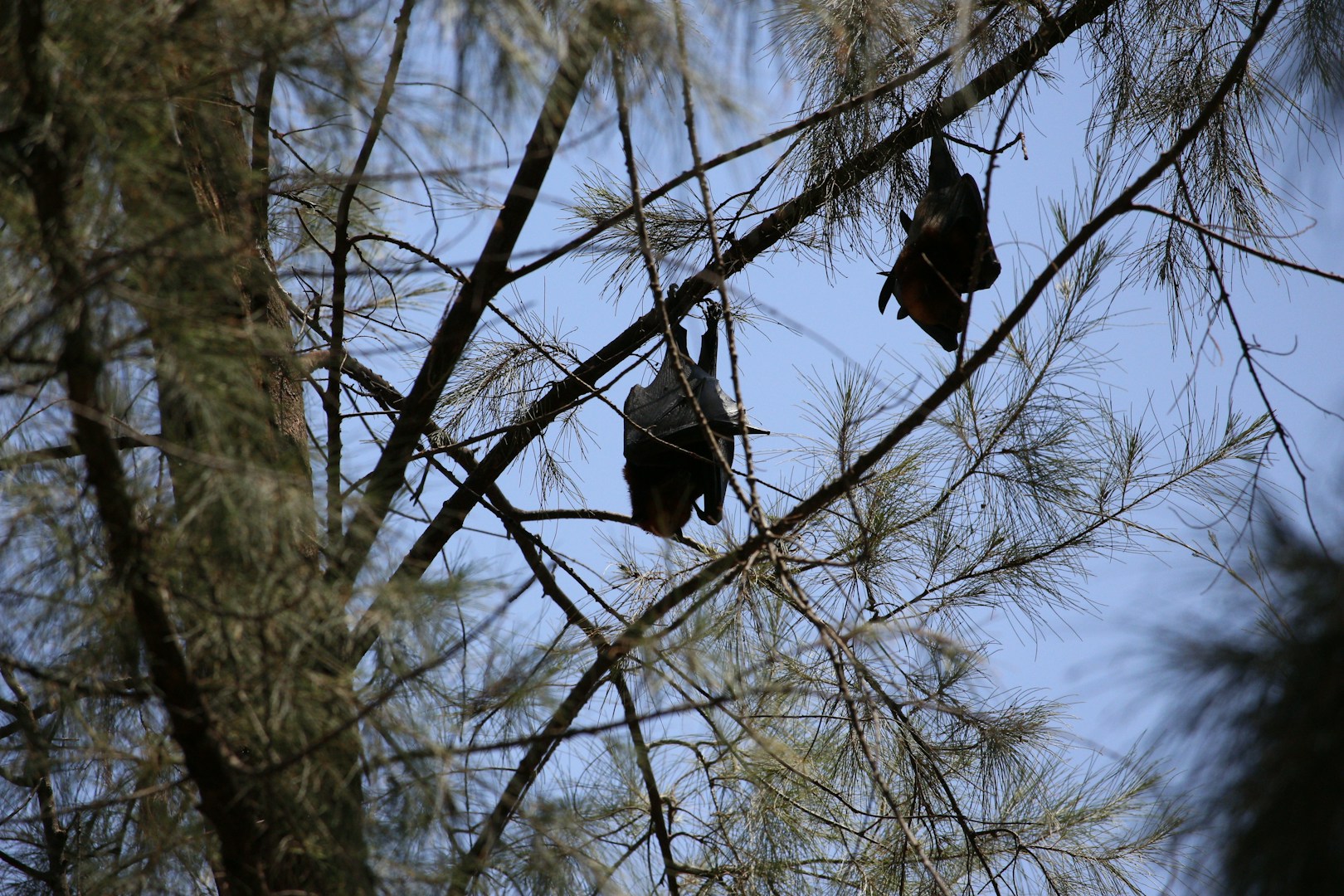
Preserve dead trees when safe to do so, as they provide natural roosts
Reduce outdoor lighting which disrupts their feeding patterns
Avoid pesticide use which eliminates their food sources
Protect wetlands and other insect-rich habitats
Support organizations working to combat White-Nose Syndrome
Benefits of Bats in Our Ecosystem
Natural Pest Control - A single little brown bat can eat up to 1,000 mosquitoes in an hour, while larger species consume agricultural pests like moths and beetles.
Pollination Powerhouses - Many tropical plants, including bananas, mangoes, and agave (used for tequila), depend on bats for pollination.
Seed Dispersers - Fruit bats spread seeds that help regenerate rainforests and maintain biodiversity.
Economic Value - In the U.S. alone, bats save farmers an estimated $23 billion annually in reduced pesticide use and crop damage.
Fascinating Bat Facts
- The world's smallest bat, the bumblebee bat, weighs less than a penny
- Some bats can live over 30 years - exceptionally long for small mammals
- Vampire bats (only 3 species out of 1,400+) can run on the ground
- Bat droppings (guano) make excellent fertilizer and were once a valuable resource
- The Mexican free-tailed bat can reach speeds of 100 mph in flight
Challenges and Conservation
Bats face numerous threats including habitat loss, wind turbines, and a devastating fungal disease called White-Nose Syndrome that has killed millions. Nearly one-third of bat species are considered threatened or endangered. Simple actions like building bat boxes and educating others about their importance can make a significant difference in conservation efforts.