
The Importance of Bees
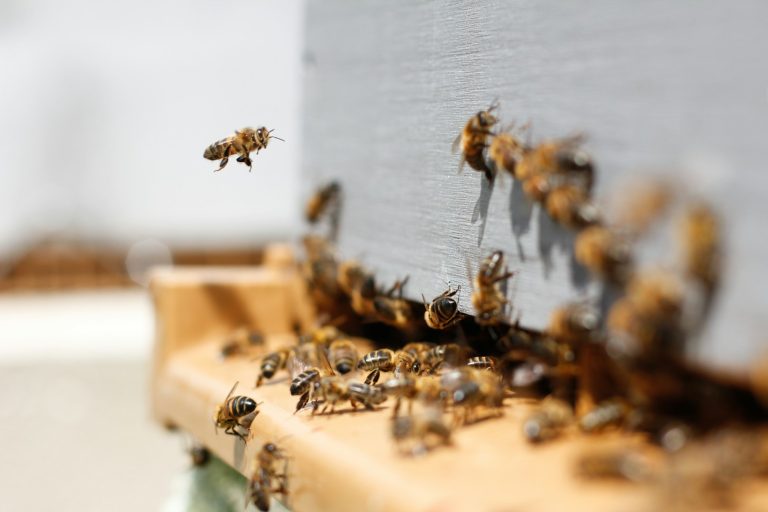
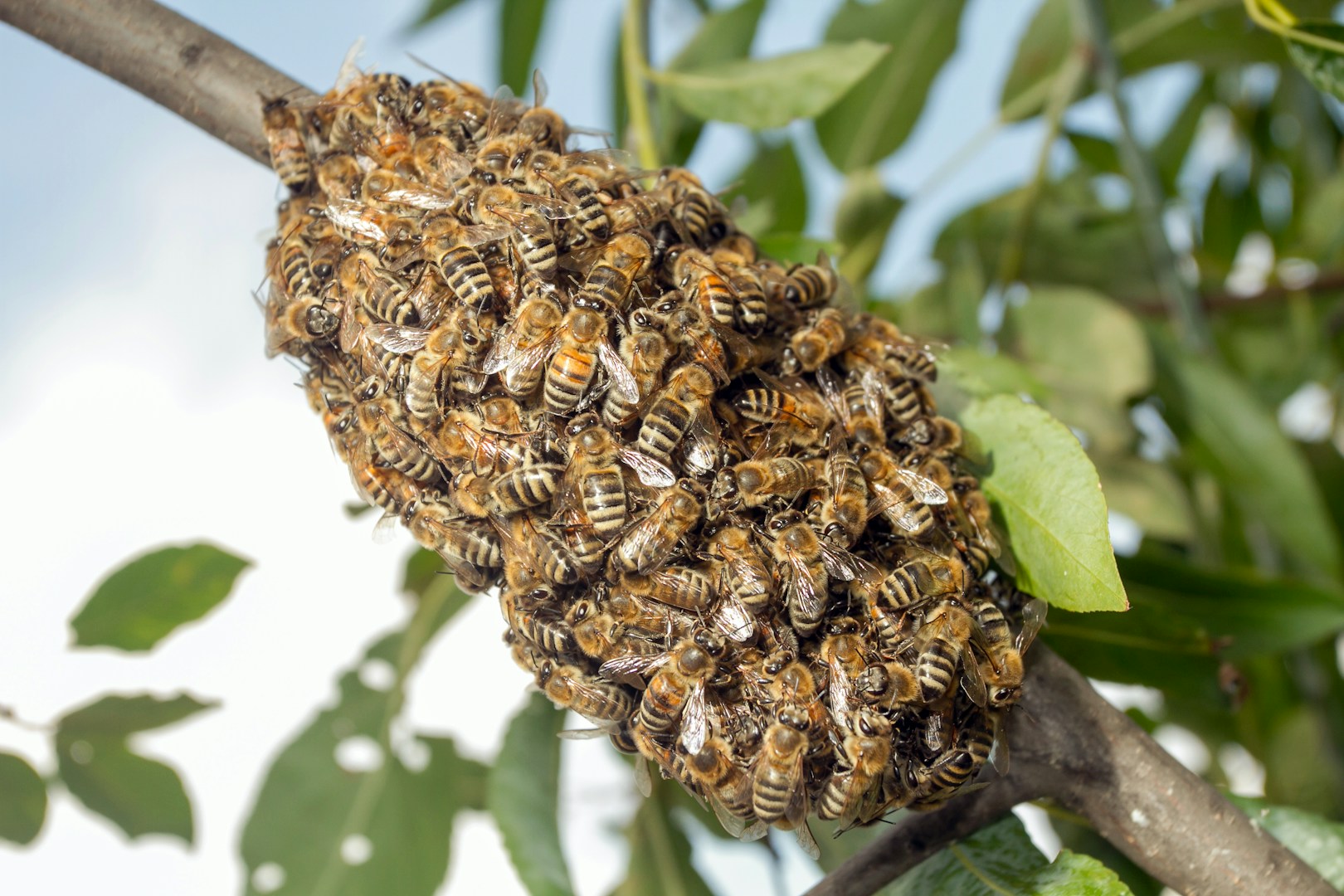
Bees are small but incredibly important insects that play a vital role in our ecosystem. They are best known for producing honey, but their most significant contribution is pollination, which helps plants grow and reproduce. Without bees, many fruits, vegetables, and flowers would disappear, affecting both nature and human food supplies. Sadly, bee populations are declining due to pesticides, habitat loss, and climate change, making their protection essential.
Pollination and Agriculture
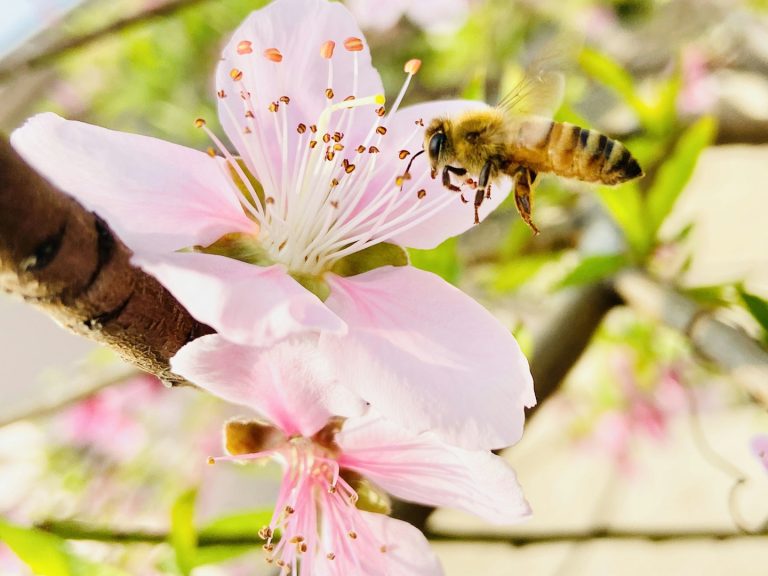
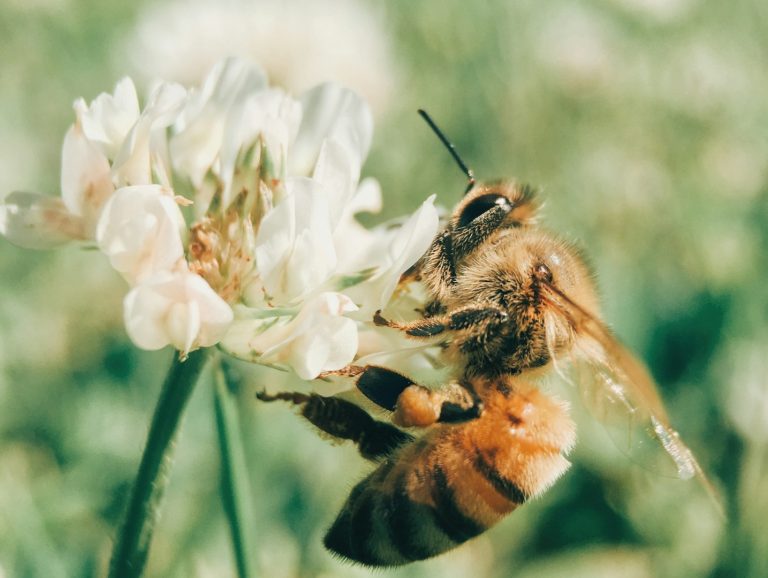
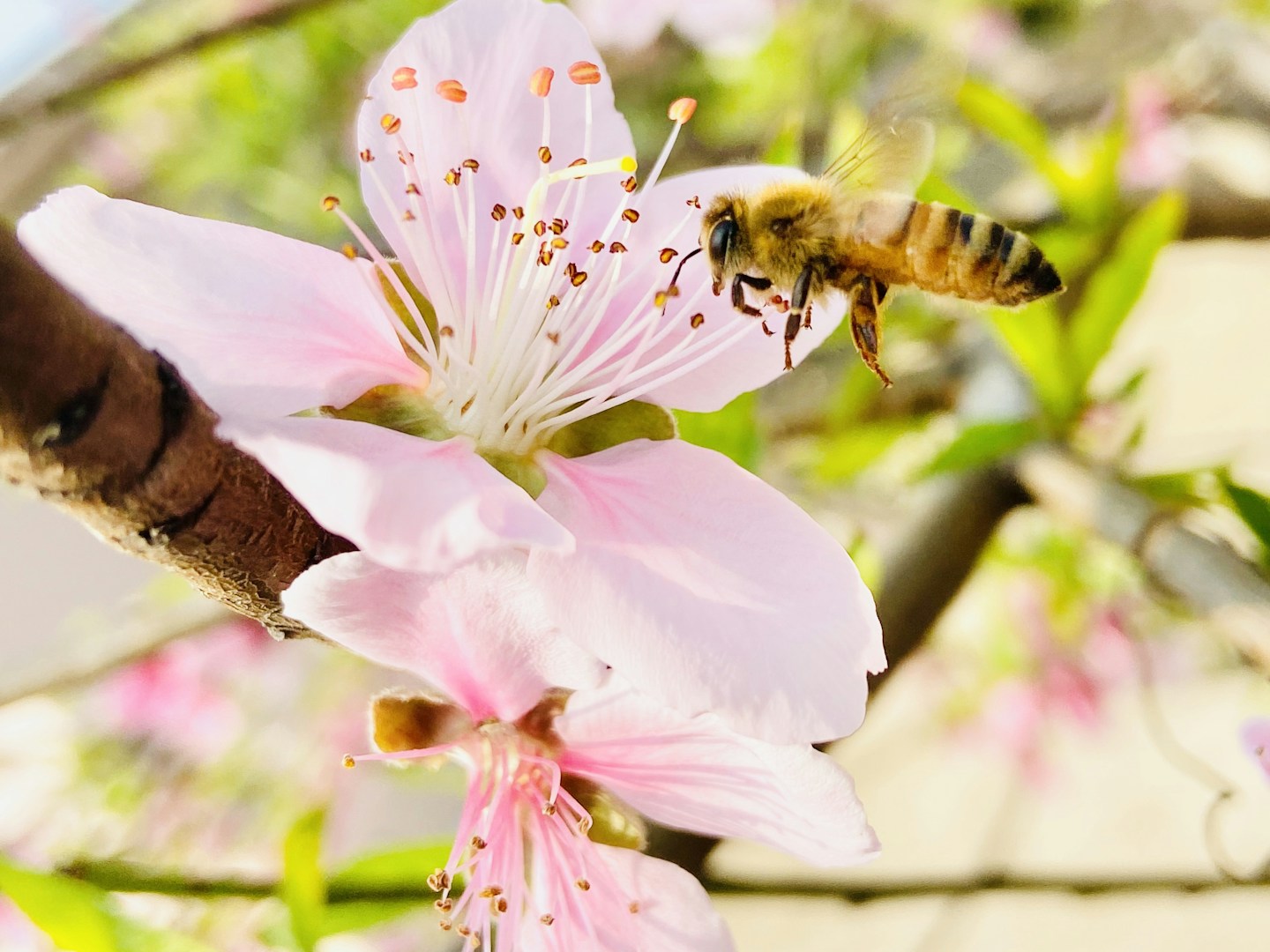
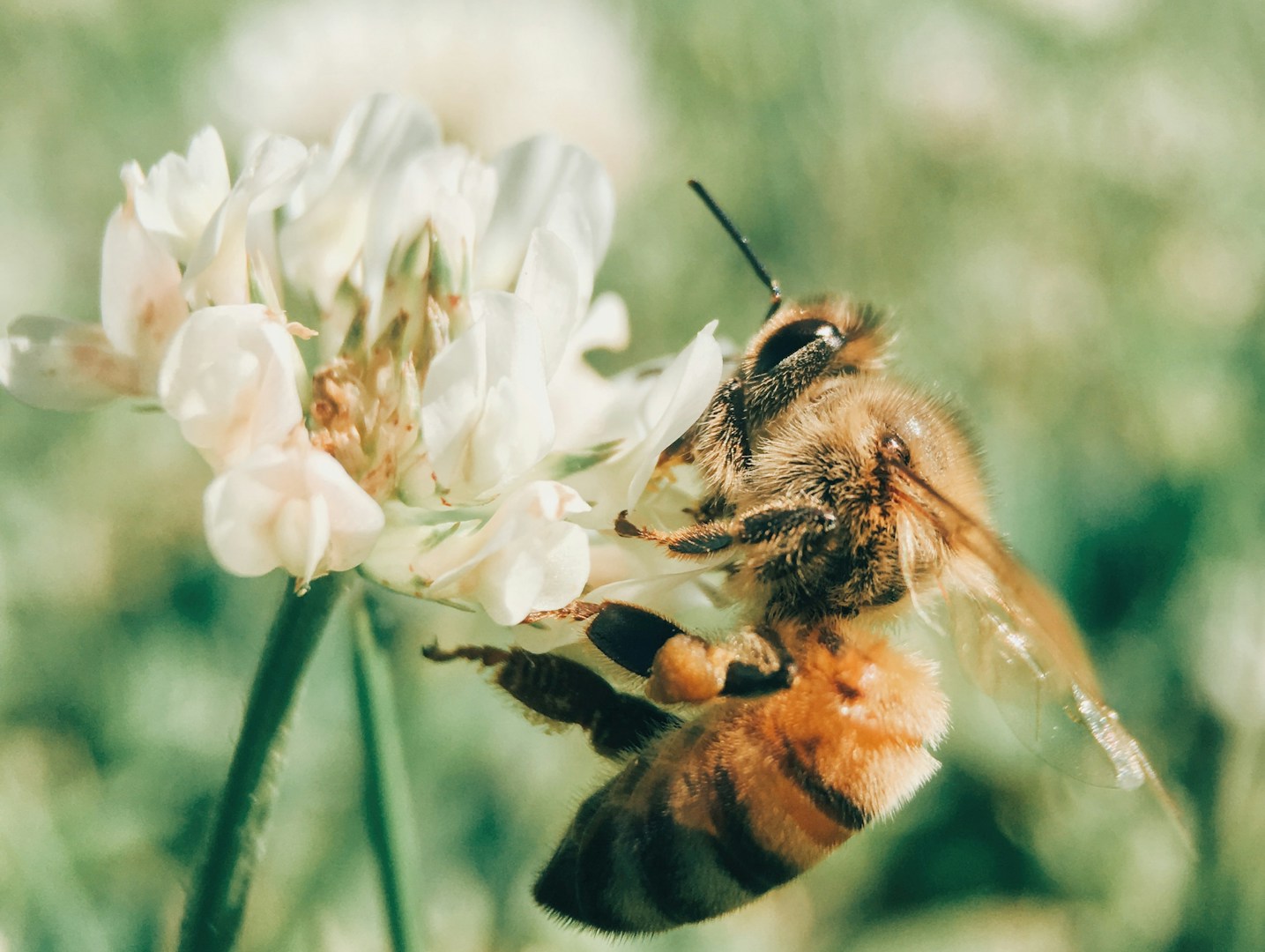
Bees are among the world’s most efficient pollinators. As they move from flower to flower collecting nectar, they transfer pollen, allowing plants to produce fruits and seeds. Nearly one-third of the food we eat depends on pollinators like bees, including apples, almonds, and berries. Farmers often rely on honeybees to boost crop yields, making them indispensable to agriculture. Without bees, global food production would face a serious crisis.
Bees in Literature
Bees have long been symbols of diligence, community, and productivity in literature. From ancient myths to modern poetry, they appear as metaphors for hard work and harmony. In Virgil’s Georgics, bees represent an ideal society, while Shakespeare references them in Henry V to inspire unity. More recently, authors like Sylvia Plath used bees in The Bee Poems to explore themes of life, death, and creativity.Through literature, bees continue to inspire imagination and remind us of nature’s delicate balance.
Honey and Other Bee Products
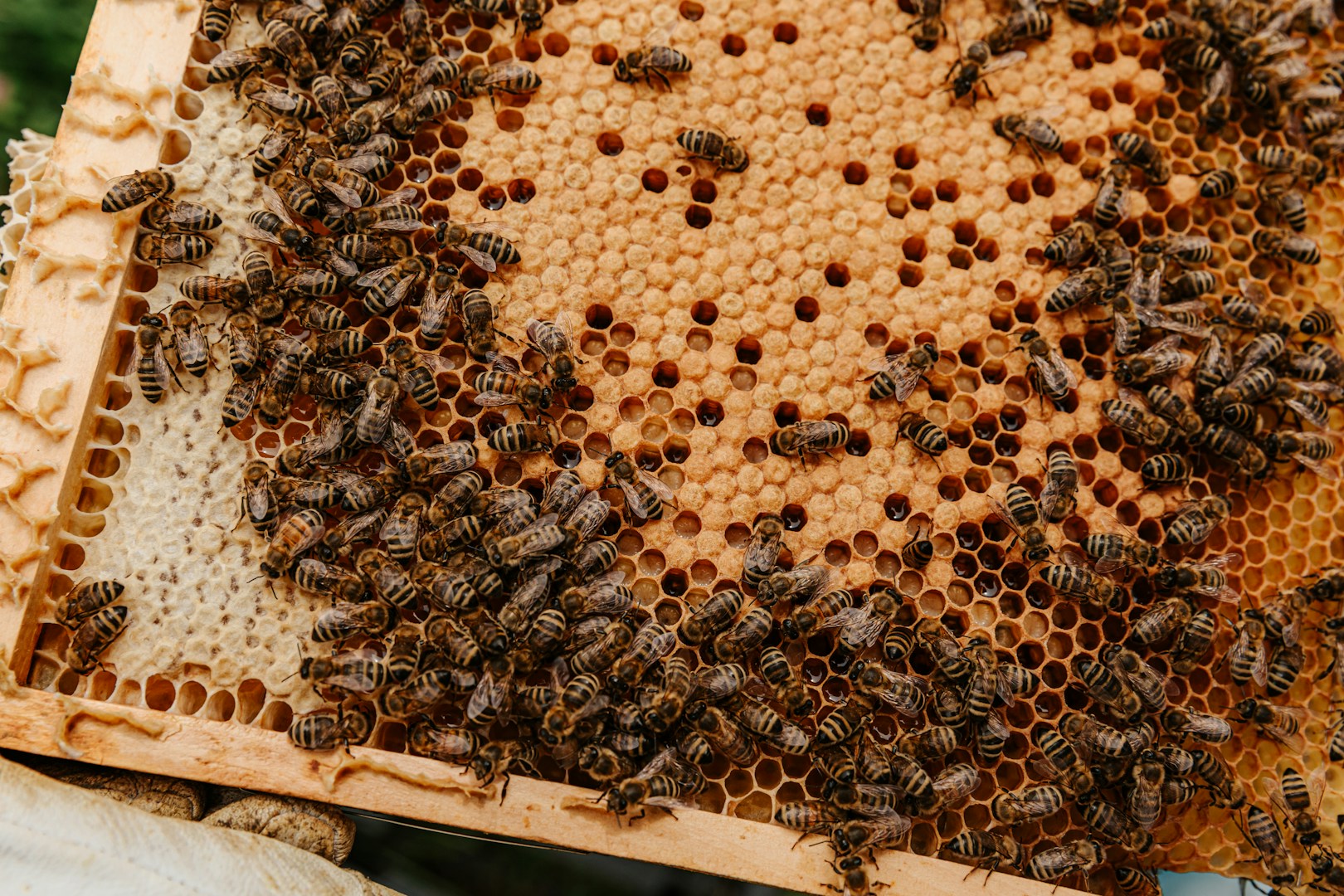
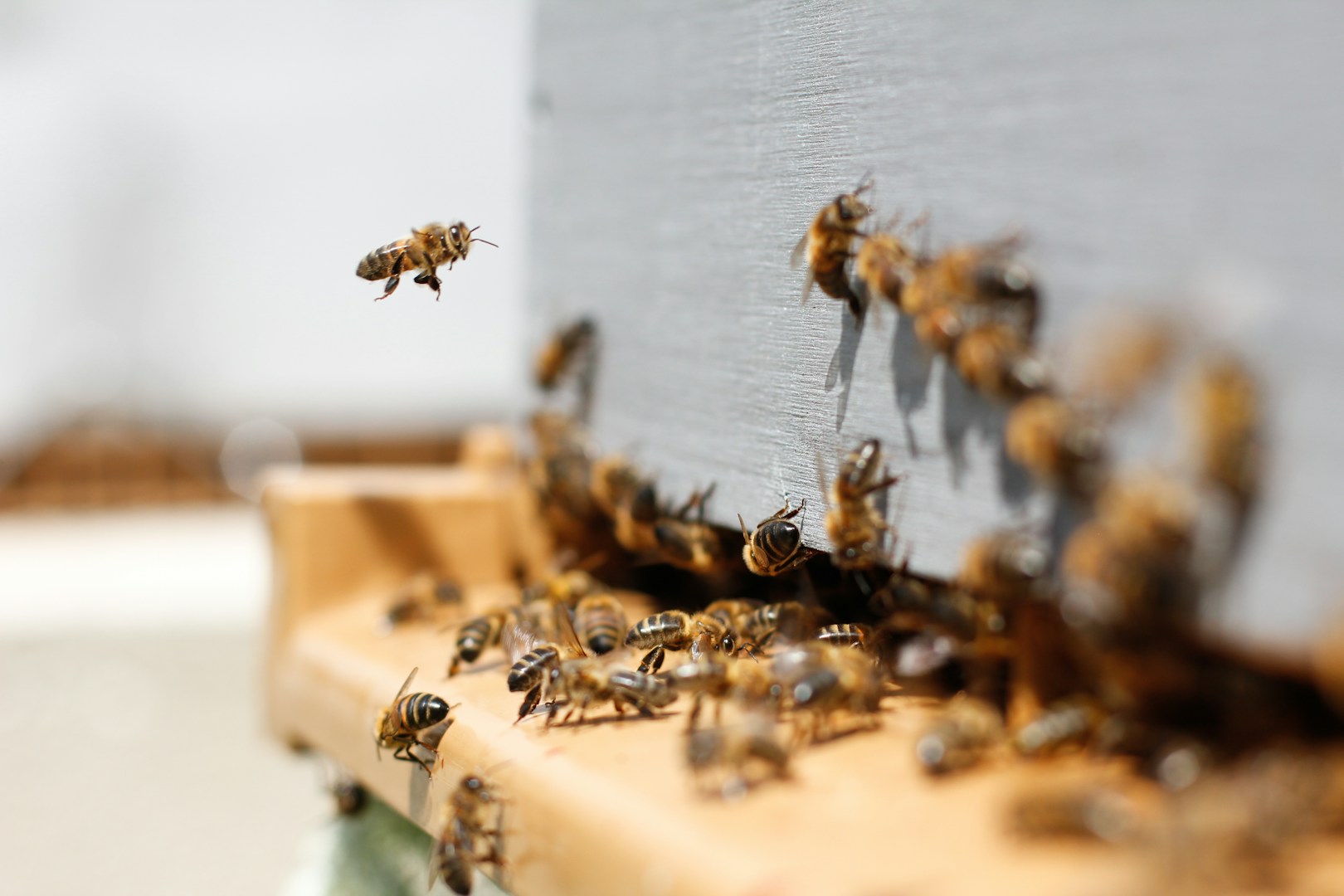
Beyond pollination, bees produce honey, a natural sweetener used for thousands of years. Honey has antibacterial properties and is used in medicine and cooking. Bees also create beeswax, which is used in candles, cosmetics, and even furniture polish. Royal jelly and propolis, other bee products, have health benefits and are used in supplements and natural remedies. These products highlight how bees contribute not only to nature but also to human industries.
Curiosities About Bees
- A single bee produces only about 1/12 teaspoon of honey in its lifetime.
- Bees communicate through dances, the "waggle dance" tells others where to find food.
- There are over 20,000 species of bees, but only a few produce honey.
- A queen bee can lay up to 2,000 eggs per day during peak season.
- Bees have five eyes, two large compound eyes and three tiny ocelli for detecting light.
Threats to Bee Populations
Despite their importance, bees are in danger. Pesticides, especially neonicotinoids, poison bees and weaken their immune systems. Urbanization destroys their natural habitats, leaving them without flowers or nesting sites. Climate change also disrupts their life cycles by altering blooming seasons. To help bees, people can plant bee-friendly flowers, avoid pesticides, and support local beekeepers. Protecting bees means protecting our future food supply and biodiversity.